
Are you torn between choosing an induction cooktop or a gas stove for your kitchen? Picking the right cooking surface can change the way you prepare meals every day.
Whether you want fast heating, easy cleaning, or better energy savings, understanding the pros and cons of each option is key. You’ll discover which one fits your cooking style and lifestyle best. Keep reading to find out how to make the smartest choice for your kitchen and enjoy cooking like never before.
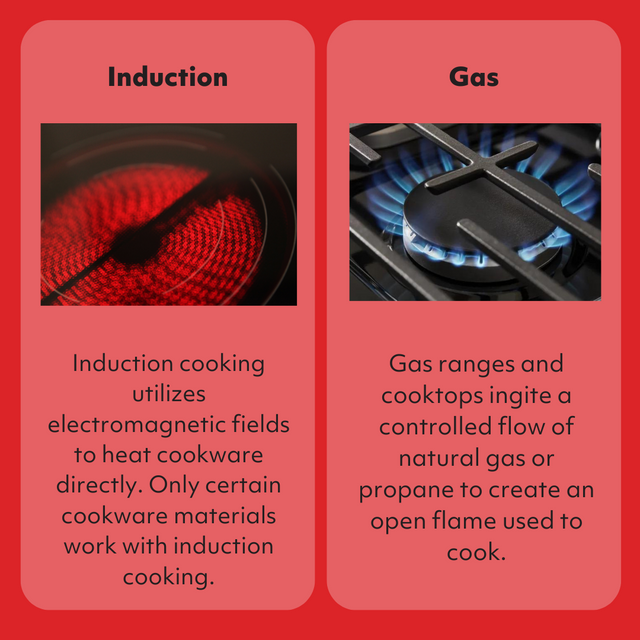
Credit: www.arnoldsappliance.com
Energy Efficiency
Energy efficiency is a key factor when choosing between an induction cooktop and gas stove. It affects how much electricity or gas you use and your monthly bills. Understanding which option uses energy better helps you save money and protect the environment.
Power Consumption Comparison
Induction cooktops use electricity to heat pots directly. This method uses less power than traditional electric stoves. Gas stoves burn fuel to create heat. Some energy is lost as heat escapes into the air. Induction cooktops generally use less total energy than gas stoves. This means lower power consumption and cost savings.
Heat Transfer Efficiency
Induction cooktops transfer heat directly to the cookware. This process is very efficient with little wasted heat. Gas stoves heat the air around the pan first. Much of this heat does not reach the food. Induction’s heat transfer efficiency is around 85-90%. Gas stoves often fall below 40%. This difference makes induction better at using energy effectively.
Cooking Performance
Cooking performance is a key factor when choosing between an induction cooktop and a gas stove. It affects how well your food cooks and how enjoyable your cooking experience is. Both options offer different benefits in temperature control, cooking speed, and heat distribution.
Temperature Control
Induction cooktops offer precise temperature control. You can adjust the heat in small steps. This helps cook delicate dishes without burning them. Gas stoves also allow quick changes in heat but lack the fine control of induction. Flames respond instantly to your adjustments, but the temperature can be uneven.
Cooking Speed
Induction cooktops heat up very fast. They use magnetic energy to warm the pan directly. This reduces cooking time significantly. Gas stoves take longer to heat the pan. Flames heat the air around the pan, making the process slower. For fast cooking, induction has a clear edge.
Heat Distribution
Gas stoves provide even heat across the pan’s surface. The flame spreads heat naturally, which suits many cooking styles. Induction cooktops heat only the pan’s base. Some pans may heat unevenly if not flat or made from compatible materials. Overall, gas offers more consistent heat distribution for all cookware.
Safety Features
Safety is a key factor when choosing between an induction cooktop and a gas stove. Both have features that protect users from accidents. Understanding these safety aspects helps you make a smart choice for your kitchen. Let’s explore important safety points like burn risks, gas leaks, and child safety.
Burn Risks
Induction cooktops heat only the pan, not the surface. This lowers the chance of burns. The cooktop stays cool, reducing accidents. Gas stoves have open flames, which can cause burns easily. The surface and knobs also get hot. Extra care is needed when cooking with gas.
Gas Leak Concerns
Gas stoves use natural gas or propane. This can leak if connections are loose or damaged. Gas leaks can cause fires or explosions. Induction cooktops run on electricity, so no gas leaks occur. This makes induction safer in homes with children and pets.
Child Safety
Induction cooktops often have child lock features. These prevent children from turning on the stove accidentally. Gas stoves do not have built-in locks. Kids might touch hot parts or open flames. Supervision is important with gas cooking around children.
Cost Considerations
Cost is a major factor when choosing between an induction cooktop and a gas stove. It affects your budget upfront and over time. Understanding different cost aspects helps make a smart choice. This section breaks down the main cost considerations.
Initial Purchase Price
Gas stoves usually cost less to buy than induction cooktops. A basic gas model fits most budgets. Induction cooktops often need a higher upfront investment. Their advanced technology raises the price.
Consider the size and features too. Larger or high-tech models cost more. Gas stoves have simpler parts, so they stay cheaper. Induction models may need special cookware, adding to costs.
Operating Costs
Gas stoves use natural gas, which tends to be cheaper than electricity. This can lower monthly bills. Induction cooktops use electric power but cook faster. That can save energy overall.
Efficiency plays a role. Induction stoves heat food directly, wasting less energy. Gas stoves lose some heat to the air. Long-term, induction can cost less to run despite higher rates.
Maintenance Expenses
Gas stoves need regular cleaning and occasional repairs. Burners and valves may wear out over time. Parts are usually easy to find and replace.
Induction cooktops require less maintenance. Their smooth surface cleans quickly. Repairs can be costly if the electronics fail. Not all technicians service induction models.
Installation Requirements
Choosing between an induction cooktop and a gas stove requires careful thought about installation. Each type has unique needs that affect kitchen design and safety. Proper installation ensures safe use and optimal cooking performance. Understanding space, ventilation, and setup is essential before making a choice.
Space And Ventilation
Induction cooktops need flat, stable surfaces for installation. They fit well into modern kitchens with limited space. Gas stoves require enough room for burners and gas lines. Proper ventilation is critical for gas stoves to remove fumes and heat. Induction cooktops produce less heat, so ventilation needs are lower. Vent hoods or exhaust fans help maintain air quality for gas setups.
Electrical And Gas Setup
Induction cooktops run on electricity and need a strong power supply. A dedicated circuit may be necessary to handle high wattage. Gas stoves connect to natural gas lines or propane tanks. Installation must follow safety codes to prevent leaks. Professional installation is recommended for both to ensure proper setup. Checking existing kitchen wiring or gas lines saves time and cost.
Credit: stahlkitchens.com
Environmental Impact
Choosing between an induction cooktop and a gas stove affects the environment. Each option has different effects on air quality, energy use, and resources. Understanding these can help you make a better choice for the planet.
Carbon Footprint
Gas stoves burn natural gas, releasing carbon dioxide. This adds to greenhouse gases in the air. Induction cooktops use electricity. Their carbon footprint depends on how the electricity is made. If the power comes from coal or oil, the impact is higher. If it comes from wind or solar, the impact is much lower.
Sustainability Factors
Gas is a fossil fuel and takes millions of years to form. Using it is not sustainable long-term. Induction cooktops need rare metals for magnets and coils. Mining these metals can harm the environment. But induction models last longer and waste less energy. This helps reduce their overall impact.
User Experience
User experience plays a big role in choosing between an induction cooktop and a gas stove. It affects daily cooking comfort and satisfaction. Each type offers unique features that change how you cook and clean. Below, we explore key factors that impact user experience.
Ease Of Use
Induction cooktops heat up quickly and respond instantly to temperature changes. This makes cooking fast and precise. The flat surface is easy to navigate with pots and pans.
Gas stoves offer visible flames, making it easy to see heat levels. Adjusting the flame is simple and intuitive. It works well with all types of cookware.
Cleaning And Maintenance
Induction cooktops have smooth, flat surfaces. Spills do not burn onto the surface, making cleaning quick. Wiping with a damp cloth removes most messes.
Gas stoves have grates and burners that trap food and grease. Cleaning requires removing parts and scrubbing. This can take more time and effort.
Noise Levels
Induction cooktops are mostly silent. Only a low hum may be heard during use. This creates a calm cooking environment.
Gas stoves produce a crackling or roaring sound from the flame. The noise level varies with the flame size. Some find this comforting, others distracting.

Credit: stahlkitchens.com
Compatibility With Cookware
Cookware compatibility plays a big role in choosing between an induction cooktop and a gas stove. Not every pot or pan works on both types of cooktops. Knowing which cookware fits each can save time and money.
Induction Cooktop Compatibility
Induction cooktops need magnetic cookware to work. Cast iron and some stainless steel pots are good choices. Aluminum, glass, or copper cookware usually do not work unless they have a magnetic base. You can test your cookware with a magnet. If the magnet sticks, the pot will work on an induction cooktop.
Gas Cooktop Compatibility
Gas cooktops are more flexible with cookware. Almost any pot or pan can be used on a gas stove. This includes aluminum, copper, cast iron, and stainless steel. The flame heats the cookware directly, so material type matters less.
Choosing Cookware For Both Types
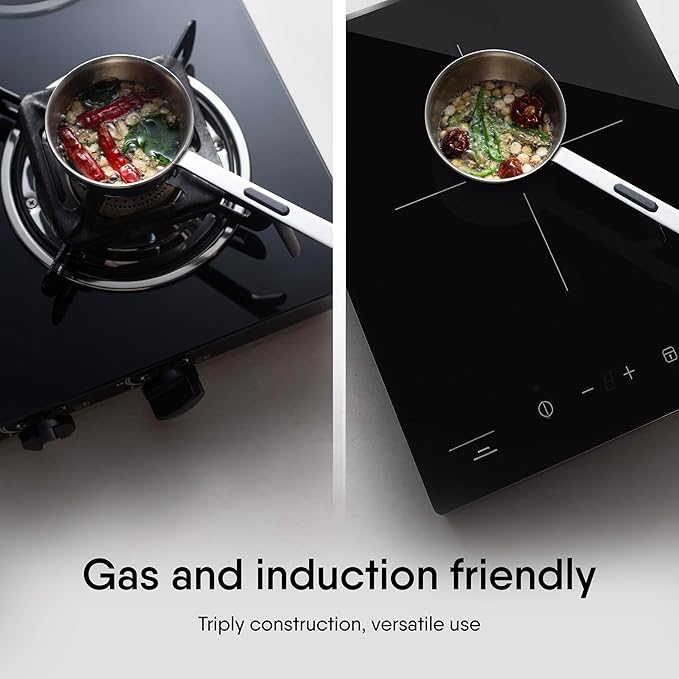
Choosing cookware that fits both cooktops can save money. Look for pots with a flat bottom and magnetic base for induction. These also work well on gas stoves. Avoid warped or thin-bottomed cookware for better heat distribution on both types.
Aesthetic And Design Options
A kitchen’s look depends a lot on the cooktop style. The design sets the room’s tone and mood. Choosing between induction and gas means deciding on how your kitchen will appear.
Both induction and gas cooktops offer unique design choices. These affect the kitchen’s feel and how modern or traditional it looks.
Induction Cooktop Design
Induction cooktops have a sleek, smooth surface. They look flat and shiny, with no visible burners. This style fits well in modern kitchens. The black or glass top creates a clean and simple look. Controls are often touch-based, adding to the smooth design.
These cooktops blend easily with countertops. They do not have knobs or grates sticking out. This makes cleaning easier and the kitchen neater. Induction cooktops come in various sizes and shapes. This helps fit different kitchen layouts and spaces.
Gas Cooktop Design
Gas cooktops show traditional cooking elements. Visible burners and metal grates give a classic, rugged look. They add a sense of warmth and activity to the kitchen. The knobs and flame add a lively, mechanical feel.
These cooktops come in different finishes like stainless steel or black. This variety lets you match the kitchen’s style easily. Gas cooktops offer a strong visual impact. The design often becomes a kitchen focal point.
Which Style Fits Your Kitchen?
Deciding between induction and gas depends on your kitchen style. Induction suits a clean, modern, minimalist kitchen. Gas fits kitchens that want a traditional or industrial look. Both designs have charm and can enhance your cooking space.
Which One Suits Different Lifestyles
Choosing between an induction cooktop and gas depends on your lifestyle. Each option fits different needs and habits. Understanding which suits you helps create a better cooking space.
For Home Chefs
Home chefs need precise temperature control for various dishes. Gas cooktops offer instant heat changes, ideal for delicate cooking. Induction cooktops heat fast and evenly, saving time. Both work well, but induction is safer with children around.
For Small Apartments
Small apartments benefit from compact and clean cooking solutions. Induction cooktops are slim and easy to install anywhere. They produce less heat, keeping rooms cooler. Gas stoves need good ventilation and more space. Induction suits limited spaces better.
For Large Families
Large families cook multiple dishes at once. Gas cooktops provide strong, constant heat for big meals. Induction can handle several pots but may have fewer burners. Gas is often more practical for heavy use. Both can work, but gas usually fits better here.
Frequently Asked Questions
Which Cooktop Is More Energy Efficient, Induction Or Gas?
Induction cooktops are more energy efficient as they heat cookware directly. Gas cooktops lose heat to the surrounding air. Induction saves up to 30% energy compared to gas, making it a greener option for cooking.
Is Induction Cooking Safer Than Gas Cooking?
Yes, induction cooktops are safer because they don’t use open flames. The surface stays cool except under the cookware. Gas cooktops pose fire and gas leak risks, making induction safer for households with kids or pets.
Does Induction Cooking Work With All Cookware?
Induction requires magnetic cookware like cast iron or stainless steel. Aluminum, copper, and glass won’t work unless they have a magnetic base. Gas cooktops have no such restriction and work with any cookware type.
Which Cooktop Heats Food Faster, Induction Or Gas?
Induction cooktops heat food faster due to direct magnetic heating. Gas takes longer as it heats the cookware and surrounding air. Induction can boil water almost twice as fast as gas.
Conclusion
Choosing between an induction cooktop and gas depends on your needs. Induction offers fast heating and easy cleaning. Gas stoves give you more control over the flame. Both have pros and cons for safety and cost. Think about your cooking style and kitchen setup.
Energy use and maintenance also matter. Either way, cooking can be enjoyable and efficient. The best choice fits your daily routine and budget. Simple and smart decisions lead to better meals.

Hello, This is Annie Walker, a 38-year-old blogger, founder, and editor of Cookware Guider from NY, USA. I am a cookware fanatic and passionate cooker. I love to cook with different types of cooking appliances (example: all types of cookware, rice cookers, slow cookers, etc) almost every day in my kitchen. I love to share my experience with my readers in my blog. Also, I enjoy helping people to solve their problems through my website. You can follow me on Twitter & Pinterest. To know details about my blog please check the about us page.