
When you choose cookware, you want to be sure it’s safe for you and your family. Stainless steel is a popular choice because it looks sleek and lasts a long time.
But is all stainless steel cookware truly non-toxic? You might be surprised to learn that not every piece is created equal. Understanding what makes stainless steel safe or risky can protect your health and improve your cooking experience. Keep reading to discover what you need to know before buying your next set of stainless steel pots and pans.

Credit: www.reddit.com
Types Of Stainless Steel
Stainless steel is a popular choice for cookware due to its durability and sleek look. Not all stainless steel is the same. Different types have different properties. These differences affect safety and cooking quality. Understanding the types helps decide if stainless steel cookware is non-toxic and safe for your kitchen.
Grades And Compositions
Stainless steel grades show how the metal is made and what it contains. Grades use numbers like 18/8 or 304. These numbers tell the percentage of chromium and nickel inside. Chromium stops rust, and nickel adds shine and resistance to corrosion.
Common grades used in cookware:
- 304 (18/8 or 18/10): Contains 18% chromium and 8-10% nickel. Very popular for pots and pans.
- 316: Has 16% chromium, 10% nickel, and 2% molybdenum. More resistant to corrosion, often used in high-end cookware.
- 430: Contains 16-18% chromium but no nickel. Less shiny, magnetic, and cheaper. Used in some cookware parts.
Here is a simple table to compare:
| Grade | Chromium (%) | Nickel (%) | Other Elements | Common Use |
|---|---|---|---|---|
| 304 (18/8 or 18/10) | 18 | 8-10 | – | Everyday cookware |
| 316 | 16 | 10 | Molybdenum (2%) | High-end cookware |
| 430 | 16-18 | 0 | – | Cookware parts, less corrosion resistant |
Higher nickel content usually means better corrosion resistance and a smoother surface. Nickel allergies are rare but possible. Choosing high-quality grades can reduce risks of metal leaching during cooking.
Common Alloys In Cookware
Stainless steel alloys combine metals to improve strength and safety. Cookware alloys focus on heat distribution, durability, and non-toxicity. The right alloy keeps food safe and cookware lasting longer.
Main alloys used in stainless steel cookware:
- Chromium: Prevents rust and stains. Minimum 10.5% needed for stainless steel.
- Nickel: Adds shine and stops corrosion. Makes steel more flexible.
- Molybdenum: Boosts corrosion resistance, especially against salty or acidic foods.
- Carbon: Adds strength and hardness but too much can cause brittleness.
- Manganese: Improves hardness and toughness.
Many cookware products use a layered structure, called “cladding.” For example, a stainless steel outer layer with an aluminum or copper core. This improves heat spread without adding heavy metals.
Example of a common cookware alloy blend:
Stainless Steel 304: - Chromium 18% - Nickel 8-10% - Carbon & Manganese (small amounts) - Trace elements (copper, silicon)Choosing cookware made from safe alloys ensures minimal chemical leaching. High-quality stainless steel alloys provide non-toxic cooking surfaces that resist rust and damage.
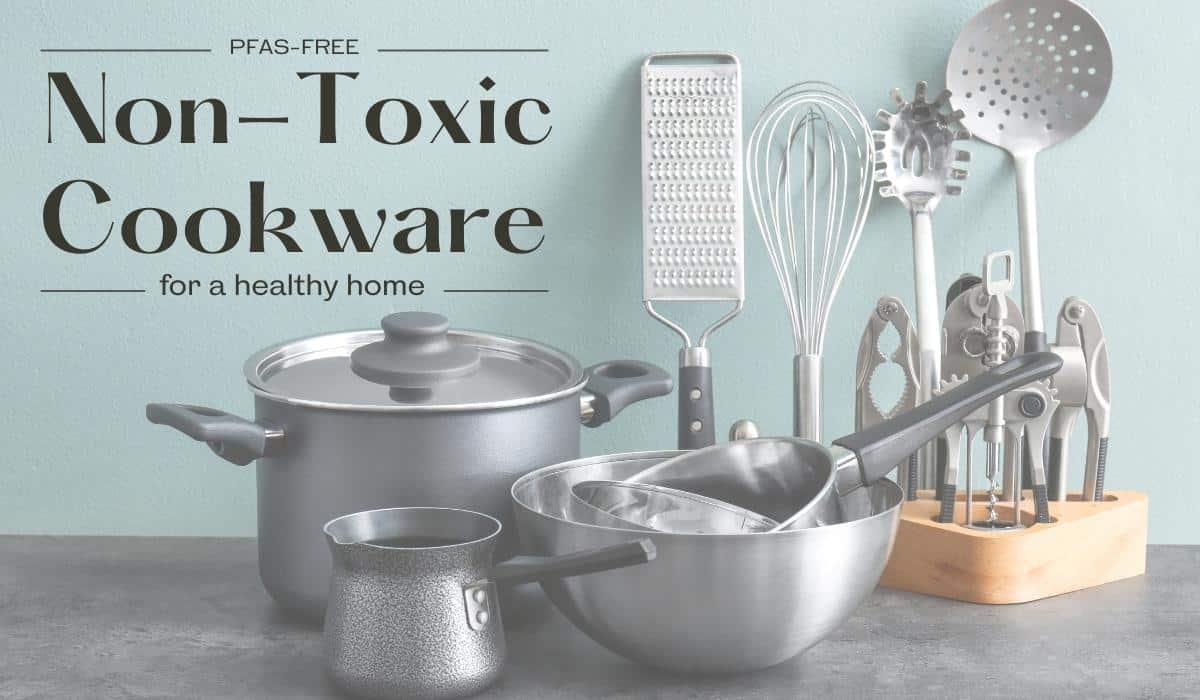
Credit: umbelorganics.com
Health Concerns With Stainless Steel
Stainless steel cookware is popular for its durability and sleek look. Many people ask if all stainless steel cookware is non-toxic. Understanding the health concerns linked to stainless steel helps in making safe choices. This section explains key issues like metal leaching and the effect of cooking acidic foods on stainless steel.
Potential Metal Leaching
Stainless steel contains metals like nickel, chromium, and iron. These metals can sometimes leach into food, especially under certain conditions. Metal leaching means tiny amounts of metals move from the cookware into the food.
Factors that affect metal leaching:
- Quality of stainless steel (grade and finish)
- Cooking temperature and time
- Type of food being cooked
- Wear and tear of the cookware surface
Higher grades of stainless steel (like 18/10 or 304) tend to leach less metal. Old or scratched cookware can increase leaching. Usually, the amount of metal that leaches is very small and safe for most people. Yet, those with nickel allergies or metal sensitivities should be cautious.
| Metal | Possible Health Effect | Leaching Risk |
|---|---|---|
| Nickel | Allergic reactions in sensitive people | Moderate |
| Chromium | Essential nutrient; high doses may cause irritation | Low |
| Iron | Essential nutrient; generally safe | Low |
Proper care extends cookware life and limits metal leaching. Avoid harsh scrubbing and use gentle cleaning methods.
Impact Of Cooking Acidity
Acidic foods like tomatoes, vinegar, or citrus can interact with stainless steel during cooking. This interaction may increase metal leaching, especially with longer cooking times.
How acidity affects stainless steel:
- Acids can wear down the protective chromium oxide layer on stainless steel.
- Worn surfaces release more metals into food.
- Long cooking times with acidic foods raise leaching risk.
Short cooking or quick boiling acidic foods is safer. Using higher-grade stainless steel reduces metal release. Some people notice a metallic taste when cooking very acidic dishes in stainless steel. This taste signals possible metal leaching.
Tips to reduce acid-related leaching:
- Limit cooking time of acidic foods in stainless steel
- Use non-reactive cookware for highly acidic recipes
- Choose high-quality stainless steel with strong chromium layers
- Keep cookware well-maintained and free of scratches
Awareness of acidity impact helps in choosing the right cookware for specific dishes. This reduces health concerns and keeps meals safe.
Non-toxic Claims And Limitations
Stainless steel cookware often carries the label “non-toxic,” suggesting it is safe for cooking without harmful chemicals leaching into food. This claim attracts many health-conscious buyers. Yet, the truth behind these claims can be complex. Not all stainless steel cookware is created equally, and some may release small amounts of metals under certain conditions. Understanding the limits of “non-toxic” claims helps in choosing the right cookware that truly supports safe cooking.
What Non-toxic Means In Cookware
The term non-toxic in cookware means the material does not release harmful substances into food during cooking. For stainless steel, this refers to the metal’s stability and resistance to corrosion or chemical reactions at cooking temperatures.
Key points about non-toxic stainless steel cookware:
- No harmful chemical coatings: Unlike non-stick pans, stainless steel uses no synthetic coatings that can break down.
- Metal leaching is minimal: High-quality stainless steel may release tiny amounts of nickel or chromium, usually below safety limits.
- Safe for various cooking methods: Suitable for frying, boiling, and baking without risk of toxic fumes or residues.
Still, “non-toxic” is not a guarantee of zero metal release. Factors influencing safety include:
- Grade of stainless steel (304, 316, etc.)
- Cooking acidic foods (tomato, lemon) that may increase leaching
- Wear and tear, such as scratches or rust spots
| Stainless Steel Grade | Common Use | Nickel/Chromium Content | Non-Toxic Status |
|---|---|---|---|
| 304 (18/8, 18/10) | Cookware, kitchen tools | 8-10% Nickel, 18% Chromium | Generally safe, minimal leaching |
| 316 (Marine Grade) | High-end cookware, medical | 10-14% Nickel, 16-18% Chromium | More corrosion resistant, very safe |
Non-toxic does not mean zero risk. It means low risk under normal use. Proper care extends safety and cookware life.
Variations Among Brands
Brands vary in how they define and achieve “non-toxic” stainless steel cookware. Differences in materials, manufacturing, and testing affect product safety.
Common variations include:
- Type of stainless steel used: Some brands use lower-grade steel that may leach more metals.
- Certifications and testing: Trusted brands often test for heavy metal release and follow strict standards.
- Construction quality: Multi-ply or fully clad pans heat better and resist warping, reducing damage that causes leaching.
- Coatings and finishes: Some brands add finishes that may affect safety and durability.
Here is a simplified comparison table of brand factors affecting non-toxic claims:
| Brand Aspect | High-Quality Brand | Lower-Quality Brand |
|---|---|---|
| Stainless Steel Grade | 304 or 316, 18/10 | Lower grades, unknown mix |
| Testing & Certification | Third-party tested, food safe certified | Minimal or no testing |
| Durability | Thick, multi-ply construction | Thin, prone to warping |
| Coatings | Usually none or safe finishes | May add unknown coatings |
Choosing brands with clear material disclosure and testing helps ensure true non-toxic cookware. Pay attention to product details and reviews to avoid surprises.
Safety Tips For Using Stainless Steel
Stainless steel cookware is popular for its durability and safety. Many wonder if all stainless steel cookware is non-toxic. While stainless steel is generally safe, proper use and care are key to keeping it that way. Following safety tips helps maintain cookware quality and prevents harmful chemical reactions. These tips focus on cleaning, maintenance, and preventing damage, ensuring your cookware stays safe for cooking every day.
Proper Maintenance And Cleaning
Keeping stainless steel cookware clean is essential to avoid food contamination and prolong its life. Use warm water and mild dish soap for daily cleaning. Harsh detergents and steel wool can scratch the surface and reduce safety.
- Wash after every use: Remove food residue before it sticks.
- Use soft sponges: Avoid abrasive materials that scratch.
- Remove stains naturally: Use baking soda paste or vinegar for tough spots.
- Dry thoroughly: Prevent water spots and rust formation.
Occasionally, deep clean your cookware to restore shine and remove buildup. Soak pots in warm soapy water, then scrub gently. Avoid soaking for too long to protect metal layers.
| Cleaning Method | Recommended Use | What to Avoid |
|---|---|---|
| Warm Water + Mild Soap | Daily cleaning | Harsh chemicals |
| Baking Soda + Water Paste | Removing stains and discoloration | Abrasive scrubbers |
| White Vinegar Soak | Removing mineral deposits | Extended soaking |
Proper maintenance keeps stainless steel safe and non-toxic. Avoid buildup and scratches to protect your health and cookware.
Avoiding Damage And Wear
Stainless steel is strong but not indestructible. Damage and wear can release metals into food, affecting safety. Handle cookware carefully to avoid dents, scratches, and corrosion.
Tips to prevent damage:
- Use correct utensils: Wooden, silicone, or plastic tools prevent scratches.
- Cook on medium heat: High heat can warp pans and degrade coatings.
- Don’t overheat empty pans: This can cause discoloration and weaken metal.
- Store properly: Avoid stacking heavy items on top that cause dents.
Check cookware regularly for signs of wear:
- Dents or warping
- Peeling or flaking surface layers
- Rust spots
Replace damaged cookware to maintain food safety. Using worn or damaged pans increases risk of metal leaching into meals.
| Damage Type | Cause | Effect on Safety | Prevention |
|---|---|---|---|
| Scratches | Metal utensils, abrasive cleaning | Food contact with bare metal | Use non-metal tools, gentle cleaning |
| Warping | High heat, sudden temperature changes | Uneven cooking, structural weakness | Medium heat, gradual heating and cooling |
| Rust | Prolonged moisture, poor drying | Potential contamination | Dry immediately after washing |
Following these tips helps protect your investment and keeps cooking safe. Good care means your stainless steel cookware stays non-toxic and ready for years of use.
Comparing Stainless Steel To Other Cookware
Stainless steel cookware is popular for its sleek look and strong build. Many wonder if it is truly non-toxic and how it stacks up against other cookware types. Comparing stainless steel to alternatives helps reveal its safety, durability, and cooking quality. This section explores these aspects clearly and simply.
Toxicity In Alternatives
Not all cookware materials are equally safe. Some release harmful chemicals during cooking, which can affect food and health. Understanding toxicity levels helps choose safer cookware.
- Non-stick pans: Often coated with chemicals like PTFE and PFOA, which may release toxic fumes if overheated.
- Aluminum pans: Can react with acidic foods, causing metal to leach into meals. Some concern about aluminum link to health issues.
- Copper cookware: Copper can leach into food if the lining wears off. Usually lined with tin or stainless steel to reduce risk.
- Cast iron: Generally safe but can release small amounts of iron. Beneficial for most people but may not suit those with iron overload.
In contrast, stainless steel does not contain harmful coatings. It is made from alloys like iron, chromium, and nickel, which are stable and safe under normal cooking temperatures. Some people worry about nickel allergies, but stainless steel is mostly safe for cooking.
| Cookware Type | Toxicity Risk | Common Concerns |
|---|---|---|
| Non-stick | High (if overheated) | Fumes from PTFE/PFOA coatings |
| Aluminum | Moderate | Metal leaching with acidic foods |
| Copper | Low (if lined) | Leaching if lining is damaged |
| Cast Iron | Low | Iron release, usually beneficial |
| Stainless Steel | Very Low | Nickel allergies (rare) |
Durability And Performance
Durability matters for long-term use. Stainless steel is strong and resists rust and corrosion. It holds up well under high heat and frequent washing.
Other cookware types have varying durability:
- Non-stick pans: Coating can scratch or peel, reducing lifespan.
- Aluminum pans: Lightweight but prone to dents and warping.
- Copper cookware: Beautiful but requires polishing and care to keep shiny.
- Cast iron: Very durable but heavy and needs seasoning to prevent rust.
Performance depends on heat conduction and cooking style. Stainless steel heats evenly but may have hot spots without an aluminum or copper base. It is excellent for browning, searing, and deglazing.
| Cookware Type | Durability | Heat Conduction | Maintenance |
|---|---|---|---|
| Stainless Steel | High | Good with layered base | Easy to clean |
| Non-stick | Medium | Fair | Gentle cleaning needed |
| Aluminum | Medium | Excellent | Can discolor over time |
| Copper | Medium | Excellent | Requires polishing |
| Cast Iron | Very High | Good | Needs seasoning |
Stainless steel cookware balances strength and performance well. It lasts long and cooks food evenly, making it a top choice for many kitchens.

Credit: www.youtube.com
Frequently Asked Questions
Is All Stainless Steel Cookware Safe For Health?
Not all stainless steel cookware is equally safe. High-quality 18/10 stainless steel is non-toxic and durable. Lower grades may leach metals when heated. Always choose reputable brands that use food-grade stainless steel for safer cooking.
Can Stainless Steel Cookware Leach Harmful Chemicals?
Stainless steel can leach small amounts of nickel and chromium, especially with acidic foods. However, this is usually minimal and safe for most people. Using high-quality stainless steel reduces the risk of harmful chemical leaching during normal cooking.
What Makes Stainless Steel Cookware Non-toxic?
Non-toxic stainless steel cookware is made from food-grade alloys like 18/10 or 18/8. These contain 18% chromium and 8-10% nickel. They resist rust and corrosion, preventing harmful metal release. Proper care ensures cookware remains safe and non-toxic over time.
Is 18/10 Stainless Steel Cookware Better For Health?
Yes, 18/10 stainless steel is considered the safest and most non-toxic type. It contains higher nickel and chromium, enhancing durability and resistance to leaching. This makes it ideal for healthy, chemical-free cooking compared to lower-grade stainless steel.
Conclusion
Not all stainless steel cookware is non-toxic by default. Quality and grade matter a lot. Cheaper options may release metals into food. Choose cookware labeled as food-safe and high-grade. Proper care helps keep your cookware safe longer. Avoid cooking acidic foods in low-quality steel.
Trust brands with clear safety standards. Your health depends on smart cookware choices. Safe cooking starts with the right materials. Stainless steel can be a healthy option, if chosen well.

Hello, This is Annie Walker, a 38-year-old blogger, founder, and editor of Cookware Guider from NY, USA. I am a cookware fanatic and passionate cooker. I love to cook with different types of cooking appliances (example: all types of cookware, rice cookers, slow cookers, etc) almost every day in my kitchen. I love to share my experience with my readers in my blog. Also, I enjoy helping people to solve their problems through my website. You can follow me on Twitter & Pinterest. To know details about my blog please check the about us page.