
Are you curious about how your induction cooktop really works? You might wonder if it’s electric like your regular stove or something different altogether.
Understanding this can help you make smarter choices in your kitchen and get the most out of your cooking tools. Keep reading, and you’ll discover the surprising truth about induction cooktops—and why knowing this can change the way you cook forever.
Electric Nature Of Induction Cooktops
Induction cooktops use electricity to create heat, but not like regular electric stoves. They work by using magnetic fields to heat the cookware directly. This method is different and more efficient.
The electric nature of induction cooktops means they need a power source. They plug into a standard electrical outlet in your kitchen. No gas or open flame is involved.
How Induction Cooktops Use Electricity
Inside the cooktop is a coil of copper wire. When electricity flows through this coil, it creates a magnetic field. This field causes the metal in the pot or pan to heat up quickly.
Energy Efficiency Of Electric Induction Cooktops
Electric induction cooktops heat cookware directly. This cuts down wasted energy from heating air or the cooktop surface. As a result, cooking times are shorter and energy bills may be lower.
Safety Features Due To Electric Operation
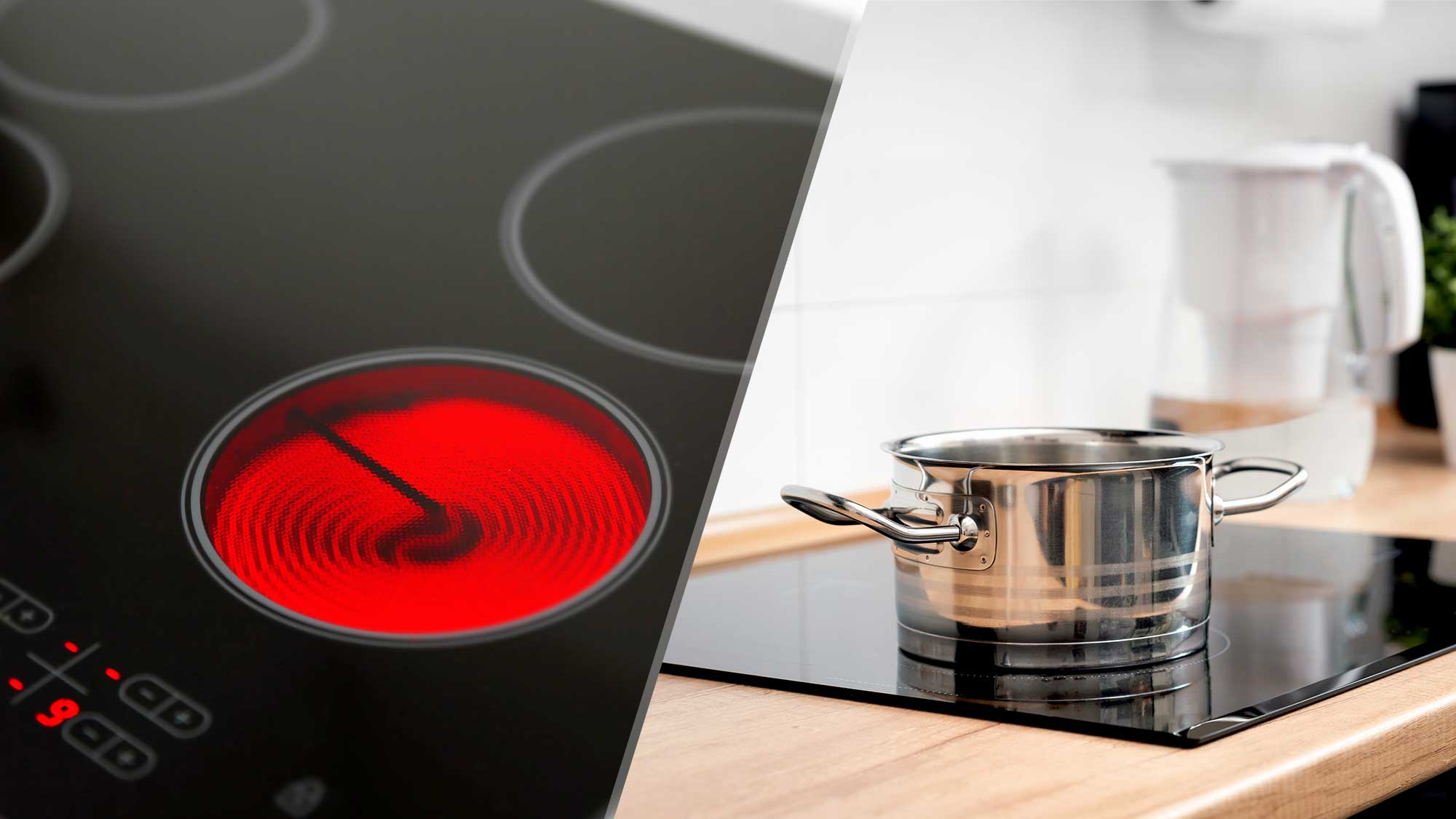
Since the cooktop itself does not get very hot, it is safer to touch. The heat comes only from the pan. This reduces the risk of burns and kitchen fires.
Credit: www.tomsguide.com
Basic Principles Behind Induction Cooking
Induction cooking uses a unique way to heat pots and pans. It does not use flames or traditional electric coils. Instead, it relies on a magnetic field to create heat directly inside the cookware.
This method makes cooking faster and more energy efficient. The cooktop surface stays cooler than other types of stoves. This helps reduce burns and keeps the kitchen safer.
How Induction Cooktops Generate Heat
Induction cooktops have copper coils under their surface. When the cooktop turns on, an electric current flows through these coils. This current creates a magnetic field above the surface.
When a pot or pan made from magnetic metal touches the surface, the magnetic field causes the metal to heat up. The heat comes from the pan itself, not the cooktop.
Role Of Magnetic Cookware
Only certain metals work with induction cooktops. Cookware must contain iron or be magnetic to heat up. Stainless steel and cast iron pots work well. Aluminum, copper, and glass pans usually do not.
You can test your pan by placing a magnet on the bottom. If the magnet sticks, the pan will work with induction cooking.
Energy Efficiency Of Induction Cooking
Induction cooktops waste less energy compared to gas or electric stoves. Heat is created inside the pan, not lost to the air. This means food cooks faster and less electricity is used.
The cooktop stays cooler, so less energy heats the kitchen. This helps keep the room temperature comfortable during cooking.
How Induction Generates Heat
Induction cooktops generate heat in a unique way compared to traditional electric or gas stoves. Instead of heating the cooktop surface directly, they use magnetic energy to heat the cookware. This method is fast, efficient, and precise. Understanding how induction generates heat helps explain why it is an electric cooking option with distinct advantages.
Role Of Electromagnetic Fields
The key to induction cooking lies in electromagnetic fields. Inside the cooktop, a coil of copper wire creates an alternating magnetic field. This field moves very quickly and changes direction many times per second. The magnetic field itself does not create heat. Instead, it causes electric currents in the cookware placed on top.
Interaction With Cookware
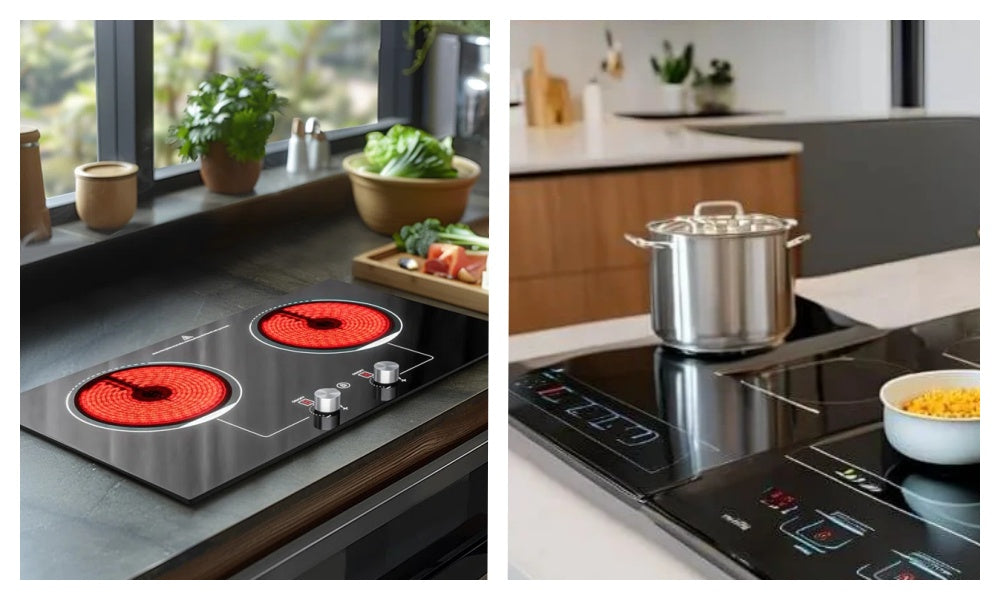
The cookware must be made of a magnetic material like cast iron or stainless steel. The magnetic field induces small electric currents called eddy currents inside the metal. These currents face resistance from the metal, which creates heat directly in the cookware. The cooktop surface stays cool, while the pot or pan heats up quickly and evenly.
Credit: www.ciarraappliances.com
Types Of Cookware Suitable For Induction
Induction cooktops work using magnetic fields. Cookware must have magnetic properties to heat up. Not all pots and pans work well on induction stoves. Choosing the right cookware ensures fast and even cooking.
Cookware made from specific metals works best. These metals respond to the induction cooktop’s magnetic field. The base of the cookware must be flat and smooth. This helps the pan make full contact with the cooktop.
Cast Iron Cookware
Cast iron pans and pots are perfect for induction. They are magnetic and heat evenly. Cast iron holds heat well, making it ideal for slow cooking. Some cast iron has rough bottoms. A smooth base works better on induction surfaces.
Stainless Steel Cookware
Stainless steel is a popular choice for induction cooking. Not all stainless steel is magnetic. Look for cookware labeled as induction-compatible. These pans heat quickly and are easy to clean. They often have a layered base for better heat distribution.
Enamel-coated Cookware
Enamel-coated cast iron or steel pots also work on induction. The enamel layer protects the metal and adds color. These pans combine the strength of cast iron with easy cleaning. The base must be magnetic for induction cooking to work.
Copper And Aluminum Cookware
Copper and aluminum do not work directly with induction. They are not magnetic metals. Cookware with a magnetic stainless steel base can be used. This type combines excellent heat conduction with induction compatibility.
Non-compatible Cookware
Glass, ceramic, and some non-magnetic metals do not work on induction. These materials do not respond to magnetic fields. They will not heat or cook food on an induction stove. Use them only on gas or electric cooktops.
Energy Efficiency Compared To Other Cooktops
Energy efficiency is a key factor when choosing a cooktop. Different types use energy in different ways. Induction cooktops use electricity but work very efficiently. They heat pots and pans directly. This reduces wasted energy. Comparing induction to other cooktops helps understand its benefits.
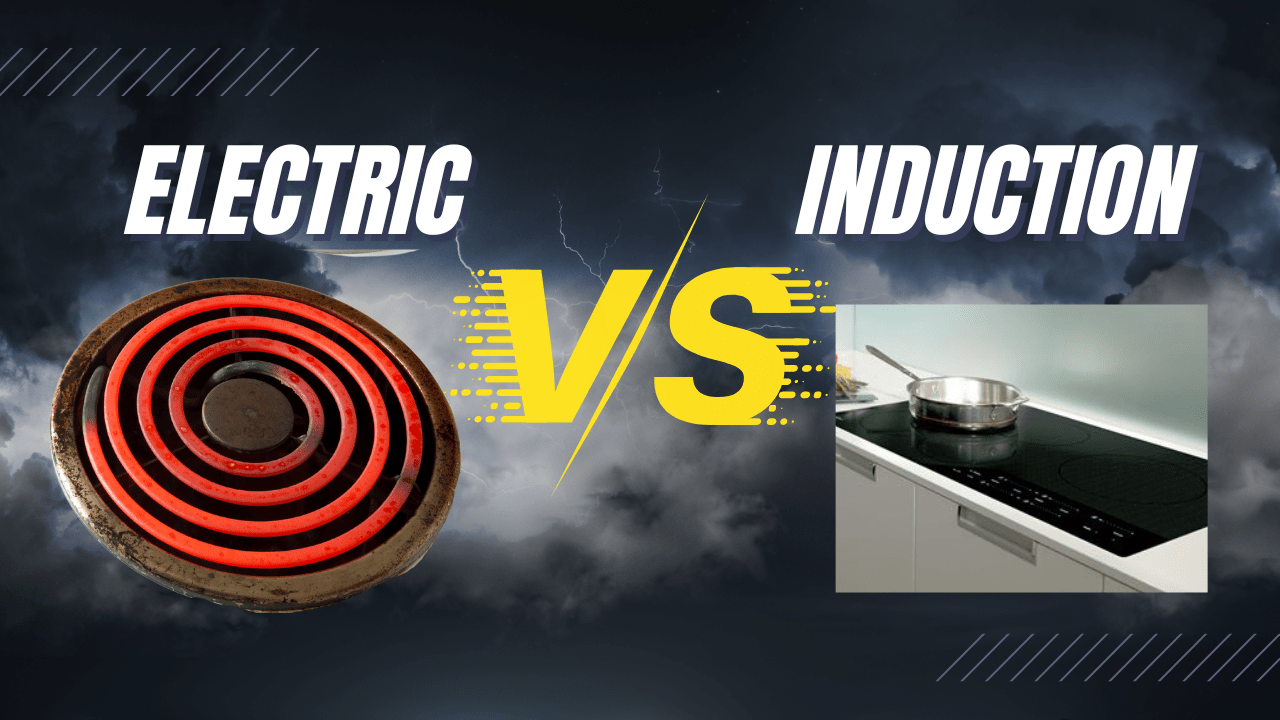
Electric coil and radiant cooktops heat the surface first. Then heat transfers to the pan. This process loses more energy as heat escapes into the air. Gas cooktops burn fuel and heat the pan with flames. Much of this heat also escapes around the pan.
Induction Cooktops Use Energy Directly
Induction cooktops create heat inside the cookware. They use magnetic fields to excite metal molecules. This method heats the pan quickly and evenly. Less heat escapes into the kitchen air. It means less wasted electricity and faster cooking times.
Electric Coil And Radiant Cooktops Waste More Energy
These cooktops heat a metal coil or glass surface. The heat then moves to the pan. Energy loss occurs as heat spreads out. The cooktop surface stays hot longer than needed. This extra heat wastes energy and raises kitchen temperature.
Gas Cooktops Lose Energy To The Air
Gas flames heat the bottom of the pan. Flames also heat the air around the pan. Many flames do not touch the pan directly. Heat escapes and wastes fuel. This makes gas cooktops less energy efficient than induction.
Energy Savings Impact Utility Bills
Induction cooktops can reduce electricity bills. Faster cooking uses less power over time. Less wasted heat means less energy is needed. Over months, this can add up to real savings. Homes with induction cooktops stay cooler too.
Safety Features Of Induction Cooktops
Induction cooktops offer several safety features that make cooking safer and easier. These features reduce the risk of burns, fires, and accidents. They help protect you and your family in the kitchen.
Induction cooktops use magnetic fields to heat pots and pans directly. The cooktop surface stays cooler than traditional stoves. This lowers the chance of burns from touching the surface.
Automatic Shut-off
Induction cooktops turn off automatically if no pot is detected. This prevents the cooktop from heating empty or with the wrong cookware. It stops accidents and saves energy.
Child Lock Function
Many induction cooktops have a child lock to block unwanted use. This feature stops children from turning on the cooktop by mistake. It keeps curious kids safe in the kitchen.
Overheat Protection
The cooktop monitors its temperature to avoid overheating. If it gets too hot, it shuts down automatically. This prevents damage to the cooktop and reduces fire risk.
Cool-to-touch Surface
Only the pan heats up, not the cooktop surface. This keeps the surface cool enough to touch safely. It lowers the chance of burns and accidents.
Spill Detection
Some induction cooktops can detect spills on the surface. They stop heating to avoid damage or electrical issues. This feature adds extra safety during cooking.
Common Myths About Induction Cooking
Many people have ideas about induction cooking that are not true. These myths cause confusion about how induction cooktops work.
Clearing up these myths helps to understand induction cooking better. It also shows why induction cooktops are a good choice for many kitchens.
Is Induction Cooking Slow?
Some think induction cooktops take a long time to heat food. Actually, induction heats pans very fast. It uses magnetic energy to warm the cookware directly. This makes cooking quicker than gas or traditional electric stoves.
Does Induction Cooking Use Radiation?
People worry about radiation from induction cooktops. Induction uses electromagnetic fields, but these are very low and safe. The energy only works when a pan is on the cooktop. It stops immediately after removing the pan.
Is Special Cookware Needed?
Many believe induction cooking requires special pots. Only cookware with magnetic bottoms works on induction. Cast iron and some stainless steel pans are fine. Non-magnetic materials like glass or copper do not work unless they have a magnetic base.
Can Induction Cooktops Cause Electric Shocks?
Some think induction cooktops cause electric shocks. This is false. Induction cooktops are safe and meet strict safety rules. They have systems to stop power if something goes wrong.
Maintenance And Cleaning Tips
Maintaining and cleaning an induction cooktop is simple and keeps it working well. Regular care helps avoid damage and keeps the surface shiny. This section shares easy tips to clean and maintain your electric induction cooktop safely.
Cleaning The Surface After Use
Wait for the cooktop to cool down before cleaning. Use a soft cloth or sponge with warm, soapy water. Gently wipe the surface to remove spills and stains. Avoid abrasive cleaners or scrubbers that can scratch the glass.
Removing Stubborn Stains
For tough stains, use a cooktop cleaner made for glass surfaces. Apply a small amount and rub gently with a soft cloth. Avoid harsh chemicals or steel wool. Rinse with a damp cloth and dry with a clean towel.
Preventing Scratches And Damage
Use cookware with smooth bottoms to avoid scratches. Lift pots and pans instead of sliding them on the cooktop. Avoid dropping heavy items on the surface. Regular cleaning also helps prevent buildup that can cause damage.
Checking And Maintaining Electrical Parts
Ensure the cooktop is unplugged before inspecting electrical parts. Clean the control panel with a dry or slightly damp cloth. Avoid water entering the ventilation areas. Schedule professional servicing if you notice unusual noises or performance issues.
Credit: sawhorse.net
Frequently Asked Questions
Is An Induction Cooktop Considered Electric?
Yes, an induction cooktop is electric. It uses electricity to generate a magnetic field. This field heats compatible cookware directly, making it an efficient electric cooking method.
How Does An Induction Cooktop Work Electrically?
An induction cooktop works by passing electric current through a coil. This creates a magnetic field that induces heat in the cookware. The cooktop surface itself stays cool during cooking.
Are All Induction Cooktops Powered By Electricity?
Yes, all induction cooktops require electricity to operate. They rely on electric energy to create the magnetic induction that heats pots and pans quickly and efficiently.
Can An Induction Cooktop Work Without Electricity?
No, an induction cooktop cannot work without electricity. It depends entirely on electric power to generate the magnetic fields needed for cooking.
Conclusion
An induction cooktop uses electricity to heat cookware directly. It works differently from traditional electric stoves. This method heats food faster and saves energy. Many homes choose induction for safety and ease. Understanding its electric nature helps in making smart kitchen choices.
Cooking with induction can be simple and efficient. This tech blends modern design with practical use. Consider your cooking style before buying one. An electric induction cooktop offers a clean and quick cooking option.

Hello, This is Annie Walker, a 38-year-old blogger, founder, and editor of Cookware Guider from NY, USA. I am a cookware fanatic and passionate cooker. I love to cook with different types of cooking appliances (example: all types of cookware, rice cookers, slow cookers, etc) almost every day in my kitchen. I love to share my experience with my readers in my blog. Also, I enjoy helping people to solve their problems through my website. You can follow me on Twitter & Pinterest. To know details about my blog please check the about us page.