
When it comes to cooking, you want to make sure your cookware is safe for you and your family. You might have heard about Blue Diamond cookware and wondered, “Is Blue Diamond cookware non toxic?”
Choosing the right pots and pans can affect the food you eat every day. If you care about your health and want to avoid harmful chemicals in your kitchen, this question is important. Keep reading, and you’ll discover the truth behind Blue Diamond cookware and whether it’s a safe choice for your home.
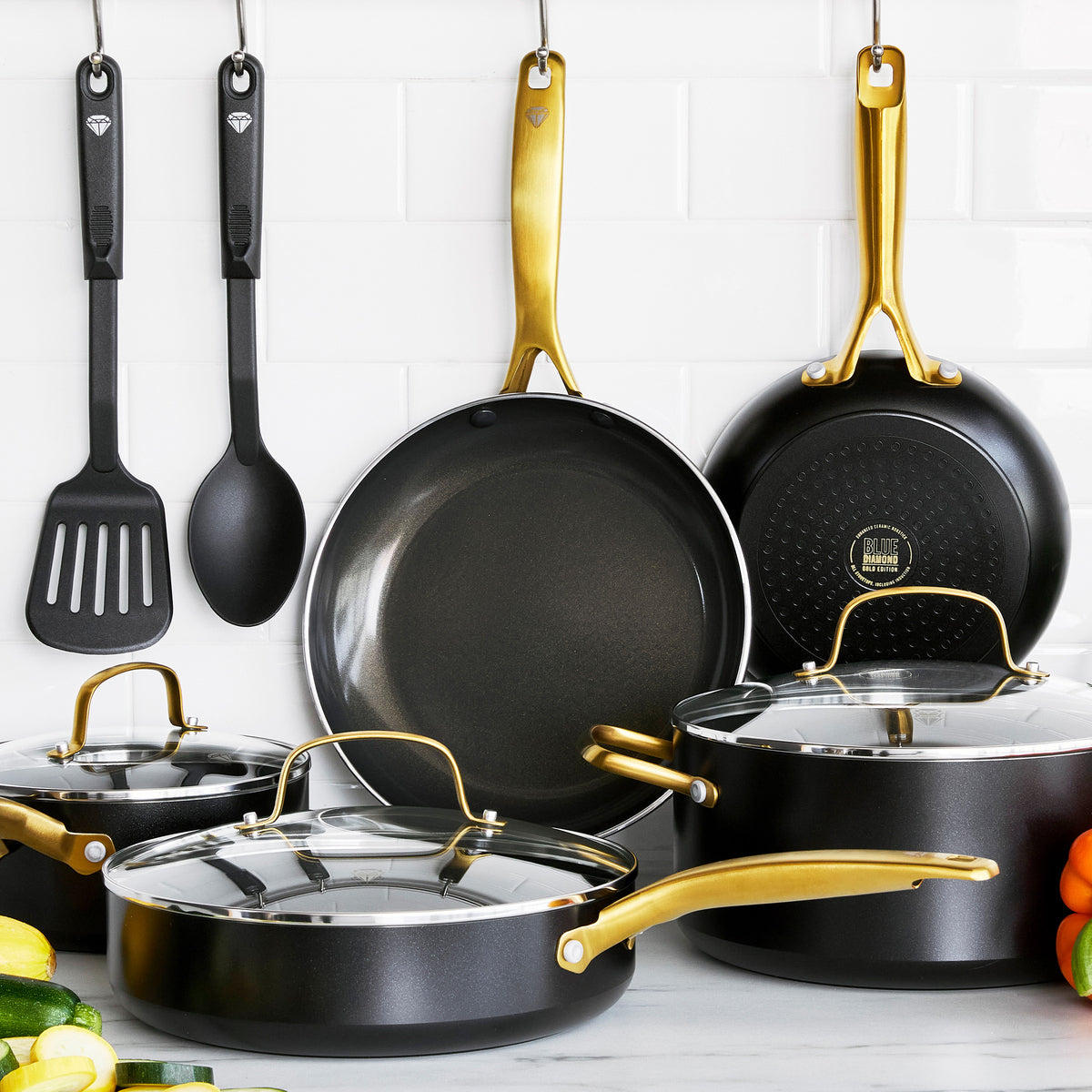
Credit: soleditalia.dk
Blue Diamond Cookware Features
Blue Diamond Cookware is popular for its non-toxic claims and unique features. Understanding its material, coating, and heat resistance helps to see if it is safe and durable. These features play a big role in cooking performance and health safety.
Material Composition
Blue Diamond Cookware is made from a combination of aluminum and diamond-infused coating. The base is heavy-gauge aluminum, which allows quick and even heat distribution. This means food cooks evenly without hot spots.
The diamond particles are embedded in the nonstick surface. Diamonds are very hard and strong, which makes the cookware more durable and scratch-resistant. This material mix gives it a longer life compared to regular nonstick pans.
- Aluminum base: Lightweight and good heat conductor
- Diamond infusion: Adds strength and durability
- Non-toxic metals: No harmful metals like lead or cadmium
Here is a quick comparison of Blue Diamond Cookware’s material versus typical nonstick pans:
| Feature | Blue Diamond Cookware | Typical Nonstick Cookware |
|---|---|---|
| Base Material | Heavy-gauge aluminum | Aluminum or stainless steel |
| Surface | Diamond-infused nonstick | PTFE-based nonstick |
| Durability | High, scratch-resistant | Moderate, prone to scratches |
| Non-toxic metals | Yes | Varies |
Nonstick Coating Details
The nonstick coating in Blue Diamond Cookware does not contain PTFE or PFOA, chemicals often linked to health concerns. It uses a ceramic-based formula enhanced with diamond particles. This creates a safe, non-toxic cooking surface.
The coating allows food to release easily, reducing the need for oil or butter. This supports healthier cooking and easier cleaning. The diamond particles also make the surface more resistant to scratches, keeping it smooth longer.
Key points about the coating:
- PFOA-free and PTFE-free to avoid harmful chemical exposure
- Ceramic-based for natural nonstick properties
- Diamond infusion for added strength and durability
- Safe for everyday cooking without toxic fumes
This coating is designed to last longer than traditional nonstick layers. Still, using wooden or silicone utensils helps maintain the surface. Avoiding metal tools prevents damage and keeps the pan healthy for cooking.
Heat Resistance
Blue Diamond Cookware handles heat well. It can safely withstand temperatures up to 850°F (454°C). This high heat resistance makes it suitable for various cooking methods, including stovetop and oven use.
The aluminum base heats quickly and spreads heat evenly, reducing the chance of burning food. The diamond-infused coating stays stable at high heat without breaking down or releasing toxins.
Heat resistance benefits include:
- Fast and even heating to cook food thoroughly
- Oven safe at high temperatures for versatile cooking
- Coating remains intact without peeling or flaking
- Safe to use without toxic fumes under normal cooking conditions
Maintaining proper heat levels is important. Using medium to medium-high heat ensures the cookware lasts longer and food cooks well. Overheating empty pans is not recommended, as it can shorten the life of the nonstick surface.
Health And Safety Claims
Blue Diamond cookware is popular for its nonstick surface and durability. Many buyers want to know if it is truly non toxic. Health and safety claims are important when choosing cookware. These claims explain whether the materials used are safe for cooking and do not release harmful substances. Understanding these claims helps users cook safely and protect their health.
Non Toxic Certification
Blue Diamond cookware often highlights its non toxic nature. This means it should not contain harmful chemicals like PFOA or PTFE. Certifications from trusted organizations back these claims. These certificates show the product passed safety tests.
- PFOA-free: Blue Diamond cookware does not use PFOA, a harmful chemical once common in nonstick coatings.
- FDA Approval: Some Blue Diamond products meet FDA standards for food safety.
- Eco-Friendly Labels: Certain models carry eco-certifications, showing fewer toxins and safer production.
Here is a simple overview of common certifications:
| Certification | Meaning | Relevance to Blue Diamond |
|---|---|---|
| PFOA-Free | No Perfluorooctanoic Acid used | Yes, Blue Diamond is PFOA-free |
| FDA Approval | Meets US food safety standards | Some models certified |
| Eco-Certified | Environmentally safer products | Available on select cookware |
Certifications ensure safer cooking and reduce worries about toxins.
Chemical Components
Blue Diamond cookware uses a ceramic-based nonstick coating. This coating contains diamond particles for strength. The coating is free from harmful chemicals found in older nonstick pans.
Key components include:
- Ceramic coating: Made from silica and other natural materials.
- Diamond particles: Added for durability and scratch resistance.
- Aluminum base: Lightweight and helps heat spread evenly.
This makeup avoids chemicals like:
- Perfluorooctanoic acid (PFOA)
- Polytetrafluoroethylene (PTFE)
- Lead and cadmium
Because of this, Blue Diamond pans are less likely to release harmful fumes or substances during cooking.
Below is a comparison table of Blue Diamond vs traditional nonstick cookware:
| Feature | Blue Diamond Cookware | Traditional Nonstick Cookware |
|---|---|---|
| Coating Material | Ceramic with diamond particles | PTFE-based |
| PFOA | None | May contain |
| Durability | High | Moderate |
| Heat Resistance | Up to 850°F (454°C) | Up to 500°F (260°C) |
Potential Health Risks
Though Blue Diamond cookware claims to be non toxic, some risks still exist. Cooking at very high temperatures may damage the coating. Damaged coatings can release particles or chemicals.
Potential risks include:
- Inhalation of fumes if overheated beyond temperature limits
- Swallowing small flakes if coating peels
- Allergic reactions in sensitive individuals
Following care tips reduces risks:
- Do not heat empty pan on high heat
- Use wooden or silicone utensils to avoid scratching
- Hand wash gently; avoid abrasive cleaners
- Replace cookware if coating shows wear or peeling
Testing by third parties shows low risk if used properly. Still, users should monitor the condition of their pans.
Awareness and proper use help keep cooking safe and healthy with Blue Diamond cookware.
Comparison With Other Cookware
Choosing cookware that is safe and non toxic is important for healthy cooking. Blue Diamond cookware claims to offer a non toxic alternative with its ceramic-infused coating. Comparing Blue Diamond with other common cookware types helps understand its safety and performance better. This comparison covers traditional nonstick pans, ceramic cookware, and stainless steel options. Each type has different materials and health impacts. Knowing these can guide smart kitchen choices.
Traditional Nonstick Pans
Traditional nonstick pans usually have a coating made from polytetrafluoroethylene (PTFE), often known by the brand name Teflon. These pans are popular because food does not stick and cleaning is easy. But concerns exist about their safety. When overheated, PTFE coatings can release harmful fumes. This risk makes some people question their use.
Key points about traditional nonstick pans:
- Coated with PTFE for nonstick surface.
- Can release toxic fumes if heated above 500°F (260°C).
- May contain perfluorooctanoic acid (PFOA) in older models, a chemical linked to health risks.
- Durability varies; coatings may scratch or peel over time.
Compared to Blue Diamond cookware, traditional nonstick pans may pose higher health risks if misused. Blue Diamond uses a ceramic-based coating infused with diamonds, which aims to be free of PTFE and PFOA. This can reduce chemical exposure concerns. Still, proper use and avoiding overheating is important for all cookware.
Ceramic Cookware
Ceramic cookware is made from natural materials and coated with a silica-based layer. This type of cookware is often praised for being non toxic and eco-friendly. It does not use synthetic chemicals like PTFE or PFOA. Ceramic coatings provide a smooth cooking surface and resist scratching better than traditional nonstick coatings.
Benefits of ceramic cookware:
- Non toxic and free from harmful chemicals.
- Heat resistant up to high temperatures without releasing fumes.
- Good for low to medium heat cooking.
- Usually requires less oil for cooking.
Blue Diamond cookware fits in this category but adds diamond particles to the ceramic coating. Diamonds increase the coating’s strength and heat conduction. This makes Blue Diamond pans more durable and efficient than standard ceramic pans. Both types remain good options for people avoiding chemical-based coatings.
Stainless Steel Options
Stainless steel cookware is well known for its durability and safety. It contains no coatings that can wear off or release chemicals. It does not react with food, which keeps meals pure and free from metal taste. Stainless steel pans tolerate high heat well, making them suitable for searing and browning.
Advantages of stainless steel cookware:
- Highly durable and long lasting.
- Non reactive with acidic or alkaline foods.
- Safe at any cooking temperature.
- Easy to maintain with proper cleaning.
On the downside, stainless steel pans can be sticky without added oil. Blue Diamond cookware offers nonstick convenience with its coated surface, making cooking and cleaning easier. But stainless steel remains a top choice for those prioritizing pure materials without coatings.
| Cookware Type | Non Toxic | Durability | Heat Resistance | Ease of Cleaning |
|---|---|---|---|---|
| Traditional Nonstick (PTFE) | Moderate (risk if overheated) | Moderate (coating can wear) | Up to 500°F (260°C) | Very Easy |
| Ceramic (including Blue Diamond) | High (no PTFE/PFOA) | Good (diamond infusion improves) | High (above 600°F) | Easy |
| Stainless Steel | Very High (no coating) | Very High | Very High (any temperature) | Moderate |
User Experiences
Users of Blue Diamond Cookware often share their experiences regarding its safety and performance. Many focus on whether this cookware is truly non-toxic, as health concerns around kitchen products grow. By examining user feedback, expert views, and long-term effects, a clearer picture emerges about the cookware’s safety. These insights help people decide if Blue Diamond Cookware fits their health and cooking needs.
Customer Reviews
Many customers praise Blue Diamond Cookware for its non-stick surface and ease of cleaning. They often mention feeling confident that the cookware does not release harmful chemicals during cooking. Some common points from user reviews include:
- Non-toxic claims: Buyers say the cookware does not emit fumes or odors when heated.
- Durability: Users report that the non-stick coating stays intact after months of use.
- Health safety: Customers like that the cookware is free from PFOA and PTFE, chemicals linked to health risks.
- Cooking performance: Many find it heats evenly and reduces the need for oils or fats.
Below is a summary of typical customer feedback:
| Aspect | Positive Feedback | Negative Feedback |
|---|---|---|
| Non-Toxic Nature | Most users felt safe cooking without chemicals | A few worried about coating wear over time |
| Durability | Lasts well with proper care | Some noticed peeling after heavy use |
| Cooking Quality | Good heat distribution and food release | Occasional reports of uneven heating |
Expert Opinions
Experts in cookware materials often review Blue Diamond Cookware for safety and health impact. They analyze the ingredients and coating technologies used. Many highlight the following points:
- Non-toxic coatings: The ceramic and diamond-infused coating is free from harmful chemicals like PFOA and PTFE.
- Heat resistance: The surface withstands high temperatures without breaking down or releasing toxins.
- FDA compliance: The materials meet food safety standards in multiple countries.
- Potential concerns: Experts remind users to avoid metal utensils that may damage the coating and cause potential exposure.
Here is a quick overview of expert evaluations:
| Factor | Expert View | Advice |
|---|---|---|
| Chemical Safety | Ceramic and diamond coatings lack toxic chemicals | Good for healthy cooking if used properly |
| Durability | Coating is strong but can chip if abused | Use silicone or wooden utensils only |
| Food Safety | FDA approved materials ensure safety | Follow manufacturer’s care instructions |
Long-term Use Effects
Long-term users of Blue Diamond Cookware report mixed but mostly positive effects on health and cookware condition. Some key findings include:
- Coating wear: After 1-2 years, some users notice slight wear or scratching but no health complaints.
- Maintained non-toxicity: No reports of toxic fumes or illness related to cookware use over time.
- Cookware lifespan: Proper care extends the life, keeping it safe and effective.
- Health impact: Users with sensitive health conditions feel safer compared to traditional non-stick pans.
Common practices that help maintain safety and durability:
- Clean with non-abrasive sponges.
- Avoid high heat settings over long periods.
- Use wooden or silicone utensils to prevent scratches.
- Store carefully to avoid chipping.
Overall, the cookware appears safe for long-term use when cared for properly.
Maintenance And Care Tips
Blue Diamond cookware is popular for its non-toxic ceramic coating, making it a safer choice for cooking. Proper maintenance and care keep this cookware in top shape and preserve its non-toxic qualities. Following simple steps helps avoid damage and extends the cookware’s life.
Cleaning Guidelines
Cleaning Blue Diamond cookware correctly prevents scratches and maintains its non-stick surface. Use warm water and mild dish soap for washing. Avoid harsh chemicals and abrasive scrubbers that can wear down the ceramic coating.
- Let the cookware cool before washing. Sudden temperature changes can cause warping.
- Use a soft sponge or cloth to clean the surface gently.
- For stuck food, soak the pan in warm soapy water for 10-15 minutes before scrubbing.
- Rinse thoroughly and dry with a soft towel to avoid water spots.
Below is a table showing what to use and what to avoid when cleaning Blue Diamond cookware:
| Recommended | Not Recommended |
|---|---|
| Soft sponges or cloths | Steel wool or metal scrubbers |
| Mild dish soap | Harsh chemicals and bleach |
| Warm water | Extremely hot water immediately after cooking |
Avoiding Damage
Protect Blue Diamond cookware by following simple habits that prevent damage to its ceramic surface. Avoid using metal utensils that can scratch or chip the coating. Instead, choose wooden, silicone, or plastic tools.
- Do not overheat empty pans; ceramic coatings can degrade at very high temperatures.
- Avoid stacking cookware without protection to prevent scratches. Use soft cloths or pan protectors between pieces.
- Do not use cooking sprays, which can leave residue and reduce non-stick performance.
- Keep cookware away from direct flame if it is not designed for that use.
Following these tips ensures the cookware remains safe and non-toxic by preserving its ceramic coating integrity.
Extending Cookware Life
Extending the life of Blue Diamond cookware requires consistent care and mindful use. Store cookware properly in a dry place to prevent rust on handles or lids. Avoid leaving food in the cookware for long periods.
- Season the cookware lightly with cooking oil before first use to enhance the non-stick surface.
- Use low to medium heat settings to protect the coating and save energy.
- Hand wash instead of using the dishwasher to avoid harsh detergents and high heat.
- Inspect the cookware regularly for chips or cracks and stop using if damage appears to avoid health risks.
Small efforts add up. Caring for cookware well keeps it safe, non-toxic, and working longer.
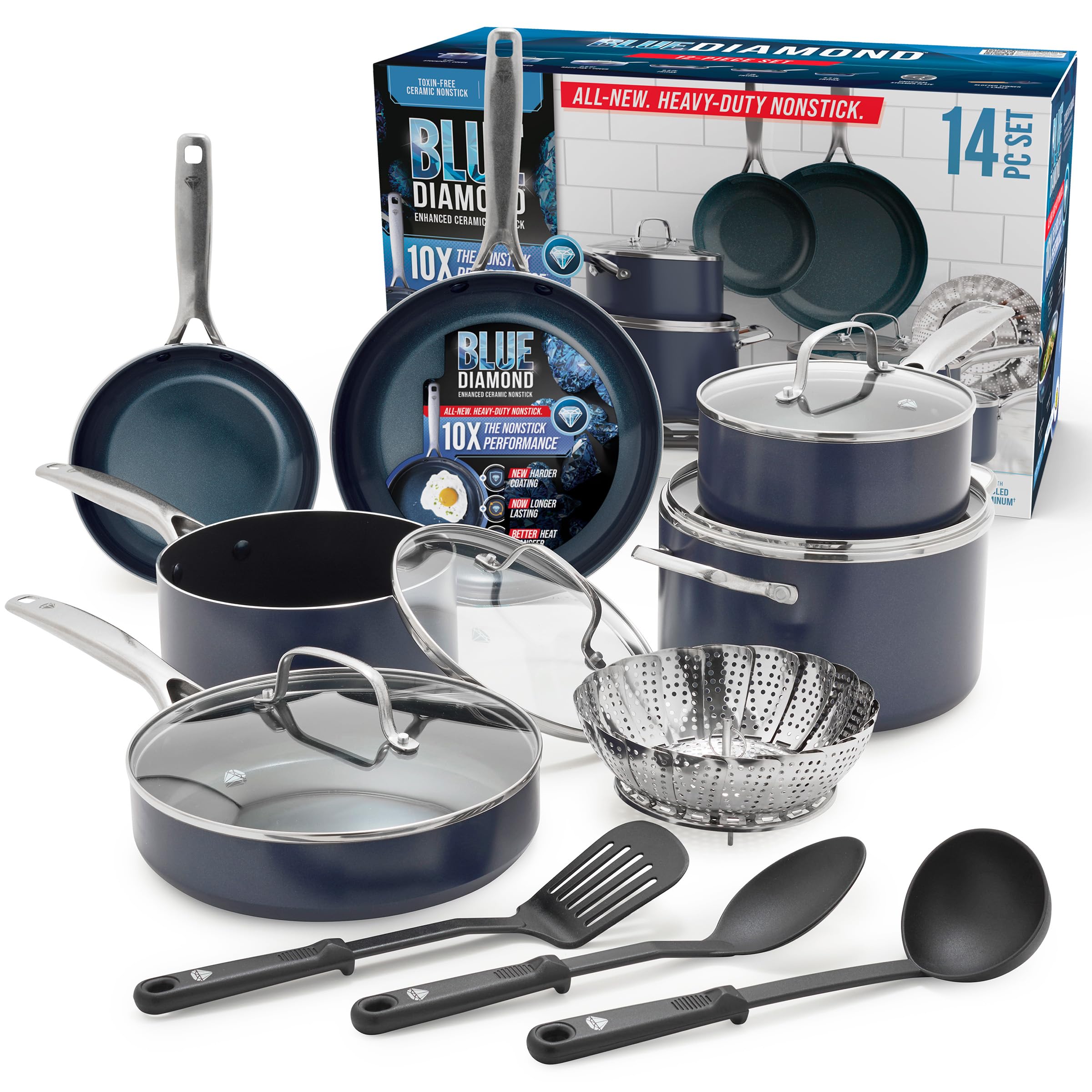
Credit: www.amazon.com

Credit: www.reddit.com
Frequently Asked Questions
Is Blue Diamond Cookware Free From Harmful Chemicals?
Yes, Blue Diamond Cookware is free from harmful chemicals like PFOA, PFAS, lead, and cadmium. It uses a ceramic-based nonstick coating, making it a safer and non-toxic option for cooking.
How Safe Is Blue Diamond Cookware For Everyday Cooking?
Blue Diamond Cookware is safe for daily use. Its nonstick surface prevents food from sticking without toxic fumes, ensuring healthier meals and safer cooking experiences.
Does Blue Diamond Cookware Release Toxins When Heated?
No, Blue Diamond Cookware does not release toxins when heated. It uses a ceramic nonstick coating that remains stable at high temperatures, making it a non-toxic cookware choice.
What Materials Make Blue Diamond Cookware Non-toxic?
Blue Diamond Cookware uses a ceramic titanium-infused coating without PTFE or PFOA. This combination ensures durability and a non-toxic cooking surface, promoting safer food preparation.
Conclusion
Blue Diamond Cookware uses materials that are generally safe for cooking. It does not contain harmful chemicals like PFOA or PTFE. This makes it a good choice for those who want non-toxic options. Still, always check product details to be sure.
Proper care keeps the cookware safe and long-lasting. Choosing safe cookware helps protect your health every day. Blue Diamond offers a balance of safety and performance in the kitchen. A smart pick for worry-free cooking.

Hello, This is Annie Walker, a 38-year-old blogger, founder, and editor of Cookware Guider from NY, USA. I am a cookware fanatic and passionate cooker. I love to cook with different types of cooking appliances (example: all types of cookware, rice cookers, slow cookers, etc) almost every day in my kitchen. I love to share my experience with my readers in my blog. Also, I enjoy helping people to solve their problems through my website. You can follow me on Twitter & Pinterest. To know details about my blog please check the about us page.