
Are you wondering if cast aluminum cookware is the right choice for your kitchen? Choosing the best pots and pans can feel overwhelming, especially with so many options out there.
Cast aluminum cookware promises quick heating and durability, but is it really good for your cooking needs? You’ll discover the true benefits and drawbacks of cast aluminum cookware. By the end, you’ll know exactly whether it fits your style and helps you create delicious meals with ease.
Keep reading to make an informed decision that your kitchen will thank you for.

Credit: www.zavoramerica.com
Benefits Of Cast Aluminum Cookware
Cast aluminum cookware offers many benefits that suit everyday cooking needs. It combines the strength of metal with the ease of use that many cooks want. This type of cookware heats food quickly and evenly, making meal prep faster and more efficient. Plus, it is designed to last for years with proper care.
Choosing cast aluminum cookware means investing in pots and pans that are practical and reliable. The following sections explain its main benefits in detail.
Lightweight And Easy To Handle
One of the biggest advantages of cast aluminum cookware is its lightweight nature. Unlike cast iron or stainless steel, cast aluminum pans weigh much less. This makes them easier to lift, move, and clean.
Benefits of lightweight cookware include:
- Less strain on wrists and arms during cooking and cleaning.
- Better control when stirring or flipping food.
- Easy to store and carry, especially for people with limited strength.
Here is a simple comparison of the weight of common cookware types:
| Cookware Material | Average Weight (10-inch pan) |
|---|---|
| Cast Aluminum | 1.5 – 2.0 lbs |
| Cast Iron | 5.0 – 6.0 lbs |
| Stainless Steel | 3.0 – 4.0 lbs |
Because cast aluminum is so light, it suits people who cook daily and want less hassle lifting heavy pans. It also helps avoid accidents caused by dropping heavy cookware.
Excellent Heat Conductivity
Cast aluminum is known for its outstanding heat conductivity. This means the material heats up quickly and spreads heat evenly across the cooking surface.
Advantages of excellent heat conductivity include:
- Food cooks faster, saving energy and time.
- Heat is distributed evenly, preventing hot spots.
- Better control over cooking temperature.
Here is a quick comparison of thermal conductivity (measured in W/m·K) for common cookware materials:
| Material | Thermal Conductivity (W/m·K) |
|---|---|
| Cast Aluminum | 120 – 170 |
| Cast Iron | 55 – 80 |
| Stainless Steel | 15 – 25 |
Because of this property, cast aluminum pans respond quickly to changes in heat. This helps prevent burning or undercooking food. It also makes the cookware ideal for recipes needing precise temperature control.
Durability And Longevity
Cast aluminum cookware offers great durability and can last many years with proper care. The metal resists cracking and warping better than some other materials.
Key points about cast aluminum durability:
- Resistant to rust and corrosion, unlike cast iron.
- Often coated with non-stick or hard-anodized finishes to increase lifespan.
- Can handle high heat without damage.
- Less prone to dents or scratches compared to thinner metals.
To keep cast aluminum cookware in top shape, follow these tips:
- Use non-metal utensils to avoid scratching the surface.
- Hand wash with mild soap and avoid harsh scrubbers.
- Store carefully to prevent dents.
Many users report cast aluminum pans lasting over 5 to 10 years. The combination of durability and performance makes this cookware a smart choice for daily use.
Potential Drawbacks
Cast aluminum cookware offers many benefits like lightweight handling and fast heating. Yet, it has some potential drawbacks that buyers should know. These issues can affect cooking results and the cookware’s lifespan. Understanding these downsides helps in making the right choice for your kitchen needs.
Reactivity With Acidic Foods
Cast aluminum is a reactive metal, meaning it can interact with acidic foods such as tomatoes, vinegar, and citrus. This reaction can cause:
- Metallic taste: Acidic foods might take on a metallic flavor.
- Discoloration: The cookware surface may darken or change color.
- Potential health concerns: Small amounts of aluminum could leach into food.
Many manufacturers coat cast aluminum with a non-stick or anodized layer to reduce this reactivity. Without this layer, cooking acidic dishes for long periods is not ideal.
| Food Type | Effect on Cast Aluminum | Recommended Use |
|---|---|---|
| Tomato-based sauces | May cause metallic taste and discoloration | Avoid prolonged cooking or use coated cookware |
| Citrus juices | Can react and damage surface | Limit contact time |
| Vinegar | Increases metal leaching risk | Use non-reactive alternatives |
For frequent acidic cooking, consider anodized or coated cast aluminum options to prevent issues.
Scratch And Dent Susceptibility
Cast aluminum is softer than other metals like stainless steel or cast iron. This softness means it can scratch or dent more easily during use. Common causes include:
- Using metal utensils
- Stacking cookware without protection
- Accidental drops or impacts
Scratches can damage the cookware’s protective surface, exposing bare aluminum. Dents may affect heat distribution and cooking performance.
Tips to avoid damage:
- Use wooden, silicone, or plastic utensils
- Place soft liners between stacked pans
- Handle cookware gently to prevent drops
Below is a comparison of cast aluminum’s hardness against other common materials:
| Material | Hardness Level (Mohs Scale) | Scratch/Dent Resistance |
|---|---|---|
| Cast Aluminum | 2.5 – 3 | Low |
| Stainless Steel | 5.5 – 6.3 | High |
| Cast Iron | 4 – 5 | Medium |
Maintenance And Care Requirements
Cast aluminum cookware needs special care to keep it in good condition. Poor maintenance can shorten its lifespan or affect cooking quality.
Key care tips include:
- Hand wash only: Avoid dishwashers which can damage coatings.
- Mild detergents: Use gentle soaps to protect surfaces.
- Dry immediately: Prevent water spots and oxidation.
- Avoid high heat: Too much heat can warp the cookware.
- Re-season if needed: Some cast aluminum pans require occasional seasoning.
Ignoring these steps can cause:
- Peeling or flaking of non-stick coatings
- Warping or discoloration
- Increased reactivity with food
Use this simple cleaning code to keep your cookware safe:
1. Rinse with warm water immediately after use. 2. Apply mild detergent and use a soft sponge. 3. Avoid abrasive scrubbers or steel wool. 4. Rinse thoroughly and dry with a soft cloth. 5. Store in a dry place.Proper care ensures your cast aluminum cookware lasts longer and stays safe for cooking.
Comparison With Other Cookware Materials
Choosing the right cookware affects cooking results and kitchen experience. Cast aluminum cookware stands out for its unique features. Comparing it with other popular materials helps understand its strengths and weaknesses. This comparison focuses on cast iron, stainless steel, and nonstick cookware, revealing how cast aluminum performs in heat conduction, weight, durability, and maintenance.
Cast Aluminum Vs. Cast Iron
Cast aluminum is much lighter than cast iron, making it easier to handle during cooking. It heats up quickly and distributes heat evenly, which helps prevent hot spots. Cast iron takes longer to heat but retains heat for a long time, ideal for slow cooking and searing.
- Weight: Cast aluminum is lightweight; cast iron is heavy.
- Heat conduction: Aluminum heats faster; cast iron holds heat longer.
- Durability: Cast iron is very durable and can last decades.
- Maintenance: Cast iron requires seasoning; aluminum needs gentle cleaning.
| Feature | Cast Aluminum | Cast Iron |
|---|---|---|
| Weight | Light | Heavy |
| Heating Speed | Fast | Slow |
| Heat Retention | Moderate | Excellent |
| Maintenance | Easy to clean | Requires seasoning |
| Durability | Good | Very high |
Cast aluminum suits quick meals and frequent use without strain. Cast iron excels for recipes needing steady, high heat over time.
Cast Aluminum Vs. Stainless Steel
Stainless steel is popular for its strength and resistance to rust and stains. It does not conduct heat well, so many pans have an aluminum or copper core inside. Cast aluminum offers better heat conduction by itself, making cooking more even.
- Heat distribution: Cast aluminum heats evenly; stainless steel may have hot spots without a core.
- Weight: Aluminum is lighter than stainless steel.
- Durability: Stainless steel resists scratches and dents better.
- Maintenance: Both are dishwasher safe, but aluminum may discolor over time.
| Feature | Cast Aluminum | Stainless Steel |
|---|---|---|
| Weight | Light | Medium to heavy |
| Heat Conduction | Excellent | Poor without core |
| Durability | Good | Very good |
| Maintenance | Hand wash preferred | Dishwasher safe |
| Reactivity | Can react with acidic food | Non-reactive |
Cast aluminum provides fast, even cooking but may react with acidic foods. Stainless steel offers durability and is safe with all foods but may cook unevenly without a core.
Cast Aluminum Vs. Nonstick Options
Nonstick pans often have an aluminum base with a coating to prevent food from sticking. Cast aluminum cookware may come with or without a nonstick surface. Bare cast aluminum is good for searing but can stick more than coated pans.
- Food release: Nonstick pans excel at easy release and cleaning.
- Durability: Nonstick coatings can wear off; cast aluminum without coating lasts longer.
- Heat tolerance: Cast aluminum can handle higher heat than many nonstick pans.
- Care: Nonstick pans need gentle utensils; cast aluminum can tolerate metal tools better.
| Feature | Cast Aluminum (No Coating) | Nonstick Cookware |
|---|---|---|
| Food Release | Moderate | Excellent |
| Durability | High | Lower, coating may wear |
| Heat Resistance | High | Low to moderate |
| Cleaning | Requires more effort | Easy |
| Utensil Use | Metal safe | Use only soft utensils |
Cast aluminum without coating suits high-heat cooking and metal utensils. Nonstick pans are easier to clean and better for delicate foods but need careful handling.
Types Of Cast Aluminum Cookware
Cast aluminum cookware offers a variety of options suited for different cooking needs. Understanding the types of cast aluminum cookware helps in choosing the right set for your kitchen. The main categories include anodized aluminum, non-anodized aluminum, and the choice between coated and uncoated surfaces. Each type has distinct features that affect durability, heat conduction, and maintenance.
Anodized Aluminum
Anodized aluminum cookware undergoes an electrochemical process that hardens the surface. This process creates a layer of oxide that makes the cookware stronger and more resistant to scratches and corrosion.
Benefits of anodized aluminum cookware include:
- Durability: The surface is harder than regular aluminum, lasting longer.
- Non-reactive surface: It does not react with acidic or alkaline foods.
- Even heat distribution: Cooks food uniformly without hot spots.
- Easy maintenance: Resists stains and is simple to clean.
Below is a comparison table highlighting key traits of anodized aluminum:
| Feature | Benefit |
|---|---|
| Hardness | Stronger and more scratch-resistant than plain aluminum |
| Reactivity | Non-reactive with acidic foods like tomatoes or citrus |
| Weight | Lightweight for easy handling |
| Maintenance | Simple to clean; dishwasher safe in many cases |
Its resistance to wear makes anodized aluminum a popular choice among home cooks and professionals.
Non-anodized Aluminum
Non-anodized aluminum cookware is the raw form of cast aluminum without any surface treatment. It is lighter and often less expensive than anodized cookware.
Characteristics of non-anodized aluminum cookware include:
- High heat conduction: Heats up quickly and evenly.
- Reactivity: Can react with acidic or salty foods, causing discoloration and slight metallic taste.
- Prone to scratches: The surface is softer and can wear down faster.
- Requires seasoning or coating: Often needs a protective layer to prevent food from sticking.
Non-anodized aluminum suits cooks who want fast heating but are ready to handle extra care. It works well for tasks like boiling or steaming.
| Feature | Details |
|---|---|
| Heat Conductivity | Excellent, cooks food quickly |
| Surface | Soft, scratches easily |
| Food Reaction | Can react with acidic ingredients |
| Care | Needs seasoning or coating for non-stick use |
Coated Vs. Uncoated Surfaces
Cast aluminum cookware comes with either coated or uncoated surfaces. This choice impacts cooking style, cleaning, and longevity.
Coated surfaces often use non-stick materials like PTFE or ceramic. Benefits include:
- Easy food release
- Less oil needed for cooking
- Simple cleaning process
Drawbacks of coated cookware:
- Coating can wear off over time
- Requires gentle utensils to avoid scratches
- Not suitable for high heat cooking
Uncoated surfaces have no added layer, relying on the raw or anodized aluminum. Advantages include:
- Better for high-heat cooking
- More durable without coating wear
- Often compatible with metal utensils
Challenges of uncoated cookware:
- Food may stick without oil or seasoning
- Cleaning can be harder
| Aspect | Coated | Uncoated |
|---|---|---|
| Food Stickiness | Low | Higher, needs oil or seasoning |
| Durability | Coating may wear off | Long-lasting surface |
| Cleaning | Easy | Requires more effort |
| Heat Resistance | Limited high heat use | Good for high heat cooking |
Choosing between coated or uncoated depends on cooking habits and how much care the cookware will receive.
Choosing The Right Cast Aluminum Cookware
Choosing the right cast aluminum cookware is essential for a satisfying cooking experience. Cast aluminum offers excellent heat conduction and is lighter than cast iron, making it popular among home cooks. Yet, not all cast aluminum cookware is the same. Selecting the right set depends on your cooking style, the quality of materials, and budget. Understanding these factors helps pick cookware that lasts and performs well in your kitchen.
Assessing Your Cooking Needs
Before buying cast aluminum cookware, think about your cooking habits and preferences. Different dishes and cooking methods require specific types of cookware. Ask yourself:
- What meals do I cook most often? For example, frying, sautéing, or slow cooking.
- How many people do I cook for? Large families need bigger pots and pans.
- Do I prefer lightweight or heavy cookware? Cast aluminum is light, but some pieces may be heavier depending on thickness.
- Do I need non-stick surfaces? Many cast aluminum pans come with non-stick coatings.
Match your cookware to your kitchen routine. For instance, a small skillet suits quick breakfasts, while a deep pot is better for soups and stews.
| Cooking Style | Recommended Cast Aluminum Cookware |
|---|---|
| Frying & Sautéing | Shallow pans with non-stick coating |
| Boiling & Simmering | Deep pots with lids |
| Baking | Oven-safe cast aluminum pans |
| Grilling & Roasting | Heavy-duty pans with sturdy handles |
Checking Build Quality
Quality matters in cast aluminum cookware. A well-built pan heats evenly and lasts for years. Check these factors:
- Thickness: Thicker pans distribute heat better and resist warping.
- Coating: Look for durable non-stick coatings free from harmful chemicals.
- Handles: Secure, heat-resistant handles add safety and comfort.
- Lids: Tight-fitting lids help retain moisture during cooking.
Inspect cookware for any visible defects like rough edges or uneven surfaces. Cast aluminum should feel solid but not too heavy. Avoid pans with flimsy or loose parts.
Here is a quick checklist for build quality:
- Even thickness around pan base and sides
- Smooth, well-applied non-stick coating
- Sturdy rivets or welded handles
- Oven-safe labels if you want multi-use pans
Price And Brand Considerations
Price often reflects quality, but expensive does not always mean best. Balance your budget with the features you need. Some trusted brands specialize in cast aluminum cookware and offer warranties.
Compare brands based on:
- Customer reviews: Real user feedback shows product reliability.
- Warranty: Longer warranties signal confidence in product durability.
- Availability of replacement parts: Extra handles or lids.
- Return policy: Easy returns reduce buying risk.
| Price Range | What to Expect | Brand Examples |
|---|---|---|
| Low ($20 – $50) | Basic models, lighter coatings, limited warranty | Generic, budget brands |
| Mid ($50 – $100) | Better coatings, thicker bases, some warranties | Calphalon, T-fal |
| High ($100+) | Premium coatings, full warranties, quality handles | All-Clad, Anolon |
Choose a brand with positive reviews and a warranty that fits your needs. Spending a bit more often saves money over time through durability and better cooking results.
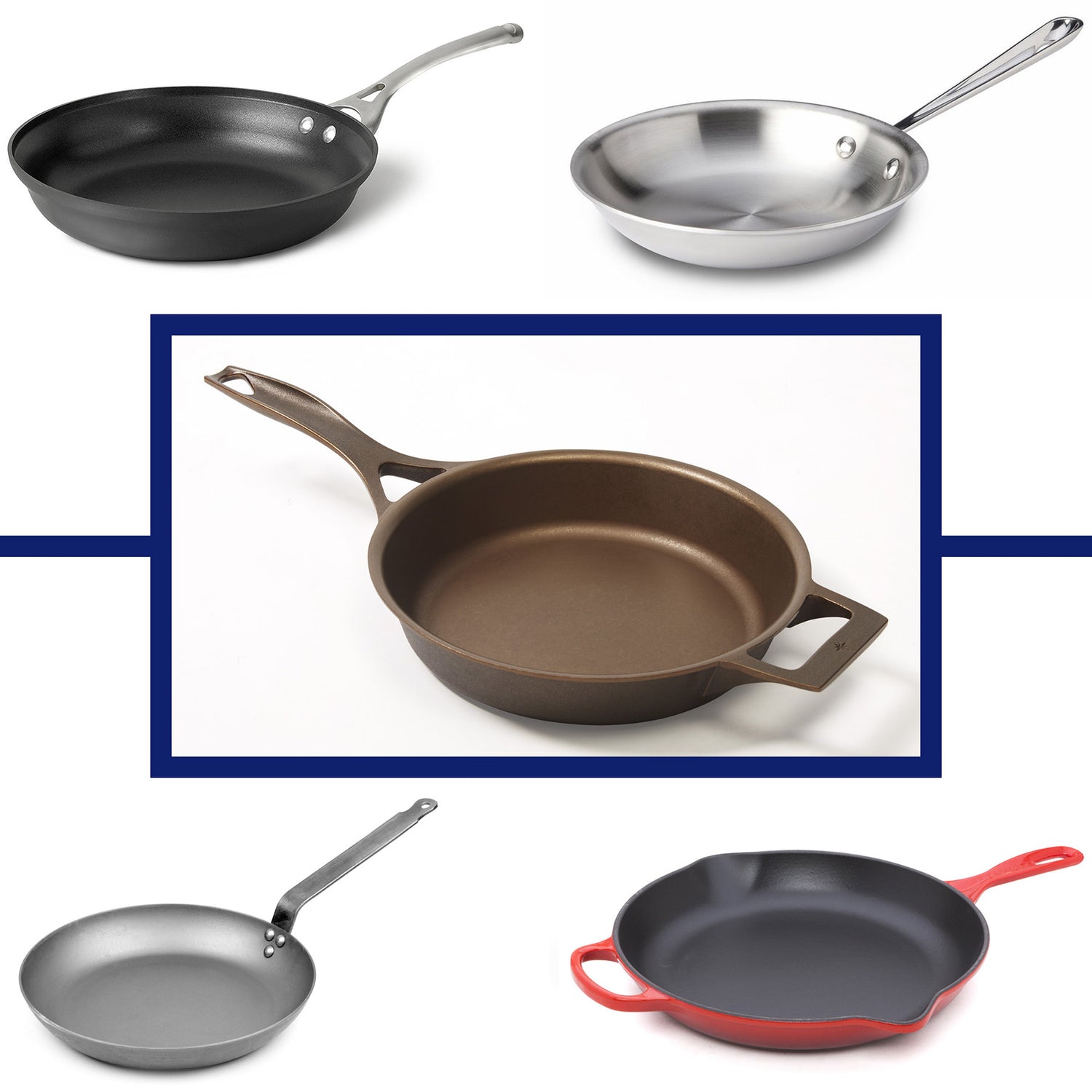
Credit: stargazercastiron.com
Care Tips For Cast Aluminum Cookware
Caring for cast aluminum cookware helps it last longer and perform well. Proper care keeps the surface smooth and prevents damage. Simple habits make a big difference in maintaining your cookware’s quality. Follow these care tips to keep your cast aluminum pots and pans in great shape.
Cleaning Techniques
Cleaning cast aluminum cookware requires gentle methods to protect the surface. Avoid harsh scrubbing or strong chemicals that can scratch or discolor the metal. Use warm water and mild dish soap for regular cleaning. Let the cookware cool before washing to prevent warping.
- Use a soft sponge or cloth: Avoid steel wool or abrasive pads.
- Hand wash only: Dishwashers can be too harsh and damage the finish.
- Remove stuck food with soaking: Soak the cookware in warm, soapy water for 15-30 minutes before gently scrubbing.
For tough stains or discoloration, try this natural cleaning mix:
1 part white vinegar + 3 parts waterBoil the mixture in the cookware for 5 minutes, then let it cool and wash normally. This helps remove residue without damaging the aluminum. Dry the cookware immediately with a soft towel to prevent water spots.
Avoiding Warping And Damage
Cast aluminum is lightweight but can warp under sudden temperature changes. Prevent warping by heating the cookware gradually. Avoid placing hot pans on cold surfaces or adding cold liquids to hot pans.
- Heat slowly: Use medium or low heat settings.
- Do not overheat: High heat may damage the cookware’s surface.
- Use proper utensils: Wooden, silicone, or plastic tools prevent scratching.
- Handle with care: Avoid dropping or banging to prevent dents and cracks.
Check the cookware’s base regularly. If you notice warping, avoid using it on the stove. Warped pans heat unevenly and can affect cooking results.
Storage Recommendations
Proper storage protects cast aluminum cookware from scratches and corrosion. Store pans with care to avoid damage from stacking. Use pan protectors or soft cloth between items.
| Storage Tip | Why It Helps |
|---|---|
| Use pan separators or cloth layers | Prevents scratching and surface wear |
| Store in a dry place | Prevents moisture buildup and corrosion |
| Hang pans by handles | Reduces stacking pressure and dents |
Keep lids and cookware separate if stacking is necessary. Make sure everything is clean and dry before storing. This simple step keeps your cast aluminum cookware safe and ready for the next meal.
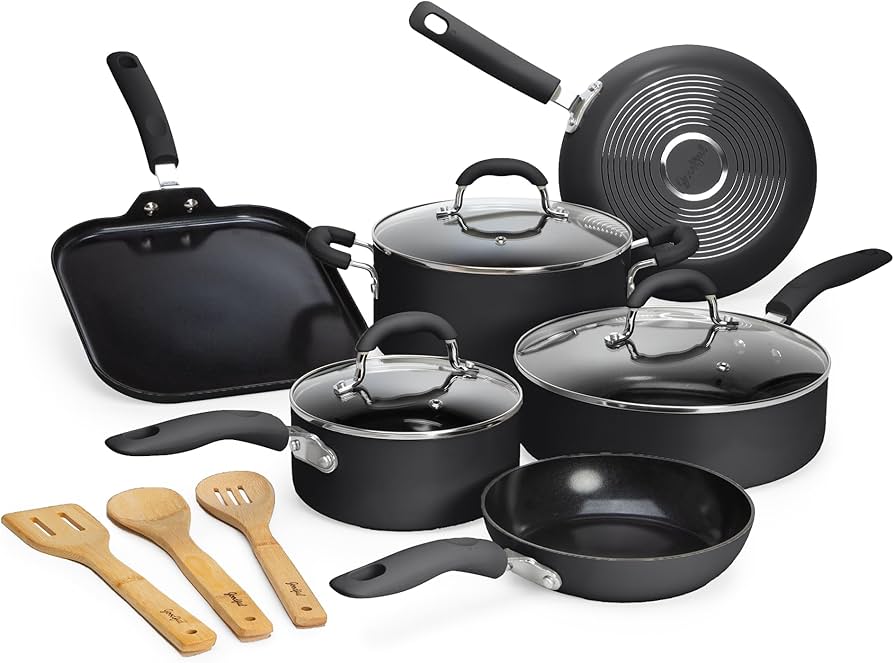
Credit: aludiecasting.com
Frequently Asked Questions
Is Cast Aluminum Cookware Safe For Cooking?
Yes, cast aluminum cookware is safe when properly coated. It heats evenly and resists warping. Non-stick coatings prevent aluminum from leaching into food, ensuring safe cooking.
Does Cast Aluminum Cookware Conduct Heat Well?
Cast aluminum cookware conducts heat very efficiently. It heats up quickly and distributes heat evenly. This results in consistent cooking and prevents hot spots.
How Durable Is Cast Aluminum Cookware?
Cast aluminum cookware is lightweight yet durable. It resists rust and corrosion well. However, it can scratch if not handled carefully, especially with non-stick coatings.
Can Cast Aluminum Cookware Be Used On Induction Stoves?
Most cast aluminum cookware is not compatible with induction stoves. Induction requires magnetic materials like stainless steel. Some cast aluminum pans have an induction-friendly base.
Conclusion
Cast aluminum cookware heats up quickly and cooks food evenly. It is light, making it easy to handle while cooking. This type of cookware also resists rust and lasts a long time. Some people worry about durability, but good quality pieces stay strong.
Cleaning is simple, saving time in the kitchen. Overall, cast aluminum offers a practical choice for many cooks. Think about your cooking needs before buying. It can be a helpful tool for daily meals.

Hello, This is Annie Walker, a 38-year-old blogger, founder, and editor of Cookware Guider from NY, USA. I am a cookware fanatic and passionate cooker. I love to cook with different types of cooking appliances (example: all types of cookware, rice cookers, slow cookers, etc) almost every day in my kitchen. I love to share my experience with my readers in my blog. Also, I enjoy helping people to solve their problems through my website. You can follow me on Twitter & Pinterest. To know details about my blog please check the about us page.