
Are you tired of scrubbing stubborn food off your pans? You’ve probably heard that ceramic cookware is non stick, but is that really true?
Knowing the answer can save you time, effort, and even money when choosing the right pots and pans for your kitchen. You’ll discover how ceramic cookware works, what makes it different from other non stick options, and whether it’s the best choice for your cooking needs.
Keep reading to find out if ceramic cookware can make your cooking easier and cleaner every day.
What Is Ceramic Cookware
Ceramic cookware has grown popular in many kitchens for its clean cooking surface and stylish look. People often wonder, Is ceramic cookware non stick? To answer that, it helps to understand what ceramic cookware really is.
What Is Ceramic Cookware?
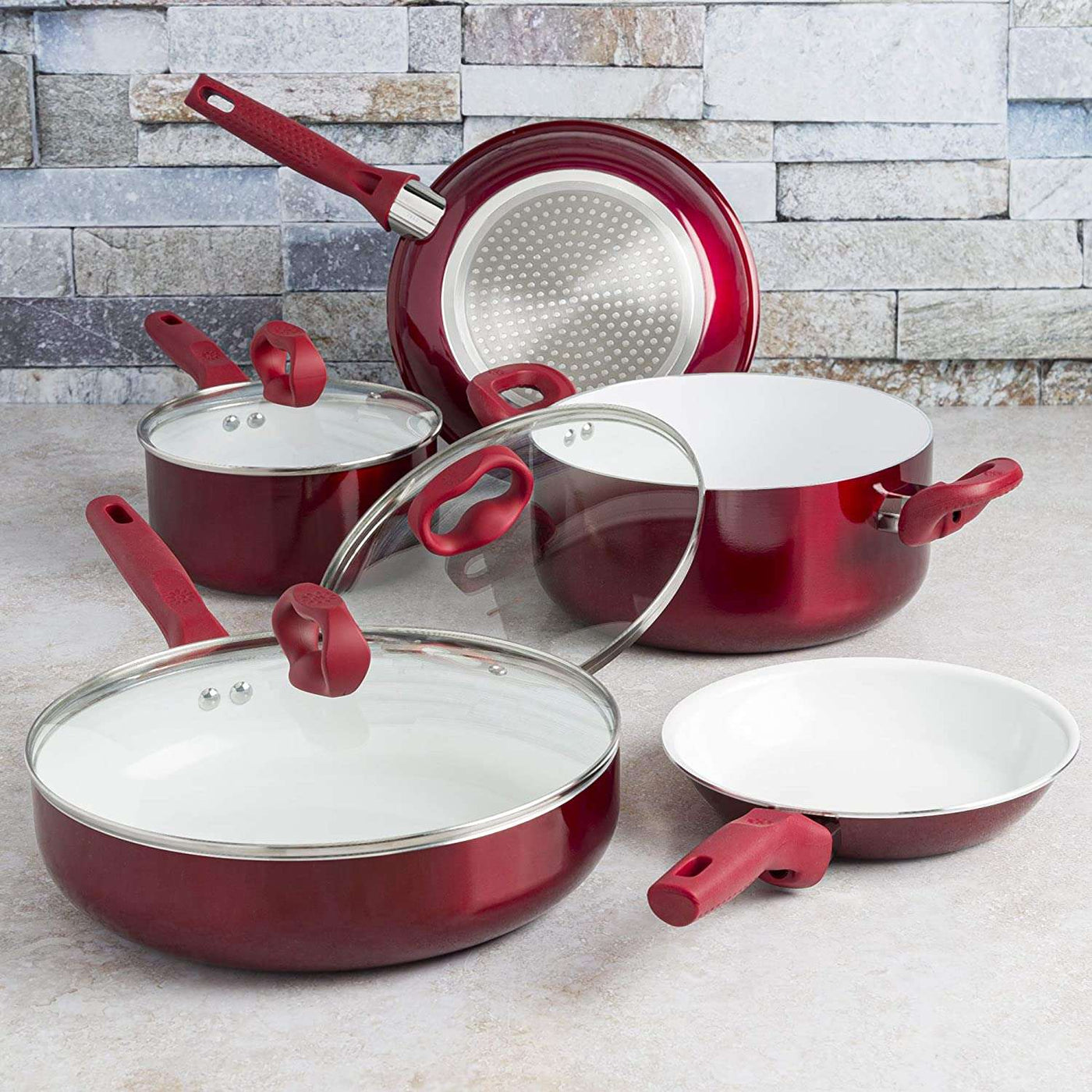
Ceramic cookware is cookware coated with a layer made from ceramic materials. This ceramic layer is created by applying a liquid ceramic coating onto metal pans. The coating then hardens to form a smooth, solid surface.
This surface is usually free from chemicals like PTFE and PFOA, which are common in traditional non-stick pans.
How Is Ceramic Cookware Made?
- A metal base, often aluminum, is shaped into a pan or pot.
- A ceramic coating is sprayed or dipped onto the surface.
- The pan is baked at high temperatures to cure the ceramic layer.
- The final product has a smooth, shiny, and durable ceramic surface.
Key Features Of Ceramic Cookware
- Non-toxic surface: Free from harmful chemicals.
- Heat resistance: Can handle high cooking temperatures.
- Environmentally friendly: Coating materials come from natural sources.
- Easy to clean: Food does not stick as much as on stainless steel.
Materials Used In Ceramic Cookware
| Material | Description | Purpose |
|---|---|---|
| Aluminum | Lightweight metal base | Provides fast and even heat distribution |
| Ceramic Coating | Non-toxic, silica-based layer | Creates a smooth and non-stick cooking surface |
| Other Metals (e.g., stainless steel) | Sometimes used as base or reinforcement | Enhances durability and heat retention |
Credit: ecolutionhome.com
How Nonstick Surfaces Work
Nonstick surfaces help food slide off cookware easily. They prevent sticking and make cooking and cleaning simple. Ceramic cookware often claims to be nonstick, but understanding how these surfaces work helps to know what to expect.
What Makes A Surface Nonstick?
A nonstick surface has a special coating. This coating creates a smooth, slippery layer on the pan. Food cannot grab onto this layer, so it slides off easily. The surface lowers friction between the food and the pan.
Types Of Nonstick Coatings
| Coating Type | Material | Durability | Heat Resistance |
|---|---|---|---|
| PTFE (Teflon) | Polytetrafluoroethylene | Moderate | Up to 500°F (260°C) |
| Ceramic | Silica-based | Less durable | Up to 450°F (232°C) |
How Ceramic Coatings Work
Ceramic coatings come from a silica-based gel. It forms a hard, glass-like surface on the cookware. This surface is very smooth and helps reduce food sticking. Ceramic does not contain chemicals like PTFE.
The coating repels water and oil. This property helps food slide off more easily during cooking.
Limitations Of Ceramic Nonstick
- Ceramic coatings wear out faster than PTFE coatings.
- They may lose nonstick ability with time and use.
- High heat can damage the ceramic layer.
- Requires gentle cleaning to keep the coating intact.
Tips For Using Nonstick Ceramic Cookware
- Use low to medium heat to protect the coating.
- Cook with little or no oil for best results.
- Use soft utensils like wood or silicone.
- Hand wash to extend the life of the nonstick surface.
Ceramic Coating Properties
Ceramic cookware has grown popular for its sleek look and healthy cooking benefits. One main question is about the non-stick quality of ceramic coatings. Understanding the properties of ceramic coatings helps to know how well food slides off and how easy cleaning will be.
Chemical Composition Of Ceramic Coating
Ceramic coatings are made from silica-based materials. These materials create a hard, smooth surface on the cookware. The coating usually contains no PTFE or PFOA, chemicals found in traditional non-stick pans. The surface is free of toxic chemicals, making it safer for cooking.
Heat Resistance And Durability
Ceramic coatings resist high heat well. They can handle temperatures up to 450°C (842°F) without breaking down. This heat resistance means the coating stays effective longer. The surface is also scratch-resistant but not as tough as metal pans. Using wooden or silicone utensils helps keep the coating intact.
Non-stick Performance
The ceramic surface provides moderate non-stick properties. Food tends to stick less compared to stainless steel but more than Teflon pans. The coating works best with some oil or butter. Regular seasoning of the pan can improve its non-stick ability over time.
Environmental Impact And Safety
Ceramic coatings are eco-friendly. They use fewer harmful chemicals and produce less pollution during manufacturing. The coating is free from heavy metals like lead and cadmium. This makes ceramic cookware a safer choice for home kitchens and the environment.
Maintenance And Cleaning
Caring for ceramic cookware is simple. Use warm water, mild soap, and soft sponges for cleaning. Avoid abrasive scrubbers that can damage the coating. Hand washing is preferred over dishwashers to extend the life of the coating.
| Property | Description | Benefit |
|---|---|---|
| Chemical Composition | Silica-based, PTFE and PFOA free | Safe, non-toxic cooking surface |
| Heat Resistance | Withstands up to 450°C | Durable under high heat |
| Non-Stick Quality | Moderate, improved with oil | Reduces food sticking |
| Environmental Safety | Eco-friendly materials | Less pollution, safer for users |
| Maintenance | Hand wash, gentle cleaning | Preserves coating life |
:max_bytes(150000):strip_icc()/sea-ceramicskillet-lead-image-madeline-muzzi-02-0ad4abbde9bc42589564bcc3491367a0.jpeg)
Credit: www.seriouseats.com
Comparing Ceramic To Traditional Nonstick
Choosing cookware often means deciding between ceramic and traditional nonstick options. Both claim to offer easy cooking and cleaning. Understanding their differences helps pick the right pan for your kitchen needs.
What Is Ceramic Nonstick?
Ceramic cookware has a coating made from silica and other natural materials. This coating creates a smooth, slick surface that prevents food from sticking. It heats evenly and is free from chemicals like PTFE and PFOA.
Ceramic pans work best with low to medium heat. High heat can damage the coating over time. They are often praised for being eco-friendly and safe for health.
What Is Traditional Nonstick?
Traditional nonstick pans usually have a coating made from PTFE (polytetrafluoroethylene), commonly known as Teflon. This coating offers excellent food release and requires little oil.
These pans are great for cooking eggs, pancakes, and other sticky foods. They heat quickly and clean easily. Careful use is needed to avoid scratching the surface.
Durability And Care
| Feature | Ceramic Cookware | Traditional Nonstick |
|---|---|---|
| Heat Resistance | Best below 450°F; coating can wear with high heat | Safe up to 500°F; coating can degrade with very high heat |
| Scratch Resistance | More resistant but still needs gentle care | Easily scratched; use soft utensils only |
| Cleaning | Hand wash recommended; avoid abrasive cleaners | Hand or dishwasher safe; avoid metal scrubbers |
| Lifespan | Typically 1-3 years depending on use | Usually 2-3 years with careful use |
Cooking Performance
- Ceramic pans heat evenly but may lose nonstick ability faster.
- Traditional nonstick offers superior food release at the start.
- Both require oil or butter for best results.
- Food can stick if pans are overheated or scratched.
Health And Environmental Impact
- Ceramic coatings use natural materials and avoid harmful chemicals.
- Traditional nonstick coatings may release fumes if overheated.
- Ceramic pans are often more eco-friendly to produce and dispose of.
- Both types are generally safe when used properly.
Durability And Care Tips
Durability and care are key factors in deciding if ceramic cookware fits your kitchen. Ceramic cookware offers a smooth, non-stick surface without chemicals found in some pans. Knowing how to care for it helps keep that non-stick quality and extends the cookware’s life.
Durability Of Ceramic Cookware
Ceramic cookware stands out for its strong, scratch-resistant surface. It handles medium heat well but can chip if dropped. Unlike traditional non-stick pans, ceramic coatings are less likely to peel or flake.
Note these points about durability:
- Ceramic coating lasts 1 to 3 years with normal use.
- Avoid metal utensils to prevent scratches.
- Overheating can weaken the ceramic layer.
- Proper care extends the life of the cookware.
Care Tips For Long-lasting Performance
Follow simple steps to keep ceramic cookware in top shape. These help maintain its non-stick ability and avoid damage.
- Clean gently: Use soft sponges and mild detergents.
- Cool before washing: Avoid thermal shock by letting pans cool down.
- Use low to medium heat: High heat can harm the ceramic coating.
- Store carefully: Avoid stacking pans without protection to prevent scratches.
- Avoid cooking sprays: These can build up and reduce non-stick properties.
Quick Care Comparison Table
| Care Aspect | Do | Don’t |
|---|---|---|
| Cleaning | Use soft sponge and mild soap | Use abrasive pads or harsh chemicals |
| Heat Use | Cook on low to medium heat | Use high heat or empty pan heating |
| Utensils | Use wooden or silicone tools | Use metal utensils |
| Storage | Stack with protective layers | Stack without protection causing scratches |

Credit: www.americastestkitchen.com
Health And Safety Considerations
Health and safety considerations are very important when choosing ceramic cookware. Many people wonder if ceramic cookware is truly non-stick and safe for everyday use. It is essential to understand how ceramic coatings affect your health and how to use the cookware safely. Ceramic cookware offers a non-stick surface without harmful chemicals found in some traditional pans.
Does Ceramic Cookware Contain Harmful Chemicals?Ceramic cookware is mostly free from PTFE and PFOA. These chemicals are common in older non-stick pans and can release toxic fumes at high heat. Ceramic coatings are made from natural materials like sand, making them safer for cooking.
- Ceramic pans do not release harmful fumes.
- They are free from heavy metals like lead and cadmium.
- Suitable for low to medium heat cooking.
Maintaining the right temperature protects the coating and your health. Ceramic cookware works best under medium heat. High heat can damage the ceramic layer and reduce its non-stick ability.
- Avoid preheating an empty ceramic pan on high heat.
- Use wooden or silicone utensils to prevent scratches.
- Clean gently with soft sponges to keep the coating intact.
Ceramic coatings can wear out over time. Scratches or cracks may expose the metal base. This can cause food to stick or metal to leach into food.
| Risk | Cause | Prevention |
|---|---|---|
| Scratches | Using metal utensils | Use wooden or silicone tools |
| Coating peeling | Overheating or harsh cleaning | Cook on medium heat and clean gently |
| Food sticking | Damaged ceramic layer | Replace cookware if coating is worn out |
Choosing The Right Ceramic Cookware
Choosing the right ceramic cookware is important for cooking ease and safety. Ceramic pots and pans offer a non-stick surface without harmful chemicals. They heat evenly and clean up easily. Picking the best ceramic cookware means understanding your needs and the cookware’s features.
What To Look For In Ceramic Cookware
Focus on these features to find good ceramic cookware:
- Non-stick coating quality: Thick and smooth coatings last longer and work better.
- Material base: Aluminum or stainless steel bases heat food evenly.
- Oven safety: Check if the cookware can go in the oven and the max temperature.
- Handle comfort: Strong, heat-resistant handles make cooking safe and easy.
- Size options: Different sizes help cook various meals.
Comparing Ceramic Vs Other Non-stick Cookware
| Feature | Ceramic Cookware | Teflon/Traditional Non-Stick |
|---|---|---|
| Non-stick Surface | Good, natural ceramic coating | Very smooth, synthetic coating |
| Health Safety | Free from PTFE and PFOA chemicals | May release chemicals if overheated |
| Heat Tolerance | Usually safe up to 450°F (230°C) | Lower heat limits, about 350°F (177°C) |
| Durability | May chip or wear with heavy use | Coating can scratch or peel |
| Cleaning | Easy with mild soap and sponge | Easy, but avoid abrasive tools |
Tips For Maintaining Ceramic Cookware
- Use wooden or silicone utensils to avoid scratches.
- Clean with warm water and mild soap after each use.
- Avoid high heat to protect the ceramic coating.
- Do not use metal scrubbers or harsh cleaning chemicals.
- Store carefully to prevent chipping or cracking.
Frequently Asked Questions
Is Ceramic Cookware Truly Non Stick?
Yes, ceramic cookware offers a non-stick surface made from a silica-based coating. It allows easy food release without chemicals like PTFE or PFOA, making it safer. However, its non-stick ability can degrade faster than traditional coatings if not cared for properly.
How Long Does Ceramic Non-stick Coating Last?
Ceramic non-stick coatings typically last 1 to 3 years with regular use. Proper care, like avoiding metal utensils and high heat, extends their lifespan. Over time, the coating may wear off, reducing its non-stick effectiveness.
Can Ceramic Cookware Replace Teflon Non-stick Pans?
Ceramic cookware can replace Teflon for many users seeking chemical-free options. It provides good non-stick performance but may require more gentle handling. Ceramic pans are better for low to medium heat cooking compared to Teflon pans.
Is Ceramic Cookware Safe For High Heat Cooking?
Ceramic cookware is generally safe for moderate heat but not ideal for high heat. Excessive heat can damage the ceramic coating, causing it to lose non-stick properties. Use medium or low heat to preserve the cookware’s durability.
Conclusion
Ceramic cookware offers a smooth, non-stick cooking surface. It works best with low to medium heat. Avoid sharp tools to keep the coating safe. With proper care, it can last a long time. It is a good choice for healthy cooking.
Not all ceramic cookware is equally non-stick. Check product details before buying. Simple use and care make cooking easier. Ceramic pans give a safer, non-stick option. Try it and see how it fits your kitchen needs.

Hello, This is Annie Walker, a 38-year-old blogger, founder, and editor of Cookware Guider from NY, USA. I am a cookware fanatic and passionate cooker. I love to cook with different types of cooking appliances (example: all types of cookware, rice cookers, slow cookers, etc) almost every day in my kitchen. I love to share my experience with my readers in my blog. Also, I enjoy helping people to solve their problems through my website. You can follow me on Twitter & Pinterest. To know details about my blog please check the about us page.