
You probably want the best for your health, especially when it comes to the food you cook every day. But have you ever stopped to wonder if the materials in your cookware are truly safe?
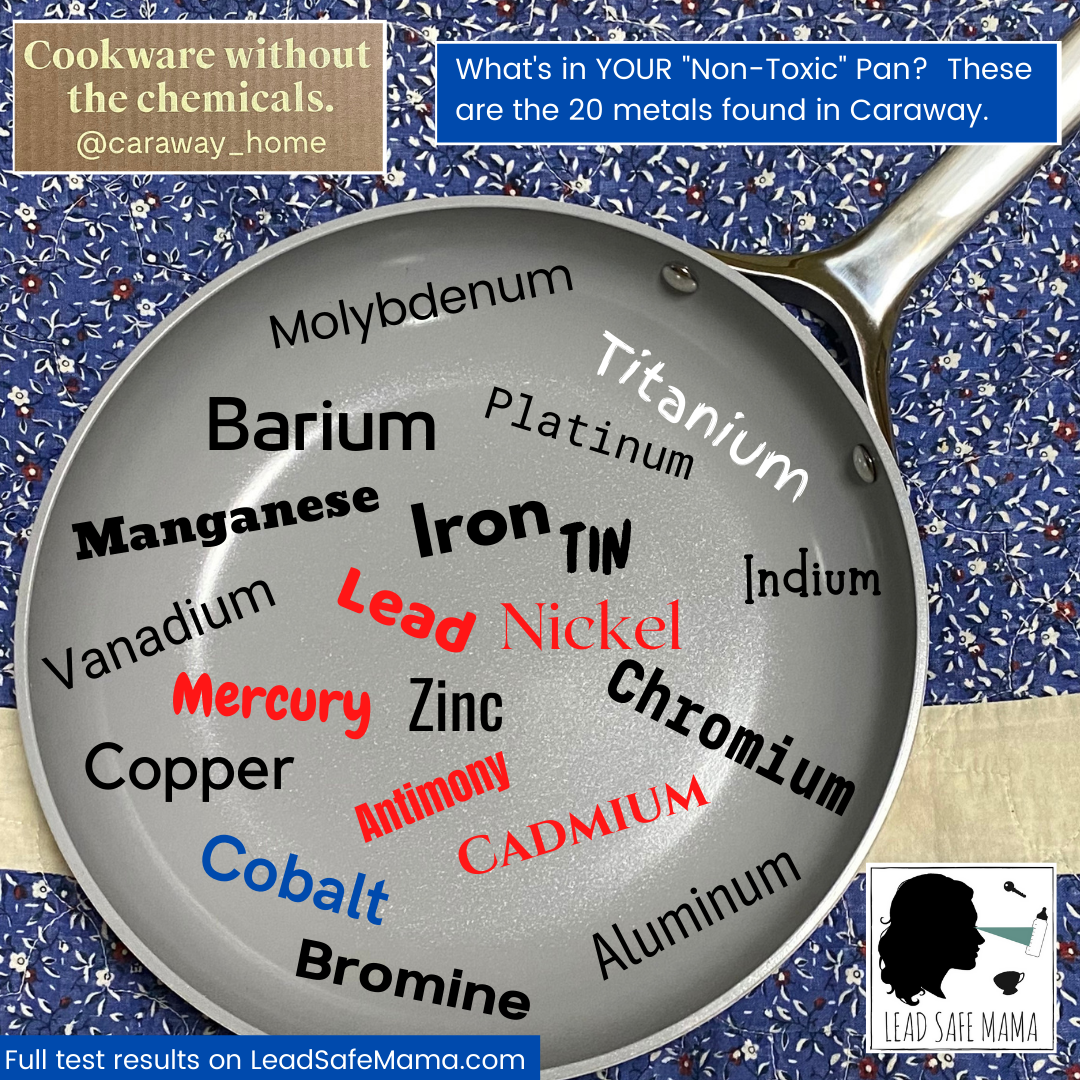
Chromium is a common element used in many pots and pans, but is it safe for you and your family? You might be surprised by what you don’t know about chromium and how it can affect your health. Keep reading to discover the facts and make smarter choices for your kitchen and your well-being.
Credit: tamararubin.com
Chromium In Cookware Materials
Chromium is a key element in many cookware materials, especially stainless steel. It plays a big role in making cookware strong and resistant to rust. Understanding how chromium is used helps answer questions about safety. This section explains the types of chromium found in cookware and where you can find them in your kitchen.
Types Of Chromium Used
Chromium in cookware mostly appears in the form of metallic chromium combined with other metals. The most common type is chromium in stainless steel. This metal helps create a tough, shiny surface that does not easily corrode or stain.
Here are the main types of chromium used:
- Chromium (III): This is a safe form of chromium used in stainless steel. It helps protect the metal from rust and damage.
- Chromium (VI): This form can be harmful, but it is not used in cookware. It appears mainly in industrial processes.
- Chromium alloy: This is chromium mixed with metals like nickel and iron to improve strength and durability.
Most cookware uses chromium (III) because it is stable and does not easily leach into food. The chromium content usually ranges from 10% to 20% in stainless steel. This range keeps the cookware safe and tough for cooking tasks.
| Chromium Type | Use in Cookware | Safety Level |
|---|---|---|
| Chromium (III) | Stainless steel coatings and alloys | Safe |
| Chromium (VI) | Not used in cookware | Harmful |
| Chromium Alloy | Mixed with iron and nickel for strength | Safe |
Common Cookware With Chromium
Chromium is found mainly in stainless steel cookware. This type of cookware is popular due to its durability and ease of cleaning. Many kitchens have pots, pans, and baking sheets made from stainless steel.
Other cookware types that use chromium include:
- Cast stainless steel pans: These have a high chromium content for rust resistance.
- Multi-ply cookware: Stainless steel layers often contain chromium mixed with other metals.
- Chrome-plated cookware: Less common, but chromium plating adds shine and protects the surface.
Here is a quick overview of cookware types with chromium:
| Cookware Type | Chromium Role | Benefits |
|---|---|---|
| Stainless Steel Pans | Protects from rust, adds strength | Durable, easy to clean, non-reactive |
| Cast Stainless Steel | High chromium for corrosion resistance | Long-lasting, great heat retention |
| Chrome-Plated Cookware | Surface protection and shine | Attractive finish, some rust protection |
Chromium helps keep cookware safe and effective for daily use. Most stainless steel cookware contains chromium in safe amounts. This ensures your pots and pans last longer and stay food safe.
Health Impacts Of Chromium Exposure
Chromium is a metal commonly found in cookware, especially stainless steel. Its presence raises questions about safety and health effects. Understanding the health impacts of chromium exposure helps you make safer cooking choices. Chromium exists in different forms, each with different effects on health. Knowing these differences is key to understanding risks related to cookware.
Chromium Iii Vs Chromium Vi
Chromium mainly appears in two forms: Chromium III (trivalent chromium) and Chromium VI (hexavalent chromium). These forms differ greatly in their impact on health.
- Chromium III is an essential trace element. It helps the body use sugar and fats properly. Small amounts are safe and needed for health.
- Chromium VI is toxic and harmful. It can cause serious health problems like skin irritation, respiratory issues, and even cancer if inhaled or ingested in large amounts.
In cookware, chromium is mostly in the Chromium III form, which is stable and safe. The metal is tightly bound in stainless steel, so it does not easily leach into food.
| Characteristic | Chromium III | Chromium VI |
|---|---|---|
| Health Role | Essential nutrient | Toxic compound |
| Exposure Risk | Low from cookware | High, causes health problems |
| Common Source | Food, stainless steel | Industrial pollution |
| Health Effects | Supports metabolism | Skin, lung damage, cancer |
The table shows clear differences between the two chromium types. Cookware usually contains safe Chromium III.
Potential Risks From Cookware
Stainless steel cookware contains chromium in a safe form. It is usually stable and does not release chromium into food. Still, some factors can increase risk.
- Cooking acidic foods, like tomato sauce, can cause small amounts of chromium to leach.
- Worn or damaged cookware may release more metals.
- Using very high heat sometimes affects metal stability.
Most people do not get harmful chromium levels from cookware. The amount that might leach is very low and safe for regular use.
Steps to reduce risk:
- Use high-quality stainless steel pots and pans.
- Avoid cooking very acidic dishes for long times in the same pan.
- Replace cookware if it becomes scratched or damaged.
- Clean pans properly to maintain their protective surface.
Health experts say occasional chromium exposure from cookware is unlikely to harm you. The body handles small chromium amounts safely.
Durability And Safety Features
Chromium is a key element in many types of cookware, especially stainless steel. It plays a big role in making pots and pans strong and safe to use. The durability and safety features of chromium in cookware help protect food and keep the cookware lasting longer. Understanding these features can clear up any worries about using chromium-based cookware every day.
Corrosion Resistance
Chromium helps cookware resist rust and corrosion. When chromium mixes with iron, it forms stainless steel. This steel has a thin layer of chromium oxide on the surface. This layer acts like a shield, stopping oxygen and water from reaching the metal underneath. This protection keeps the cookware from corroding or breaking down over time.
Here are some benefits of chromium’s corrosion resistance in cookware:
- Long-lasting use: Cookware stays in good shape for many years.
- Easy cleaning: Rust-free surfaces are simpler to clean.
- Food safety: No rust means food stays safe from contamination.
- Maintains appearance: Cookware looks shiny and new even after heavy use.
The table below shows how chromium content affects stainless steel’s corrosion resistance:
| Chromium Content (%) | Corrosion Resistance Level |
|---|---|
| 10-12 | Moderate resistance |
| 13-18 | High resistance (common in cookware) |
| Above 18 | Very high resistance, used in premium cookware |
Chromium’s protection also reduces the chance of metal leaching into food. This makes chromium-containing cookware safer for daily cooking.
Non-toxic Coatings
Many cookware brands add coatings to enhance safety and cooking performance. These coatings often contain chromium compounds, which are non-toxic and stable. They create a smooth, hard surface that prevents food from sticking and makes cleaning easier. The coatings are designed to stay intact during normal cooking, avoiding harmful chemical release.
Common features of non-toxic chromium-based coatings include:
- Heat resistance: Coatings withstand high cooking temperatures without breaking down.
- Scratch resistance: Durable surfaces resist damage from utensils and cleaning tools.
- Non-reactive: Coatings do not react with acidic or alkaline foods.
- Safe material: No harmful toxins or heavy metals are released into food.
Non-stick coatings with chromium compounds pass strict safety tests. These tests check for:
- Heavy metal leaching
- Heat stability
- Toxicity levels
Brands use these coatings to improve cookware safety without sacrificing durability. The coatings keep food healthy and help the cookware last longer. This balance makes chromium-based cookware a smart choice for many kitchens.

Credit: www.reddit.com
Regulations And Safety Standards
Chromium is a common element used in many types of cookware, especially stainless steel. Understanding the regulations and safety standards around chromium helps ensure its safe use in kitchens. Authorities set strict rules to keep food safe and prevent harmful chemicals from leaching into meals. These rules are based on scientific research and testing. They help manufacturers create cookware that meets safety requirements and protects consumers.
Food Safety Guidelines
Food safety guidelines focus on limiting the amount of chromium that can migrate from cookware to food. Agencies like the U.S. Food and Drug Administration (FDA) and the European Food Safety Authority (EFSA) provide clear rules for safe levels. These guidelines ensure chromium stays stable during cooking and does not contaminate food.
Key points about food safety with chromium in cookware:
- Chromium in stainless steel is mostly in a safe, non-reactive form called chromium(III).
- Hexavalent chromium (chromium VI) is toxic but rarely found in cookware due to strict controls.
- Cookware must pass migration tests to show chromium levels in food stay below set limits.
- Safe cooking temperatures and care instructions reduce chromium release.
| Regulatory Body | Chromium Migration Limit | Notes |
|---|---|---|
| FDA (USA) | Not to exceed 0.1 mg/kg food | Applies to stainless steel cookware |
| EFSA (Europe) | 0.05 mg/kg food | Strict limits for chromium VI presence |
Following these guidelines helps keep cookware safe for everyday use. Consumers should also avoid scratched or damaged cookware, which may release more metals.
Industry Testing Protocols
Cookware manufacturers follow strict testing protocols to meet safety standards for chromium. Testing ensures chromium stays in a stable form and does not leach into food above allowed levels. These tests use real cooking conditions and simulate long-term use.
Common industry testing steps include:
- Migration testing: Measuring chromium transfer to food simulants like acidic or salty liquids.
- Corrosion resistance: Checking how chromium behaves under heat and moisture.
- Durability tests: Simulating wear and tear to ensure chromium remains stable.
- Surface analysis: Using microscopes to detect chromium forms and possible toxic compounds.
| Test Type | Purpose | Test Method |
|---|---|---|
| Migration Test | Check chromium leaching | Food simulants + ICP-MS analysis |
| Corrosion Resistance | Assess chromium stability | Salt spray and heat exposure |
| Durability Test | Simulate daily use | Repeated washing and scraping |
These protocols help manufacturers produce safe cookware. Regular testing confirms chromium levels stay within safe limits, protecting consumer health.
Tips For Safe Use And Maintenance
Chromium is a common material in many types of cookware because it is durable and resistant to rust. Knowing how to use and care for chromium cookware safely helps keep it in good condition. Proper use and maintenance also reduce any risks related to chromium exposure. Follow these simple tips to keep your chromium cookware safe and lasting longer.
Proper Cleaning Methods
Cleaning chromium cookware correctly protects its surface and keeps it safe for cooking. Avoid harsh chemicals and strong scrubbing pads. Use gentle cleaning tools and mild detergents instead. Here are some tips for proper cleaning:
- Wash cookware by hand with warm water and a soft sponge.
- Use mild dish soap to remove grease and food residues.
- Rinse thoroughly to avoid soap buildup.
- Dry immediately with a soft cloth to prevent water spots and rust.
- For stuck-on food, soak the cookware in warm soapy water before cleaning.
Below is a quick guide to cleaning common chromium cookware types:
| Cookware Type | Recommended Cleaning Method | What to Avoid |
|---|---|---|
| Chromium-plated pans | Hand wash with mild soap and soft sponge | Abrasive scrubbers and bleach |
| Stainless steel with chromium | Dish soap, soft cloth, and warm water | Steel wool and harsh chemicals |
| Non-stick chromium coatings | Soft sponge, gentle soap, no soaking | Metal utensils and scouring pads |
Avoiding Damage To Coatings
Chromium coatings add a protective layer to cookware. Protecting this layer extends the life of your pots and pans. Avoid actions that can scratch or wear down the coating. Here are key points to keep coatings intact:
- Use wooden, silicone, or plastic utensils to prevent scratches.
- Do not heat empty pans; this can damage coatings.
- Cook on medium or low heat to protect the surface.
- Avoid sudden temperature changes, like putting hot cookware into cold water.
- Store cookware carefully to avoid rubbing against other metal items.
Damage to coatings can cause chromium to leach into food over time. Keeping cookware in good shape reduces this risk. Handle your cookware gently and clean it properly for safe use every day.
Alternatives To Chromium-based Cookware
Chromium is a common element in many cookware types, especially stainless steel. Some people worry about its safety in cooking tools. There are good alternatives to chromium-based cookware that offer safe and durable options. These alternatives can help avoid concerns about chromium while still providing quality cooking experiences. This section highlights popular choices that do not rely heavily on chromium.
Stainless Steel Variants
Stainless steel is popular for cookware because it is strong and resists rust. It usually contains chromium, but some variants use less or different alloys to reduce chromium content. These types still keep cookware safe and long-lasting.
Common stainless steel variants include:
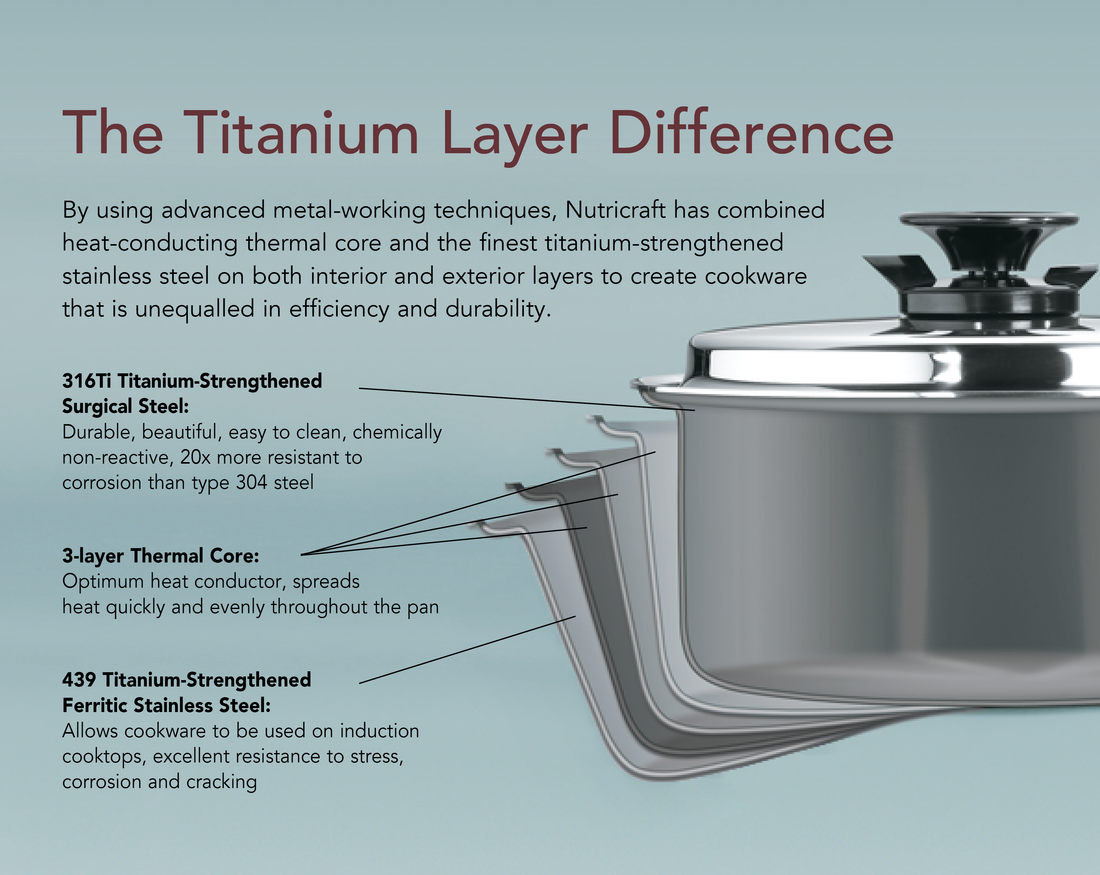
- 304 Stainless Steel: Contains about 18% chromium and 8% nickel. It is safe and widely used for kitchen tools.
- 316 Stainless Steel: Has extra molybdenum for better corrosion resistance. It is often used in high-end cookware.
- 430 Stainless Steel: Contains less chromium (about 16%) and no nickel. It is magnetic and often used for cheaper cookware.
Here is a simple comparison table:
| Type | Chromium Content | Nickel Content | Corrosion Resistance | Common Use |
|---|---|---|---|---|
| 304 | 18% | 8% | High | Cookware, utensils |
| 316 | 16-18% | 10-14% | Very High | Premium cookware |
| 430 | 16% | 0% | Moderate | Budget cookware |
Choosing stainless steel with lower chromium or nickel may reduce any health concerns. Stainless steel is easy to clean and does not react with most foods. It is a solid choice for people avoiding heavy chromium use but still want durable cookware.
Non-metal Options
Cookware made without metal offers a great alternative to chromium-based products. These options are often safer for sensitive users and avoid metal contamination. They come in different styles and materials.
Popular non-metal cookware types include:
- Ceramic Cookware: Made from natural clay and minerals, ceramic is non-reactive and free of metals.
- Glass Cookware: Perfect for baking and slow cooking. Glass does not leach chemicals.
- Silicone Cookware: Flexible and heat resistant, useful for baking molds and liners.
- Clay Pots: Traditional cookware that cooks evenly and adds flavor.
Benefits of non-metal cookware:
- Non-toxic and free from heavy metals.
- Easy to clean and maintain.
- Good heat distribution in ceramic and clay.
- Safe for oven and microwave use.
Non-metal options can suit many cooking styles. They may not be as durable as metal but provide a healthy choice for daily use. Ceramic and glass are especially good for people who want no metal in their food preparation.
Credit: nutricraftcookware.com
Frequently Asked Questions
Is Chromium Safe In Cookware Materials?
Chromium in cookware is generally safe when used in stainless steel. It forms a protective layer that resists rust and corrosion. This prevents harmful substances from leaching into food. Properly manufactured cookware ensures chromium remains stable and non-toxic during cooking.
Can Chromium Leach From Cookware Into Food?
Chromium leaching from stainless steel cookware is minimal and within safe limits. High-quality stainless steel reduces this risk. Acidic foods might cause slight leaching but not enough to harm health. Overall, chromium exposure from cookware is negligible and considered safe.
Does Chromium Cause Health Issues From Cookware Use?
Chromium in cookware rarely causes health problems. The type used, chromium-18 in stainless steel, is non-toxic and stable. It does not react significantly with food. Health risks are mainly linked to industrial chromium exposure, not cookware usage.
How Does Chromium Improve Cookware Durability?
Chromium increases cookware durability by enhancing corrosion resistance. It prevents rust and extends the cookware’s lifespan. This metal helps maintain the cookware’s surface integrity during cooking. Durable cookware means safer, long-term use without material breakdown.
Conclusion
Chromium in cookware is generally safe for everyday use. It helps protect your pots and pans from rust and damage. Small amounts do not usually cause health problems. Always choose cookware from trusted brands to avoid poor quality materials. Clean and maintain your cookware properly to keep it safe.
Knowing how chromium works helps you cook with peace of mind. Safe cooking starts with the right tools and good habits. Keep your kitchen healthy and enjoy your meals worry-free.

Hello, This is Annie Walker, a 38-year-old blogger, founder, and editor of Cookware Guider from NY, USA. I am a cookware fanatic and passionate cooker. I love to cook with different types of cooking appliances (example: all types of cookware, rice cookers, slow cookers, etc) almost every day in my kitchen. I love to share my experience with my readers in my blog. Also, I enjoy helping people to solve their problems through my website. You can follow me on Twitter & Pinterest. To know details about my blog please check the about us page.