
Are you wondering if Club Aluminum cookware is safe to use for your everyday cooking? Choosing the right cookware isn’t just about looks or price—it’s about your health and the quality of your meals.
You want to make sure what’s in your pots and pans won’t harm you or affect the taste of your food. This article will clear up the confusion and give you the facts you need to decide if Club Aluminum cookware belongs in your kitchen.
Keep reading to protect your health and cook with confidence.
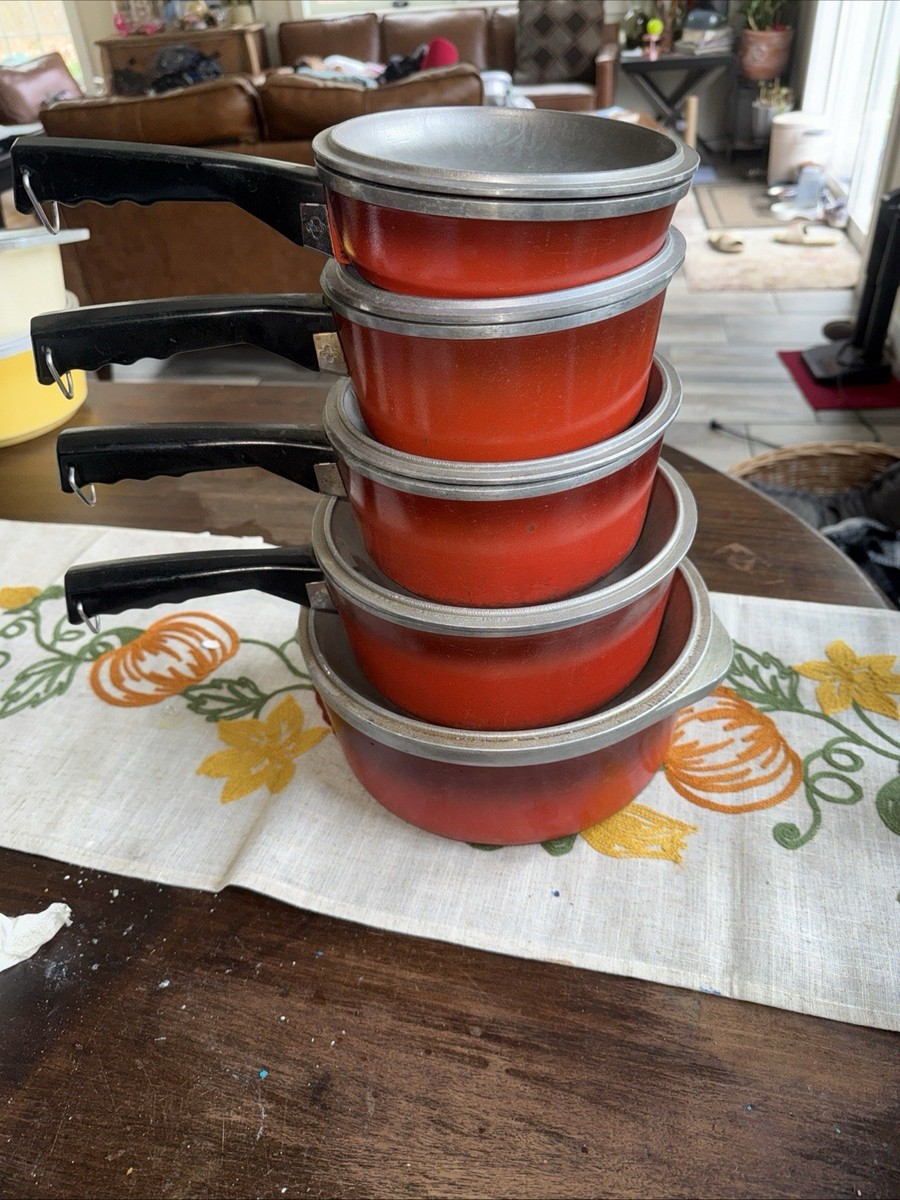
Credit: www.ebay.com
Health Risks Of Aluminum Cookware
Aluminum cookware, like Club Aluminum pots and pans, is popular for its light weight and good heat conduction. Many wonder about its safety and possible health risks. Understanding the health risks of aluminum cookware helps you decide if it suits your kitchen. This section explores concerns about aluminum toxicity and how it affects food safety.
Aluminum And Toxicity Concerns
Aluminum is a common metal found in the earth’s crust. It is naturally present in small amounts in food, water, and the air. The human body handles small amounts of aluminum without harm. But, some worry that cooking with aluminum cookware might increase aluminum intake to unsafe levels.
Key points about aluminum toxicity:
- Aluminum in large amounts can be harmful to the brain and bones.
- People with kidney problems might have trouble removing extra aluminum from their bodies.
- Studies show normal cooking does not release large amounts of aluminum into food.
- Acidic foods, like tomatoes or vinegar, can cause more aluminum to leach from cookware.
Experts say the amount of aluminum transferred to food is usually very low. The table below shows estimated aluminum intake from different sources:
| Source | Aluminum Intake (mg/day) |
|---|---|
| Food and water (average) | 3-10 mg |
| Cooking with aluminum pans | 0.1-0.4 mg |
| FDA safe limit | 50 mg/kg body weight per week |
Summary: Normal use of aluminum cookware adds a very small amount of aluminum to your diet. The health risk is low for healthy people. Avoid cooking very acidic foods in aluminum pans to reduce aluminum leaching.
Impact On Food Safety
Food safety is a top concern when using any cookware. Aluminum can react with certain foods, which might change the taste, color, or safety of the food. Knowing how aluminum cookware affects food helps you cook safely.
Effects of aluminum cookware on food:
- Reactivity: Aluminum reacts with acidic or salty foods.
- Flavor: Some foods may taste metallic or change color.
- Nutrient loss: Cooking in aluminum may reduce some vitamins in food.
- Durability: Scratched or worn aluminum pans may release more metal.
Using anodized aluminum cookware lowers these risks. Anodizing creates a hard, non-reactive surface that protects food. Here is a comparison table:
| Cookware Type | Reactivity with Food | Food Safety | Durability |
|---|---|---|---|
| Plain Aluminum | High (reacts with acidic foods) | Moderate risk of flavor change | Less durable, scratches easily |
| Anodized Aluminum | Low (non-reactive surface) | Safe for most foods | More durable, resists scratches |
Tips for safe use:
- Avoid cooking very acidic or salty dishes in plain aluminum pans.
- Use anodized aluminum cookware for better safety.
- Replace cookware if the surface is scratched or worn.
- Hand wash aluminum cookware to keep the surface intact.

Credit: lisasdanceandexercise.com
Features Of Club Aluminum Cookware
Choosing cookware involves many factors, especially safety and durability. Club Aluminum Cookware is popular for its affordability and cooking performance. Understanding its features helps decide if it fits your kitchen needs. This section breaks down the main features of Club Aluminum Cookware, focusing on material composition and coating quality.
Material Composition
Club Aluminum Cookware is mainly made from pure aluminum or an aluminum alloy. Aluminum is a lightweight metal with excellent heat conductivity. This means pots and pans heat up quickly and cook food evenly.
Key points about the material:
- Lightweight: Easy to handle, even when full.
- Good heat conductor: Reduces hot spots during cooking.
- Durability: Aluminum resists rust but can dent or scratch.
- Reactivity: Aluminum can react with acidic foods like tomatoes or vinegar, affecting flavor and appearance.
Here is a simple comparison of aluminum with other common cookware materials:
| Material | Weight | Heat Conductivity | Durability |
|---|---|---|---|
| Aluminum | Light | High | Moderate |
| Stainless Steel | Heavy | Low | High |
| Cast Iron | Very Heavy | Moderate | Very High |
Club Aluminum Cookware balances weight and heat conductivity well. It suits everyday cooking but requires careful handling to avoid dents.
Coating And Finish
The coating and finish protect the aluminum core and improve safety. Club Aluminum Cookware usually comes with a non-stick coating or an anodized finish.
Non-stick coatings help prevent food from sticking and make cleaning easier. These coatings are often made from PTFE or ceramic materials. They reduce the need for oil or butter during cooking, making meals healthier.
Anodized finishes involve treating the aluminum surface with an electrochemical process. This creates a hard, durable layer that resists scratching and corrosion. Anodized cookware is less reactive with acidic foods, improving food safety and taste.
Features of coatings and finishes include:
- Non-stick: Easy food release, simple cleaning.
- Scratch resistance: Protects cookware from damage.
- Corrosion resistance: Extends cookware life.
- Safe cooking surface: Limits metal leaching into food.
Proper use and care keep coatings intact. Avoid metal utensils and harsh scrubbing. This preserves the non-stick effect and prevents damage.
Safety Standards And Certifications
When choosing cookware, safety is a top concern. Club Aluminum cookware is popular for its light weight and heat conduction. Understanding the safety standards and certifications behind this cookware helps you trust its quality. These standards ensure the products meet strict rules to protect your health and cooking experience.
Industry Regulations
Club Aluminum cookware follows important industry regulations to keep users safe. These rules cover materials, manufacturing, and labeling. They help prevent harmful chemicals from entering your food during cooking.
Key regulations include:
- FDA (Food and Drug Administration) guidelines on food contact materials.
- ASTM International standards for aluminum cookware performance.
- RoHS (Restriction of Hazardous Substances) to limit dangerous metals in products.
- LFGB (Food, Consumer Goods and Feed Code) compliance for European markets.
These regulations demand:
- Use of non-toxic, food-safe aluminum alloys.
- Strict control of surface coatings and finishes.
- Clear labeling about product materials and care instructions.
| Regulation | Focus Area | Importance for Cookware |
|---|---|---|
| FDA | Food-safe materials | Prevents harmful substances in cookware |
| ASTM | Material and durability standards | Ensures cookware lasts and performs well |
| RoHS | Restricts hazardous metals | Protects health and environment |
| LFGB | Consumer product safety | Guarantees product safety in Europe |
Following these rules ensures Club Aluminum cookware meets safety and quality expectations. This adds confidence for everyday cooking.
Testing And Compliance
Testing is key to confirm Club Aluminum cookware meets safety standards. Manufacturers run many tests during and after production. These tests check for metal leaching, durability, and heat resistance.
Common tests include:
- Leach testing: Measures if aluminum or coatings release into food.
- Heat cycling: Checks cookware strength after repeated heating.
- Scratch and corrosion tests: Ensures surface stays intact and safe.
- Weight and thickness verification: Confirms product matches safety specs.
Test results must meet or exceed industry limits. Certification bodies often audit these results before approving products. Some Club Aluminum cookware carries labels like:
- NSF certification for food equipment safety.
- ISO 9001 for quality management systems.
- CE marking for European safety compliance.
Such certifications prove rigorous testing and compliance with rules. They show the cookware is safe for daily use and reliable over time.
| Test Type | Purpose | Safety Benefit |
|---|---|---|
| Leach Testing | Detects harmful metal release | Prevents food contamination |
| Heat Cycling | Tests durability under heat | Ensures long-lasting cookware |
| Scratch/Corrosion | Checks surface integrity | Maintains safe cooking surface |
| Weight/Thickness | Confirms manufacturing quality | Supports product safety standards |
These safety tests and certifications make Club Aluminum cookware a trustworthy choice. Users can cook with confidence knowing the product is regulated and tested.
Comparing Club Aluminum To Other Cookware
Choosing the right cookware affects your cooking results and health. Club Aluminum cookware offers a popular option for many kitchens. Comparing Club Aluminum to other types of cookware helps understand its safety and performance. This section breaks down key differences to help you decide.
Aluminum Vs Stainless Steel
Aluminum is lightweight and heats up quickly. It distributes heat evenly, which helps cook food faster and more uniformly. However, plain aluminum can react with acidic foods like tomatoes and vinegar. This reaction can change the taste and may cause aluminum to leach into food.
Stainless steel is heavier and takes longer to heat. It is non-reactive, meaning it won’t change the taste of food. It is very durable and resists scratches and dents well. Many stainless steel pans have an aluminum or copper core to improve heat distribution.
| Feature | Aluminum | Stainless Steel |
|---|---|---|
| Weight | Light | Heavy |
| Heat Conductivity | Excellent | Good with core |
| Reactivity | Reactive with acids | Non-reactive |
| Durability | Less durable | Highly durable |
| Maintenance | Needs careful cleaning | Easy to clean |
Club Aluminum cookware is often made from pure or lightly treated aluminum. It heats fast but may react with some foods. Stainless steel is safer for acidic dishes and lasts longer but can be more expensive. Consider your cooking style and needs when choosing.
Nonstick Vs Anodized Aluminum
Nonstick aluminum cookware has a coating that prevents food from sticking. This coating makes cleaning easy and reduces the need for oil or butter. Over time, nonstick surfaces may scratch or wear off. Scratched coatings may release chemicals, which can be unsafe.
Anodized aluminum is aluminum treated to make it harder and non-reactive. The anodizing process creates a tough surface that resists scratches and corrosion. It does not require a nonstick coating and is safer for high heat cooking. Anodized aluminum does not react with acidic foods.
- Nonstick Aluminum: Easy release, low-fat cooking, but coating can wear off.
- Anodized Aluminum: Durable, scratch-resistant, non-reactive, no chemical coatings.
| Type | Surface | Durability | Health Safety | Care |
|---|---|---|---|---|
| Nonstick Aluminum | Coated | Moderate | May release chemicals if damaged | Hand wash, avoid metal utensils |
| Anodized Aluminum | Treated (hard surface) | High | Safe and non-reactive | Dishwasher safe, durable |
Club Aluminum cookware is generally plain or lightly treated aluminum. It lacks a nonstick coating and is not anodized. This means food may stick more, but the cookware is sturdy and heats well. For safer and easier cooking, anodized aluminum offers benefits over plain or nonstick aluminum.
Care And Maintenance Tips
Proper care and maintenance keep Club Aluminum cookware safe and efficient. Good habits extend its life and maintain its cooking quality. Taking time to clean and handle it correctly prevents damage and preserves its non-stick surface. This section covers essential tips for cleaning and avoiding wear.
Cleaning Methods
Clean Club Aluminum cookware soon after use. This stops food from sticking and hardening. Use warm water and mild dish soap for regular washing. Avoid harsh chemicals or strong detergents, as they can damage the surface.
Follow these steps for effective cleaning:
- Let the pan cool before washing. Sudden temperature change can warp the metal.
- Use a soft sponge or cloth. Avoid steel wool or abrasive pads that scratch the surface.
- For stuck food, soak the cookware in warm soapy water for 15-20 minutes.
- Rinse thoroughly to remove soap residue.
- Dry with a soft towel to prevent water spots and rust on any exposed parts.
For tough stains or discoloration, try a gentle homemade cleaner:
| Ingredient | Amount | Instructions |
|---|---|---|
| Baking soda | 2 tablespoons | Make a paste with water, apply to stains, and let sit for 15 minutes. |
| White vinegar | 1 cup | Soak the pan for 10 minutes, then scrub gently. |
Never put Club Aluminum cookware in a dishwasher. The harsh cycle can dull the finish and reduce cookware life. Clean by hand only.
Avoiding Damage And Wear
Protect Club Aluminum cookware by handling it with care. Avoid metal utensils to prevent scratches and dents. Use wooden, silicone, or plastic utensils instead.
Follow these tips to reduce damage:
- Do not overheat empty pans. This can warp the metal and damage coatings.
- Use low to medium heat for cooking. High heat wears cookware faster.
- Store cookware properly. Stack pans with soft cloth or paper between them.
- Avoid dropping or banging the cookware against hard surfaces.
- Do not cut food inside the pan. This can scratch the surface.
Keep an eye on the non-stick surface. If it starts peeling or chipping, stop using the pan to avoid ingesting flakes.
Here is a simple care checklist for Club Aluminum cookware:
| Care Action | Why It Matters |
|---|---|
| Use soft utensils | Prevents scratching and prolongs coating life |
| Clean by hand with mild soap | Avoids damage from harsh dishwasher detergents |
| Store with protection between pans | Prevents dents and surface wear |
| Cook at low to medium heat | Reduces warping and coating damage |

Credit: www.reddit.com
User Experiences And Reviews
Many people wonder about the safety and quality of Club Aluminum cookware. User experiences and reviews offer a clear picture of how this cookware performs in real kitchens. They reveal both the strengths and weaknesses from daily use. Understanding these opinions helps decide if Club Aluminum cookware fits your needs.
Positive Feedback
Users often praise Club Aluminum cookware for its excellent heat distribution. It cooks food evenly, reducing the chance of burning or undercooking. Many find it lightweight, which makes handling pots and pans easier, especially when full.
- Durability: Several users mention the long life of their cookware. It stands up well to frequent use without warping.
- Non-stick Surface: Some models come with non-stick coatings that make cleaning simple and quick.
- Affordable Price: Compared to other brands, Club Aluminum offers great value.
| Feature | User Rating (out of 5) | Comments |
|---|---|---|
| Heat Distribution | 4.5 | Even cooking, no hot spots |
| Durability | 4.0 | Resists warping and dents |
| Ease of Cleaning | 4.2 | Non-stick models clean easily |
| Price | 4.8 | Very affordable for quality |
Many users recommend Club Aluminum cookware for everyday cooking. Its balance of quality and cost satisfies most home chefs.
Common Complaints
Some users report issues with Club Aluminum cookware after extended use. A few mention the non-stick coating peeling off sooner than expected. This can reduce the cookware’s effectiveness and safety.
- Scratching: Aluminum surfaces may scratch easily if metal utensils are used.
- Handle Stability: A small number of users say handles become loose over time.
- Reactivity: Acidic foods sometimes cause discoloration or a metallic taste.
| Issue | Reported Frequency | Impact |
|---|---|---|
| Non-stick coating damage | Moderate | Reduced non-stick effect |
| Scratches from utensils | Common | Surface damage |
| Loose handles | Low | Safety risk |
| Reactivity with acidic food | Moderate | Discoloration, taste changes |
To avoid problems, users suggest:
- Use wooden or silicone utensils.
- Hand wash instead of dishwasher use.
- Avoid cooking very acidic dishes often.
- Check handles regularly for tightness.
These steps help maintain the cookware’s condition and safety over time.
Frequently Asked Questions
Is Club Aluminum Cookware Non-toxic And Safe?
Yes, Club Aluminum cookware is generally safe and non-toxic. It undergoes anodizing, creating a hard, non-reactive surface. This prevents aluminum leaching into food, making it safe for everyday cooking.
Can Club Aluminum Cookware Cause Aluminum Poisoning?
No, properly anodized Club Aluminum cookware does not cause aluminum poisoning. The anodizing process seals the surface, preventing metal from leaching into food. Using it as recommended is safe and poses minimal health risks.
Is Club Aluminum Cookware Dishwasher Safe?
Most Club Aluminum cookware is dishwasher safe, but hand washing is recommended. Harsh detergents and high heat can damage the anodized surface over time. Gentle cleaning helps maintain durability and appearance.
Does Club Aluminum Cookware Heat Evenly?
Yes, Club Aluminum cookware heats evenly due to aluminum’s excellent heat conductivity. This ensures consistent cooking and reduces hotspots, helping food cook uniformly and preventing burning or undercooking.
Conclusion
Club Aluminum cookware is generally safe for everyday cooking. It heats food evenly and is lightweight to handle. Avoid using metal utensils to keep the surface in good shape. Clean it gently to prevent damage. Choosing cookware that fits your needs matters most.
Trust your cooking habits and preferences. Safe use depends on care and proper handling. Enjoy your meals with confidence and ease.

Hello, This is Annie Walker, a 38-year-old blogger, founder, and editor of Cookware Guider from NY, USA. I am a cookware fanatic and passionate cooker. I love to cook with different types of cooking appliances (example: all types of cookware, rice cookers, slow cookers, etc) almost every day in my kitchen. I love to share my experience with my readers in my blog. Also, I enjoy helping people to solve their problems through my website. You can follow me on Twitter & Pinterest. To know details about my blog please check the about us page.