
When it comes to choosing cookware, safety is likely one of your top concerns. You want pots and pans that not only cook well but also keep your food free from harmful chemicals.
So, is Goodful cookware truly safe for you and your family? You’ll discover what makes Goodful stand out and whether it meets the highest safety standards. Keep reading to find out if this cookware is the right choice for your kitchen and health.
Goodful Cookware Materials
Goodful cookware is popular among home cooks for its blend of style and performance. The safety of this cookware depends heavily on the materials used in its construction. Understanding the materials helps you decide if Goodful cookware fits your kitchen and health standards. This section breaks down the key materials in Goodful cookware, explaining their benefits and safety.
Types Of Metals Used
Goodful cookware uses several types of metals to create durable and efficient pots and pans. The most common metals include stainless steel, aluminum, and sometimes carbon steel. Each metal has unique qualities that affect cooking performance and safety.
- Stainless Steel: Known for its resistance to rust and corrosion, stainless steel is safe and non-reactive. It does not leach chemicals into food, making it a healthy choice. It heats evenly and is easy to clean.
- Aluminum: Aluminum is lightweight and conducts heat well. Goodful often uses aluminum with a protective coating to prevent direct contact with food, as raw aluminum can react with acidic foods.
- Carbon Steel: This metal heats quickly and holds heat well. It can be prone to rust if not cared for properly but is safe to use once seasoned.
Here is a simple comparison table for these metals:
| Metal | Heat Conductivity | Durability | Safety |
|---|---|---|---|
| Stainless Steel | Moderate | High | Non-reactive, very safe |
| Aluminum | High | Moderate | Safe with coating, may react if uncoated |
| Carbon Steel | High | High | Safe when seasoned, can rust |
Goodful’s choice of metals aims to balance safety, cooking efficiency, and durability. Each metal suits different cooking styles and preferences.
Non-stick Coatings
Goodful cookware often features non-stick coatings to make cooking and cleaning easier. These coatings reduce the need for oil and prevent food from sticking. Safety depends on the coating material and how it is used.
Goodful usually uses PTFE-based non-stick coatings. PTFE is a common non-stick material that works well at normal cooking temperatures. It is safe if not overheated above 500°F (260°C). Overheating can release harmful fumes.
- Benefits of Non-Stick Coatings:
- Less oil needed for cooking
- Easy food release
- Quick and simple cleaning
- Precautions:
- Do not use metal utensils to avoid scratching
- Avoid heating empty pans on high heat
- Replace pans if coating peels or chips
Goodful coatings are free from PFOA, a harmful chemical once common in non-stick products. This makes the cookware safer for daily use.
Always follow the manufacturer’s care instructions to keep the coating intact and safe.
Ceramic Elements
Ceramic elements appear in some Goodful cookware lines, especially in non-stick or hybrid designs. Ceramic coating is made from natural minerals and provides a non-stick surface without synthetic chemicals.
Ceramic coatings are considered safer because they do not release toxic fumes even at high temperatures. They are also free from PTFE and PFOA. The surface is smooth and easy to clean but can wear out faster than traditional coatings.
- Advantages of Ceramic Coatings:
- Non-toxic and chemical-free
- High heat resistance
- Environmentally friendly production
- Care Tips:
- Use wooden or silicone utensils
- Hand wash to preserve coating
- Avoid sudden temperature changes
Goodful’s ceramic-coated pans blend health safety with good cooking performance. They work well for low to medium heat cooking and offer a natural non-stick experience.

Credit: www.amazon.com
Health Impacts
Goodful cookware has grown popular for its stylish look and affordability. Many wonder about its health impacts. Cooking tools affect food safety and health. Using safe cookware means fewer risks of harmful substances mixing with your meals. This section examines the health aspects of Goodful cookware, focusing on chemical safety, heat resistance, and potential toxins. Understanding these factors helps make a better choice for your kitchen and family.
Chemical Safety
Goodful cookware often uses non-stick coatings to prevent food from sticking. These coatings usually contain chemicals like PTFE (polytetrafluoroethylene). PTFE is safe under normal cooking temperatures but can break down if overheated.
- Safe temperature range: Most non-stick coatings are safe up to 500°F (260°C).
- Overheating risk: Above 500°F, coatings may release fumes harmful to health.
- Proper use: Avoid heating empty pans and use low to medium heat.
Goodful cookware often claims to be PFOA-free. PFOA (perfluorooctanoic acid) is a chemical once used in making non-stick coatings but linked to health risks. Without PFOA, the cookware reduces the risk of chemical contamination.
| Chemical | Health Risk | Status in Goodful Cookware |
|---|---|---|
| PTFE | Safe below 500°F; fumes harmful above | Used, safe with care |
| PFOA | Linked to cancer and other illnesses | Not used (PFOA-free) |
Cleaning Goodful cookware with soft sponges protects the coating. Scratches can expose base metals, risking chemical leaks. Using wooden or silicone utensils helps keep the surface intact.
Heat Resistance
Heat resistance is crucial for cookware safety. Goodful cookware can handle everyday cooking temperatures but has limits.
- Typical heat range: Safe up to 450-500°F (232-260°C).
- Oven use: Check product details; some are oven-safe, others are not.
- Rapid temperature changes: Avoid sudden heating or cooling to prevent warping or damage.
Goodful pans heat evenly, reducing hot spots that can burn food or damage the pan. Even heat means better cooking and less chance of overheating the coating.
| Heat Factor | Goodful Cookware Performance |
|---|---|
| Maximum stovetop heat | Up to 500°F (260°C) |
| Oven safe | Varies by model; usually up to 350°F (177°C) |
| Heat distribution | Good, reduces hot spots |
Using moderate heat preserves the pan’s life and avoids chemical breakdown. This practice ensures food stays safe and tasty.
Potential Toxins
Cookware can release toxins if made from unsafe materials or used improperly. Goodful cookware avoids many known toxins by using safer materials and coatings.
- Lead and cadmium: Heavy metals that can leach into food; Goodful cookware is tested free of these metals.
- PFOA: Removed from the manufacturing process to reduce risks.
- Nickel and other allergens: Some base metals may cause allergies but are usually sealed under coatings.
Still, damaged or scratched pans may release small amounts of metals or chemicals. Regular inspection is important. Replace pans with worn coatings to avoid toxin exposure.
The use of ceramic and anodized aluminum in some Goodful lines reduces toxin risks. These materials are stable and do not break down easily.
| Toxin | Risk Level in Goodful Cookware | Safety Notes |
|---|---|---|
| Lead & Cadmium | None detected | Tested and certified safe |
| PFOA | Not present | Removed during production |
| Nickel | Low, sealed under coating | May affect sensitive users |
Proper care and use keep Goodful cookware safe. Avoid overheating and scratching to prevent toxins. Safe cookware means healthier meals and peace of mind.
Durability And Performance
Goodful cookware is popular among home cooks for its safety and reliability. Its durability and performance play a key role in why many trust this brand. Durable cookware means less wear and tear over time, and strong performance ensures food cooks evenly and safely. This section looks at three important factors: scratch resistance, heat distribution, and longevity. These features help decide if Goodful cookware is a smart, safe choice for your kitchen.
Scratch Resistance
Scratch resistance is vital for keeping cookware looking and working well. Goodful cookware features a non-stick coating that is designed to resist scratches from metal utensils and cleaning tools. This means the surface stays smooth, preventing food from sticking and making cleaning easier.
Key points about Goodful scratch resistance:
- The non-stick layer is reinforced to handle daily use.
- Using silicone or wooden utensils further protects the surface.
- Scratch resistance helps keep the cookware safe by avoiding coating damage.
Here is a simple comparison of scratch resistance between Goodful and typical cookware:
| Feature | Goodful Cookware | Standard Non-stick Cookware |
|---|---|---|
| Scratch Resistance Level | High – reinforced coating | Medium – prone to scratches |
| Recommended Utensils | Silicone, wood, metal (gentle use) | Only silicone or wood |
| Effect on Cooking Surface | Minimal damage over time | Surface can degrade quickly |
Goodful’s scratch resistance keeps cookware safe and durable for longer use. It reduces the risk of harmful particles from peeling coatings.
Heat Distribution
Even heat distribution is essential for proper cooking. Goodful cookware uses materials that spread heat quickly and evenly. This avoids hot spots where food can burn or cook unevenly.
Benefits of Goodful heat distribution:
- Consistent cooking results every time.
- Energy-efficient – cooks food faster.
- Prevents food from sticking or burning.
The cookware base is usually made from aluminum or other metals with good heat conduction. This design helps spread heat across the entire surface.
Here is a brief overview of how heat spreads in Goodful cookware:
| Cookware Part | Material | Heat Conductivity | Effect on Cooking |
|---|---|---|---|
| Base | Aluminum | High | Fast and even heating |
| Body | Hard-anodized aluminum | Moderate | Maintains steady temperature |
| Non-stick surface | Coated | Low | Prevents sticking, easy cleanup |
Goodful cookware’s heat distribution helps cooks prepare meals evenly without burning. This enhances safety and food quality.
Longevity
Longevity means how long cookware lasts before it needs replacement. Goodful cookware is built to last many years with proper care. Its strong materials and coatings resist wear and damage.
Factors that affect Goodful cookware’s lifespan:
- Material strength – hard-anodized aluminum adds durability.
- Non-stick coating quality – resists peeling and chipping.
- Proper cleaning – avoids abrasive scrubbers that shorten life.
- Use of recommended utensils – prevents surface damage.
Here is a guideline on expected lifespan based on usage and care:
| Care Level | Usage Frequency | Expected Lifespan |
|---|---|---|
| Excellent (gentle cleaning, correct utensils) | Daily to weekly | 5-7 years |
| Average (regular cleaning, occasional metal utensils) | Weekly | 3-5 years |
| Poor (abrasive cleaning, metal utensils often) | Frequent | 1-3 years |
Goodful cookware’s longevity means users get long-term value without sacrificing safety or performance. Taking care of it extends its lifespan further.
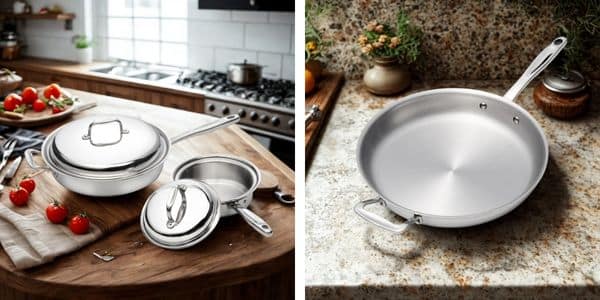
Credit: crjheavytrucks.com
User Reviews And Feedback
User reviews and feedback offer valuable insights into the safety and quality of Goodful cookware. Many buyers share their personal experiences, highlighting both strengths and weaknesses. These opinions help potential customers make informed decisions. Reading through a variety of comments reveals patterns about the product’s performance, durability, and safety features.
Positive Experiences
Many users praise Goodful cookware for its durability and non-stick surface. They find it easy to clean and note that food does not stick during cooking. Users appreciate the even heat distribution, which helps cook meals thoroughly. The cookware often receives high marks for its comfortable handles and attractive design.
- Non-stick coating: Works well and lasts for months.
- Heat distribution: Cooks food evenly without hot spots.
- Easy cleaning: Wipes clean quickly with minimal effort.
- Comfortable grip: Handles are safe and stay cool.
Some users say Goodful cookware feels lightweight yet sturdy. Many find it a good value for the price. They also mention that the cookware does not emit unpleasant odors during cooking, which adds to the sense of safety.
| Feature | User Feedback | Rating (out of 5) |
|---|---|---|
| Non-stick Performance | Food slides off easily, no residue buildup. | 4.5 |
| Handle Comfort | Ergonomic and safe to touch during cooking. | 4.7 |
| Durability | Maintains quality after months of use. | 4.3 |
Common Complaints
Some users report issues with the non-stick coating peeling after repeated use. They mention the cookware loses its smooth surface quicker than expected. A few buyers say the cookware is not suitable for high heat, as it may warp or degrade. These problems raise concerns about long-term safety and performance.
- Non-stick wear: Coating starts to chip after a few months.
- Heat sensitivity: Not ideal for very high temperatures.
- Handle loosening: Some handles became loose over time.
- Cleaning precautions: Scrubbing with harsh tools damages the surface.
A small number of users worry about chemicals in the coating, though no confirmed reports of harm exist. Careful maintenance and avoiding metal utensils can reduce these risks. Customers often recommend following the manufacturer’s instructions strictly.
| Issue | Description | Impact on Safety |
|---|---|---|
| Coating Peeling | Non-stick layer chips after regular use. | Potential ingestion of particles. |
| Warping | Cookware bends when exposed to high heat. | Uneven cooking, possible damage. |
| Handle Issues | Handles become loose or wobbly. | Risk of dropping hot cookware. |
Comparing Goodful To Other Brands
Choosing the right cookware can be tricky. Many brands promise durability and safety, but not all deliver. Goodful cookware has gained attention for its affordable sets and modern design. Comparing Goodful to other brands helps understand its value and safety. This comparison looks at price, quality, safety features, and customer support. It highlights what makes Goodful stand out or fall short.
Price Vs Quality
Goodful cookware offers budget-friendly prices that attract many buyers. Its sets usually cost less than those from premium brands. Despite the lower price, Goodful aims to provide decent quality for everyday cooking. Comparing price and quality is key to knowing if the cookware is worth it.
Here is a quick comparison of Goodful with other popular cookware brands:
| Brand | Average Price (Set) | Material | Durability | Customer Rating |
|---|---|---|---|---|
| Goodful | $50 – $70 | Non-stick aluminum | Moderate | 4.2/5 |
| T-fal | $70 – $120 | Non-stick aluminum | High | 4.5/5 |
| Cuisinart | $100 – $150 | Stainless steel | Very high | 4.7/5 |
Goodful suits buyers who want a good product at a low price. It may not last as long as more expensive brands but works well for light to medium use. For heavy cooking, brands like T-fal or Cuisinart offer better durability.
Safety Features
Safety is a major concern with cookware. Goodful cookware uses non-stick coating designed to be free from harmful chemicals like PFOA and PFAS. This reduces risks of toxic fumes during cooking.
Important safety features of Goodful cookware include:
- PFOA-free non-stick coating: Safe for daily cooking at normal temperatures.
- Ergonomic handles: Heat-resistant and easy to grip.
- Even heat distribution: Prevents hot spots and burns.
- Oven safe up to 350°F: Suitable for most recipes.
Compared to other brands:
| Feature | Goodful | T-fal | Cuisinart |
|---|---|---|---|
| PFOA-Free Coating | Yes | Yes | Yes |
| Oven Safe Temperature | 350°F | 400°F | 500°F |
| Heat Resistant Handles | Yes | Yes | Yes |
| Dishwasher Safe | No | Yes | Yes |
Goodful cookware keeps safety simple but effective. It lacks some features like higher oven temperature limits and dishwasher safety. Still, it meets basic safety needs for most users.
Warranty And Support
Goodful provides a warranty that covers defects in materials and workmanship. The warranty period is usually one year. This is shorter than some competitors but still offers peace of mind.
Customer support for Goodful includes:
- Email and phone support during business hours.
- Online FAQ and troubleshooting guides.
- Easy return and replacement policies for defective items.
Here is a comparison of warranty and support options:
| Brand | Warranty Period | Support Channels | Return Policy |
|---|---|---|---|
| Goodful | 1 year | Email, Phone | 30 days |
| T-fal | Limited lifetime | Email, Phone, Chat | 60 days |
| Cuisinart | Limited lifetime | Email, Phone, Chat | 90 days |
Goodful’s shorter warranty suits buyers with simple needs. For long-term use, brands with lifetime warranties provide better protection. Customer support is responsive but not as extensive as premium brands.
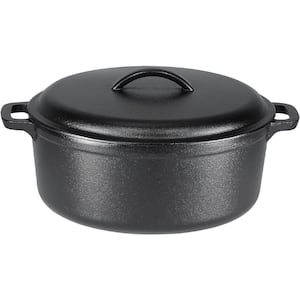
Credit: pacha-automation.com
Care And Maintenance Tips
Goodful cookware offers safe and reliable cooking options, but proper care is key to keep it lasting longer. Understanding how to clean, store, and maintain your cookware helps preserve its quality and performance. Simple habits can protect your investment and ensure your meals stay healthy and tasty.
Cleaning Guidelines
Cleaning Goodful cookware correctly prevents damage and keeps it safe for cooking. Use gentle methods to avoid scratching or wearing down the surface.
- Wash after each use: Use warm, soapy water and a soft sponge or cloth.
- Avoid harsh scrubbers: Steer clear of steel wool or abrasive pads that can harm the coating.
- Remove stuck-on food: Soak the cookware in warm water for 10-15 minutes before cleaning.
- Dishwasher use: Check the manufacturer’s instructions; hand washing is often safer to preserve the surface.
Here is a quick overview of cleaning do’s and don’ts:
| Do | Don’t |
|---|---|
| Use mild dish soap | Use bleach or strong chemicals |
| Clean with soft sponges | Use metal scrubbers |
| Dry thoroughly after washing | Leave wet to prevent rust |
Storage Advice
Proper storage keeps Goodful cookware safe from scratches and damage. Organize your kitchen space to protect each piece.
- Stack with care: Place paper towels or cloth between pans to avoid scratches.
- Use hooks or racks: Hang pots and pans to save space and avoid piling.
- Keep lids separate: Store lids upright or on dedicated racks to prevent chips.
- Store in dry places: Moisture can cause rust or affect the cookware surface.
Consider this table for storage tips:
| Storage Method | Benefits |
|---|---|
| Stack with protective layers | Prevents scratches and dents |
| Hang on wall hooks | Easy access and space-saving |
| Use drawer dividers | Keeps pieces organized and safe |
Extending Cookware Life
Extending the life of Goodful cookware depends on careful use and regular upkeep. Follow simple rules for best results.
- Preheat gently: Avoid heating empty pans to protect the surface.
- Use the right utensils: Wooden, silicone, or plastic tools prevent scratches.
- Avoid high heat: Cook on medium or low heat to maintain coating quality.
- Season non-stick surfaces: Lightly oil pans before first use and as needed.
- Inspect regularly: Check for chips, cracks, or peeling and replace if damaged.
Simple habits add years to your cookware’s life. Treat each piece with care, clean gently, and store properly. This approach keeps Goodful cookware safe and efficient for many meals to come.
Frequently Asked Questions
Is Goodful Cookware Non-toxic And Safe To Use?
Yes, Goodful Cookware is made with non-toxic materials. It is free from harmful chemicals like PFOA and PTFE, ensuring safe cooking for your family.
What Materials Are Used In Goodful Cookware?
Goodful Cookware commonly uses ceramic and aluminum. These materials provide even heat distribution and a safe, non-stick cooking surface without toxic coatings.
Can Goodful Cookware Withstand High Cooking Temperatures?
Yes, Goodful Cookware is designed to handle medium to high heat. However, avoid extreme temperatures to preserve the cookware’s non-stick properties and durability.
Is Goodful Cookware Dishwasher Safe?
Most Goodful Cookware pieces are dishwasher safe. However, hand washing is recommended to maintain the cookware’s non-stick coating and extend its lifespan.
Conclusion
Goodful Cookware offers safe materials for everyday cooking needs. It does not contain harmful chemicals that affect food. The cookware heats evenly, helping you cook meals well. Cleaning is easy, which saves time in the kitchen. Many users find it durable and reliable for regular use.
Always follow care instructions to keep it in good shape. Choose cookware that fits your cooking style and health concerns. Safe cookware makes cooking more enjoyable and worry-free. Goodful stands as a solid option for safe kitchen tools.

Hello, This is Annie Walker, a 38-year-old blogger, founder, and editor of Cookware Guider from NY, USA. I am a cookware fanatic and passionate cooker. I love to cook with different types of cooking appliances (example: all types of cookware, rice cookers, slow cookers, etc) almost every day in my kitchen. I love to share my experience with my readers in my blog. Also, I enjoy helping people to solve their problems through my website. You can follow me on Twitter & Pinterest. To know details about my blog please check the about us page.