
Choosing the right cookware can make a big difference in your cooking experience and the meals you create. If you’re wondering whether granite cookware is better than ceramic, you’re not alone.
Both options promise durability and easy cooking, but which one truly fits your kitchen needs? You’ll discover key differences that could change how you cook, clean, and even save money. Keep reading to find out which cookware will make your time in the kitchen easier and more enjoyable.

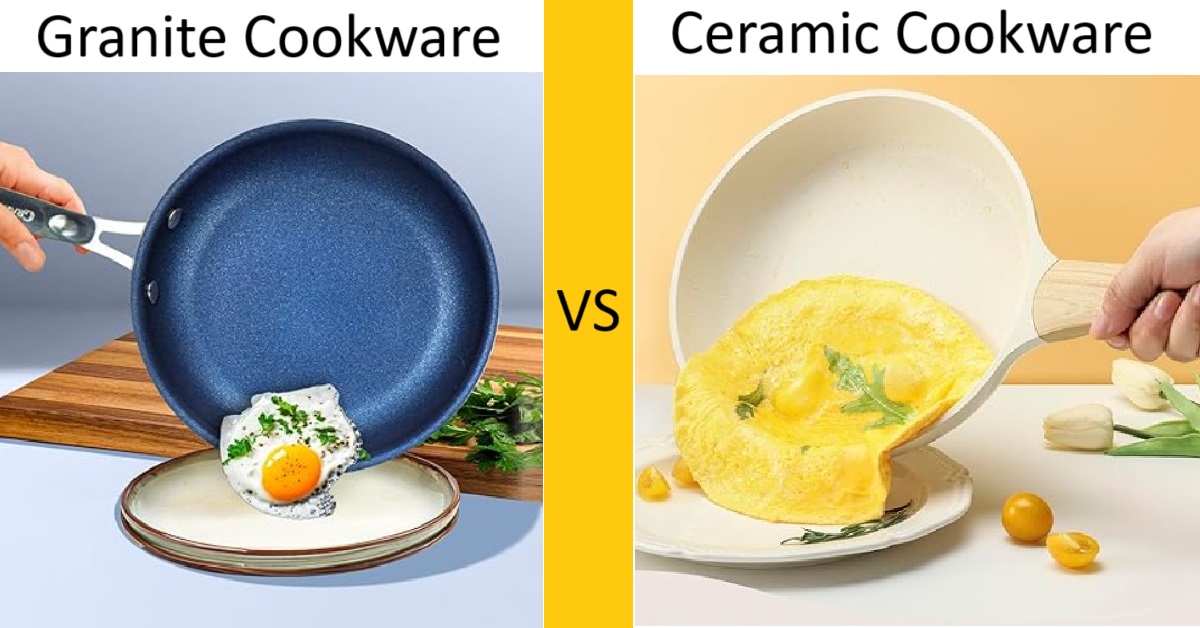
Credit: alva-cookware.us
Granite Cookware Features
Granite cookware often sparks debate in kitchens worldwide. Many wonder if it truly outshines ceramic options. Understanding granite cookware features helps make a clear choice. These features affect cooking results, maintenance, and overall user experience. Below is a detailed look at the main characteristics of granite cookware.
Material Composition
Granite cookware is not made from natural granite stone. Instead, it is usually crafted from a metal base, such as aluminum or steel, coated with a granite-like finish. This finish is a mix of mineral particles and non-stick materials, creating a tough and attractive surface.
- Metal base: Often aluminum for quick heating or stainless steel for durability.
- Granite coating: Made of natural mineral particles, providing a stone-like appearance.
- Non-stick layer: Applied to make cooking and cleaning easier.
This combination offers the benefits of metal cookware with the look and feel of stone. Unlike ceramic cookware, which is made from clay fired at high temperatures, granite cookware uses a layered construction. This makes granite cookware lighter and often less fragile than ceramic pots and pans.
| Feature | Granite Cookware | Ceramic Cookware |
|---|---|---|
| Base Material | Aluminum or Steel | Clay (fired) |
| Coating | Granite-like mineral layer | Glazed ceramic surface |
| Weight | Light to Medium | Medium to Heavy |
Durability And Strength
Granite cookware is known for its strong construction. The metal base offers excellent resistance to dents and bending. The granite coating adds a hard surface that resists scratches better than many other non-stick coatings.
Key points about durability:
- Scratch resistance: The mineral coating helps reduce damage from metal utensils.
- Impact resistance: Metal cores make the pans tough against drops and knocks.
- Resistance to chipping: While the coating is strong, it can chip if dropped hard.
Ceramic cookware tends to be more fragile. It can crack or chip easily if dropped. The glaze on ceramic may also wear away over time, causing loss of smoothness. Granite cookware usually lasts longer with regular use and careful handling.
| Durability Aspect | Granite Cookware | Ceramic Cookware |
|---|---|---|
| Scratch Resistance | High | Moderate |
| Impact Resistance | Strong | Fragile |
| Longevity | Long-lasting | Moderate lifespan |
Heat Distribution
Even heat distribution is vital for good cooking results. Granite cookware usually performs well because of its metal base. Aluminum bases heat up quickly and spread heat evenly, reducing hot spots.
Benefits of granite cookware’s heat distribution:
- Fast heating saves cooking time.
- Even heat prevents food from burning in some areas.
- Metal base allows good heat retention, keeping food warm longer.
Ceramic cookware heats differently. It takes longer to warm up but holds heat well once hot. This slow heating can be useful for gentle cooking but is less efficient for quick meals. Granite cookware works better for recipes needing steady and fast heat.
| Heat Feature | Granite Cookware | Ceramic Cookware |
|---|---|---|
| Heating Speed | Fast | Slow |
| Heat Retention | Good | Very Good |
| Heat Evenness | High | Moderate |
Non-stick Properties
Granite cookware is popular for its non-stick surface. The mineral coating combined with a non-stick layer allows food to slide off easily. This reduces the need for excess oil or butter.
Advantages include:
- Easy cleaning: Food residue rarely sticks.
- Healthier cooking: Less oil needed.
- Durability: Non-stick properties last longer than many ceramic coatings.
Ceramic cookware also offers non-stick features but tends to lose this quality faster. It often requires careful use and gentle cleaning to maintain its smooth surface. Granite cookware’s coating is tougher, holding non-stick benefits longer under regular use.
Ceramic Cookware Features
Ceramic cookware stands out as a popular choice in many kitchens due to its unique features and cooking benefits. Understanding these features helps to compare ceramic cookware with granite cookware effectively. This section explains the main characteristics of ceramic cookware, highlighting what makes it a reliable and healthy option for cooking.
Material Composition
Ceramic cookware is made primarily from natural clay that is hardened at high temperatures. This clay base is then coated with a layer of ceramic glaze. The glaze is made of inorganic materials, mostly silicon and oxygen, which form a glass-like surface. This surface is non-reactive and safe for cooking various foods.
The natural origin of ceramic cookware means it contains no harmful chemicals like PTFE or PFOA, often found in some non-stick coatings. The material composition affects both the cookware’s safety and performance:
- Clay base: Provides strength and heat resistance.
- Ceramic glaze: Offers a smooth, non-stick surface.
- Free of toxic chemicals: Safe for healthy cooking.
- Environmentally friendly: Made from natural materials.
| Component | Description | Benefit |
|---|---|---|
| Natural Clay | Base material hardened by heat | Durable and heat resistant |
| Ceramic Glaze | Glass-like coating on cookware surface | Non-reactive, smooth, non-stick |
| No PTFE/PFOA | Free from harmful chemicals | Safe and healthy cooking |
Durability And Strength
Ceramic cookware is known for its good durability but requires careful handling. The hardened clay and ceramic glaze make it strong enough for daily cooking. Still, it is more fragile compared to metal-based cookware like granite or stainless steel.
Key points about ceramic cookware durability:
- Heat hardened: The clay is baked at very high temperatures, making it strong.
- Scratch resistance: Ceramic glaze resists scratches but can chip if dropped.
- Not impact-proof: Heavy knocks can crack or chip the surface.
- Long-lasting with care: Proper use and gentle cleaning extend life.
Compared to granite cookware, ceramic is lighter but less resistant to impacts. It does not warp under high heat but can lose its glaze if overheated. Users should avoid metal utensils and harsh cleaning tools to maintain the coating.
Heat Distribution
Ceramic cookware heats food evenly, thanks to its material properties. The clay base absorbs heat slowly and spreads it across the cooking surface. This slow and steady heat helps prevent hot spots, which can burn food.
Important features about ceramic cookware heat distribution:
- Slow heat absorption: Reduces risk of sudden temperature changes.
- Even heating: Helps cook food uniformly without burning.
- Retains heat: Keeps food warm longer after cooking.
- Works well on low to medium heat: Ideal for simmering and gentle cooking.
However, ceramic cookware may take longer to heat up than metal pans. It is not suitable for rapid high-heat cooking. Using moderate heat settings preserves the ceramic surface and improves cooking results.
Non-stick Properties
The ceramic glaze provides ceramic cookware with natural non-stick properties. Unlike traditional non-stick pans, ceramic does not rely on synthetic coatings. This makes it safer for cooking and easy to clean.
Key benefits of ceramic non-stick surfaces include:
- Food release: Most foods slide off without sticking.
- Less oil needed: Healthier cooking with less fat.
- Easy cleaning: Washes off easily with mild soap and water.
- Scratch resistance: More durable than some Teflon coatings.
Despite these benefits, ceramic non-stick surfaces may lose effectiveness over time. Avoid metal utensils and abrasive sponges to keep the surface smooth. Proper care ensures long-lasting non-stick performance without harmful chemicals.
Health And Safety
Choosing between granite cookware and ceramic often raises questions about health and safety. Both types promise a safer cooking experience compared to traditional non-stick pans. Understanding their chemical makeup, heat resistance, and any possible risks helps make an informed decision. Safety in cookware means avoiding harmful chemicals, ensuring even heat distribution, and knowing what happens when pans get very hot.
Chemical-free Cooking
Granite and ceramic cookware often advertise chemical-free cooking surfaces. Granite cookware usually has a natural stone coating combined with a non-stick layer free from PFOA and PTFE. These chemicals, found in some non-stick pans, can release toxic fumes when overheated.
Ceramic cookware is made from inorganic minerals and does not use synthetic chemicals in its coating. It offers a naturally non-stick surface without harmful substances.
- Granite cookware: Typically PFOA and PTFE free, with a sturdy stone coating.
- Ceramic cookware: Made from mineral-based materials, naturally non-stick and chemical-free.
Both types support healthier cooking by avoiding toxic chemicals. Here is a comparison table:
| Feature | Granite Cookware | Ceramic Cookware |
|---|---|---|
| Contains PFOA/PTFE | No | No |
| Natural Non-Stick Surface | Yes (stone coating) | Yes (mineral-based) |
| Safe for Acidic Foods | Yes | Yes |
Cooking with either granite or ceramic reduces exposure to harmful chemicals. Both allow preparing meals without chemical contamination.
Heat Resistance
Heat resistance is key for safety and cooking quality. Granite cookware has strong heat tolerance because of its stone-based coating. It can handle medium to high heat without damage or releasing fumes.
Ceramic cookware withstands heat well too but may be less durable at very high temperatures. Extreme heat can cause ceramic coatings to crack or chip over time.
- Granite cookware: Can tolerate temperatures up to 450°F (232°C).
- Ceramic cookware: Safe up to about 350°F to 400°F (177°C to 204°C).
Here is a quick overview of heat limits:
| Cookware Type | Maximum Safe Temperature | Notes |
|---|---|---|
| Granite | 450°F (232°C) | Good for searing and frying at high heat |
| Ceramic | 350-400°F (177-204°C) | Best for low to medium heat cooking |
Using cookware within these limits avoids damage and health risks. Overheating ceramic pans can degrade the coating. Granite’s heat resistance offers more flexibility.
Potential Risks
All cookware carries some risks if misused. Granite cookware may chip if dropped or scratched by metal utensils. Exposed metal underneath can react with food and cause safety concerns.
Ceramic cookware risks include cracking under sudden temperature changes. Rapid heating or cooling can cause thermal shock. A cracked ceramic surface may harbor bacteria or lose its non-stick properties.
Both types require proper care:
- Avoid using metal utensils to prevent scratches and chips.
- Do not expose pans to sudden temperature changes.
- Replace cookware if coatings crack or peel.
Potential health risks table:
| Cookware Type | Common Risks | Health Concerns |
|---|---|---|
| Granite | Chipping, scratched surface | Possible metal exposure if coating damaged |
| Ceramic | Cracking, thermal shock | Potential bacteria growth in cracks |
Proper use and care reduce these risks significantly. Both granite and ceramic cookware are safe when maintained correctly.
Maintenance And Care
Choosing between granite and ceramic cookware involves more than just cooking performance. Maintenance and care play a key role in keeping your cookware in top shape. Proper care ensures safety, looks, and functionality last over time. Both materials need attention but differ in cleaning methods, scratch resistance, and lifespan. Understanding these differences helps in making the right choice and protecting your investment.
Cleaning Tips
Granite and ceramic cookware require gentle cleaning to maintain their surfaces. Harsh scrubbing or strong chemicals can damage the coating. Follow these tips for best results:
- Use warm, soapy water: Mild dish soap and warm water clean most residues safely.
- Soft sponges only: Avoid steel wool or abrasive pads that scratch surfaces.
- Soak stuck food: Fill with warm water and let sit for 15-20 minutes before washing.
- Avoid dishwasher: Hand washing extends cookware life by reducing harsh detergent exposure.
- Dry thoroughly: Use a soft cloth to prevent water spots and rust on metal parts.
Here is a simple comparison table for cleaning both types:
| Cleaning Aspect | Granite Cookware | Ceramic Cookware |
|---|---|---|
| Water Temperature | Warm water preferred | Warm water preferred |
| Cleaning Tools | Soft sponges, no abrasives | Soft sponges, no abrasives |
| Dishwasher Safe? | Usually no, hand wash best | Often no, hand wash recommended |
| Stubborn Stains | Soak and gentle scrub | Soak and gentle scrub |
Scratch Resistance
Scratch resistance varies between granite and ceramic cookware. Granite coatings are made with natural stone particles mixed with non-stick layers. This creates a tough, hard surface that resists scratches better than many other types. Ceramic cookware has a smooth, glass-like coating that can chip or scratch more easily.
Tips to protect your cookware from scratches:
- Use wooden, silicone, or plastic utensils instead of metal.
- Avoid stacking pans without protection between them.
- Store cookware carefully to prevent rubbing against hard objects.
- Clean with soft materials to avoid surface damage.
Below is a quick scratch resistance overview:
| Feature | Granite Cookware | Ceramic Cookware |
|---|---|---|
| Surface Hardness | High, due to stone particles | Moderate, glass-like coating |
| Scratch Resistance | Better resistance to scratches | More prone to scratches and chips |
| Care Needed | Use soft utensils, gentle cleaning | Extra care to avoid chipping |
Longevity
Both granite and ceramic cookware can last many years with proper care. Granite cookware often lasts longer due to its strong, durable coating. The natural stone particles add toughness, resisting wear and tear.
Ceramic cookware looks great but may lose its non-stick quality faster. The ceramic coating can wear down or develop cracks over time. Avoid overheating to extend its life.
Ways to improve cookware longevity:
- Cook on low to medium heat settings to protect coatings.
- Do not use metal utensils or sharp tools on the surface.
- Store pans carefully to avoid surface damage.
- Clean gently and avoid harsh chemicals.
Here is a durability comparison for quick reference:
| Durability Factor | Granite Cookware | Ceramic Cookware |
|---|---|---|
| Typical Lifespan | 5-10 years or more | 3-7 years |
| Resistance to Wear | High, tough coating | Moderate, can chip or crack |
| Heat Tolerance | Good, withstands medium-high heat | Good, but avoid overheating |
Performance In Cooking
Choosing between granite and ceramic cookware depends largely on their performance in cooking. Both materials offer unique benefits, but their effectiveness varies in daily kitchen tasks. Understanding how each performs helps pick the right cookware for specific cooking needs. Performance includes heat handling, compatibility with different cooktops, and versatility in cooking styles.
Heat Retention
Heat retention is crucial for even cooking and energy efficiency. Granite cookware usually has excellent heat retention because it often contains a metal core coated with a granite finish. This design allows it to hold heat longer, ensuring food cooks evenly without frequent temperature adjustments.
- Granite cookware heats quickly and maintains temperature well.
- Ceramic cookware heats slower but cools down faster, which can affect cooking consistency.
- Granite is better for recipes that need stable heat over time, like stews and frying.
Here is a simple comparison:
| Feature | Granite Cookware | Ceramic Cookware |
|---|---|---|
| Heat Up Speed | Fast | Moderate |
| Heat Retention | High | Low to Moderate |
| Heat Distribution | Even | Less Even |
Compatibility With Cooktops
Cookware compatibility with different cooktops is important for safety and performance. Granite cookware usually has a metal base, making it suitable for various heat sources. Ceramic cookware, often made entirely from ceramic or with a ceramic coating, works best on gas and electric stoves but may not suit induction cooktops well.
- Granite cookware fits gas, electric, ceramic, and induction cooktops.
- Ceramic cookware is fine for gas and electric but often not for induction.
- Granite’s metal base provides better contact and heat transfer on all cooktops.
Compatibility overview:
| Cooktop Type | Granite Cookware | Ceramic Cookware |
|---|---|---|
| Gas | Compatible | Compatible |
| Electric | Compatible | Compatible |
| Induction | Compatible | Usually Not Compatible |
| Ceramic Glass | Compatible | Compatible |
Cooking Versatility
Versatility means how well the cookware handles different cooking methods. Granite cookware suits frying, sautéing, baking, and simmering due to its strong heat retention and durability. Ceramic cookware offers a non-stick surface and is often preferred for gentle cooking like steaming or slow cooking.
- Granite cookware tolerates higher temperatures, ideal for searing and frying.
- Ceramic cookware excels in low to medium heat tasks and baking.
- Granite can go from stovetop to oven safely, adding to its versatility.
Cooking method suitability:
- Searing and frying: Granite is better due to high heat tolerance.
- Slow cooking and simmering: Both perform well but granite holds heat longer.
- Baking: Granite cookware often is oven-safe; some ceramic pieces are too.
- Delicate cooking: Ceramic’s smooth surface prevents sticking without oils.
Credit: kitchensupports.com
Cost And Value
Choosing between granite and ceramic cookware involves more than just looks or cooking performance. Cost and value play a major role in deciding which option fits your kitchen and budget best. Understanding the price differences, the overall value you get, and the support offered by brands helps make a smart purchase. Both granite and ceramic cookware have unique price points and benefits, so breaking down these factors gives a clearer picture.
Price Comparison
Granite cookware usually costs more upfront than ceramic. This is because granite sets often use heavy-duty materials and special coatings that last longer. Ceramic cookware tends to be cheaper but may wear out faster.
- Granite cookware price range: $50 to $200 per piece or set
- Ceramic cookware price range: $30 to $120 per piece or set
Here is a simple comparison table:
| Cookware Type | Average Price | Typical Lifespan | Maintenance |
|---|---|---|---|
| Granite | $100 – $200 | 5-10 years | Hand wash recommended |
| Ceramic | $30 – $120 | 2-5 years | Dishwasher safe but fragile |
Granite costs more but offers a longer lifespan. Ceramic is budget-friendly but may need replacing sooner. The price difference reflects the durability and materials used.
Value For Money
Value is about how much benefit you get from the cookware over time. Granite cookware holds heat well and resists scratches. This makes it ideal for frequent cooking. Ceramic cookware heats quickly and is easy to clean but chips easily.
Consider these points for value:
- Durability: Granite lasts longer, reducing replacement costs.
- Cooking quality: Both cook evenly, but granite handles high heat better.
- Maintenance: Ceramic is easier to clean but less tough.
- Health safety: Both are mostly free of harmful chemicals.
For families or daily cooks, granite may save money in the long run. Ceramic suits light use or occasional cooking better. The best value depends on your cooking style and care habits.
Warranty And Customer Support
Warranties add value by protecting your investment. Granite cookware often comes with longer warranties, sometimes up to 5 years. Ceramic sets usually offer 1 to 2 years of coverage. Check what the warranty covers—coating damage, warping, or defects.
- Granite cookware warranties: 3 to 5 years
- Ceramic cookware warranties: 1 to 2 years
- Customer service: Granite brands tend to offer better support and replacements
Good customer support helps solve problems like defects or delivery issues. Brands with clear warranty policies provide peace of mind. Always read the fine print before buying.
Granite cookware’s longer warranty and stronger support increase its cost-effectiveness over time. Ceramic cookware may have limited warranty but suits buyers on a tight budget.
User Experience
The user experience plays a big role in choosing between granite and ceramic cookware. It covers how easy the cookware is to handle, how it looks in the kitchen, and any problems users face. Both types have fans and critics, so understanding their practical use helps make a better choice. Real feedback from cooks shows the strengths and limits of each material in daily cooking.
Ease Of Use
Granite cookware often feels heavier than ceramic, which some users find sturdy and others find tiring to lift. It heats evenly, helping food cook well without many hot spots. Ceramic cookware is lighter and easier to move around the stove, but it may heat slower or unevenly in some cases.
- Granite: Heavy, durable, heats evenly, needs careful handling to avoid chipping.
- Ceramic: Lightweight, easy to clean, heats up quickly, can be fragile.
| Feature | Granite Cookware | Ceramic Cookware |
|---|---|---|
| Weight | Heavier, feels solid | Lighter, easy to handle |
| Heat Distribution | Even heat, less hot spots | May have uneven heat |
| Cleaning | Usually dishwasher safe, but hand washing recommended | Easy to clean, often dishwasher safe |
| Durability | Resists scratches but can chip | More prone to cracking or chipping |
Both types need gentle care to last long. Granite’s weight gives control while stirring or flipping food. Ceramic’s lightness suits quick cooking or frequent moving of pans. Choosing depends on which feel matches better with daily cooking habits.
Aesthetic Appeal
Appearance matters in cookware because it stays on display in kitchens. Granite cookware often has a speckled, natural stone look that feels rustic and strong. Ceramic pans usually come in bright, smooth colors that look modern and clean.
- Granite looks: Dark tones with white or gray spots, textured finish.
- Ceramic looks: Glossy, vibrant colors, smooth surface.
Granite’s design fits well in traditional or farmhouse kitchens. Ceramic shines in contemporary and colorful kitchen styles. Both types keep their look well if cleaned properly.
| Aspect | Granite Cookware | Ceramic Cookware |
|---|---|---|
| Color Options | Limited to natural stone shades | Wide range of bright and pastel colors |
| Texture | Matte or slightly rough surface | Smooth and glossy finish |
| Visual Impact | Earthy, natural, classic | Fresh, clean, modern |
Choosing between the two depends on kitchen style preferences. Granite offers a timeless, sturdy look. Ceramic provides vibrant and stylish options for a fresh kitchen feel.
Common Complaints
Users report some issues that affect daily use. Granite cookware can be heavy and awkward for some, especially when full of food. It also may chip if dropped or hit hard. Ceramic cookware is often fragile and can crack or chip easily. Both types can lose their non-stick quality over time.
- Granite complaints:
- Heavy weight causes wrist strain
- Chipping on edges if dropped
- Requires careful cleaning to avoid damage
- Ceramic complaints:
- Prone to cracking from sudden temperature changes
- Non-stick surface may wear off quickly
- Can stain or discolor with use
Some users find granite pans hard to store due to weight. Ceramic pans need gentle cooking utensils to avoid scratches. Both materials require avoiding metal tools and abrasive cleaners.
| Issue | Granite Cookware | Ceramic Cookware |
|---|---|---|
| Durability | Strong but chips on impact | Fragile, cracks from thermal shock |
| Weight | Heavy, may tire hands | Light, easy to handle |
| Surface Wear | Non-stick lasts longer | Non-stick wears faster |
| Cleaning | Needs gentle care | Easy but can stain |
Awareness of these common problems helps users pick cookware that fits their cooking style and care habits best.
Credit: www.youtube.com
Choosing Between Granite And Ceramic
Choosing between granite and ceramic cookware can be challenging. Both materials offer unique benefits and drawbacks. Understanding their best uses, personal fit, and environmental effects helps make a smart choice. This section breaks down important factors to consider before buying.
Best Use Cases
Granite cookware is known for its strong, durable surface. It heats evenly and resists scratches well. This makes granite pans perfect for frying, sautéing, and high-heat cooking. They often have a non-stick coating that needs less oil, helping with healthy cooking.
Ceramic cookware excels at gentle, even heating. It works great for slow cooking, simmering sauces, and baking dishes in the oven. Ceramic pots and pans hold heat well but can chip or crack if dropped. They are often lightweight and easy to handle.
| Cookware Type | Best Use | Heat Tolerance | Durability |
|---|---|---|---|
| Granite | Frying, sautéing, high heat | High | Very durable, scratch resistant |
| Ceramic | Slow cooking, baking, simmering | Medium | Fragile, prone to chipping |
For quick meals and searing meats, granite is ideal. For recipes needing steady, low heat, ceramic works best. Both handle different kitchen tasks well.
Personal Preferences
Your choice depends on how you cook and what you value most. Granite cookware offers a sleek, modern look and requires little maintenance. Many enjoy its non-stick surface, which cleans easily. It suits cooks who like fast, high-heat cooking.
Ceramic cookware appeals to those who prefer natural materials. It often has bright colors and a smooth finish. Some users like that ceramic does not contain synthetic chemicals in coatings. Ceramic pans need gentle cleaning to avoid damage.
- Granite: Durable, easy to clean, great for frying.
- Ceramic: Chemical-free coatings, attractive design, gentle heat.
Think about your cooking style and kitchen habits. If you use metal utensils often, granite may last longer. For delicate cooking and oven use, ceramic might feel better. Personal taste in look and feel also plays a big role.
Environmental Impact
Both granite and ceramic cookware have different effects on the environment. Granite pans often have synthetic non-stick coatings. These coatings may release harmful chemicals if overheated. They are less eco-friendly to produce but last many years.
Ceramic cookware is usually made from natural clay and minerals. It involves less chemical processing. Ceramic coatings are free from harmful substances like PFOA and PTFE. They break down more naturally at the end of their life.
| Factor | Granite Cookware | Ceramic Cookware |
|---|---|---|
| Material Source | Stone with synthetic coatings | Natural clay and minerals |
| Chemical Use | May contain PFOA/PTFE | Free of harmful chemicals |
| Longevity | Long-lasting | Moderate lifespan |
| End of Life | Hard to recycle | More biodegradable |
Choosing ceramic helps reduce chemical pollution. Granite’s durability means fewer replacements, saving resources. Weigh these facts against your priorities to make an eco-friendly choice.
Frequently Asked Questions
Is Granite Cookware More Durable Than Ceramic?
Granite cookware is generally more durable due to its strong stone composite. It resists chipping and scratching better than ceramic, making it ideal for frequent use. Ceramic cookware can be fragile and prone to cracking under sudden temperature changes or impact.
Does Granite Cookware Offer Better Non-stick Performance?
Granite cookware usually has a non-stick coating that lasts longer than ceramic. It allows easy food release with minimal oil, enhancing healthier cooking. Ceramic coatings can wear off faster, reducing their non-stick effectiveness over time.
Which Cookware Heats More Evenly, Granite Or Ceramic?
Granite cookware tends to heat more evenly because of its heavy base. This helps prevent hot spots and ensures consistent cooking. Ceramic cookware may have uneven heating, which can cause food to cook inconsistently.
Is Granite Cookware Safer Than Ceramic For Cooking?
Both granite and ceramic cookware are generally safe and non-toxic. Granite coatings often contain no PFOA or PTFE, similar to high-quality ceramic. However, granite may resist scratches better, reducing the risk of coating degradation and potential chemical exposure.
Conclusion
Granite and ceramic cookware each has its own strengths. Granite is strong, heats evenly, and lasts long. Ceramic offers non-stick ease and is easy to clean. Choosing depends on your cooking style and needs. Both can help you cook tasty meals.
Think about what matters most to you. Quality, care, and budget also play key roles. Either choice can improve your kitchen experience. Simple and practical, that’s the goal.

Hello, This is Annie Walker, a 38-year-old blogger, founder, and editor of Cookware Guider from NY, USA. I am a cookware fanatic and passionate cooker. I love to cook with different types of cooking appliances (example: all types of cookware, rice cookers, slow cookers, etc) almost every day in my kitchen. I love to share my experience with my readers in my blog. Also, I enjoy helping people to solve their problems through my website. You can follow me on Twitter & Pinterest. To know details about my blog please check the about us page.