
Are you worried about the safety of the cookware you use every day? When it comes to Greenlife Cookware, many people ask the same question: Is it really safe for you and your family?
You want to cook healthy meals without worrying about harmful chemicals or toxins seeping into your food. You’ll discover what makes Greenlife Cookware stand out, what ingredients it contains, and whether it lives up to its safety claims. Keep reading to find out if this popular cookware is the right choice for your kitchen and peace of mind.
Greenlife Cookware Materials
Greenlife cookware is popular for its healthy cooking options and eco-friendly design. The safety of Greenlife cookware depends a lot on the materials used in its construction. Understanding these materials helps to know how safe and durable the cookware is for daily use. Greenlife focuses on non-toxic, environmentally friendly materials that avoid harmful chemicals often found in traditional cookware. This section explains the main materials Greenlife uses and why they matter for your health and cooking experience.
Ceramic Non-stick Coating
Greenlife cookware features a ceramic non-stick coating that is free from harmful chemicals like PTFE, PFOA, lead, and cadmium. This coating offers a smooth cooking surface that allows food to release easily without sticking. It also requires less oil, promoting healthier meals.
- Safe and Non-Toxic: The ceramic coating is made from natural minerals, making it safe for everyday cooking.
- Heat Resistant: It can handle moderate cooking temperatures without breaking down or releasing toxins.
- Easy to Clean: Food residue comes off quickly, saving time and effort in cleaning.
The ceramic coating is also known for its durability, but it is best to avoid metal utensils that might scratch the surface. Using wooden or silicone tools will keep the coating intact longer.
| Feature | Details |
|---|---|
| Material Source | Natural minerals (Ceramic) |
| Free From | PTFE, PFOA, Lead, Cadmium |
| Temperature Limit | Up to 350°C (662°F) |
| Care | Use non-metal utensils; hand wash recommended |
Base Materials Used
The base materials of Greenlife cookware provide strength, heat distribution, and safety. Greenlife uses lightweight aluminum for the base, coated with ceramic for non-stick properties.
Aluminum is an excellent heat conductor, which helps food cook evenly. The aluminum used in Greenlife pans is recycled, supporting environmental care. This base is also coated with a layer to prevent aluminum from touching food directly, avoiding any potential health risks.
- Recycled Aluminum: Eco-friendly and efficient for heat distribution.
- Non-Toxic Barrier Layer: Prevents aluminum leaching into food.
- Lightweight Design: Easy to handle and maneuver while cooking.
Here is a simple comparison of Greenlife’s base materials and typical cookware bases:
| Material | Heat Conductivity | Weight | Safety |
|---|---|---|---|
| Greenlife Aluminum Base | High | Light | Safe with barrier coating |
| Stainless Steel | Moderate | Heavy | Safe |
| Cast Iron | Low to Moderate | Very Heavy | Safe but requires seasoning |
Greenlife’s choice of materials balances safety, eco-friendliness, and cooking performance. The aluminum base with ceramic coating offers a non-toxic, durable, and easy-to-use cookware option.

Credit: www.greenlife-cookware.com
Health And Safety Features
Health and safety are top priorities when choosing cookware. Greenlife cookware stands out for its focus on safe materials and design. This cookware aims to protect your health by avoiding harmful chemicals and ensuring durability under heat. Understanding these features helps in deciding if Greenlife cookware fits your kitchen needs.
Chemical-free Claims
Greenlife cookware promotes itself as free from toxic chemicals commonly found in traditional non-stick pans. This cookware uses a ceramic non-stick coating made without:
- PTFE (Polytetrafluoroethylene)
- PFOA (Perfluorooctanoic acid)
- Lead and Cadmium
These substances can release harmful fumes or contaminate food when heated. Greenlife’s ceramic coating is derived from natural materials, which reduces health risks.
The brand emphasizes:
- Non-toxic manufacturing processes.
- Safe cooking surfaces that do not react with food.
- Easy cleaning without harsh chemicals.
Here is a quick comparison of Greenlife’s chemical profile against some common cookware types:
| Cookware Type | PTFE Present | PFOA Present | Heavy Metals (Lead/Cadmium) |
|---|---|---|---|
| Greenlife Ceramic | No | No | No |
| Traditional Non-Stick | Yes | Sometimes | Possible |
| Cast Iron | No | No | No |
This table shows Greenlife’s chemical-free claim is supported by its materials and coating technology. It offers a safer alternative to many non-stick pans on the market.
Heat Resistance And Stability
Greenlife cookware handles heat well, which is important for safety and cooking performance. Its ceramic coating can withstand temperatures up to about 450°F (232°C) without breaking down. This makes it suitable for most everyday cooking tasks.
The cookware’s stability under heat includes:
- Resistance to cracking or peeling of the ceramic coating.
- Even heat distribution to avoid hot spots.
- Maintaining non-stick properties at recommended temperatures.
Overheating can damage any cookware, but Greenlife advises keeping the heat medium or low. High heat can shorten the life of the ceramic layer. The pans cool down quickly and retain their shape well over time.
The following table summarizes heat resistance details:
| Feature | Details |
|---|---|
| Max Heat Tolerance | 450°F (232°C) |
| Heat Distribution | Even, reduces hot spots |
| Coating Stability | Resists cracking and peeling |
| Recommended Use | Low to medium heat cooking |
Greenlife cookware offers reliable heat resistance and stability for safe cooking. Following usage guidelines helps maintain its health and safety benefits over time.
Performance And Durability
Greenlife cookware is popular for its non-toxic ceramic coating and eco-friendly materials. Understanding its performance and durability helps you decide if it fits your kitchen needs. This cookware aims to offer even heating and long-lasting use without harmful chemicals. Let’s explore how well it resists scratches, wears over time, and how easy it is to clean and maintain.
Scratch And Wear Resistance
Greenlife cookware features a ceramic non-stick coating designed to resist scratches better than traditional coatings. It uses a reinforced surface that reduces damage from metal utensils and daily use. Still, care is needed to keep the coating intact and extend the cookware’s life.
Key points about scratch and wear resistance:
- The ceramic coating is harder than many other non-stick surfaces.
- Using wooden, silicone, or plastic utensils prevents scratches.
- Avoid abrasive cleaning tools that can wear down the surface.
- Proper storage, such as stacking with protective layers, helps avoid damage.
| Factor | Details |
|---|---|
| Coating Material | Thermally reinforced ceramic non-stick |
| Resistance Level | High resistance to scratches from non-metal utensils |
| Vulnerabilities | Metal utensils, abrasive scrubbers, stacking without protection |
| Expected Lifespan | 2-3 years with proper care |
Even with strong resistance, the coating can wear out over time. Avoid sharp tools and rough handling. This practice keeps the cookware performing well and looking new longer.
Cleaning And Maintenance
Cleaning Greenlife cookware is straightforward due to its ceramic non-stick surface. Food residue does not stick easily, making washing faster and less laborious. Proper maintenance preserves the non-stick quality and extends the cookware’s life.
Cleaning tips:
- Let the pan cool before washing to prevent warping.
- Use warm water, mild dish soap, and a soft sponge.
- Avoid steel wool or harsh scrubbers that damage the coating.
- For stuck-on food, soak the cookware in warm soapy water for 10-15 minutes.
- Dry completely before storing to prevent rust on any metal parts.
Maintenance advice:
- Season the cookware lightly with oil before first use to enhance the non-stick surface.
- Store pans with a cloth or paper towel between them to avoid scratches.
- Inspect the coating regularly; stop using if it chips or peels.
- Use low to medium heat to protect the ceramic layer.
Following these cleaning and maintenance steps keeps your Greenlife cookware safe and efficient for daily cooking tasks.
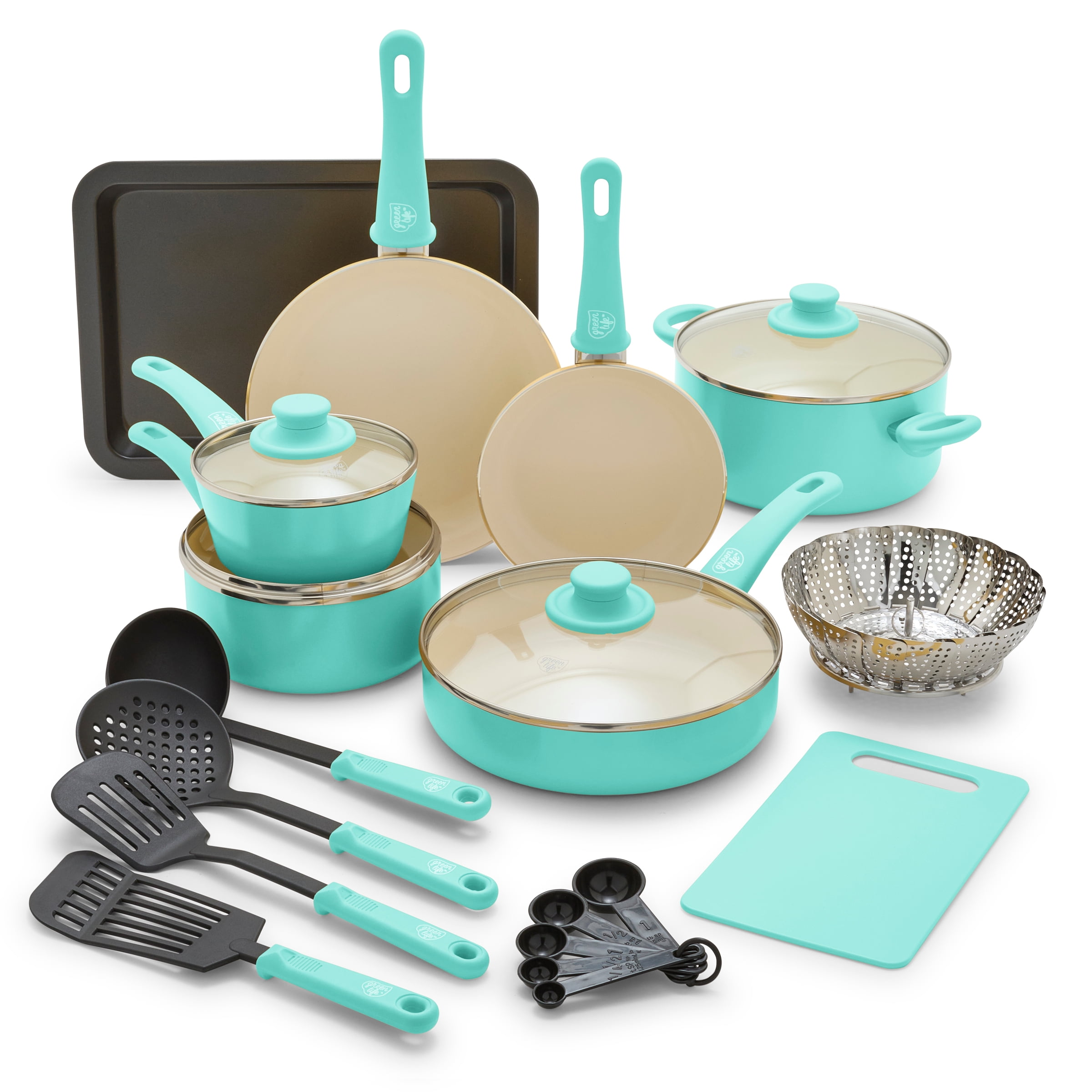
Credit: www.walmart.com
User Reviews And Feedback
Many people want to know if Greenlife Cookware is safe. User reviews and feedback offer real insights into this question. They show how the product performs in everyday kitchens. These opinions help buyers decide if Greenlife is right for them. Let’s explore what users say about their experience with Greenlife Cookware.
Positive Experiences
Users often praise Greenlife Cookware for its non-stick surface. Many say it cooks food evenly without burning. The ceramic coating gets high marks for being free from harmful chemicals like PFAS and PFOA. This makes it popular among health-conscious cooks.
Common positive points include:
- Easy cleaning: Food slides off easily, reducing scrubbing time.
- Lightweight design: The cookware is easy to handle and store.
- Attractive colors: Many users enjoy the bright, modern look.
- Good heat distribution: Ensures food cooks evenly on all burners.
Here is a simple table showing some top benefits users mention:
| Feature | User Feedback |
|---|---|
| Non-stick surface | Works well, no sticking or scraping needed |
| Health safety | Free from toxic chemicals, feels safer to use |
| Design | Lightweight and colorful, easy to use |
| Cleaning | Simple and quick, saves time |
Many users also appreciate Greenlife’s affordable price. It offers good quality without costing too much. This balance makes it a favorite in many homes.
Common Complaints
Some users report issues with the durability of Greenlife Cookware. The ceramic coating can wear off after months of use. Scratches and chips appear if metal utensils are used. These problems affect the cookware’s performance and safety.
Other frequent complaints include:
- Coating peeling: Happens after heavy cleaning or rough use.
- Not suitable for high heat: Overheating can damage the surface.
- Handles get hot: Users mention handles can become too warm to touch.
- Limited lifespan: Some say the cookware needs replacement sooner than expected.
The table below summarizes common drawbacks found in reviews:
| Issue | Effect |
|---|---|
| Coating wear | Food sticks more, less safe to cook |
| Heat sensitivity | Surface damage if used on high heat |
| Handle heat | Can cause burns if not careful |
| Short lifespan | Need to replace more often |
Proper care extends the cookware’s life. Users advise gentle cleaning and avoiding metal tools. Lower heat settings help keep the ceramic surface intact longer.
Comparing With Other Cookware Brands
Choosing the right cookware affects health and cooking results. Comparing Greenlife cookware with other brands helps you see its safety and value clearly. Many brands claim safety, but differences exist in materials, coatings, and testing. This section breaks down those differences to guide your choice.
Safety Standards
Greenlife cookware meets key safety standards that many popular brands also follow. Its main feature is a ceramic non-stick coating free from harmful chemicals like PFAS, PFOA, lead, and cadmium. These substances can harm health over time.
Here is a comparison of safety features for Greenlife and some common cookware brands:
| Brand | Non-Stick Coating | Free from PFAS/PFOA | Heavy Metal Safe | Oven Safe Temperature |
|---|---|---|---|---|
| Greenlife | Ceramic | Yes | Yes | Up to 350°F (175°C) |
| T-fal | PTFE (Teflon) | No (contains PFOA previously) | Yes | Up to 400°F (204°C) |
| Calphalon | Hard-Anodized Non-Stick | Yes | Yes | Up to 450°F (232°C) |
| Lodge | Cast Iron (No coating) | Yes | Yes | Up to 500°F (260°C) |
Greenlife’s ceramic coating reduces chemical risks and sticks less without toxic fumes. It suits people who want safer daily cooking. Some brands use PTFE coatings, which may release fumes if overheated. Cast iron is very safe but heavier and needs seasoning.
- Greenlife avoids harmful chemicals found in many non-stick pans.
- Its coating is less likely to chip or peel under normal use.
- Oven safety is moderate; avoid very high temperatures to protect coating.
- Other brands may offer higher heat tolerance but with more chemical risks.
Price Vs Quality
Greenlife cookware often costs less than premium brands but offers good quality for the price. It fits well into budgets while providing safer materials. Some brands charge more for metal quality or brand name without better safety.
Here is a price and quality comparison based on average retail prices and durability ratings:
| Brand | Average Price for 10-Piece Set | Durability Rating (1-5) | Non-Stick Longevity |
|---|---|---|---|
| Greenlife | $80 – $120 | 3.5 | 1.5 – 2 years with regular use |
| T-fal | $90 – $150 | 3 | 1 – 2 years |
| Calphalon | $150 – $250 | 4 | 3 – 5 years |
| Lodge | $70 – $130 | 5 | Indefinite (with seasoning) |
Key points about price and quality:
- Greenlife offers affordable cookware with safer ceramic coating.
- It may wear out faster than high-end brands but costs less upfront.
- Cast iron lasts longest but requires care and is heavy.
- Non-stick pans with PTFE may last a similar time but pose more health concerns.
- Higher price does not always mean safer or better for health.
Greenlife suits those who want a balance of safety and affordability. Its quality fits everyday cooking needs without major health risks.

Credit: www.greenlife-cookware.com
Tips For Safe Use
Greenlife cookware is popular for its non-toxic, ceramic nonstick surface. To keep it safe and lasting long, follow some simple tips. Proper use helps avoid health risks and protects the cookware’s quality. These tips cover how to cook correctly and how to avoid damage.
Proper Cooking Techniques
Using Greenlife cookware correctly ensures safe meals and extends the pan’s life. Start with low to medium heat. High heat can harm the ceramic coating. Greenlife pans heat quickly, so high heat is not needed.
- Preheat on low or medium heat: Prevents overheating and coating damage.
- Use suitable utensils: Wooden, silicone, or plastic tools avoid scratching.
- Add oil or butter: Helps prevent food from sticking and protects the surface.
- Avoid cooking sprays: They can create buildup and reduce nonstick performance.
Here is a simple guide for cooking temperatures:
| Heat Level | Use | Effect on Cookware |
|---|---|---|
| Low | Simmer, warm food | Safe, no damage |
| Medium | Regular cooking | Safe, maintains coating |
| High | Boiling, searing (brief) | Risk of coating damage |
Keep food moving gently with a spatula to avoid burning. Avoid cooking empty pans, which can overheat and harm the coating.
Avoiding Damage
Protect Greenlife cookware by handling it carefully. Avoid sudden temperature changes that cause warping or cracking. For example, don’t place a hot pan in cold water immediately.
- Hand wash only: Use warm water, mild soap, and a soft sponge.
- No abrasive cleaners: Avoid steel wool or harsh scrubbers.
- Store carefully: Use pan protectors or soft cloths between stacked pans.
- Do not use metal utensils: Prevents scratches that ruin the nonstick layer.
Follow this care checklist:
- Cool pans before washing.
- Wash gently with non-abrasive tools.
- Dry completely before storing.
- Use pan protectors if stacking.
Proper cleaning and storage keep the ceramic coating intact. Avoid dishwasher use, as it can wear the finish quickly. Treat the cookware gently to enjoy long-lasting, safe cooking.
Frequently Asked Questions
Is Greenlife Cookware Non-toxic And Safe To Use?
Greenlife Cookware is made with a non-toxic ceramic coating. It contains no PFAS, PFOA, lead, or cadmium. This makes it a safer option compared to traditional non-stick pans. Users can cook without worrying about harmful chemical exposure.
Can Greenlife Cookware Withstand High Cooking Temperatures?
Greenlife Cookware is safe up to 850°F (450°C). However, it is best to cook at medium or low heat for longevity. High heat may degrade the ceramic coating faster. Moderate temperatures ensure safe and durable cooking performance.
Is Greenlife Cookware Dishwasher Safe?
Yes, Greenlife Cookware is dishwasher safe. However, hand washing with mild detergent is recommended. This helps preserve the ceramic coating and extends the cookware’s lifespan. Regular maintenance keeps the cookware safe and efficient.
Does Greenlife Cookware Release Harmful Chemicals When Scratched?
Greenlife’s ceramic coating is free from harmful chemicals. Even if scratched, it won’t release toxic fumes. However, it’s best to avoid metal utensils to prevent damage. Using silicone or wooden tools prolongs the cookware’s safety and durability.
Conclusion
Greenlife Cookware offers a safe cooking option for many users. Its ceramic coating reduces harmful chemicals in food. The non-stick surface helps cook with less oil. Regular care keeps the pans in good shape. Always check for scratches or damage before use.
Choosing Greenlife means choosing a healthier kitchen tool. It fits well for everyday cooking needs. Trust your experience and watch how it performs. Safe, simple, and practical cookware matters most.

Hello, This is Annie Walker, a 38-year-old blogger, founder, and editor of Cookware Guider from NY, USA. I am a cookware fanatic and passionate cooker. I love to cook with different types of cooking appliances (example: all types of cookware, rice cookers, slow cookers, etc) almost every day in my kitchen. I love to share my experience with my readers in my blog. Also, I enjoy helping people to solve their problems through my website. You can follow me on Twitter & Pinterest. To know details about my blog please check the about us page.