
Have you ever wondered if cooking with copper cookware is really safe for you and your family? Copper pots and pans look beautiful and heat up quickly, making them a favorite in many kitchens.
But what about the risks? Could using copper cookware affect your health or the taste of your meals? You’ll discover the truth about copper cookware safety. By the end, you’ll know exactly what to look for to keep your cooking both delicious and safe.
Keep reading—your next meal might depend on it!

Credit: www.reddit.com
Benefits Of Copper Cookware
Copper cookware has been used for centuries due to its unique properties and beauty. Many wonder, is it safe to cook with copper cookware? Beyond safety, copper pots and pans offer several benefits that make them a popular choice in kitchens worldwide. Understanding these benefits helps you appreciate why copper remains a top material for cooking tools.
Superior Heat Conductivity
Copper is one of the best metals for conducting heat. It transfers heat quickly and evenly, allowing precise control over cooking temperatures. This quality makes copper cookware ideal for recipes requiring careful heat management.
Key points about copper’s heat conductivity:
- Heats up fast, reducing cooking time.
- Responds instantly to temperature changes.
- Prevents hot spots that burn food.
The table below compares copper’s thermal conductivity with other common cookware metals:
| Material | Thermal Conductivity (W/m·K) |
|---|---|
| Copper | 401 |
| Aluminum | 237 |
| Stainless Steel | 16 |
With such high heat conductivity, copper cookware delivers reliable and consistent cooking results. It lets cooks adjust heat quickly to avoid overcooking or undercooking.
Even Cooking Results
Uneven heating can spoil food texture and flavor. Copper’s excellent heat distribution prevents this problem. It ensures the entire cooking surface stays at a steady temperature.
Benefits of even cooking with copper:
- Food cooks uniformly without burnt spots.
- Maintains moisture and flavor better.
- Reduces the need for constant stirring or turning.
Even heat helps with delicate dishes like sauces, custards, and chocolates. Copper pans allow gentle simmering without hotspots that cause curdling or burning.
Professional chefs prefer copper cookware for this very reason. They can trust their food will cook evenly, improving taste and appearance every time.
Aesthetic Appeal
Copper cookware adds charm and elegance to any kitchen. Its warm, shiny reddish tone stands out compared to stainless steel or aluminum pots.
Visual benefits of copper cookware:
- Brightens kitchen space with its unique color.
- Develops a natural patina that adds character over time.
- Often designed with classic, timeless shapes.
Many people display copper pans as kitchen decor. They look beautiful hanging from racks or resting on shelves.
Besides functionality, copper cookware makes cooking feel special. It invites you to enjoy your kitchen space and the cooking process itself.
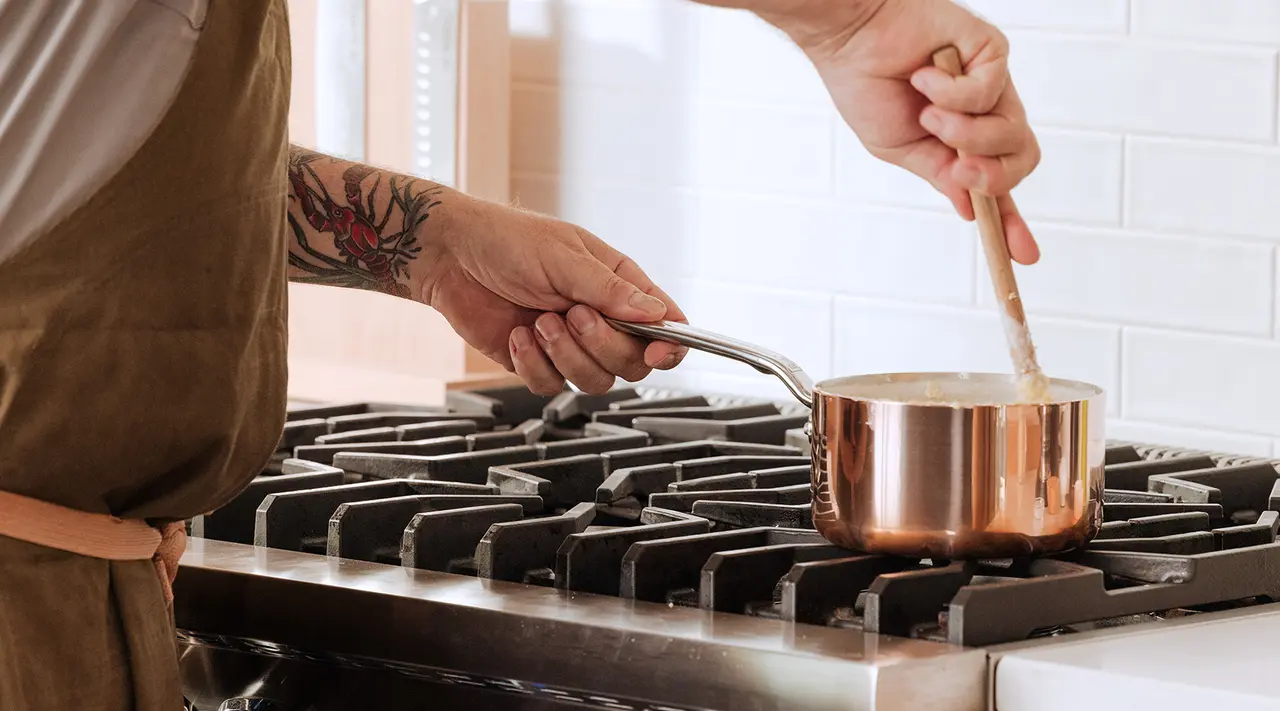
Credit: madeincookware.com
Potential Health Risks
Cooking with copper cookware has been popular for centuries due to its excellent heat conductivity and beautiful appearance. Yet, concerns about its safety arise from potential health risks. Copper is an essential mineral but can be harmful if consumed in excess. Understanding these risks helps in using copper cookware wisely and safely.
Copper Toxicity Concerns
Copper toxicity occurs when the body absorbs too much copper. While copper is vital for many bodily functions, excess amounts can cause serious health problems. The risk increases if copper from cookware gets into food regularly, especially acidic or salty dishes.
Key points about copper toxicity:
- Copper is essential for forming red blood cells and maintaining nerve cells.
- Too much copper can damage the liver and kidneys.
- Long-term exposure may lead to neurological problems.
- People with Wilson’s disease must avoid copper exposure completely.
Safe copper levels in food are regulated in many countries. Copper cookware lined with stainless steel or tin reduces the risk. Unlined copper can release copper ions into food, especially during cooking of acidic foods like tomatoes or vinegar-based sauces.
Risk Of Metal Leaching
Metal leaching means copper particles or ions dissolve into food during cooking. This happens more often with unlined copper pots and pans. Acidic foods increase copper leaching, which can raise copper levels in meals to unsafe limits.
Factors increasing copper leaching:
- Cooking acidic or salty foods.
- Using unlined or poorly maintained copper cookware.
- Cooking for long periods at high temperatures.
- Wear and tear or damage to the lining.
Here is a quick reference table for copper leaching risk:
| Type of Cookware | Leaching Risk | Food Types |
|---|---|---|
| Unlined Copper | High | Acidic, salty, cooked long |
| Tin-Lined Copper | Low | All food types |
| Stainless Steel-Lined Copper | Minimal | All food types |
Regularly checking and maintaining the lining of copper cookware keeps leaching risks low. Avoid using damaged or scratched copper pots for cooking.
Symptoms Of Copper Overexposure
Eating too much copper can cause various health symptoms, some mild and others serious. Symptoms depend on the level and duration of copper overexposure. Early signs often appear within hours after consuming high copper amounts.
Common symptoms of copper overexposure include:
- Nausea and vomiting
- Abdominal pain and cramps
- Diarrhea
- Headache
- Dizziness
Severe or long-term exposure may lead to:
- Liver damage
- Kidney failure
- Neurological issues such as mood changes and memory problems
People exposed to too much copper should seek medical advice immediately. Copper poisoning is rare but can be serious if untreated. Using copper cookware safely helps avoid these health problems.
Safe Usage Tips
Cooking with copper cookware offers excellent heat control and beautiful kitchen aesthetics. Yet, safety concerns arise because copper can react with certain foods. Following safe usage tips helps avoid health risks and keeps your cookware in great shape. These tips focus on choosing the right pots, avoiding harmful foods, and proper cleaning methods.
Choosing Lined Copper Pots
Pure copper cookware can release copper into food, which may cause health issues if consumed in large amounts. To reduce this risk, select lined copper pots. These have a protective layer inside that stops copper from touching food directly.
Common lining materials include:
- Tin: Traditional lining, soft and needs periodic replacement.
- Stainless steel: Durable and low maintenance, but may affect heat distribution slightly.
Here is a simple comparison table:
| Lining Type | Durability | Maintenance | Heat Conductivity |
|---|---|---|---|
| Tin | Moderate | Requires re-tinning | Excellent |
| Stainless Steel | High | Low | Good |
Always check the lining condition before cooking. If the lining is worn or damaged, copper may leach into food. Replace or reline the pot to stay safe.
Avoiding Acidic Foods
Acidic foods react strongly with copper, causing the metal to dissolve into the dish. This increases the risk of copper poisoning. Foods to avoid cooking in unlined copper pots include:
- Tomatoes and tomato sauces
- Citrus fruits and juices
- Vinegar-based dishes
- Wine and other acidic beverages
Even with lined copper cookware, it is best to limit cooking acidic foods for long periods. Short exposure usually does not cause harm, but long cooking times increase copper transfer.
Use other cookware types like stainless steel or enamel-coated pots for acidic recipes. This simple step helps protect your health and preserves your copper cookware’s lining.
Proper Maintenance And Cleaning
Cleaning copper cookware correctly extends its life and keeps it safe for cooking. Use gentle methods and avoid harsh chemicals that can damage the lining or copper surface.
Follow these maintenance tips:
- Wash with warm, soapy water using a soft sponge.
- Dry immediately to prevent water spots and tarnishing.
- Polish the outside with a copper cleaner or natural remedies like lemon and salt.
- Inspect the lining regularly for cracks or wear.
Avoid these common mistakes:
- Never use abrasive pads or steel wool.
- Do not put copper cookware in the dishwasher.
- Avoid soaking copper pots for long periods.
Proper care keeps copper cookware looking beautiful and safe. Treat your pots gently to enjoy their benefits for years.
:max_bytes(150000):strip_icc()/__opt__aboutcom__coeus__resources__content_migration__serious_eats__seriouseats.com__2018__12__20181116-copper-pot-making-vicky-wasik-18-ee43034ff3634c8e834f58387fd9c330.jpg)
Credit: www.seriouseats.com
Comparing Copper To Other Cookware
Copper cookware has long been prized for its excellent heat conductivity and beautiful appearance. But many wonder about its safety and how it compares to other popular cookware materials. Understanding the differences helps choose the right cookware for health, cooking style, and maintenance. This section compares copper to stainless steel, cast iron, and non-stick pans, focusing on safety, durability, and cooking performance.
Copper Vs Stainless Steel
Copper heats up faster and more evenly than stainless steel. This means food cooks more uniformly without hot spots. Copper pans respond quickly to changes in heat, giving precise temperature control. Stainless steel takes longer to heat and cool, which can cause uneven cooking.
Safety is a key difference. Pure copper can react with acidic foods, releasing copper ions that may be harmful. Most copper cookware has a lining made of stainless steel or tin to prevent this. Stainless steel pans are non-reactive and safe for all foods.
| Feature | Copper | Stainless Steel |
|---|---|---|
| Heat Conductivity | Excellent | Moderate |
| Reactivity | Reactive (without lining) | Non-reactive |
| Durability | Soft, can dent | Very durable |
| Maintenance | Requires polishing | Easy to clean |
- Copper cooks faster but needs careful care.
- Stainless steel is low maintenance and safe for all foods.
- Use copper with proper lining to avoid safety risks.
Copper Vs Cast Iron
Copper and cast iron differ greatly in how they conduct heat. Copper heats up very quickly and cools down fast. Cast iron takes longer to heat but retains heat for a long time. This makes cast iron perfect for slow cooking and searing.
Cast iron is very durable and can last generations. It can leach small amounts of iron into food, which is safe and can boost iron intake. Copper needs a protective lining to avoid metal exposure. Cast iron requires seasoning to keep food from sticking and to prevent rust.
| Feature | Copper | Cast Iron |
|---|---|---|
| Heat Conductivity | Fast and even | Slow but retains heat |
| Reactivity | Reactive (without lining) | Minimal, adds iron |
| Durability | Soft, can dent | Extremely durable |
| Maintenance | Needs polishing and care | Needs seasoning and drying |
- Copper offers quick heat changes; cast iron holds heat longer.
- Cast iron can add iron to your diet safely.
- Copper requires more upkeep to stay safe and shiny.
Copper Vs Non-stick
Non-stick cookware is popular for easy cooking and cleaning. Copper provides superior heat control but lacks a non-stick surface. Most copper pans are lined with a thin layer of tin or stainless steel, which is not non-stick.
Non-stick pans reduce the need for oil and prevent food from sticking. They use coatings like Teflon that can wear off over time. Copper does not have this coating but offers better heat performance for recipes needing precise temperature.
| Feature | Copper | Non-Stick |
|---|---|---|
| Heat Conductivity | Excellent, precise control | Lower, uneven heat |
| Non-Stick Surface | No (unless lined) | Yes |
| Durability | Can dent, needs care | Coating can wear off |
| Maintenance | Requires polishing and gentle cleaning | Easy to clean, avoid metal utensils |
- Copper offers precise cooking but no natural non-stick.
- Non-stick pans are easy for low-fat cooking.
- Choose copper for heat control; non-stick for convenience.
Signs It’s Time To Replace Copper Cookware
Copper cookware is prized for its excellent heat conductivity and elegant appearance. Many home cooks enjoy using it for precise temperature control. Still, safety is a top concern, especially as copper can react with food if the cookware’s lining wears out. Knowing when to replace copper cookware keeps your meals safe and your kitchen efficient. Watch for clear signs that your copper pots or pans need replacement.
Worn Or Damaged Lining
Most copper cookware is lined with another metal, like tin or stainless steel, to prevent copper from touching food directly. This lining protects you from copper exposure, which can be harmful if ingested in large amounts. Over time, the lining can wear down, peel, or get scratched. Cooking with damaged lining increases the risk of copper leaching into your food.
Signs your lining is worn or damaged:
- Scratches or visible peeling inside the pan
- Uneven surface or rough spots
- Food sticking more than usual
- Faster discoloration of the lining
Here is a simple checklist for assessing your cookware’s lining:
| Condition | Action |
|---|---|
| Minor scratches | Monitor closely; avoid abrasive cleaning |
| Large scratches or peeling | Stop using; consider re-tinning or replacement |
| Complete loss of lining | Replace immediately for safety |
Regular inspection helps maintain safety. Avoid metal utensils that can damage the lining. Use wooden or silicone tools instead.
Visible Corrosion
Corrosion on copper cookware appears as greenish or bluish spots, called verdigris. This substance forms when copper reacts with moisture and air. Verdigris is toxic and can contaminate food. Spotting corrosion means your cookware is unsafe to use.
Common corrosion signs:
- Green or blue-green patches on copper surface
- Pitted or rough texture on outside or inside
- Unpleasant metallic smell
Table showing corrosion severity and recommended action:
| Corrosion Level | Appearance | Recommended Action |
|---|---|---|
| Light | Small green spots, mainly outside | Clean with vinegar and salt; dry well |
| Moderate | Spots spreading, some pitting | Discontinue use until repaired or replaced |
| Severe | Widespread corrosion, deep pits | Replace cookware immediately |
Cleaning copper regularly prevents corrosion. Store cookware in dry places. Avoid leaving wet food or water inside copper pots.
Changes In Cooking Performance
Copper’s value lies in its ability to heat evenly and quickly. When cooking performance declines, it signals problems with your cookware’s condition. Pay attention to these changes:
- Hot spots causing food to burn in some areas
- Longer cooking times than usual
- Uneven browning or inconsistent heat distribution
- Warped or misshaped pans that sit unevenly on the stove
These issues often mean the copper or lining is compromised. Warping affects heat contact; worn lining reduces heat transfer. This leads to poor cooking results and increases safety risks.
Use this simple guide to evaluate performance issues:
- Check pan shape: flat pans heat better.
- Inspect lining for damage or thinning.
- Test cooking with water: boil and observe heating.
- Replace cookware if performance is poor and damage is visible.
Maintaining good cooking performance ensures your copper cookware stays safe and effective. Replace damaged or warped pieces to keep cooking safe and enjoyable.
Frequently Asked Questions
Is Copper Cookware Safe For Everyday Cooking?
Copper cookware is safe if lined with stainless steel or tin. Unlined copper can leach into food, causing health risks. Properly maintained lined copper pans offer excellent heat conductivity and durability for daily use without safety concerns.
Can Copper Cookware Cause Copper Poisoning?
Copper poisoning is rare with lined copper cookware. Unlined copper reacts with acidic foods, releasing copper ions. This can lead to nausea or stomach issues. Always use lined copper pots to avoid contamination and ensure safe cooking.
How To Maintain Copper Cookware Safely?
Clean copper cookware with mild soap and soft cloths. Avoid harsh abrasives that damage the lining. Regularly polish the exterior for shine. Inspect the lining to prevent copper exposure, ensuring safe and long-lasting use.
Does Copper Cookware Affect Food Taste?
Copper cookware does not alter food taste when properly lined. The lining prevents metal contact with food, preserving flavor. Proper maintenance ensures no metallic taste or contamination during cooking.
Conclusion
Copper cookware offers excellent heat control and cooking results. It is safe when lined with stainless steel or tin. Avoid using unlined copper pots for acidic foods. Regular cleaning keeps copper free from harmful buildup. Choose quality copper cookware and follow care instructions.
Your kitchen can benefit from copper’s beauty and performance. Cook smart, stay safe, and enjoy tasty meals every day.

Hello, This is Annie Walker, a 38-year-old blogger, founder, and editor of Cookware Guider from NY, USA. I am a cookware fanatic and passionate cooker. I love to cook with different types of cooking appliances (example: all types of cookware, rice cookers, slow cookers, etc) almost every day in my kitchen. I love to share my experience with my readers in my blog. Also, I enjoy helping people to solve their problems through my website. You can follow me on Twitter & Pinterest. To know details about my blog please check the about us page.