
When you’re choosing cookware, safety is probably one of your top concerns. You want pots and pans that won’t release harmful chemicals or damage your health.
So, is Made In cookware really safe to use in your kitchen? This question matters because what you cook with can affect not just the taste, but also your well-being. Keep reading to discover the truth about Made In cookware and find out if it’s the right choice for you and your family.
Materials Used In Made In Cookware
Choosing safe cookware matters for health and cooking quality. Made In Cookware is popular for its build and materials. Understanding the materials used helps assess safety and durability. This section explains the main materials in Made In Cookware and how they affect safety.
Stainless Steel Composition
Made In Cookware uses high-grade stainless steel, mainly 18/10 stainless steel. This means it contains 18% chromium and 10% nickel. Chromium adds rust resistance, while nickel increases shine and durability.
Key features of 18/10 stainless steel:
- Corrosion resistance: Prevents rust and staining.
- Non-reactive surface: Does not release harmful chemicals into food.
- Durability: Resists dents and scratches.
Here is a simple table showing common stainless steel grades used in cookware:
| Grade | Chromium % | Nickel % | Properties |
|---|---|---|---|
| 18/10 | 18 | 10 | High rust resistance and shine |
| 18/8 | 18 | 8 | Good corrosion resistance |
| 18/0 | 18 | 0 | Less corrosion resistance, no nickel |
Made In Cookware’s use of 18/10 stainless steel ensures safe cooking. It does not leach metals into food, even at high heat. This grade also resists stains and keeps cookware looking new for longer.
Non-toxic Coatings
Some Made In Cookware pieces have non-stick coatings. These coatings are free from harmful chemicals like PFOA and PTFE. This means they do not release toxic fumes when heated.
Common features of Made In’s non-toxic coatings:
- PTFE-free options: Safer at high temperatures.
- Durable surface: Resists scratches and peeling.
- Easy to clean: Food slides off without sticking.
Non-toxic coatings improve safety by reducing chemical exposure. They also make cooking and cleaning easier. Users avoid harmful substances that older non-stick pans might release.
Made In selects coatings that meet strict safety standards. These coatings are tested for heavy metals and toxins. This guarantees no harmful chemicals transfer to food during cooking.
Impact Of Material Quality On Safety
Material quality directly affects cookware safety and performance. Low-quality materials can release metals or chemicals into food. They also wear out faster, increasing risk over time.
High-quality materials provide these safety benefits:
- Stable cooking surface: No chemical breakdown at cooking temperatures.
- Resistance to rust: Prevents contamination from rust particles.
- Long-lasting durability: Avoids cracks and peeling that trap bacteria.
Made In Cookware uses premium materials only. This reduces risks of metal leaching or toxic exposure. Their manufacturing process includes strict quality controls to maintain safety standards.
Simple tips to ensure cookware safety:
- Check for stainless steel grade (preferably 18/10).
- Use non-toxic coatings without PFOA or PTFE.
- Avoid damaged or scratched cookware.
Maintaining cookware well also keeps it safe. Clean gently and avoid metal utensils on coated surfaces. Proper care extends the life and safety of your Made In cookware.
Health Benefits Of Made In Cookware
Choosing the right cookware affects health and food quality. Made In cookware offers several health benefits by focusing on safe materials and smart design. This cookware reduces risks linked to toxic substances and supports better cooking habits. Understanding these benefits helps you cook safely every day and keep your family healthy.
Non-reactive Cooking Surface
Made In cookware features a non-reactive cooking surface. This means the surface does not react with acidic or alkaline foods. Many cookware types can release metals or chemicals when heated with certain ingredients. Made In cookware avoids this problem.
Benefits of a non-reactive surface:
- Prevents food contamination with metals or toxins
- Preserves food taste without metallic or strange flavors
- Allows cooking with tomatoes, lemon, and vinegar safely
Many Made In products use stainless steel or anodized aluminum with a special finish. This finish creates a strong barrier between food and metal. The surface stays stable even at high temperatures.
| Material | Reactivity | Health Impact |
|---|---|---|
| Stainless Steel (Made In) | Non-reactive | Safe for all food types |
| Cast Iron (Uncoated) | Reactive with acid | May affect food flavor and metal intake |
| Aluminum (Uncoated) | Reactive | Can leach into food, health risk |
Non-reactive surfaces support healthy cooking and reduce unwanted chemical exposure. Made In cookware ensures this safety by using high-quality materials and finishes.
Avoidance Of Harmful Chemicals
Made In cookware avoids harmful chemicals found in many other brands. Some cookware contains PFOA, PFAS, lead, or cadmium. These chemicals can cause health problems over time.
Key points about chemical safety in Made In cookware:
- No PFOA or PFAS: These are toxic chemicals used in some nonstick coatings.
- Lead and cadmium-free: Made In products meet strict safety standards to exclude heavy metals.
- Safe nonstick options: If nonstick, coatings are ceramic or other safe materials.
The company tests every product for chemical safety. This ensures your cookware does not release toxins during cooking. Using Made In cookware lowers risk of chemical exposure in your kitchen.
Here is a comparison of common cookware chemicals and their risks:
| Chemical | Common Use | Health Risk |
|---|---|---|
| PFOA/PFAS | Nonstick coatings | Linked to cancer, hormone disruption |
| Lead | Cheap ceramic glazes | Brain damage, especially in children |
| Cadmium | Low-quality metal alloys | Kidney damage, bone weakness |
| Made In Cookware | Safe metals and coatings | No harmful chemical release |
Durability And Long-term Safety
Made In cookware is built for long-term use. Durable cookware reduces waste and the need to replace pots often. Frequent replacement can expose users to old, worn cookware that may leach metals or chemicals.
Durability benefits include:
- Strong materials resist warping and scratching
- Coatings stay intact longer, preventing chemical release
- Easy maintenance keeps cookware safe over years
Using durable cookware means safer cooking over time. Made In products use high-grade stainless steel and hard-anodized aluminum. These materials handle heat well and resist damage.
Durability also means:
- Better heat distribution, reducing burnt food
- Less chance of surface breakdown
- Lower long-term exposure to toxic metals
Investing in durable cookware lowers health risks linked to damaged pans. Made In cookware supports safe cooking habits with quality and lasting construction.
Potential Safety Concerns
When choosing cookware, safety is a top priority. Made In cookware is popular for its quality, but some users wonder about its safety. Potential safety concerns often focus on materials used and how they affect health. Understanding these concerns helps buyers make smart decisions. This section looks at metal leaching risks, proper usage and maintenance, and how Made In compares with other brands.
Metal Leaching Risks
Metal leaching happens when tiny amounts of metals transfer from cookware to food. This can occur with certain metals under high heat or acidic conditions. Made In cookware uses stainless steel, which is generally safe. Still, some concerns exist about nickel and chromium leaching.
Key points about metal leaching in Made In cookware:
- Stainless steel is non-reactive but may release small metal traces.
- Acidic foods like tomato sauce can increase metal leaching.
- High cooking temperatures may raise leaching risks.
- People with nickel allergies should be cautious.
Studies show the amount of metal leached is usually below harmful levels. Made In cookware meets safety standards and uses high-grade 18/10 stainless steel. This type contains 18% chromium and 10% nickel, offering durability and corrosion resistance.
| Metal | Possible Effect | Leaching Risk in Made In Cookware |
|---|---|---|
| Nickel | Allergic reactions in sensitive people | Low, but caution advised for allergies |
| Chromium | Generally safe; high doses can cause irritation | Very low under normal use |
| Iron | Beneficial mineral; excess can cause taste changes | Minimal leaching |
Proper cooking methods reduce metal leaching risks. Avoid cooking very acidic foods for long times in stainless steel. Overall, Made In cookware shows low metal leaching, making it safe for daily use.
Proper Usage And Maintenance
Correct use and care keep Made In cookware safe and long-lasting. Following simple steps prevents damage and potential safety issues.
Usage tips:
- Preheat pans on medium heat, not high heat.
- Avoid cooking very acidic or salty foods for long periods.
- Use wooden, silicone, or plastic utensils to avoid scratching.
- Do not use cookware with chipped or damaged surfaces.
Maintenance advice:
- Hand wash with mild detergent; avoid harsh scrubbers.
- Dry thoroughly to prevent water spots and rust.
- Polish occasionally with stainless steel cleaner for shine.
- Store in a dry place to avoid moisture buildup.
Ignoring these guidelines can cause surface damage or discoloration. Damaged cookware might leach more metals and lose its non-stick properties. Regular cleaning and careful handling extend cookware life.
Proper care also ensures heat distributes evenly. Uneven heating can cause hot spots, risking food burning or metal wear. Made In cookware is designed for durability, but users must maintain it well.
Comparison With Other Cookware Brands
Made In cookware competes with brands like All-Clad, Cuisinart, and Calphalon. Comparing safety features helps understand its standing.
| Brand | Material | Metal Leaching Risk | Maintenance | Price Range |
|---|---|---|---|---|
| Made In | 18/10 Stainless Steel | Low | Hand wash, avoid harsh tools | Mid to High |
| All-Clad | 18/10 Stainless Steel, Copper Core | Low | Hand wash recommended | High |
| Cuisinart | 18/10 Stainless Steel | Low to Medium | Dishwasher safe, but hand wash preferred | Low to Mid |
| Calphalon | Hard-Anodized Aluminum | Very Low (non-reactive surface) | Hand wash recommended | Mid |
Made In offers a solid balance of safety, durability, and price. Its stainless steel quality is on par with premium brands. Some cheaper brands may use lower-grade metals, increasing leaching risks.
Brands with non-stick or anodized surfaces may avoid metal leaching but need careful maintenance to avoid coating damage. Made In’s stainless steel is strong and less prone to wear.
Choosing cookware depends on cooking habits and budget. Made In cookware scores well in safety when cared for properly.
Credit: adelaideepic.org
User Reviews And Expert Opinions
Many people ask, Is Made In cookware safe? To answer this, we look at user reviews and expert opinions. Real users share their hands-on experiences. Experts analyze the materials and safety standards. This section explores both perspectives to give a clear view of the cookware’s safety.
Consumer Experiences
Consumers often praise Made In cookware for its durability and cooking performance. Many users report even heating and easy cleaning. Some common points from reviews include:
- Non-toxic materials: Users feel confident cooking without harmful chemicals.
- Heat retention: Cookware holds heat well, saving energy.
- Comfortable handles: Many find the handles easy to grip and safe to use.
- Long-lasting: Several customers mention using the cookware for years without damage.
Here is a summary of typical user feedback:
| Feature | Positive Feedback | Negative Feedback |
|---|---|---|
| Build Quality | Sturdy, well-made | Some say heavy for daily use |
| Cooking Performance | Even heat distribution | Requires seasoning for best results |
| Safety | No harmful chemicals detected | Handles get hot without oven mitts |
Overall, most consumers trust the product for safe cooking. Few concerns mostly relate to handling care.
Chef Recommendations
Professional chefs often recommend Made In cookware for its quality and safety. They focus on materials and performance for daily kitchen use. Key reasons chefs endorse this brand include:
- High-quality stainless steel: Chefs appreciate its resistance to rust and corrosion.
- Safe non-toxic surfaces: No harmful coatings that could affect food taste or health.
- Efficient heat conduction: Allows precise cooking control.
- Durability: Withstands heavy kitchen use without warping or damage.
Some chefs highlight that the cookware is suitable for various cooking styles, such as searing, frying, and simmering. They also note the ergonomic design helps prevent accidents during busy kitchen hours.
Here is what some chefs say:
- “The cookware heats evenly and cleans easily.”
- “No chemical smell or taste in food.”
- “Handles stay secure, reducing burn risks.”
- “Perfect for both home and professional kitchens.”
Chefs value the balance between safety and performance. This makes Made In cookware a trusted choice for many kitchens.
Safety Certifications And Testing
Safety certifications prove cookware meets health and safety rules. Made In cookware holds several important certifications. These confirm the product is free from harmful substances and safe to use.
Common certifications include:
- FDA Approval: Ensures materials are safe for food contact.
- LFGB Certification: A German safety standard for food contact materials.
- Prop 65 Compliance: Limits exposure to harmful chemicals.
Testing involves checking for:
- Heavy metal leaching
- Toxic chemical presence
- Durability under heat
Here is a simple table showing the certifications and their importance:
| Certification | Purpose | Benefit to Users |
|---|---|---|
| FDA Approval | Food safety regulation | Safe for cooking food |
| LFGB Certification | Material safety in Europe | Ensures no toxic chemicals |
| Prop 65 Compliance | Limits chemical exposure | Protects health of users |
Safety testing and certifications give strong proof of Made In cookware’s safety. These guarantees offer peace of mind for users.
Tips For Safe Use Of Made In Cookware
Made In cookware is known for its quality and durability, but safe use is key to keep it lasting long and performing well. Following simple tips helps protect the cookware and ensures your food stays healthy. Proper care and handling reduce risks like damage or harmful chemical release. Here are practical tips for using Made In cookware safely every day.
Cleaning Best Practices
Cleaning Made In cookware correctly keeps it in top shape. Avoid harsh scrubbing that can damage the surface. Use warm water, mild dish soap, and a soft sponge or cloth. For stuck-on food, soak the pan in warm soapy water before cleaning. This loosens residues without scratching.
- Do not use steel wool or abrasive cleaners.
- Hand wash only: Avoid the dishwasher as it can dull the finish.
- Dry immediately: Use a soft towel to prevent water spots and rust.
For stainless steel parts, a paste of baking soda and water can remove stains gently. Non-stick surfaces need extra care—never use metal utensils or sharp tools during cleaning. Store cookware dry and clean to avoid bacteria and bad odors.
| Cleaning Method | Recommended | Not Recommended |
|---|---|---|
| Dishwasher | No | Yes – damages finish |
| Hand Wash | Yes – with mild soap | No harsh scrubbers |
| Soaking | Yes – for stuck food | Prolonged soaking in water |
Avoiding Overheating
Overheating Made In cookware can cause warping and damage the non-stick layer. Always start cooking on low or medium heat and increase only if needed. High heat can release harmful fumes from non-stick surfaces and ruin the pan’s coating.
Use these tips to avoid overheating:
- Preheat pans on low heat for a few minutes.
- Do not leave empty pans on a hot burner.
- Use medium or low heat for cooking most foods.
- Turn off heat immediately after cooking.
Induction and gas stoves heat differently, so adjust heat settings carefully. If you notice smoke or unusual smells, reduce heat right away. Overheated pans lose their non-stick ability and may discolor.
| Heat Level | Use Case | Risk of Overheating |
|---|---|---|
| Low | Simmering, gentle cooking | Minimal |
| Medium | Regular frying, sautéing | Low |
| High | Boiling water, searing (brief) | High – avoid prolonged use |
Storage And Handling
Proper storage and handling extend the life of Made In cookware. Always store pans in a dry place. Avoid stacking heavy pots on top of non-stick pans to prevent scratches and dents. Use pan protectors or soft cloths between stacked cookware.
When handling, use oven mitts or pot holders to avoid burns. Lift pans carefully to prevent dropping or banging on hard surfaces. Check handles and lids regularly for tightness to avoid accidents.
- Do not drop or bang cookware.
- Use pan protectors when stacking.
- Store lids separately or upside down.
- Keep cookware dry to prevent rust.
Proper handling also means using the right utensils. Wooden, silicone, or plastic tools protect the surface better than metal ones. Regularly inspect your cookware for damage or wear and replace if needed to keep cooking safe and efficient.

Credit: www.amazon.com
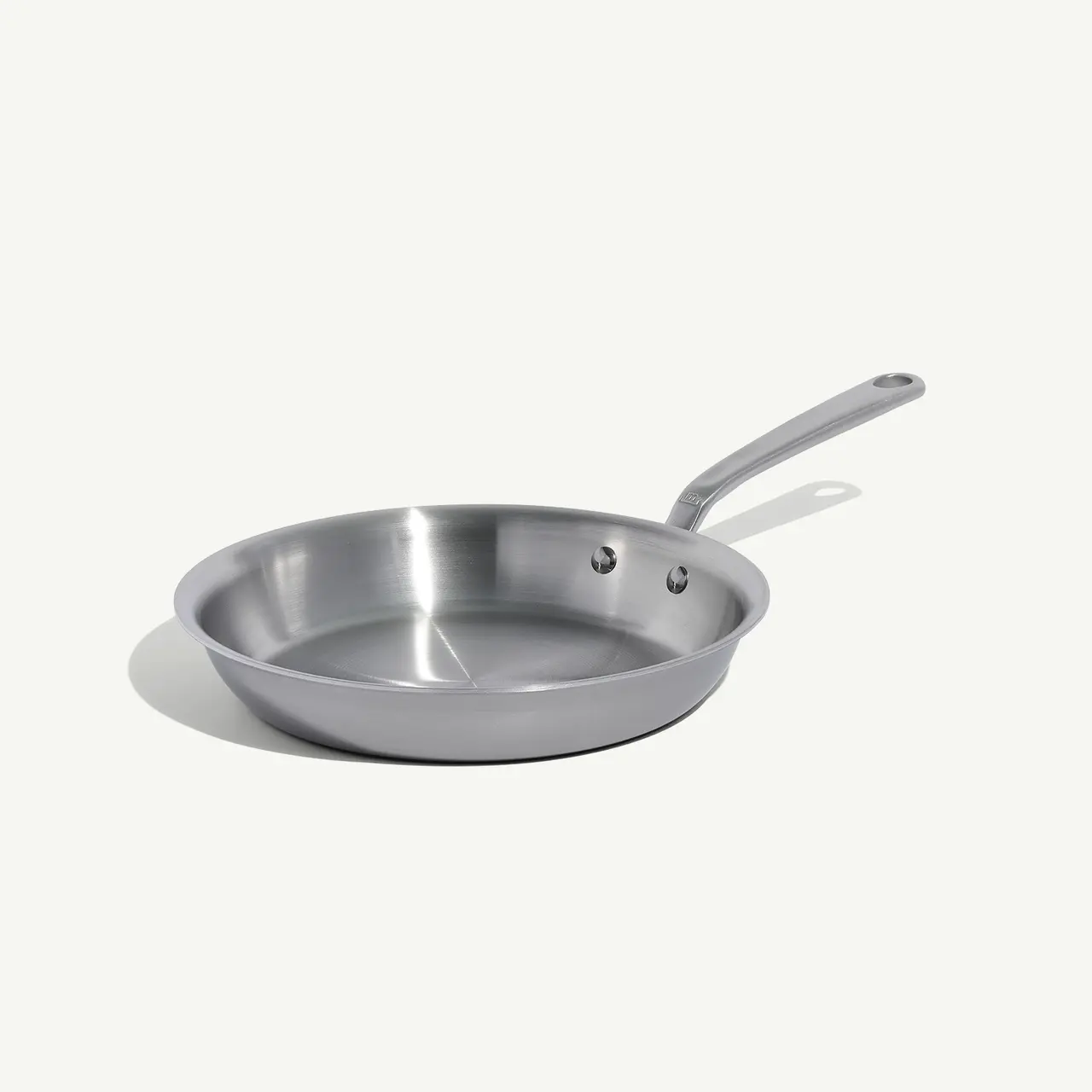
Credit: madeincookware.com
Frequently Asked Questions
Is Made In Cookware Non-toxic And Safe For Cooking?
Yes, Made In Cookware uses high-quality, non-toxic materials. Their products are free from harmful chemicals like PFOA and PTFE. This ensures safe cooking without toxic fumes or leaching, making them a healthy choice for everyday use.
What Materials Are Used In Made In Cookware?
Made In Cookware primarily uses stainless steel, carbon steel, and ceramic non-stick coatings. These materials offer durability, heat retention, and safe cooking surfaces. They avoid harmful substances, ensuring the cookware is both safe and long-lasting.
Can Made In Cookware Withstand High Cooking Temperatures?
Yes, Made In Cookware is designed to handle high heat. Their stainless steel and carbon steel pans tolerate oven temperatures up to 600°F. This makes them safe for searing, frying, and oven use without degrading or releasing toxins.
Is Made In Cookware Dishwasher Safe?
Most Made In Cookware items are dishwasher safe, especially stainless steel pieces. However, hand washing is recommended for ceramic-coated pans to preserve the non-stick surface. Proper care extends the cookware’s lifespan and maintains safety.
Conclusion
Made In cookware offers good quality and safe materials. It uses non-toxic coatings that resist scratching and peeling. Cooking with this cookware reduces the risk of harmful chemicals in your food. Cleaning is easy, saving time in the kitchen. Many users find it durable and reliable for daily use.
Choosing safe cookware helps protect your health and family. Trusting Made In means choosing a product designed with care. Safe cooking starts with the tools you pick. Made In cookware fits that need well.

Hello, This is Annie Walker, a 38-year-old blogger, founder, and editor of Cookware Guider from NY, USA. I am a cookware fanatic and passionate cooker. I love to cook with different types of cooking appliances (example: all types of cookware, rice cookers, slow cookers, etc) almost every day in my kitchen. I love to share my experience with my readers in my blog. Also, I enjoy helping people to solve their problems through my website. You can follow me on Twitter & Pinterest. To know details about my blog please check the about us page.