
Are you thinking about adding Magnalite cookware to your kitchen but wonder if it’s truly safe for your family? You want pots and pans that not only cook well but also keep your meals free from harmful chemicals.
Knowing what goes into your cookware can give you peace of mind every time you prepare food. You’ll discover the facts about Magnalite cookware’s safety, helping you make the best choice for your health and cooking needs. Keep reading to find out what you need to know before you buy.
Credit: www.reddit.com
Magnalite Cookware Basics
Magnalite cookware has been a popular choice in kitchens for decades. Known for its durability and even heating, many people wonder about its safety and basic features. Understanding Magnalite cookware basics helps in making an informed decision about its use. This section explains the material composition and common uses of Magnalite cookware, giving a clear picture of what it is and how it performs.
Material Composition
Magnalite cookware is made from a unique type of aluminum alloy. This alloy contains a mix of metals that make the cookware strong and heat-efficient. The main components include:
- Aluminum: The base metal that conducts heat well.
- Magnesium: Added to increase strength and resistance to corrosion.
- Copper and other trace elements: Present in small amounts to improve durability.
The combination of these metals creates a cast aluminum product that is lighter than cast iron but still very sturdy. The cookware has a matte finish and is often thicker than typical aluminum pans. This thickness helps in even heat distribution, which prevents hot spots and burning.
Magnalite pieces are usually coated with a non-stick or enamel layer to protect the metal and make cleaning easier. The coating also prevents food from sticking and reduces the chance of metal leaching into food.
| Component | Purpose | Effect on Cookware |
|---|---|---|
| Aluminum | Heat conduction | Fast and even heating |
| Magnesium | Strength and corrosion resistance | Durability and longer lifespan |
| Copper (trace) | Added durability | Improves toughness |
Common Uses
Magnalite cookware suits many cooking styles and methods. Its strength and heat distribution make it ideal for various kitchen tasks. Some common uses include:
- Sautéing: The even heat prevents burning and cooks food uniformly.
- Braising: Thick walls hold moisture well for slow cooking.
- Simmering sauces: Provides steady heat for delicate sauces.
- Baking: Oven-safe designs allow baking casseroles or breads.
This cookware works well on gas, electric, and induction cooktops. It also performs well in ovens, making it versatile. Many chefs prefer Magnalite for its reliability and consistent results.
Magnalite pans and pots come in various sizes and shapes. This variety allows users to choose the right piece for specific recipes or cooking needs. The cookware’s weight is balanced to avoid strain while cooking.
Care tips: Use wooden or silicone utensils to protect the coating. Avoid harsh abrasives to keep the surface smooth. Proper care extends the life and safety of the cookware.
Health Safety Factors
Health safety factors are key when choosing cookware. Many wonder if Magnalite cookware is safe for daily use. This section explores the safety aspects related to health. It covers metal exposure risks and the cookware’s non-toxic qualities. Understanding these points helps you make a smart choice for your kitchen and family health.
Potential Metal Exposure
Magnalite cookware is made from a cast aluminum alloy. This means it contains aluminum combined with other metals like magnesium. Some worry about metal leaching into food during cooking. Here is what to know:
- Aluminum leaching: Aluminum can leach slightly, especially with acidic foods.
- Magnesium content: Magnesium is stable and less likely to leach into food.
- Cooking temperature: Higher heat can increase metal exposure risk.
- Wear and tear: Scratches or damage may raise the chance of metal release.
Studies show minimal aluminum leaching from well-maintained Magnalite cookware. The risk is lower than many fear, especially if you avoid cooking highly acidic dishes for long periods.
| Factor | Impact on Metal Exposure |
|---|---|
| Cookware condition | New or undamaged cookware reduces leaching risk |
| Food acidity | High acidity increases metal leaching |
| Cooking time | Longer cooking raises metal exposure |
| Temperature | High heat may increase leaching |
Simple tips help limit metal exposure:
- Use moderate heat while cooking.
- Avoid prolonged cooking of acidic foods.
- Replace cookware if scratched or damaged.
Non-toxic Properties
Magnalite cookware is prized for its non-toxic qualities. It does not contain harmful chemicals like PFOA or PTFE. These chemicals appear in some non-stick pans and cause health concerns.
The surface of Magnalite cookware is naturally non-stick due to its cast aluminum design. This avoids the need for chemical coatings. Benefits include:
- Safe cooking surface: No synthetic chemicals that might release toxins.
- Durability: Lasts longer without degrading or chipping.
- Easy maintenance: Simple cleaning with mild soap and water.
Magnalite cookware also heats evenly, reducing hot spots. This feature helps prevent burning food, which can produce harmful compounds.
| Property | Health Benefit |
|---|---|
| No chemical coatings | Reduces exposure to toxins |
| Even heating | Prevents food burning and toxins |
| Non-stick surface | Less oil needed, healthier cooking |
Using Magnalite cookware promotes safer, cleaner cooking. Its non-toxic nature suits families wanting chemical-free kitchen tools.
Durability And Performance
Durability and performance are key factors when choosing cookware. Magnalite cookware is known for its strong build and reliable cooking results. It has been a popular choice for decades because it lasts long and cooks food evenly. Understanding how well Magnalite handles heat and resists wear helps decide if it is safe and practical for daily use.
Heat Distribution
Magnalite cookware is made from a special aluminum alloy. This material offers excellent heat conduction. It spreads heat quickly and evenly across the cooking surface. Uneven heat can cause food to burn or cook poorly. Magnalite’s design reduces this risk.
- Even heating: The thick aluminum base distributes heat uniformly.
- Quick response: It heats up fast, saving cooking time.
- Temperature control: Keeps heat steady, avoiding hot spots.
For example, frying or simmering soups becomes easier with Magnalite. The cookware maintains consistent heat, which is essential for delicate recipes.
| Feature | Benefit |
|---|---|
| Thick aluminum alloy | Better heat distribution and durability |
| Heavy construction | Maintains steady temperature during cooking |
The combination of these traits makes Magnalite cookware perform well on various heat sources like gas and electric stoves. It is less prone to hot spots than thinner pans, ensuring food cooks evenly without burning.
Wear And Tear
Magnalite cookware is built to last. Its thick aluminum alloy resists warping and damage over time. This durability makes it a smart investment for kitchens that use pots and pans every day.
Common signs of wear and tear include scratches, dents, and loss of shape. Magnalite is less likely to show these issues compared to cheaper cookware.
- Scratch resistance: The hard aluminum surface withstands utensils and cleaning.
- Dent resistance: Thick walls protect against bumps and drops.
- Warp resistance: Maintains shape even after repeated heating.
Proper care extends the life of Magnalite cookware. Avoiding metal utensils and harsh cleaning tools helps preserve the surface. Hand washing with mild soap is best.
| Wear Factor | Magnalite Resistance |
|---|---|
| Scratches | High resistance |
| Dents | Moderate to high resistance |
| Warping | Low risk due to thick base |
Overall, Magnalite cookware combines strong materials with a design that supports long-term use. It performs well and stands up to daily wear better than many other options.
Maintenance Tips
Maintaining Magnalite cookware properly keeps it safe and extends its life. This cookware needs some care to stay in good condition. Proper cleaning and seasoning help prevent damage and improve cooking performance. Follow simple steps to protect your investment and enjoy safe meals.
Cleaning Methods
Cleaning Magnalite cookware requires gentle care to avoid scratches and corrosion. Use warm water and mild dish soap for daily cleaning. Avoid harsh detergents and steel wool, which can damage the surface.
- Let the pan cool before washing to prevent warping.
- Use a soft sponge or cloth to clean the surface.
- For stuck-on food, soak the pan in warm soapy water for 10-15 minutes.
- Rinse thoroughly and dry immediately with a soft towel to prevent rust.
Here is a quick guide on what to use and avoid when cleaning Magnalite cookware:
| Cleaning Tool | Use | Avoid |
|---|---|---|
| Soft Sponge | Yes | No |
| Steel Wool | No | Yes |
| Mild Dish Soap | Yes | No |
| Abrasive Cleaners | No | Yes |
For tough stains, use a paste made of baking soda and water. Apply gently and rinse well. Never put Magnalite cookware in a dishwasher, as it can strip the finish and cause rust.
Seasoning Guidelines
Seasoning Magnalite cookware creates a natural non-stick surface and protects it from rust. This process involves coating the pan with oil and heating it. Proper seasoning improves cooking results and keeps the cookware safe.
- Wash and dry the pan completely before seasoning.
- Apply a thin layer of cooking oil (vegetable or flaxseed oil works well) to the entire surface, inside and out.
- Heat the pan on medium heat for 10-15 minutes until it starts to smoke slightly.
- Turn off the heat and let the pan cool naturally.
- Wipe off any excess oil with a paper towel.
Repeat this process as needed, especially after deep cleaning or long storage. Good seasoning prevents food from sticking and protects the metal.
Use this table to understand seasoning benefits and tips:
| Benefit | Tip |
|---|---|
| Non-stick Surface | Apply a thin, even oil layer |
| Rust Prevention | Season regularly after washing |
| Better Heat Distribution | Heat slowly during seasoning |
Keep seasoning simple and consistent. This care keeps Magnalite cookware safe and ready for cooking every time.
Comparing With Other Cookware
Choosing the right cookware affects food taste, cooking speed, and health safety. Magnalite cookware is popular for its durability and heat distribution. Comparing it with other types of cookware helps to understand its safety and performance better. This section looks at how Magnalite stands against cast iron and other aluminum cookware.
Cast Iron Vs Magnalite
Cast iron and Magnalite both offer strong, long-lasting options for cooking. Cast iron is heavy and known for excellent heat retention. Magnalite is made from aluminum with a special hardening process, making it lighter but still sturdy.
- Weight: Cast iron is much heavier than Magnalite, which is easier to handle.
- Heat Distribution: Magnalite heats more evenly, while cast iron can have hot spots.
- Maintenance: Cast iron needs regular seasoning to prevent rust. Magnalite requires simple cleaning without seasoning.
- Durability: Both are very durable, but cast iron can crack if dropped. Magnalite resists cracking better.
| Feature | Cast Iron | Magnalite |
|---|---|---|
| Weight | Heavy | Light to Medium |
| Heat Retention | Excellent | Good |
| Maintenance | Requires seasoning | Easy cleaning |
| Durability | Very durable but brittle | Durable and less brittle |
Both work well for many recipes. Cast iron suits slow cooking and frying. Magnalite fits better with quick heating and easy care.
Aluminum Cookware Safety
Magnalite is a type of aluminum cookware, but not all aluminum pans are the same. Aluminum is lightweight and heats fast. Concerns exist about aluminum leaching into food, especially with acidic ingredients.
Magnalite uses a special hard-anodized process. This creates a tough, non-reactive surface that stops aluminum from mixing with food. This process improves safety and durability.
- Regular Aluminum: Can react with acidic foods, causing metallic taste and possible health risks.
- Hard-Anodized Aluminum (Magnalite): Does not react with food, safe for all cooking types.
| Type | Reactivity | Safety Level | Durability |
|---|---|---|---|
| Regular Aluminum | Reactive with acids | Lower | Less durable |
| Magnalite (Hard-Anodized) | Non-reactive | High | Very durable |
Magnalite’s hard-anodized surface makes it a safer choice than regular aluminum. It avoids metal taste and health concerns. Users enjoy fast heating with less risk.

Credit: nontoxicways.com
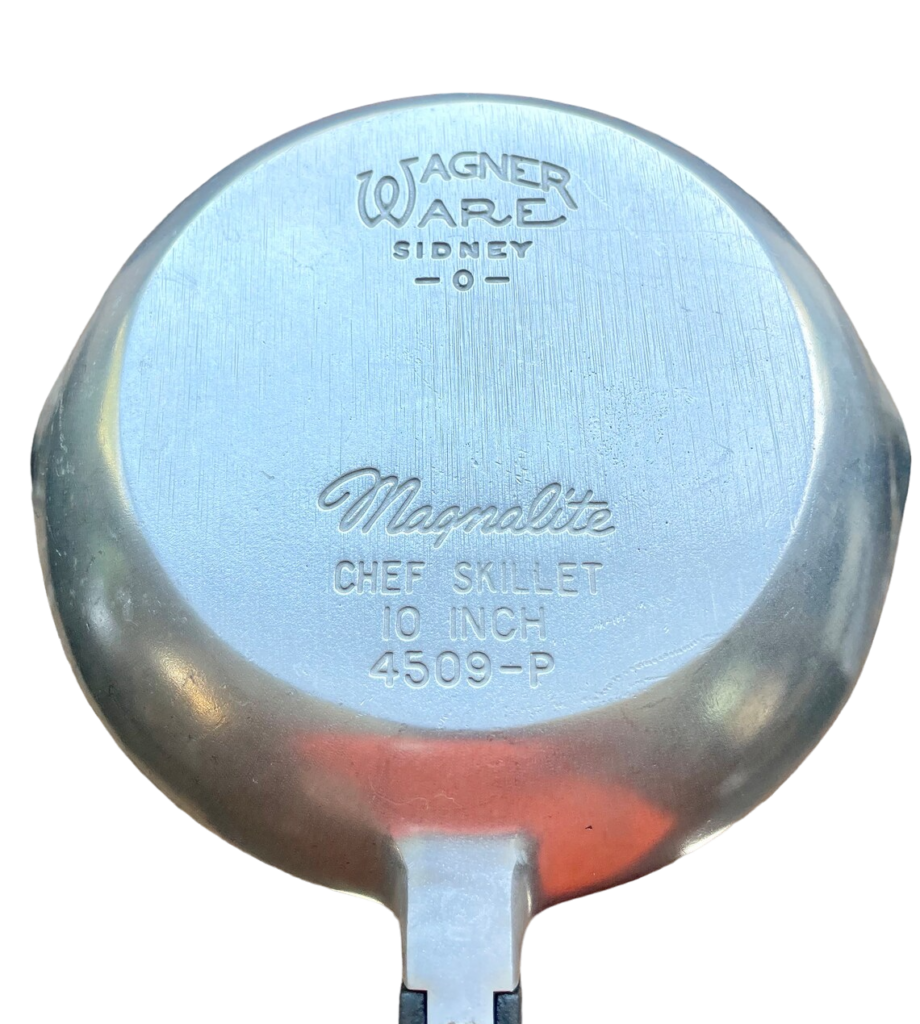
Credit: magnalitepots.com
Frequently Asked Questions
Is Magnalite Cookware Non-toxic And Safe For Cooking?
Yes, Magnalite cookware is non-toxic and safe. It is made from cast aluminum, which heats evenly and contains no harmful chemicals.
Does Magnalite Cookware Release Harmful Chemicals When Heated?
No, Magnalite cookware does not release harmful chemicals. It is designed for safe, consistent cooking without toxic fumes or leaching.
Can Magnalite Cookware Cause Aluminum To Leach Into Food?
Minimal aluminum leaching may occur but is generally safe. The cookware’s anodized surface reduces direct contact with food.
Is Magnalite Cookware Suitable For All Cooking Surfaces?
Magnalite cookware works best on gas and electric stoves. It may not be ideal for induction cooktops without a proper base.
Conclusion
Magnalite cookware offers good heat distribution and durability. It does not release harmful chemicals during cooking. Proper use and care keep it safe and long-lasting. Avoid overheating to protect the cookware and your food. Many people enjoy cooking with Magnalite every day.
It remains a reliable choice for home kitchens. Safety depends on how you use and maintain it. Choose cookware that fits your cooking style and needs. Safety and performance go hand in hand with good care. Magnalite can be a safe option for most cooks.

Hello, This is Annie Walker, a 38-year-old blogger, founder, and editor of Cookware Guider from NY, USA. I am a cookware fanatic and passionate cooker. I love to cook with different types of cooking appliances (example: all types of cookware, rice cookers, slow cookers, etc) almost every day in my kitchen. I love to share my experience with my readers in my blog. Also, I enjoy helping people to solve their problems through my website. You can follow me on Twitter & Pinterest. To know details about my blog please check the about us page.