
When it comes to choosing cookware, safety is probably your top concern. You want pots and pans that won’t harm your health or affect the taste of your food.
If you’ve heard about Mopita cookware and wonder, “Is Mopita cookware safe for me and my family? ” you’re not alone. This question matters because the right cookware can make a big difference in your kitchen and your well-being. Keep reading to find out everything you need to know before making your next cooking purchase.
Mopita Cookware Materials
Mopita cookware materials play a key role in determining the safety and durability of the product. Choosing the right material ensures healthy cooking and long-lasting use. Mopita uses a mix of metals and coatings designed to balance performance with safety. Understanding these materials helps you decide if Mopita cookware fits your kitchen needs.
Types Of Metals Used
Mopita cookware often combines several metals to optimize heat distribution and durability. The main metals used include:
- Stainless Steel: Known for its resistance to rust and corrosion, stainless steel is a popular choice. It does not react with food, making it safe for daily cooking.
- Aluminum: Lightweight and an excellent heat conductor. Aluminum allows quick and even heating but is usually layered with other metals to avoid direct contact with food.
- Carbon Steel: Offers fast heating and good durability. It requires seasoning but can develop a natural non-stick surface over time.
Many Mopita pans feature a layered design:
| Layer | Metal Type | Purpose |
|---|---|---|
| Inner Layer | Stainless Steel | Food-safe surface, easy cleaning |
| Core Layer | Aluminum | Even heat distribution |
| Outer Layer | Stainless Steel or Carbon Steel | Durability and stability |
Stainless steel layers prevent metals like aluminum from touching food directly. This reduces the risk of metal leaching. The aluminum core helps heat spread evenly, avoiding hot spots.
Non-stick Coating Components
Mopita cookware uses non-stick coatings to prevent food from sticking and to reduce the need for oil. The safety of these coatings depends on their chemical makeup.
Common features of Mopita non-stick coatings include:
- PTFE (Polytetrafluoroethylene): A popular non-stick material known for its smooth surface and ease of cleaning.
- Free from PFOA (Perfluorooctanoic acid): Mopita coatings avoid PFOA, a harmful chemical sometimes linked to health risks.
- Multiple layers: Coatings often have several layers to increase durability and reduce peeling risks.
Key advantages of Mopita non-stick coatings:
- Safe at normal cooking temperatures: Coatings remain stable below 260°C (500°F).
- Easy to clean: Food particles slide off easily, reducing scrubbing.
- Less oil needed: Supports healthier cooking with less fat.
Users should avoid overheating non-stick pans to keep coatings safe. Using wooden or silicone tools helps prevent scratches. Proper care extends the non-stick layer’s life and maintains its safety.

Credit: www.mopita.it
Health Implications
Choosing the right cookware affects health directly. Mopita cookware claims to be safe and reliable. Understanding its health implications is key before buying. This section explores possible health effects of using Mopita cookware. It focuses on chemical exposure risks and allergen concerns. Knowing these helps keep your kitchen safe and healthy.
Chemical Exposure Risks
Mopita cookware is made from materials that resist heat and stains. Still, heating any cookware can release chemicals. Some chemicals may affect health if they enter food. Mopita uses non-stick coatings, which may contain substances like PTFE or PFOA. These chemicals can break down at high temperatures.
Key chemical risks include:
- Overheating non-stick surfaces: Releases toxic fumes harmful to lungs.
- Wear and tear: Scratched coatings can let chemicals leach into food.
- Manufacturing residues: Small traces of metals or chemicals might remain on new cookware.
To minimize risks, use Mopita cookware as per instructions:
- Do not heat empty pans for long.
- Cook on low to medium heat.
- Replace cookware once coatings show damage.
| Risk Factor | Effect | How to Reduce |
|---|---|---|
| High Heat | Toxic fumes | Cook below 500°F (260°C) |
| Scratched Coating | Chemical leaching | Use wooden or silicone utensils |
| New Cookware Residue | Possible metal traces | Wash thoroughly before use |
Overall, Mopita cookware has low chemical risks if used carefully. Proper handling avoids harmful exposure.
Allergen Concerns
Food allergies cause serious health issues. Cookware can sometimes be a source of allergens. Mopita cookware materials rarely cause allergic reactions. Still, cross-contact during cooking is possible.
Important allergen points:
- Mopita cookware is mostly made from stainless steel and non-stick coatings.
- Stainless steel does not contain common allergens.
- Non-stick coatings are synthetic and unlikely to cause allergies.
However, allergens can stick to cookware surfaces. This happens if previous meals contained allergens like nuts, shellfish, or gluten. Cleaning cookware well prevents allergen transfer. Use these tips:
- Wash with hot, soapy water after each use.
- Use separate utensils for allergen-free cooking.
- Inspect cookware surfaces for food residue.
| Potential Allergen Source | Mopita Cookware Risk | Prevention |
|---|---|---|
| Food residue from previous cooking | Possible allergen transfer | Thorough cleaning after each use |
| Material composition | Minimal allergen risk | Choose hypoallergenic cookware |
People with severe allergies should maintain strict cookware hygiene. Mopita cookware is generally safe for allergy sufferers when cleaned properly.
Durability And Performance
Mopita cookware is known for its strong build and reliable cooking results. The durability and performance of this cookware play a key role in its safety and user satisfaction. Durable cookware lasts longer and performs better under different cooking conditions. Understanding these qualities helps decide if Mopita cookware suits your kitchen needs.
Scratch And Heat Resistance
Mopita cookware offers good resistance to scratches and heat, important for everyday use. The surface is made from materials that protect against damage from metal utensils and high temperatures. This means less wear and tear over time and safer cooking without harmful particles mixing with food.
- Scratch resistance: The cookware has a strong coating that resists scratches from spoons, spatulas, and forks.
- Heat resistance: It can handle high cooking temperatures without warping or losing shape.
- Safe materials: The coating does not release toxic substances when heated.
Here is a quick comparison of Mopita cookware’s scratch and heat resistance with other common cookware types:
| Cookware Type | Scratch Resistance | Heat Resistance | Common Issues |
|---|---|---|---|
| Mopita | High | Up to 450°F (232°C) | Minimal scratches, no warping |
| Aluminum | Medium | Up to 400°F (204°C) | Scratches easily, can warp |
| Cast Iron | Low | Very high | Prone to rust, heavy |
This durability makes Mopita cookware a practical choice for kitchens that need reliable tools for daily cooking.
Longevity Of Non-stick Surface
The non-stick surface of Mopita cookware lasts longer than many other brands. The coating is designed to stay smooth and effective even after many uses. This reduces the need for extra oil or butter, helping with healthy cooking.
Some key points about the non-stick surface longevity:
- Wear resistance: The surface resists peeling and flaking over time.
- Easy cleaning: Food does not stick, so cleaning requires less effort.
- Consistent performance: Maintains non-stick qualities through months of regular use.
Proper care can extend the non-stick surface life. Avoid using metal tools and harsh cleaning agents. Use soft sponges and wash by hand when possible.
Here is a simple care guide to keep the non-stick surface in top shape:
- Use wooden or silicone utensils only.
- Wash gently with mild soap and soft sponge.
- Avoid cooking sprays that can build residue.
- Do not overheat empty pans.
- Store carefully to avoid surface damage.
Following these tips helps the cookware deliver safe and effective cooking for a long time.
Safety Certifications
Safety certifications play a key role in deciding if Mopita cookware is safe for everyday use. These certifications show that the products meet strict safety rules and quality checks. Knowing about these certifications helps buyers trust Mopita cookware for cooking healthy meals without risks.
Industry Standards Met
Mopita cookware meets several important industry standards that focus on safety and performance. These standards are set by recognized organizations to ensure cookware is free from harmful substances and is durable for regular use.
- FDA Compliance: Mopita cookware materials comply with the U.S. Food and Drug Administration rules. This means they are safe for contact with food and do not release toxic chemicals during cooking.
- LFGB Certification: The German LFGB test ensures the cookware does not release dangerous substances when heated. Passing this test confirms high safety and quality.
- RoHS Directive: Mopita cookware follows the Restriction of Hazardous Substances rules, limiting harmful chemicals like lead and cadmium.
- ISO 9001 Quality Management: This standard guarantees consistent manufacturing processes and product quality control.
These certifications show Mopita cookware is safe for food preparation and built to last. The table below summarizes key standards:
| Standard | Focus | What It Means for Mopita Cookware |
|---|---|---|
| FDA Compliance | Food safety | Materials safe for cooking, no harmful chemicals |
| LFGB Certification | Chemical safety | No toxic substance release when heated |
| RoHS Directive | Hazardous material restriction | Limits lead, cadmium, and other toxic elements |
| ISO 9001 | Quality management | Consistent quality and manufacturing standards |
Third-party Testing Results
Independent labs have tested Mopita cookware to verify safety claims. These third-party results provide unbiased proof of product safety and durability. Testing focuses on chemical safety, heat resistance, and material quality.
Key findings from third-party testing include:
- Non-Toxic Surface: Tests confirm the cookware surface does not emit harmful fumes or particles during cooking.
- Heat Stability: Mopita cookware maintains strength and safety at high cooking temperatures without warping or releasing toxins.
- Durability Tests: Repeated use and cleaning do not degrade safety features or cause coating damage.
- Heavy Metal Screening: Lab results show no detectable levels of lead, cadmium, or other dangerous metals.
These results support that Mopita cookware is safe for daily use in kitchens. The table below shows a summary of important test categories and outcomes:
| Test Category | Test Details | Results |
|---|---|---|
| Surface Safety | Emission of chemicals at cooking temperatures | No toxic fumes or particles detected |
| Heat Resistance | Maintaining structure and safety under heat | Stable and safe up to recommended temperatures |
| Durability | Resistance to wear from washing and use | No loss of safety or coating integrity |
| Heavy Metal Screening | Detection of lead, cadmium, and similar metals | Levels below detection limits |
User Experiences
User experiences provide a clear view of how safe and effective Mopita cookware is. Real users share their thoughts about cooking with this brand. Their feedback helps to understand the cookware’s quality and safety better. Below, we explore what customers say and common issues they face.
Customer Reviews
Many users praise Mopita cookware for its even heating and non-stick surface. They enjoy cooking without food sticking or burning quickly. The cookware is often described as lightweight and easy to handle, which many find convenient for daily use.
- Easy to clean: Most customers say cleaning is fast and requires little effort.
- Good heat distribution: Food cooks evenly, avoiding hot spots.
- Durable surface: The non-stick coating lasts for months with proper care.
- Safe materials: Several users mention feeling confident about the materials used.
Here is a summary of typical ratings from verified buyers:
| Feature | Rating (out of 5) | Comments |
|---|---|---|
| Non-stick Performance | 4.5 | Works well with minimal oil needed |
| Durability | 4.2 | Lasts several months without damage |
| Safety | 4.0 | No harmful smells or coatings reported |
| Ease of Cleaning | 4.7 | Washes off food easily |
Overall, users feel Mopita cookware offers good value for money. It suits everyday cooking needs and feels safe for home use.
Common Complaints
Despite positive reviews, some users report issues with Mopita cookware. These problems may affect safety and satisfaction. Understanding these complaints helps buyers make informed choices.
- Coating wear: A few users notice the non-stick layer peeling after months of use.
- Handle loosening: Some report handles becoming loose or wobbly over time.
- Uneven heating: A small number say pans heat unevenly, causing food to cook poorly.
- Not dishwasher safe: Users mention that dishwasher use damages the coating faster.
Below is a table summarizing common complaints and their frequency:
| Complaint | Frequency | Impact on Safety |
|---|---|---|
| Coating Peeling | Medium | Possible risk if flakes mix with food |
| Handle Issues | Low | Minor safety risk due to instability |
| Uneven Heating | Low | No direct safety risk but affects cooking quality |
| Dishwasher Damage | Medium | Reduces cookware lifespan and safety |
Proper care extends the life and safety of the cookware. Avoiding harsh cleaning and using low to medium heat can help maintain the coating.
Comparison With Other Brands
Choosing safe cookware is important for health and cooking results. Mopita cookware is popular, but how does it compare to other brands? Comparing safety features and material quality helps decide if Mopita is the right choice. This section looks closely at these two key points.
Safety Features
Mopita cookware offers several safety features that match or exceed many other brands. It uses non-toxic coatings free from harmful chemicals like PFOA and PFAS. These chemicals can release toxins when heated, so their absence is a big plus.
Key safety features of Mopita include:
- Non-stick coating without harmful chemicals for safer cooking and easy cleaning.
- Heat-resistant handles to prevent burns and improve grip.
- Oven-safe designs that maintain safety at high temperatures.
- Even heat distribution that reduces hotspots and food burning.
Comparing with other brands:
| Brand | Non-toxic Coating | Heat-resistant Handles | Oven Safe |
|---|---|---|---|
| Mopita | Yes (PFOA and PFAS free) | Yes | Up to 450°F (232°C) |
| Brand A | No (contains PFOA) | Partial | Up to 350°F (177°C) |
| Brand B | Yes (PFOA free) | Yes | Up to 400°F (204°C) |
Mopita’s safety features stand out for avoiding harmful chemicals and offering better heat resistance. This reduces risks of toxic fumes or burns during cooking.
Material Quality
Mopita cookware uses high-quality materials that provide durability and safe cooking. Most pieces are made from heavy-gauge aluminum or stainless steel with a non-stick coating. This combination delivers fast, even heating and long lifespan.
Material quality highlights:
- Heavy-gauge aluminum core for quick and even heat spread.
- Stainless steel exterior for strength and easy cleaning.
- Durable non-stick surface designed to resist scratches and peeling.
- Safe for metal utensils on some models, reducing damage risk.
Compared to other brands, Mopita often offers:
- Better heat conduction than cheaper aluminum pans.
- More durable coatings than low-end non-stick brands.
- Less warping due to quality material thickness.
| Brand | Core Material | Exterior | Non-stick Durability |
|---|---|---|---|
| Mopita | Heavy-gauge Aluminum | Stainless Steel | High (scratch-resistant) |
| Brand C | Thin Aluminum | Aluminum | Medium |
| Brand D | Stainless Steel | Stainless Steel | Low (prone to peeling) |
Mopita’s materials balance performance and safety well. The sturdy build supports everyday cooking without worrying about coating damage or uneven heat.
Care And Maintenance Tips
Taking good care of Mopita cookware helps keep it safe and lasts longer. Proper care and maintenance prevent damage and ensure your cookware performs well every time. Learning simple cleaning techniques and using the cookware the right way protects its surface and your health.
Cleaning Methods
Cleaning Mopita cookware correctly is key to maintaining its safety and quality. Avoid harsh chemicals and rough scrubbing that can damage the non-stick surface. Use gentle cleaning tools and mild detergents instead.
- Hand wash only: Use warm water with mild dish soap.
- Soft sponge or cloth: Prevent scratches by avoiding steel wool or abrasive pads.
- Soak stubborn food: Soak the pan in warm soapy water for 10-15 minutes before cleaning.
- Dry immediately: Use a soft towel to dry the cookware to avoid water spots and rust.
Here is a simple cleaning guide table:
| Step | Action | Tips |
|---|---|---|
| 1 | Rinse with warm water | Remove loose food particles |
| 2 | Apply mild detergent | Use a soft sponge or cloth |
| 3 | Gently scrub the surface | Avoid metal scrubbers |
| 4 | Rinse and dry | Use a soft towel to dry immediately |
Following these cleaning methods keeps the cookware safe and prevents chemicals from leaching into food. Regular cleaning also stops buildup that can affect cooking quality.
Proper Usage Practices
Using Mopita cookware properly extends its life and keeps it safe for cooking. Avoid overheating the pans, as high heat can damage the non-stick coating and release harmful fumes.
- Use low to medium heat: High heat breaks down the coating faster.
- Choose suitable utensils: Use wooden, silicone, or plastic tools to protect the surface.
- Avoid metal utensils: Metal can scratch and ruin the non-stick layer.
- Do not preheat empty pans: This can cause warping and coating damage.
- Store carefully: Stack pans with a soft cloth or paper towel between them.
Here is a quick usage checklist:
- Set stove to low or medium heat.
- Use non-metal cooking tools.
- Never heat an empty pan.
- Place a soft layer when stacking pans.
Proper use helps keep Mopita cookware safe and preserves the non-stick surface. It also ensures your food cooks evenly without unwanted chemicals or damage.
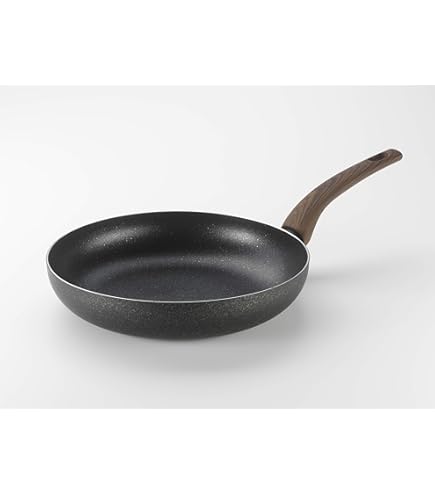
Credit: www.amazon.com

Credit: www.amazon.com
Frequently Asked Questions
Is Mopita Cookware Made From Non-toxic Materials?
Yes, Mopita Cookware is made from non-toxic, food-safe materials. It avoids harmful chemicals like PFOA and PTFE, ensuring safer cooking.
Does Mopita Cookware Have A Non-stick Surface?
Mopita Cookware features a durable non-stick coating. This allows easy cooking and cleaning without using excessive oil or butter.
Can Mopita Cookware Withstand High Cooking Temperatures?
Mopita Cookware is designed to handle medium to high heat safely. However, avoid extremely high temperatures to maintain its coating and durability.
Is Mopita Cookware Dishwasher Safe?
Most Mopita Cookware products are dishwasher safe. Hand washing is recommended to extend the cookware’s lifespan and maintain its non-stick surface.
Conclusion
Mopita cookware offers a safe option for everyday cooking. It uses materials that do not release harmful chemicals. You can cook with confidence and enjoy your meals. Cleaning is simple, making it practical for daily use. Durability helps the cookware last for a long time.
Choose Mopita if you want reliable kitchen tools. Safety and quality go hand in hand here. Your health matters, and this cookware supports that. Cook smart, cook safe with Mopita cookware.

Hello, This is Annie Walker, a 38-year-old blogger, founder, and editor of Cookware Guider from NY, USA. I am a cookware fanatic and passionate cooker. I love to cook with different types of cooking appliances (example: all types of cookware, rice cookers, slow cookers, etc) almost every day in my kitchen. I love to share my experience with my readers in my blog. Also, I enjoy helping people to solve their problems through my website. You can follow me on Twitter & Pinterest. To know details about my blog please check the about us page.