
Are you wondering if non stick aluminum cookware is safe to use for your family meals? You’re not alone.
With so many options in the kitchen aisle, it’s easy to feel unsure about what’s best for your health and cooking. You want cookware that’s convenient, heats evenly, and doesn’t release harmful chemicals. But how can you be sure that non stick aluminum pans won’t put you at risk?
Keep reading to discover the facts that will help you make the right choice for your kitchen and your peace of mind.
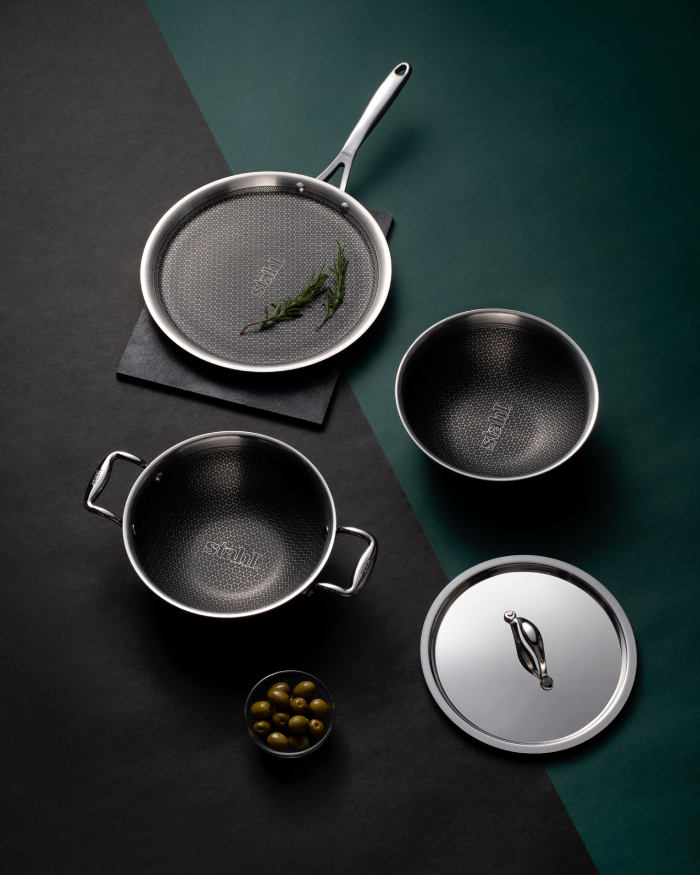
Credit: stahlkitchens.com
Non Stick Aluminum Basics
Non stick aluminum cookware is popular in many kitchens. People like it because it cooks food evenly and cleans easily. Understanding the basics of non stick aluminum helps decide if it is safe. This section explains key facts about aluminum cookware and the types of non stick coatings used.
Properties Of Aluminum Cookware
Aluminum is a light metal. It heats up quickly and spreads heat evenly. This makes cooking faster and food cooks well. Because aluminum is light, pots and pans are easy to lift and move. Here are some important properties:
- Lightweight: Easy to handle, especially for large pans.
- Good heat conductor: Cooks food evenly without hot spots.
- Corrosion-resistant: Aluminum does not rust, but it can react with acidic foods.
- Affordable: Less expensive than some other metals like stainless steel or copper.
Uncoated aluminum can react with acidic foods like tomatoes or vinegar. This reaction may change the food taste or color. To avoid this, aluminum cookware often has a coating. Coated aluminum also lasts longer and cleans faster.
| Feature | Description | Benefit |
|---|---|---|
| Weight | Light | Easy handling |
| Heat Conductivity | High | Even cooking |
| Cost | Low | Budget-friendly |
| Reactivity | Reacts with acid | Needs coating |
Types Of Non Stick Coatings
Non stick coatings make aluminum cookware safer and easier to use. These coatings stop food from sticking and protect the metal. Different coatings have different ingredients and qualities. Common types include:
- PTFE (Teflon): A popular synthetic coating that prevents sticking. It works well at low to medium heat.
- Ceramic Coating: Made from natural minerals, ceramic coatings are free of chemicals like PTFE. They handle higher heat but may wear faster.
- Anodized Aluminum: Aluminum treated with an electric process to make it hard and non reactive. It is not fully non stick but more durable.
- Silicone-Based Coatings: Used less often, these are flexible and safe but less durable than PTFE or ceramic.
Each coating has pros and cons. For example, PTFE is very non stick but can release fumes if overheated. Ceramic is safer at high heat but can lose its smooth surface over time. Anodized aluminum resists scratches and acid but food may stick more.
| Coating Type | Material | Heat Resistance | Durability | Non Stick Quality |
|---|---|---|---|---|
| PTFE (Teflon) | Polytetrafluoroethylene | Low to Medium (up to 260°C) | High | Excellent |
| Ceramic | Mineral-based | High (up to 450°C) | Moderate | Good |
| Anodized Aluminum | Electrochemically treated aluminum | High | Very High | Fair |
| Silicone-Based | Silicone polymers | Medium | Low | Moderate |
Health Concerns Linked To Aluminum
Many people worry about the safety of non-stick aluminum cookware. Concerns focus on aluminum’s possible effects on health. Aluminum is a common metal used in pots and pans. Some think it may cause health problems if it gets into food. Understanding the health concerns linked to aluminum helps make smart cooking choices. This section explains the risks of aluminum exposure and clears up common myths.
Aluminum Exposure Risks
Aluminum is everywhere—in water, food, and the environment. The body can handle small amounts without harm. But too much aluminum might cause health issues. Cooking with aluminum cookware may release tiny amounts into food, especially if the surface is scratched or worn.
Possible risks from aluminum exposure include:
- Bone disorders due to aluminum buildup
- Brain problems linked to high aluminum levels
- Kidney issues in people with poor kidney function
Scientists study aluminum’s effects on health. Most research shows normal use of aluminum cookware is safe. The body removes small amounts of aluminum efficiently. People with kidney problems need to be more careful.
| Source of Aluminum | Risk Level | Notes |
|---|---|---|
| Aluminum cookware (non-stick coated) | Low | Coating reduces aluminum release |
| Raw aluminum cookware | Moderate | More aluminum can leach into food |
| Processed foods and water | Low to moderate | Small amounts naturally present |
Tips to reduce aluminum exposure from cookware:
- Use non-stick or anodized aluminum pans.
- Avoid cooking acidic foods in aluminum pans.
- Replace worn or scratched cookware regularly.
Myths Vs Facts
Many myths about aluminum and health cause confusion. Separating myths from facts helps you decide if non-stick aluminum cookware is safe.
Myth 1: Aluminum cookware causes Alzheimer’s disease.
Fact: Research does not prove aluminum causes Alzheimer’s. The disease has many causes, and aluminum is not a main factor.
Myth 2: Non-stick coatings release harmful aluminum.
Fact: Non-stick coatings block aluminum from reaching food. They reduce the chance of aluminum exposure.
Myth 3: Cooking acidic food in aluminum pans is always unsafe.
Fact: Acidic foods can increase aluminum release but occasional use is low risk. Frequent use may increase exposure.
| Myth | Fact |
|---|---|
| Aluminum causes Alzheimer’s | No clear scientific proof links aluminum to Alzheimer’s |
| Non-stick coatings release aluminum | Coatings prevent aluminum from mixing with food |
| Acidic food makes aluminum dangerous | Occasional cooking with acid is safe; frequent use raises risk |
Knowing the facts helps you use non-stick aluminum cookware safely. Proper use and maintenance keep aluminum exposure very low. This keeps your cooking safe and healthy.
Safety Of Non Stick Coatings
Non stick aluminum cookware is popular for its easy cleaning and smooth cooking surface. Understanding the safety of non stick coatings helps users make smart choices. These coatings prevent food from sticking and reduce the need for oil. Safety depends on the materials used and how the cookware is cared for. Some coatings are very safe, while others may pose risks if overheated or damaged. Knowing the types of coatings and their potential hazards is important for safe cooking.
Common Non Stick Materials
Non stick coatings use different materials to create a slick surface. The most common ones include:
- PTFE (Polytetrafluoroethylene): Often known as Teflon, it is widely used for its excellent non stick properties.
- Ceramic: Made from silica-based substances, ceramic coatings are free of PTFE and PFOA.
- Anodized Aluminum: Aluminum treated to form a hard, non reactive surface, sometimes combined with non stick layers.
- Silicone: Used mainly in bakeware, offering a flexible, non stick surface.
Each material offers different benefits and care instructions. PTFE coatings work well at low to medium heat and last longer if not scratched. Ceramic coatings avoid chemicals like PTFE and can handle higher heat but may wear out faster. Anodized aluminum is durable but less non stick without extra coating. Silicone is safe and easy to clean but is mostly for baking, not stovetop cooking.
| Material | Heat Resistance | Durability | Common Use |
|---|---|---|---|
| PTFE (Teflon) | Up to 260°C (500°F) | High if cared for | Frying pans, skillets |
| Ceramic | Up to 450°C (842°F) | Medium, can chip | Cookware, bakeware |
| Anodized Aluminum | Up to 400°C (752°F) | High | Cookware base, some coatings |
| Silicone | Up to 230°C (446°F) | Medium | Bakeware, molds |
Potential Chemical Risks
Some non stick coatings may release harmful chemicals if overheated or scratched. PTFE coatings can start to break down above 260°C (500°F). This may release fumes that irritate the lungs and cause flu-like symptoms in some people.
PFOA (Perfluorooctanoic acid) was once used to make PTFE coatings but is mostly removed now. It may cause health issues with long-term exposure. Most modern cookware claims to be PFOA-free.
Ceramic coatings avoid PTFE and PFOA but can contain other chemicals. These usually pose less risk but may wear out faster, exposing the aluminum base.
- Overheating: Avoid heating empty non stick pans to prevent chemical release.
- Scratching: Use wooden or silicone tools to protect the coating.
- Cleaning: Avoid abrasive cleaners that damage the surface.
Table below shows risks linked to common chemicals:
| Chemical | Risk | Presence in Cookware |
|---|---|---|
| PTFE | Fumes if overheated, respiratory irritation | Common in many non stick pans |
| PFOA | Possible long-term health effects | Mostly phased out, rare now |
| Ceramic Coating Chemicals | Minimal risk, possible wear over time | Used in ceramic coatings |
Using cookware as directed reduces risks. Non stick aluminum pans work best at low to medium heat. Proper care extends their life and keeps cooking safe.
Credit: www.consumerreports.org
Usage Tips For Safety
Using non-stick aluminum cookware safely extends its life and keeps food healthy. Knowing how to handle heat and prevent surface damage matters most. Following simple rules helps avoid problems like coating wear or harmful fumes. These usage tips improve cooking results and protect your investment.
Proper Heating Practices
Non-stick aluminum pans heat quickly. Use medium or low heat settings for best results. High heat can damage the coating and release toxic fumes. Avoid heating an empty pan for too long, as it may overheat and break down the non-stick layer.
Here are key heating tips:
- Preheat gently: Warm the pan slowly to prevent warping.
- Cook on low or medium heat: This maintains the coating’s integrity.
- Turn off heat promptly: Avoid letting the pan sit on hot burners.
- Use proper burner size: Match pan size to burner to prevent uneven heating.
| Heat Level | Recommended Use | Risk |
|---|---|---|
| Low to Medium | Everyday cooking and frying | Safe for non-stick coating |
| High | Boiling water, searing (briefly) | Can damage coating, release fumes |
| Empty Pan on High | Not recommended | Rapid degradation of non-stick surface |
Proper heating keeps your cookware safe and working well. It reduces wear and the risk of harmful chemicals.
Avoiding Scratches And Damage
Scratches ruin the non-stick surface and reduce safety. Use only soft or wooden tools when cooking. Metal spoons or forks can scrape and damage the coating. This wear exposes the aluminum underneath, which may affect food quality.
Follow these tips to protect your cookware:
- Use silicone, wooden, or plastic utensils only.
- Do not cut food inside the pan.
- Avoid abrasive scrubbers or steel wool when cleaning.
- Hand wash with soft sponges and mild detergent.
- Store pans carefully to prevent scratches from stacking.
Here is a quick guide on what to use and avoid:
| Tool Type | Safe to Use | Reason |
|---|---|---|
| Wooden utensils | Yes | Gentle on coating |
| Silicone spatulas | Yes | Flexible and non-abrasive |
| Metal spoons/forks | No | Can scratch and damage surface |
| Steel wool/abrasive pads | No | Removes non-stick coating |
Protecting your cookware’s surface keeps it safe for cooking longer. Avoiding scratches helps maintain the non-stick layer’s effectiveness.
Alternatives To Non Stick Aluminum
Choosing safe cookware is important for health and cooking quality. Non stick aluminum pans often raise safety questions. Many people seek alternatives that last longer and avoid chemicals. Several good options exist. These alternatives offer durability, safety, and different cooking benefits. This section explores reliable choices beyond non stick aluminum cookware.
Stainless Steel Options
Stainless steel cookware is a popular alternative. It does not react with food or release harmful chemicals. This makes it safe for daily use. Stainless steel pans heat evenly and maintain their appearance over time.
Key benefits of stainless steel cookware:
- Durability: Resistant to scratches and dents.
- Non-reactive surface: Does not affect food flavor.
- High heat tolerance: Suitable for searing and browning.
- Easy maintenance: Dishwasher safe and simple to clean.
Here is a simple comparison of stainless steel cookware features:
| Feature | Benefit |
|---|---|
| Material | Usually 18/10 stainless steel (chromium and nickel) |
| Heat Conductivity | Moderate, improved with aluminum or copper core |
| Maintenance | Hand wash or dishwasher safe |
| Use | Ideal for sautéing, boiling, frying |
For best results, choose stainless steel pans with a layered base. This design helps distribute heat quickly and evenly.
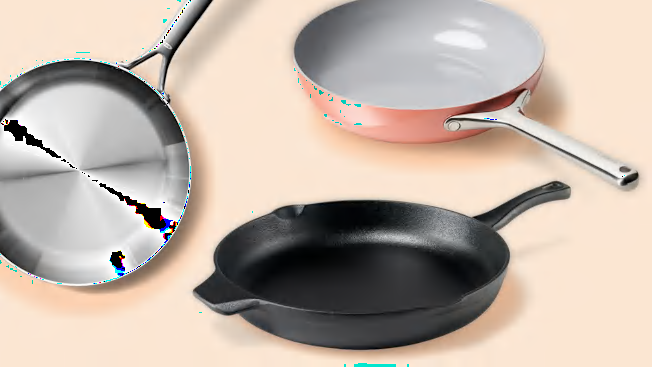
Cast Iron And Ceramic Choices
Cast iron and ceramic cookware offer excellent alternatives to non stick aluminum. Both types provide safe cooking surfaces without synthetic coatings.
Cast iron pans:
- Hold heat very well, ideal for slow cooking.
- Develop a natural non stick layer after seasoning.
- Can last many years with proper care.
Ceramic cookware:
- Coated with a natural, non toxic ceramic layer.
- Non stick without chemicals like PTFE or PFOA.
- Easy to clean and maintain.
| Type | Pros | Cons |
|---|---|---|
| Cast Iron | Long-lasting, excellent heat retention, adds iron to food | Heavy, requires seasoning and careful drying |
| Ceramic | Non-toxic, lightweight, easy cleaning | Less durable coating, can chip or wear over time |
Use cast iron for frying and baking. Ceramic pans work well for gentle cooking and low-fat recipes. Both add variety and safety to your kitchen.
Credit: www.walmart.com
Frequently Asked Questions
Is Non Stick Aluminum Cookware Safe For Daily Use?
Yes, non stick aluminum cookware is generally safe for daily use. It has a non reactive surface and prevents food from sticking. However, avoid overheating and scratching to maintain safety and durability. Always follow manufacturer guidelines for best results.
Can Non Stick Coatings Release Harmful Chemicals?
Non stick coatings can release harmful chemicals if overheated above 500°F. Using moderate heat and avoiding empty pans reduce risks. Modern coatings are safer, but proper care ensures no chemical release during cooking.
Does Aluminum Cookware Affect Food Taste Or Health?
Aluminum cookware does not affect food taste when coated properly. The non stick layer prevents aluminum from leaching into food. Anodized or coated aluminum is safe and healthy for cooking without altering flavors.
How To Maintain Non Stick Aluminum Cookware Safely?
Use soft sponges and avoid metal utensils to protect the coating. Clean with mild detergents and avoid high heat. Proper maintenance extends cookware life and keeps it safe for cooking.
Conclusion
Non stick aluminum cookware offers easy cooking and cleaning. It is generally safe if you avoid high heat. Scratched or damaged surfaces can release harmful substances. Choose quality brands and follow care instructions carefully. Use wooden or silicone utensils to protect the coating.
Regularly replace old or worn pans for safety. This way, you enjoy healthy meals without worry. Cook smart and keep your kitchen safe and simple.

Hello, This is Annie Walker, a 38-year-old blogger, founder, and editor of Cookware Guider from NY, USA. I am a cookware fanatic and passionate cooker. I love to cook with different types of cooking appliances (example: all types of cookware, rice cookers, slow cookers, etc) almost every day in my kitchen. I love to share my experience with my readers in my blog. Also, I enjoy helping people to solve their problems through my website. You can follow me on Twitter & Pinterest. To know details about my blog please check the about us page.