
When you pick up a pot or pan, you probably don’t think twice about what it’s made of. But have you ever wondered if the metals inside your cookware could affect your health?
Nickel is a common metal used in many kitchen tools, but is nickel safe in cookware? If you care about what touches your food every day, this question matters. Keep reading to discover what nickel does in your pots and pans—and whether it’s something you should be concerned about for your family’s well-being.
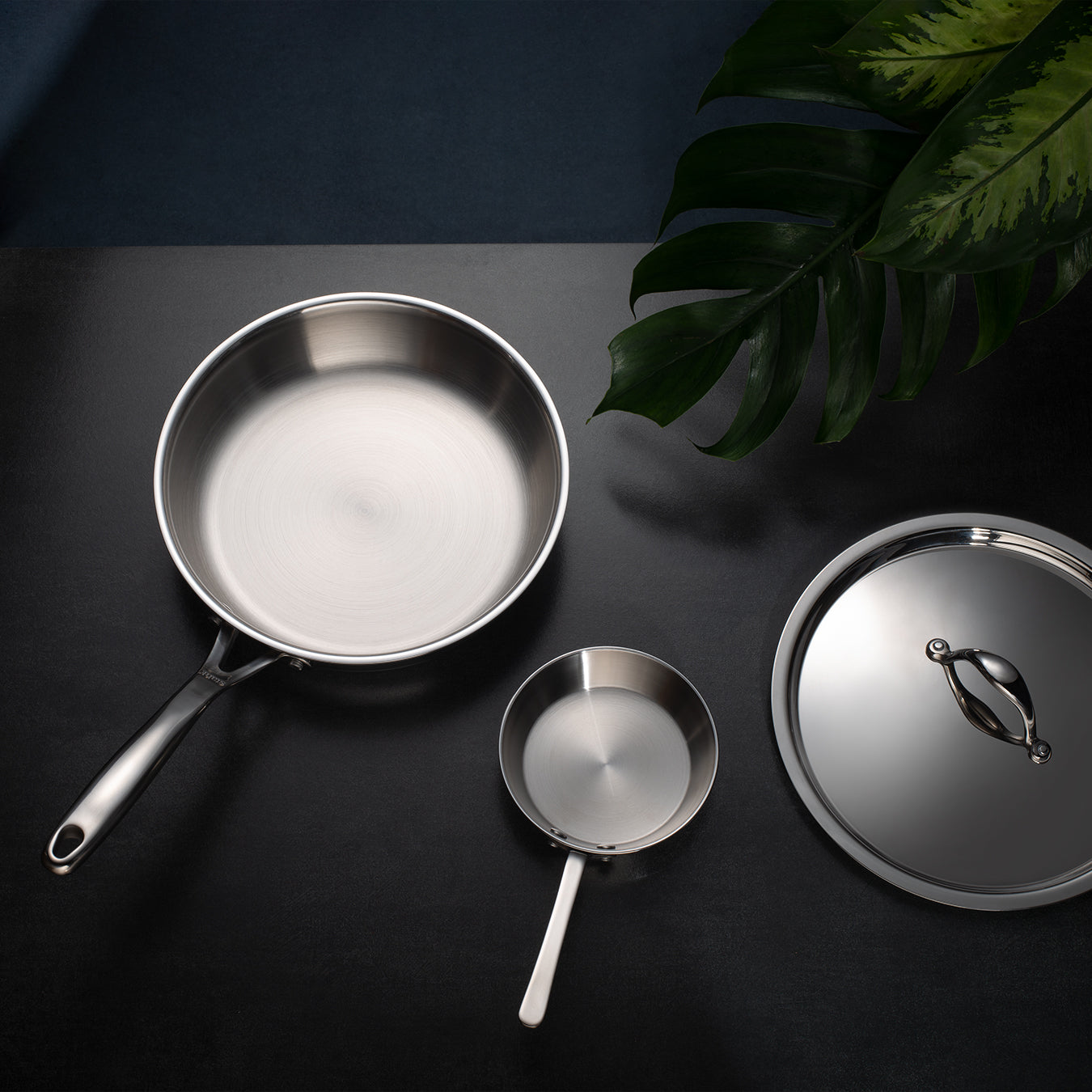
Credit: stahlkitchens.com
Nickel In Cookware
Nickel is a metal often found in many kitchen tools and cookware. It gives strength and stops rust in metal products. Many people wonder if nickel in cookware is safe for daily use. Understanding where nickel appears in cookware helps to know its safety and effects on health. This section explains the role of nickel in cookware and its common uses.
Common Uses
Nickel is mainly used to make metals stronger and stop them from corroding. It is mixed with other metals to create alloys that are tough and last long. Here are some common uses of nickel related to cookware:
- Stainless Steel: Nickel is a key part of stainless steel, making it shiny and resistant to rust.
- Non-stick Coatings: Some pans use nickel compounds to improve surface strength.
- Silverware and Utensils: Nickel adds durability and shine to forks, spoons, and knives.
- Cookware Handles: Nickel alloys are used for heat-resistant handles on pots and pans.
Nickel helps keep cookware safe from damage and easy to clean. It also keeps metals from changing color when exposed to food or heat.
| Use | Role of Nickel | Benefit |
|---|---|---|
| Stainless Steel Cookware | Added to steel alloy | Prevents rust, adds shine |
| Non-stick Pans | Nickel compounds in coating | Improves durability |
| Cutlery | Nickel plating | Strengthens and polishes |
| Cookware Handles | Nickel alloys | Heat resistance |
Types Of Cookware Containing Nickel
Many cookware types include nickel, mostly in stainless steel products. Stainless steel is popular for its strength and easy cleaning. The nickel content varies by grade and brand. Some types of cookware with nickel include:
- 18/10 Stainless Steel: Contains 18% chromium and 10% nickel. It is highly resistant to rust and corrosion. Common in pots and pans.
- 18/8 Stainless Steel: Similar to 18/10 but with 8% nickel. Durable and less expensive.
- Nickel-plated Cookware: Some older or specialty cookware has a thin nickel layer for shine and protection.
- Nickel-containing Alloys: Certain high-end cookware uses nickel alloys for better heat distribution and durability.
Cookware made from these materials offers lasting use but can release small nickel amounts if scratched or damaged. People with nickel allergies should consider this when choosing cookware.
| Cookware Type | Nickel Content | Key Feature |
|---|---|---|
| 18/10 Stainless Steel | 10% | High corrosion resistance |
| 18/8 Stainless Steel | 8% | Good durability |
| Nickel-plated Cookware | Thin layer | Shiny surface |
| Nickel Alloys | Varies | Enhanced strength |
Health Concerns
Nickel is a common metal found in many types of cookware, especially stainless steel. People often ask about the safety of nickel in their kitchen tools. Health concerns arise because nickel can affect some individuals differently. Understanding these concerns helps make better choices about cookware.
Nickel Allergies
Many people have a nickel allergy. This means their skin reacts when it touches nickel. The reaction can cause redness, itching, and rash. Allergies to nickel are common and can cause discomfort.
When cooking with nickel-containing cookware, tiny amounts of nickel can leak into food. This happens more with acidic foods like tomato sauce or lemon juice. For most people, this is not a problem. But for those with nickel allergies, even small exposure can cause a reaction.
- Symptoms of nickel allergy:
- Itchy skin
- Redness and swelling
- Blisters or rash
- Common triggers in cookware:
- Stainless steel pots and pans
- Nickel-plated utensils
- Cookware with damaged surfaces
People with nickel allergy should consider using nickel-free cookware. Options include:
- Ceramic pots
- Cast iron pans
- Glass cookware
The table below shows the risk level of nickel exposure from different cookware:
| Cookware Type | Nickel Content | Risk for Allergic Reactions |
|---|---|---|
| Stainless Steel | High | Moderate to High |
| Nickel-plated Cookware | Very High | High |
| Ceramic | None | Low |
| Glass | None | Low |
Potential Toxicity
Nickel can be toxic if too much enters the body. Cooking with nickel cookware may release small amounts of nickel into food. This amount is usually very low. It stays below harmful levels for most people.
Repeated exposure to high nickel levels may cause health problems. These include:
- Stomach pain
- Nausea
- Headaches
- Breathing issues
People with kidney problems or metal sensitivities should be careful. Their bodies may not handle nickel well. Using cookware with low or no nickel can reduce risks.
Here is a summary of nickel toxicity facts:
| Aspect | Details |
|---|---|
| Sources of Exposure | Cookware, jewelry, food, environment |
| Symptoms of Toxicity | Digestive issues, skin problems, respiratory effects |
| Safe Levels in Food | Very low, regulated by health agencies |
| High-Risk Groups | Nickel-allergic individuals, kidney patients |
Using well-made stainless steel with low nickel release limits risks. Avoid cooking very acidic foods in high-nickel cookware for long times. Regularly check cookware for damage that may increase nickel leaching.
Nickel Release Factors
Nickel is a common metal used in many types of cookware, especially stainless steel. Understanding the factors that cause nickel to release from cookware helps assess its safety. Certain conditions can increase nickel release, affecting your food and health. Two main factors influence nickel release: the type of food cooked and the condition of the cookware. Knowing these can guide you in using cookware safely and reducing nickel exposure.
Effect Of Cooking Acids
Acidic foods like tomatoes, citrus fruits, and vinegar interact with nickel in cookware. These acids can cause nickel to leach into the food during cooking. The longer the food stays in contact with the cookware, the more nickel may be released.
Foods that increase nickel release:
- Tomato sauce
- Lemon juice
- Vinegar-based dressings
- Wine or other acidic beverages
Acidic cooking creates an environment that wears down the protective layer on stainless steel. This layer normally prevents metals from leaking. When the layer breaks down, nickel can enter your food.
| Food Type | Nickel Release Risk | Cooking Time Impact |
|---|---|---|
| Highly acidic (e.g., tomato sauce) | High | Increases with longer cooking |
| Moderately acidic (e.g., lemon juice) | Medium | Moderate increase |
| Low acidity (e.g., water, milk) | Low | Minimal impact |
Using non-acidic foods or shorter cooking times reduces nickel release. Cook acidic dishes in non-metal containers if possible. This practice helps lower nickel exposure from cookware.
Wear And Tear Impact
Wear and tear on cookware changes how much nickel it releases. Scratches, dents, and corrosion wear down the stainless steel surface. This damage exposes more nickel to the food.
Common causes of wear and tear:
- Using metal utensils that scratch the surface
- Cleaning with harsh abrasives or steel wool
- Cooking at very high temperatures
- Repeated washing and use over time
Older cookware often releases more nickel than new pieces. The protective chromium oxide layer becomes thinner or breaks with use. This layer normally blocks nickel from seeping out.
Tips to reduce nickel release due to wear:
- Use wooden or silicone utensils
- Clean with soft sponges and mild detergents
- Avoid overheating empty pans
- Replace heavily worn cookware
Proper care extends cookware life and keeps nickel release low. Regular inspection for damage helps decide when to replace pots or pans.

Credit: www.reddit.com
Regulations And Safety Standards
Nickel is a common metal found in many types of cookware, especially stainless steel. People often ask, “Is nickel safe in cookware?” Safety depends on the amount of nickel that can transfer to food during cooking. Governments and health organizations set rules to keep nickel levels safe. These regulations and safety standards help protect consumers from harmful exposure while using nickel-containing cookware.
Food Safety Limits
Food safety limits set the maximum amount of nickel allowed in food or cookware. These limits protect people from nickel allergies and toxicity. When nickel leaches into food, it can cause skin rashes or digestive issues in sensitive individuals.
Key points about food safety limits for nickel in cookware:
- Nickel migration limits: Laws limit how much nickel can move from cookware to food.
- Nickel tolerable intake: Health agencies define the maximum daily nickel intake considered safe.
- Cooking impact: Acidic foods increase nickel release from cookware.
- Nickel allergy: Some people must avoid nickel exposure completely.
Here is a simple table showing typical safety limits:
| Safety Standard | Nickel Limit | Notes |
|---|---|---|
| EU Regulation | 0.5 mg/kg food | Limit on nickel release from food contact materials |
| WHO Tolerable Intake | 0.013 mg/kg body weight/day | Safe daily nickel intake for general population |
| FDA Guidelines | Not specifically set | Monitors nickel in food, no fixed cookware limit |
Following these limits helps reduce health risks. Cookware manufacturers test nickel release to meet these rules. Users with nickel allergy should choose nickel-free or coated cookware.
Global Regulatory Views
Different countries have varied rules about nickel in cookware and food. Most focus on limiting nickel exposure to protect health.
Here are how some regions handle nickel safety:
- European Union (EU): Strict rules limit nickel release from cooking tools. The EU requires testing and certification for materials touching food.
- United States: The FDA monitors nickel levels but has no strict cookware nickel limit. It advises manufacturers to minimize nickel migration.
- Canada: Similar to the US, with emphasis on labeling for nickel-sensitive people.
- Japan: Sets limits on metal migration from cookware, including nickel, to ensure safety.
- Australia: Follows international guidelines and encourages low-nickel cookware for allergy sufferers.
Many countries agree on these common safety practices:
- Test cookware for nickel release before sale.
- Label products containing nickel clearly.
- Educate consumers about nickel allergy risks.
- Promote nickel-free cookware options.
Regulations change as new research emerges. Consumers should buy from trusted brands that follow local rules. This ensures nickel in cookware stays within safe limits.
Alternatives To Nickel Cookware
Nickel is a common metal used in cookware, especially in stainless steel. Some people worry about nickel allergies or health risks from cooking with nickel-containing pots and pans. For those concerned, choosing alternatives without nickel is a smart choice. These alternatives offer safe and effective cooking options without the potential risks linked to nickel exposure. Exploring nickel-free cookware helps find materials that fit various cooking styles and needs.
Nickel-free Options
Nickel-free cookware includes several types of materials suitable for everyday use. These options avoid nickel to reduce allergy risks and provide safe cooking surfaces. Here are popular nickel-free cookware types:
- Ceramic Cookware: Made from natural clay and minerals, ceramic pans offer a non-stick surface without metals.
- Cast Iron: Durable and heats evenly, cast iron contains no nickel and can last for decades.
- Aluminum Cookware: Lightweight and affordable, aluminum pans usually have a non-stick coating for easy cooking.
- Glass Cookware: Ideal for baking and slow cooking, glass is completely free from metals like nickel.
- Carbon Steel: Similar to cast iron but lighter, carbon steel is nickel-free and great for high-heat cooking.
Here is a simple comparison table of nickel-free cookware options:
| Type | Nickel-Free | Best Use | Care |
|---|---|---|---|
| Ceramic | Yes | Low to medium heat cooking | Hand wash recommended |
| Cast Iron | Yes | Frying, searing, baking | Season regularly |
| Aluminum | Yes | Everyday cooking | Avoid metal utensils |
| Glass | Yes | Baking, slow cooking | Handle with care |
| Carbon Steel | Yes | High heat cooking | Season like cast iron |
Pros And Cons Of Alternatives
Each nickel-free cookware type offers benefits and drawbacks. Knowing these helps choose the right cookware for specific needs. Here is an overview:
- Ceramic: Pros: Non-toxic, good non-stick, easy to clean. Cons: Can chip or crack, less durable.
- Cast Iron: Pros: Very durable, retains heat well, adds iron to food. Cons: Heavy, needs seasoning, can rust.
- Aluminum: Pros: Lightweight, heats quickly, affordable. Cons: Can warp, reactive with acidic food.
- Glass: Pros: Non-reactive, safe for ovens and microwaves. Cons: Fragile, not suitable for stovetop.
- Carbon Steel: Pros: Lightweight, fast heating, durable. Cons: Needs seasoning, prone to rust.
Here is a table summarizing the pros and cons:
| Cookware Type | Pros | Cons |
|---|---|---|
| Ceramic | Non-toxic, good non-stick, easy cleaning | Can chip, less durable |
| Cast Iron | Durable, retains heat, adds iron | Heavy, needs care, rust risk |
| Aluminum | Light, heats fast, affordable | Warps, reacts with acid |
| Glass | Non-reactive, oven safe | Fragile, no stovetop use |
| Carbon Steel | Light, heats fast, durable | Needs seasoning, rust risk |

Credit: www.amazon.com
Tips For Safe Use
Nickel is common in many types of cookware, especially stainless steel. It helps make pots and pans strong and resistant to rust. Still, some people worry about nickel safety in cooking tools. Using nickel cookware safely means knowing how to reduce contact with nickel. Simple habits protect your health and keep your cookware working well. Here are useful tips for safe use.
Preventing Nickel Exposure
Nickel can sometimes leach into food, especially with acidic ingredients like tomatoes or lemon juice. Minimizing this contact lowers the chance of nickel exposure. Use these tips:
- Avoid cooking very acidic foods in nickel-containing cookware for a long time.
- Use non-metal utensils like wood, silicone, or plastic to avoid scratching the surface.
- Choose cookware labeled “low nickel” or made with safer materials if you have nickel allergy.
- Do not store food in nickel pots or pans for hours or days.
- Wash cookware thoroughly after use to remove food residue that may contain nickel.
Here is a simple table showing foods that may increase nickel leaching:
| Food Type | Risk Level | Reason |
|---|---|---|
| Tomato sauces | High | High acidity reacts with nickel |
| Citrus fruits (lemon, orange) | High | Acidic juices increase leaching |
| Vinegar-based dishes | Medium | Acidity can release nickel |
| Neutral foods (rice, pasta) | Low | Low acid contact with nickel |
Maintaining Cookware
Proper care helps reduce nickel release and keeps cookware safe longer. Clean and handle pots and pans carefully. Follow these maintenance tips:
- Wash by hand with mild soap and warm water. Avoid harsh cleaners or steel wool.
- Dry thoroughly after washing to prevent corrosion or rust spots.
- Do not use abrasive scrubbers that can scratch the surface and expose nickel.
- Season stainless steel cookware occasionally by heating with a small amount of oil to protect the surface.
- Store cookware in a dry place and avoid stacking heavy items on top.
Check your cookware regularly for signs of damage or wear. Scratches, rust, or discoloration may increase nickel exposure. Replace any damaged pots or pans to stay safe in the kitchen.
Frequently Asked Questions
Is Nickel Cookware Safe For Everyday Use?
Yes, nickel cookware is generally safe for daily use. It is durable and resistant to corrosion. However, those with nickel allergies should avoid prolonged contact to prevent skin reactions.
Can Nickel Leach Into Food From Cookware?
Nickel can leach into food in small amounts, especially with acidic dishes. The levels are usually minimal and considered safe for most people. Using non-scratch utensils helps reduce nickel exposure.
Does Nickel In Cookware Cause Allergies?
Nickel allergies are common, but reactions from cookware are rare. People with severe allergies should avoid nickel-containing pots and pans to prevent skin irritation or other symptoms.
How Does Nickel Improve Cookware Quality?
Nickel adds strength and corrosion resistance to stainless steel cookware. It enhances durability and maintains a shiny surface, making cookware long-lasting and easy to clean.
Conclusion
Nickel in cookware is generally safe for most people. Some individuals with nickel allergies may face mild reactions. Using stainless steel pots and pans often means low nickel exposure. Cooking acidic foods can release small amounts of nickel into meals.
Choosing cookware that fits your needs helps avoid problems. Cleaning and caring for your cookware keeps it safe longer. Understanding your body’s sensitivity is important for healthy cooking. Overall, nickel cookware is a practical choice for everyday use. Safe cooking starts with informed decisions about your kitchen tools.

Hello, This is Annie Walker, a 38-year-old blogger, founder, and editor of Cookware Guider from NY, USA. I am a cookware fanatic and passionate cooker. I love to cook with different types of cooking appliances (example: all types of cookware, rice cookers, slow cookers, etc) almost every day in my kitchen. I love to share my experience with my readers in my blog. Also, I enjoy helping people to solve their problems through my website. You can follow me on Twitter & Pinterest. To know details about my blog please check the about us page.