
Are you wondering if nonstick ceramic cookware is safe to use for your family’s meals? With so many options on the market, it’s easy to feel confused about what’s best for your health and kitchen.
You want cookware that not only makes cooking easier but also keeps harmful chemicals away from your food. You’ll discover the truth about nonstick ceramic cookware—how it works, what risks might be involved, and whether it’s a smart choice for your home.
Keep reading to make sure you’re cooking safely and confidently every time.
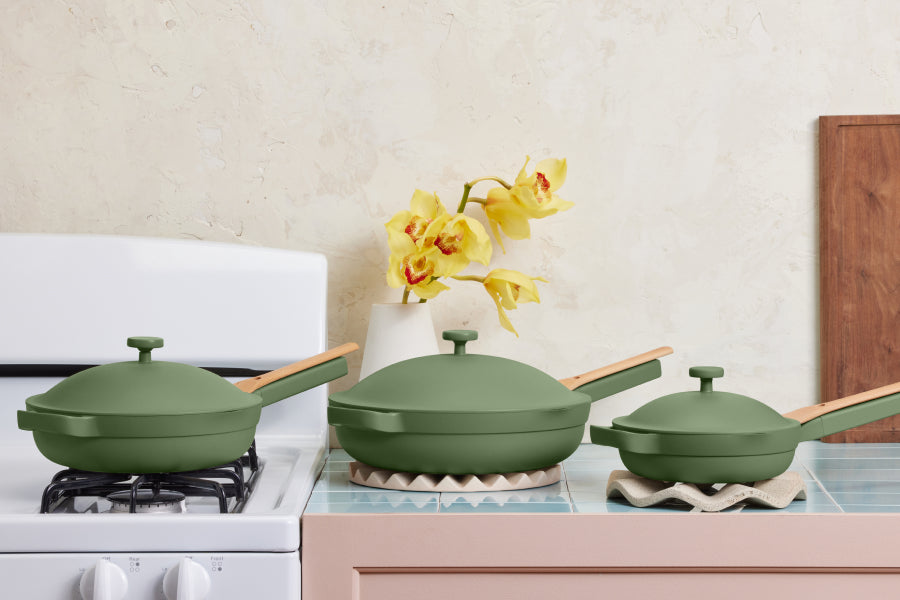
Credit: fromourplace.com
Nonstick Ceramic Cookware Basics
Nonstick ceramic cookware has gained popularity for its sleek design and promise of safer cooking. Understanding the basics helps to decide if this cookware suits your kitchen needs. The term “nonstick ceramic” refers to a type of cookware with a ceramic-based coating that prevents food from sticking during cooking. Many wonder about its safety and durability compared to traditional nonstick pans.
Material Composition
The core of ceramic cookware is often made from metals like aluminum or stainless steel. These metals provide excellent heat conduction and durability. The ceramic coating itself is usually made from natural minerals, mainly silica, which is a key ingredient in sand and quartz.
- Aluminum base: Lightweight, heats quickly and evenly.
- Stainless steel base: Heavier, more durable, resistant to rust.
- Ceramic coating: Made from silica and other inorganic materials, free of PTFE and PFOA.
This coating forms a hard, smooth surface that resists scratches and sticks less than uncoated metal. It is often applied in multiple thin layers and cured at high temperatures to bond firmly with the base material.
| Component | Function | Key Features |
|---|---|---|
| Metal Base | Provides structure and heat conduction | Aluminum or stainless steel, durable, lightweight or heavy |
| Ceramic Coating | Nonstick surface, food release | Inorganic minerals, free from toxic chemicals, heat resistant |
Many ceramic coatings avoid harmful chemicals like PTFE and PFOA. This makes them attractive for health-conscious cooks. The ceramic layer also tends to be more scratch-resistant than traditional nonstick coatings but requires gentle handling to maintain its surface.
How Ceramic Coatings Work
Ceramic coatings create a smooth, nonstick layer on the cookware surface. This layer prevents food from bonding to the pan during cooking, making cleaning easier. The coating works by forming a hard surface that reduces friction between food and pan.
- Low surface energy: Food particles cannot stick easily.
- Heat resistance: Ceramic coatings withstand high temperatures without breaking down.
- Non-toxic: No release of harmful fumes when heated.
Unlike traditional nonstick coatings made with PTFE, ceramic coatings do not degrade into toxic chemicals when overheated. This makes them safer for everyday use. The coating is usually very thin but strong enough to resist scratches and chips if used correctly.
Proper use extends the life of the ceramic surface:
- Use moderate heat to avoid damage.
- Avoid metal utensils that can scratch the coating.
- Hand wash with soft sponges instead of abrasive pads.
Though ceramic coatings perform well in preventing food from sticking, their nonstick ability may decrease over time due to wear. Replacing cookware or recoating can restore performance.
| Feature | Benefit | Care Tips |
|---|---|---|
| Nonstick surface | Easier cooking and cleaning | Use wooden or silicone utensils |
| High heat tolerance | Safe for most cooking methods | Cook on low to medium heat |
| Non-toxic | Healthier cooking environment | Avoid overheating the pan |
Health Aspects
Nonstick ceramic cookware has gained popularity for its sleek look and easy cleaning. Many people wonder if it is safe for health. Understanding health aspects helps in making smart choices for cooking. This section explains key points about chemical safety and heat resistance of ceramic cookware.
Chemical Safety
Ceramic cookware uses a coating made from natural materials like sand and minerals. This coating is free from harmful chemicals found in some traditional nonstick pans. The most common toxic chemicals in older nonstick pans are PFOA and PTFE. Ceramic coatings do not contain these chemicals.
Benefits of ceramic coating in chemical safety:
- Does not release toxic fumes when heated.
- Free from heavy metals like lead and cadmium.
- Does not contain PFOA or PTFE, which can harm health.
- Safe for cooking acidic foods without leaching harmful substances.
Many ceramic cookware brands test their products to meet safety standards. Look for labels that confirm the absence of toxic chemicals. Ceramic coating is generally inert, meaning it does not react with food.
| Chemical | Found in Traditional Nonstick | Found in Ceramic Cookware | Health Risk |
|---|---|---|---|
| PFOA | Yes | No | Linked to cancer and thyroid issues |
| PTFE | Yes | No | Releases toxic fumes if overheated |
| Lead & Cadmium | Sometimes | No | Can cause poisoning and organ damage |
Heat Resistance And Toxicity
Ceramic cookware can handle high cooking temperatures better than many nonstick pans. It usually withstands heat up to 450°F (232°C) without breaking down. Traditional nonstick coatings can start to degrade at lower temperatures, releasing harmful fumes.
Key points about heat resistance and toxicity:
- Ceramic coating stays stable under high heat.
- Does not release toxic gases when heated properly.
- Overheating beyond recommended temperature can damage coating.
- Damaged ceramic coating may lose nonstick properties but remains non-toxic.
Cooking on ceramic cookware is safer at higher temperatures. Avoid empty heating or very high flames to protect the coating. Using moderate heat extends the life of the pan and keeps it safe.
| Cookware Type | Max Safe Temperature | Toxic Fumes Risk | Durability Under Heat |
|---|---|---|---|
| Ceramic Nonstick | Up to 450°F (232°C) | Low if used correctly | High |
| Traditional PTFE Nonstick | Up to 350°F (177°C) | High above 500°F (260°C) | Moderate |
| Cast Iron | Very High (over 600°F) | None | Very High |
Performance And Durability
Nonstick ceramic cookware has gained popularity for its clean cooking surface and ease of use. Performance and durability are key factors in deciding if this cookware suits everyday kitchen needs. Understanding how well it resists scratches and how long it lasts helps in choosing the right set. This section explores the strengths and limitations of ceramic nonstick cookware in these areas.
Scratch And Wear Resistance
Ceramic nonstick cookware features a coating made from silica-based materials. This coating is hard but can be sensitive to sharp objects and abrasive cleaning tools. It offers good resistance to scratches compared to traditional nonstick coatings like Teflon, but it is not completely scratch-proof.
Key points about scratch and wear resistance:
- The ceramic layer is harder and more durable than many other nonstick surfaces.
- Using metal utensils can cause scratches and damage the coating.
- Soft utensils such as wood, silicone, or plastic help maintain the surface integrity.
- Avoid abrasive scrubbers and harsh cleaning chemicals to preserve the coating.
Scratch resistance varies by brand and quality. Some ceramic cookware includes reinforced coatings to improve durability. Still, regular care is essential. Here is a quick comparison:
| Cookware Type | Scratch Resistance | Recommended Utensils |
|---|---|---|
| Ceramic Nonstick | Moderate to High | Wood, Silicone, Plastic |
| Traditional Teflon Nonstick | Low to Moderate | Wood, Silicone, Plastic |
| Cast Iron | Very High | Metal Allowed |
Proper use and cleaning can extend the life of the ceramic coating. Avoid sudden temperature changes to prevent cracking or chipping.
Lifespan Compared To Other Cookware
Ceramic nonstick cookware usually lasts between 1 to 3 years, depending on use and care. This lifespan is shorter than stainless steel or cast iron but often longer than basic nonstick pans. The coating tends to wear off with time, reducing its nonstick properties.
Factors influencing lifespan:
- Frequency of use: Daily cooking can wear the coating faster.
- Cleaning methods: Gentle cleaning preserves the surface longer.
- Cooking temperature: High heat can damage the coating.
Here is a simple lifespan comparison table:
| Cookware Type | Average Lifespan | Durability Notes |
|---|---|---|
| Ceramic Nonstick | 1-3 years | Coating wears with use; avoid high heat |
| Traditional Teflon Nonstick | 1-2 years | Prone to scratching and coating degradation |
| Cast Iron | 10+ years | Requires seasoning; very durable |
| Stainless Steel | 10+ years | Highly durable; no coating to wear off |
Ceramic cookware may need replacement sooner than some metals. Users who want easy food release with moderate care find ceramic a reasonable choice. For longer-lasting options, metals like stainless steel or cast iron perform better but need more maintenance.
Environmental Impact
Nonstick ceramic cookware has grown popular for its cooking ease and health benefits. Yet, many wonder about its environmental impact. Understanding how this cookware affects the planet is key. It covers how it is made and what happens after use. The whole lifecycle matters for the environment.
Manufacturing Processes
The making of nonstick ceramic cookware involves several steps that influence the environment. Manufacturers use natural materials like sand and minerals to create the ceramic coating. This process has some eco-friendly aspects but also raises concerns.
- Raw Material Extraction: Minerals for ceramic coatings come from mining. Mining can cause land damage and energy use.
- Energy Consumption: High heat is needed to bake the ceramic layer onto the cookware. This requires a lot of electricity or fuel.
- Chemical Use: Some manufacturers add chemicals to improve nonstick properties. These chemicals might affect air and water quality.
Below is a simple comparison of environmental factors in ceramic cookware manufacturing:
| Factor | Ceramic Cookware | Traditional Nonstick (PTFE) |
|---|---|---|
| Raw Material | Natural minerals | Synthetic chemicals |
| Energy Use | High (kiln baking) | Moderate |
| Chemicals Released | Low to moderate | Higher (fluoropolymers) |
| Waste Generated | Moderate | Low to moderate |
Choosing brands that use greener methods can reduce the environmental harm. Some companies use renewable energy and safer chemicals. This helps lower pollution and energy waste.
Disposal And Recycling
Disposing of nonstick ceramic cookware poses environmental challenges. It is not always easy to recycle ceramic coatings or pans. Many end up in landfills where they stay for a long time.
- Landfill Impact: Ceramic materials are durable and do not break down quickly. This means they occupy landfill space for decades.
- Recycling Challenges: The ceramic coating is fused to metal bases. This mix makes separation difficult for recycling plants.
- Potential Solutions: Some recycling centers accept metal parts but not ceramic coatings. Specialized programs are rare but growing.
Best disposal practices include:
- Check local recycling rules for metals and ceramics.
- Donate usable cookware to reduce waste.
- Buy high-quality pans that last longer to minimize disposal frequency.
Here is a quick summary of disposal methods and their environmental effects:
| Disposal Method | Environmental Effect | Recycling Feasibility |
|---|---|---|
| Landfill | Long-lasting waste | None |
| Metal Recycling | Reduces metal waste | Possible if ceramic removed |
| Donation | Extends product life | Not recycling but reduces waste |
Being mindful about how cookware is discarded helps protect the environment. Choosing durable products and proper disposal methods lowers negative effects.
Usage Tips For Safety
Using nonstick ceramic cookware safely ensures a longer life for your pans and protects your health. Proper use and care help keep the ceramic coating intact and prevent harmful chemicals from releasing. Follow these simple tips for safe use and maintenance.
Proper Heating Methods
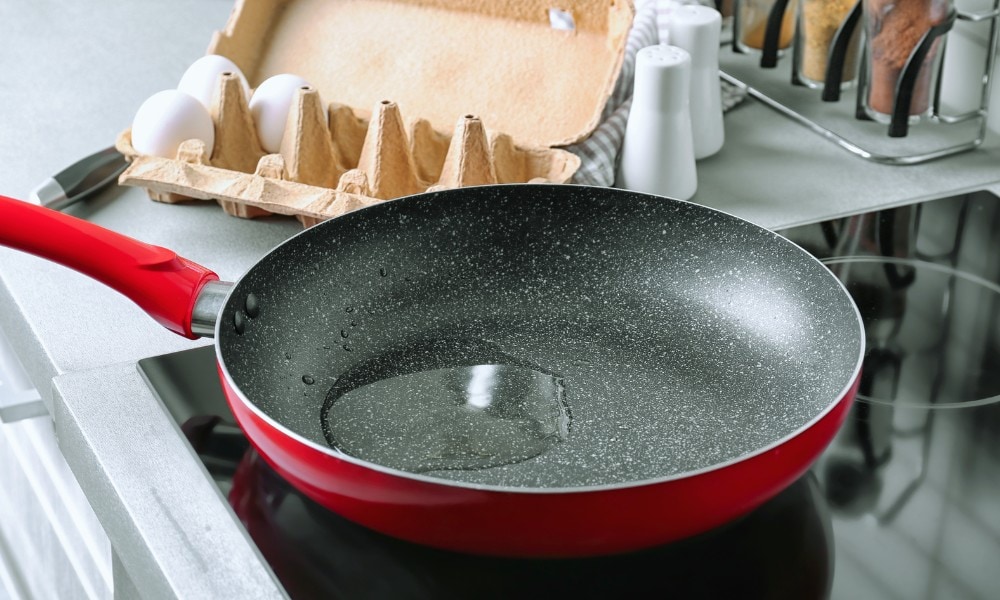
Nonstick ceramic cookware works best at medium or low heat. High heat can damage the ceramic coating and reduce its nonstick properties. Avoid preheating an empty pan for a long time, as it may cause the coating to crack or warp.
- Use medium or low heat: This keeps the ceramic coating safe and effective.
- Avoid high heat: High temperatures can cause the coating to break down.
- Preheat gently: If needed, preheat your pan on low heat for a short time.
- Use the right burner size: Match the pan size to the burner to avoid overheating edges.
| Heating Tips | Why It Matters |
|---|---|
| Medium or low heat only | Protects ceramic coating from damage |
| Do not overheat empty pan | Prevents cracking and warping |
| Match burner size to pan | Ensures even heating and longer pan life |
Using these heating methods keeps your ceramic cookware safe and effective. It also helps avoid harmful fumes that may occur with damaged coatings.
Cleaning And Maintenance
Cleaning nonstick ceramic cookware properly keeps it working well and safe to use. Avoid harsh cleaners or rough scrubbing, which can damage the ceramic surface.
- Use warm, soapy water: Clean with a soft sponge or cloth after each use.
- Avoid metal utensils and scrubbers: They can scratch the ceramic coating.
- Do not use dishwasher often: Hand washing is gentler and helps the coating last longer.
- Remove tough stains gently: Soak the pan in warm water before cleaning.
Here is a simple cleaning guide:
- Let the pan cool before washing.
- Wash with warm water and mild dish soap.
- Use a soft sponge to clean gently.
- Rinse and dry thoroughly with a soft towel.
Regular maintenance extends the life of your ceramic cookware. Store pans carefully to avoid scratches by stacking with soft cloths between them.
Credit: theskillfulcook.com
Alternatives To Ceramic Cookware
Nonstick ceramic cookware is popular for its easy cleaning and attractive look. Still, some people worry about its safety and durability. This concern leads many to explore alternatives to ceramic cookware that offer similar benefits without risks. These alternatives include traditional nonstick pans and more classic cookware types like cast iron and stainless steel. Each option has unique features, pros, and cons that suit different cooking styles and needs.
Traditional Nonstick Options
Traditional nonstick cookware usually uses a coating made from polytetrafluoroethylene (PTFE), known as Teflon. This coating prevents food from sticking and makes cooking and cleaning easy. It works well for low to medium heat cooking, especially for eggs, pancakes, and fish.
Advantages of traditional nonstick pans:
- Easy to clean with little oil needed
- Lightweight and easy to handle
- Affordable and widely available
Considerations:
- Coatings can wear off or scratch over time
- High heat can damage the coating and release fumes
- Not suitable for metal utensils
| Feature | Traditional Nonstick | Ceramic Nonstick |
|---|---|---|
| Heat Resistance | Up to 500°F (260°C) | Up to 450°F (232°C) |
| Durability | Moderate; coating can chip | Less durable; coating can wear |
| Safety | Safe below high heat limits | Generally safe; avoid overheating |
Traditional nonstick pans suit cooks who want easy cleanup and quick meals. They require gentle care to keep the coating intact.
Cast Iron And Stainless Steel
Cast iron and stainless steel cookware are popular choices for those who prefer long-lasting, versatile options. Both materials do not have a chemical coating, making them safe for cooking at high temperatures.
Cast Iron:
- Excellent heat retention and even cooking
- Can be seasoned to create a natural nonstick surface
- Very durable and can last for decades
- Requires regular seasoning and care to prevent rust
Stainless Steel:
- Non-reactive, safe for all foods
- Resists scratches and dents
- Does not develop nonstick properties but can sear and brown food well
- Easy to clean but may require more oil to prevent sticking
| Cookware Type | Pros | Cons |
|---|---|---|
| Cast Iron | Durable, natural nonstick, great heat retention | Heavy, needs seasoning, can rust |
| Stainless Steel | Durable, scratch-resistant, good for searing | Food can stick without enough oil, needs more cleaning effort |
Cast iron and stainless steel pans fit cooks who want robust cookware for various cooking methods. They need some skill but reward with great performance and safety.

Credit: fromourplace.ca
Frequently Asked Questions
Is Nonstick Ceramic Cookware Free Of Harmful Chemicals?
Yes, most nonstick ceramic cookware is free from PTFE and PFOA. These chemicals are linked to health risks. Ceramic coatings use natural materials, making them a safer choice for cooking.
Can Ceramic Cookware Withstand High Cooking Temperatures?
Ceramic cookware can handle moderate heat but not extreme temperatures. Overheating may damage the ceramic coating and reduce its lifespan. It’s best to cook on low to medium heat for safety and durability.
How Does Ceramic Cookware Compare To Traditional Nonstick Pans?
Ceramic cookware is generally safer and more eco-friendly than traditional nonstick pans. It avoids toxic chemicals and offers good nonstick performance. However, ceramic coatings can wear out faster if not properly maintained.
Is Ceramic Cookware Easy To Clean And Maintain?
Yes, ceramic cookware is easy to clean with mild soap and soft sponges. Avoid abrasive cleaners to protect the coating. Proper care helps maintain its nonstick properties and extends the cookware’s life.
Conclusion
Nonstick ceramic cookware offers a safer option for everyday cooking. It does not release harmful chemicals at normal temperatures. This makes it a good choice for health-conscious cooks. Always follow the manufacturer’s instructions to keep the coating intact. Avoid using metal utensils to prevent scratches.
Clean the cookware gently to extend its life. Choose quality brands for better safety and performance. Overall, ceramic nonstick pans help cook food easily and safely. A smart addition to any kitchen.

Hello, This is Annie Walker, a 38-year-old blogger, founder, and editor of Cookware Guider from NY, USA. I am a cookware fanatic and passionate cooker. I love to cook with different types of cooking appliances (example: all types of cookware, rice cookers, slow cookers, etc) almost every day in my kitchen. I love to share my experience with my readers in my blog. Also, I enjoy helping people to solve their problems through my website. You can follow me on Twitter & Pinterest. To know details about my blog please check the about us page.