
Are you wondering if using a rice cooker is truly safe for your health? You rely on this handy kitchen gadget every day to prepare your meals quickly and easily.
But have you ever stopped to think about what’s really happening inside that pot? Understanding the health impacts of your rice cooker can help you make smarter choices for yourself and your family. Keep reading to discover the facts that could change the way you cook rice forever.
Credit: megafurniture.sg
How Rice Cookers Work
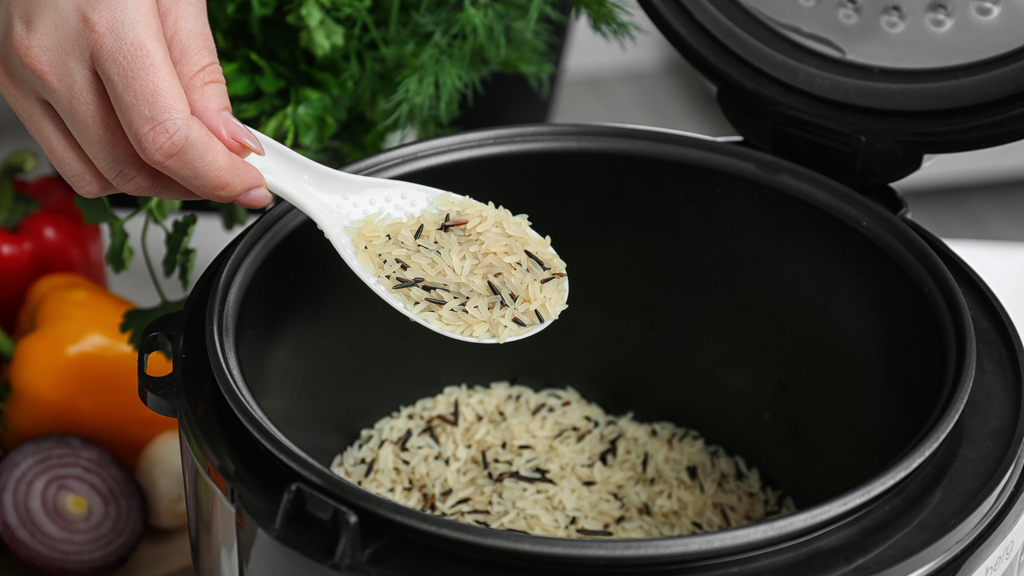
Rice cookers make cooking rice easy and consistent. Understanding how they work can help you use them safely and effectively. The device uses heat and steam to cook rice perfectly every time. Below, learn about the basic mechanism and materials used in rice cookers.
Basic Mechanism
A rice cooker has a heating plate at the bottom. You put rice and water in the inner pot. The heating plate warms the pot, boiling the water. Steam cooks the rice evenly. When water is gone, the cooker stops heating. A thermostat inside senses temperature changes. It switches the cooker to “keep warm” mode automatically.
Common Materials Used
Most rice cookers use a metal heating plate. The inner pot often has a non-stick coating. Common materials include aluminum or stainless steel. The outer body is usually plastic or metal. Non-stick surfaces make cleaning easier. Quality materials affect cooking safety and durability.

Credit: www.youtube.com
Health Concerns Linked To Rice Cookers
Rice cookers are common in many kitchens. People use them daily to make rice easily and quickly. Despite their convenience, some health concerns exist about using rice cookers. Understanding these concerns helps users make safer choices.
Chemical Leaching Risks
Some rice cookers have non-stick coatings inside the pot. These coatings may contain chemicals that can leach into food. High heat may increase this risk. Eating food with these chemicals over time might cause health problems. Choosing rice cookers with safe, non-toxic coatings reduces this risk. Stainless steel or ceramic pots are safer options.
Potential For Overcooking
Rice cookers sometimes overcook rice. Overcooked rice can lose nutrients and taste bad. Constant heating after cooking increases the chance of bacteria growth. This can cause stomach discomfort or food poisoning. Avoid keeping rice in the cooker for too long after cooking. Serve rice soon to maintain its quality and safety.
Choosing A Safe Rice Cooker
Choosing a safe rice cooker is important for your health. The materials used and the coatings applied affect food safety. Not all rice cookers are made with the same care. Some may contain harmful chemicals. Learning about material safety and non-toxic coatings helps you pick the best option.
Material Safety Standards
Rice cookers should meet strict safety standards. Look for products that follow international or local safety rules. Materials like stainless steel and BPA-free plastic are safer choices. These materials do not release harmful substances during cooking. Checking certifications ensures the rice cooker is tested for safety.
Non-toxic Coatings
Non-toxic coatings prevent food from sticking and make cleaning easy. Choose rice cookers with coatings free from PFOA and PTFE chemicals. These chemicals can be harmful if heated too much. Ceramic or diamond coatings are safer alternatives. They provide good non-stick properties without toxic risks.

Credit: www.aromaco.com
Tips For Healthy Rice Cooking
Cooking rice in a rice cooker is easy and fast. But healthy cooking needs attention to small details. Following good habits keeps rice safe and tasty. These tips help you cook rice without worries about health.
Proper Cleaning Practices
Clean the rice cooker pot after every use. Use warm water and mild soap to remove stuck rice. Rinse well to avoid soap residue. Wipe the lid and inner parts gently with a soft cloth. Do not use harsh scrubbers that can damage the surface. Clean steam vents to prevent clogging. Let all parts dry completely before storing. This stops bacteria and mold from growing inside.
Avoiding Contaminants
Always wash rice before cooking to remove dust and dirt. Use clean water and change it a few times. Avoid using old or broken rice grains. Store rice in a sealed container away from moisture. Do not mix cooked rice with leftovers from other meals. Cook rice fresh each time for best safety. Keep the cooker closed during cooking to avoid germs. Avoid touching the inside with dirty hands or utensils.
Comparing Rice Cookers With Other Methods
Rice cookers have grown in popularity for cooking rice easily and safely. Comparing them to other common cooking methods helps understand their benefits and risks. Different methods affect the texture, nutrition, and safety of rice. Knowing these differences helps choose the best option for health and convenience.
Stove-top Cooking
Stove-top cooking is a traditional way to cook rice. It uses a pot and heat from a burner. This method requires careful attention to avoid burning or undercooking. Uneven heat can cause rice to stick or scorch. Nutrients may be lost if water is drained after cooking. The risk of bacteria growth increases if rice cools slowly.
Despite these challenges, stove-top cooking allows control over texture. It needs more time and skill than rice cookers. Safety depends on proper handling and cooking time. Overcooked rice can lose nutrients and taste.
Microwave Cooking
Microwave cooking is fast and convenient for small amounts of rice. It uses electromagnetic waves to heat water and rice quickly. This method may cook rice unevenly. Some grains stay hard while others become mushy. It also lacks the ability to steam rice properly.
Microwave cooking does not remove toxins or bacteria effectively. Nutrients can degrade faster due to uneven heating. It is less controlled compared to rice cookers. Using microwave-safe containers is important for health safety.
Latest Research On Rice Cooker Safety
The latest research on rice cooker safety offers clear insights into their health impact. Scientists and health experts have studied these kitchen devices closely. Their findings help us understand if rice cookers are safe for daily use.
Research focuses on factors like chemical release, cooking methods, and appliance design. Studies also check if rice cookers affect the nutritional value of rice. Consumers can trust their rice cooker more with this new information.
Scientific Studies
Scientific studies show rice cookers do not release harmful chemicals during cooking. Tests on plastic and non-stick surfaces found no toxic substances in cooked rice. Temperature control in modern rice cookers prevents overheating and burning.
Research confirms that cooked rice keeps most of its nutrients. Vitamins and minerals stay intact after cooking. Some studies also highlight the importance of cleaning rice cookers well. Proper maintenance reduces any risk of bacteria growth.
Expert Recommendations
Health experts recommend using rice cookers as a safe cooking tool. They suggest choosing models with BPA-free materials for added safety. Experts advise following the manufacturer’s instructions carefully.
Cleaning the rice cooker regularly is important to prevent mold or bacteria. Experts also warn against leaving cooked rice at room temperature too long. Cooling and storing rice properly helps avoid food poisoning.
Frequently Asked Questions
Is Cooking Rice In A Rice Cooker Healthy?
Yes, rice cookers use controlled heat that preserves nutrients. They avoid excessive oil or additives, making rice healthier and safer to consume.
Can Rice Cookers Cause Harmful Chemical Exposure?
Modern rice cookers use food-grade materials that prevent chemical leaching. Avoid scratched non-stick surfaces and always choose BPA-free, certified cookers for safety.
Does A Rice Cooker Retain More Nutrients Than Boiling?
Rice cookers retain more nutrients by steaming rice with minimal water. This method preserves vitamins and minerals better than traditional boiling techniques.
Are Electric Rice Cookers Energy Efficient And Safe?
Electric rice cookers consume low power and have automatic shut-off features. This makes them energy-efficient and safe for daily use in any kitchen.
Conclusion
Rice cookers offer a safe and convenient way to prepare meals. They cook rice evenly and reduce the risk of burning. Using a rice cooker properly keeps your food healthy and tasty. Always clean the cooker after use to avoid bacteria build-up.
Choose models with safety features like automatic shut-off. Simple steps make cooking with a rice cooker safe. Enjoy fresh, well-cooked rice without worry or hassle. A rice cooker can fit easily into a healthy kitchen routine.

Hello, This is Annie Walker, a 38-year-old blogger, founder, and editor of Cookware Guider from NY, USA. I am a cookware fanatic and passionate cooker. I love to cook with different types of cooking appliances (example: all types of cookware, rice cookers, slow cookers, etc) almost every day in my kitchen. I love to share my experience with my readers in my blog. Also, I enjoy helping people to solve their problems through my website. You can follow me on Twitter & Pinterest. To know details about my blog please check the about us page.