
Are you worried about what’s really on your cookware? If you’ve ever used non-stick pans, you’ve probably asked yourself: Is Teflon safe for cookware?
You want to protect your health while cooking meals for yourself and your loved ones. But with so many conflicting opinions and news stories, it’s hard to know what to believe. Keep reading, because understanding the truth about Teflon can help you make smarter choices in your kitchen—and cook with confidence every day.
Teflon Composition
Teflon is a popular coating used in many non-stick cookware products. Its unique composition gives it special properties, such as being slippery and resistant to heat. Understanding what Teflon is made of helps explain why it is widely used and whether it is safe for cooking. The composition of Teflon involves complex chemicals and a careful manufacturing process that makes the coating durable and effective.
Chemical Structure
Teflon is made from a polymer called polytetrafluoroethylene (PTFE). This polymer consists of many small units called monomers linked together in long chains. The main elements in PTFE are carbon and fluorine atoms.
- Carbon atoms form the backbone of the chain.
- Fluorine atoms attach to the carbon atoms, creating a strong shield.
This chemical structure is very stable. The carbon-fluorine bonds are among the strongest in chemistry. This stability makes Teflon resistant to heat and chemicals. It also explains why Teflon is non-stick and slippery.
| Element | Role in PTFE | Property |
|---|---|---|
| Carbon (C) | Backbone of polymer chain | Provides structure |
| Fluorine (F) | Attached to carbon atoms | Creates strong bonds, heat resistance |
The fluorine atoms cover the carbon atoms, creating a surface that chemicals and food do not stick to. This is why Teflon-coated pans require less oil or butter for cooking. The chemical structure also makes Teflon safe at normal cooking temperatures but can break down if overheated above 500°F (260°C).
Manufacturing Process
The manufacturing of Teflon cookware involves several careful steps. The process starts with the production of PTFE resin. This resin is then applied to cookware surfaces through different methods.
- Preparation: The metal pan is cleaned and treated to help Teflon stick well.
- Coating: PTFE is sprayed or dipped onto the pan in layers.
- Baking: The pan is heated to melt and fuse the Teflon layers.
- Cooling: The pan cools down, and the coating hardens.
Each layer adds strength and durability. Usually, manufacturers apply several layers to prevent peeling or damage during cooking.
Here is a simple table showing the main steps:
| Step | Description |
|---|---|
| Cleaning | Remove dirt and grease from pan surface |
| Priming | Apply a base coat for better adhesion |
| Coating | Spray or dip PTFE layers |
| Baking | Heat to fuse coating |
| Cooling | Solidify the non-stick surface |
Manufacturers control temperature and timing carefully. Too much heat can damage the Teflon surface. The final product is a non-stick pan that can last for years with proper use.

Credit: www.hollyroser.com
Health Concerns
Teflon cookware is popular for its non-stick surface and easy cleaning. Yet, many wonder about its safety for health. Concerns arise because Teflon contains chemicals that may cause harm. Understanding these health concerns helps make better choices in the kitchen. This section explains key issues linked to Teflon use in cookware.
Toxic Fumes
Teflon can release toxic fumes when heated above certain temperatures. These fumes come from the breakdown of the non-stick coating. The main risk is at temperatures higher than 500°F (260°C). At this heat, the coating starts to decompose and release gases.
People and pets exposed to these fumes may experience:
- Flu-like symptoms, such as chills and fever
- Headaches and sore throat
- Shortness of breath and coughing
Birds are especially sensitive to these fumes and can die quickly from exposure. This condition is called “polymer fume fever.”
Using Teflon safely means:
- Cooking on low to medium heat
- Never preheating an empty pan
- Ensuring good kitchen ventilation
| Temperature Range | Effect on Teflon | Health Concern |
|---|---|---|
| Below 500°F (260°C) | Safe use, minimal fumes | Low risk |
| Above 500°F (260°C) | Teflon coating breaks down | Release of toxic fumes |
| Above 660°F (350°C) | Rapid decomposition | High risk of polymer fume fever |
Pfoa And Pfas
PFOA (Perfluorooctanoic acid) and PFAS (Per- and polyfluoroalkyl substances) are chemicals once used in Teflon production. These substances do not break down easily and can build up in the environment and human body.
PFOA was used to make Teflon non-stick but has raised health worries. Many manufacturers stopped using PFOA after 2015. PFAS is a larger group of chemicals that include PFOA and others with similar effects.
Concerns about PFOA and PFAS include:
- Possible links to cancer
- Hormone disruption
- Immune system problems
- Developmental issues in children
Most modern Teflon pans are labeled PFOA-free. Still, older cookware might contain these chemicals. Proper disposal of old Teflon pans helps reduce environmental impact.
| Chemical | Use in Teflon | Health Concerns | Status |
|---|---|---|---|
| PFOA | Previously used in production | Cancer, hormone disruption | Banned or phased out after 2015 |
| PFAS | Group of chemicals including PFOA | Immune and developmental issues | Some still in use, under study |
Potential Risks
Using Teflon cookware carries some health risks but can be managed with care. The main risks come from overheating and chemical exposure. Small amounts of chemicals might transfer to food if the pan is scratched or damaged.
Key risks include:
- Exposure to toxic fumes at high heat
- Chemical release from old or worn pans
- Possible long-term health effects from PFAS
To reduce risks:
- Use pans at recommended temperatures
- Replace scratched or peeling cookware
- Choose PFOA-free products
- Consider alternatives like stainless steel or cast iron
Regular inspection of cookware helps keep cooking safe. Understanding these risks supports healthier kitchen habits.
Safety Guidelines
Safety guidelines play a vital role in using Teflon cookware safely. This non-stick surface offers many benefits, but incorrect use can cause problems. Following key safety steps helps keep your cookware in good shape and protects your health. Knowing how to use, avoid damage, and maintain Teflon pans ensures they last longer and work better. Below are important points about proper usage temperatures, avoiding damage, and maintenance tips for safe Teflon cookware use.
Proper Usage Temperatures
Teflon coatings work best within specific temperature limits. Cooking at very high heat can damage the coating and release harmful fumes. It is best to keep cooking temperatures moderate to protect the non-stick surface and your health.
- Do not heat empty pans: Heating a Teflon pan without food can cause the temperature to rise quickly and damage the coating.
- Keep temperature below 500°F (260°C): Most Teflon coatings start to break down above this temperature.
- Use low to medium heat: For everyday cooking, low or medium heat works well and preserves the pan.
| Temperature Range | Effect on Teflon |
|---|---|
| Below 300°F (150°C) | Safe and optimal for cooking |
| 300°F – 500°F (150°C – 260°C) | Use caution; avoid empty pan heating |
| Above 500°F (260°C) | Risk of coating damage and toxic fumes |
Using a thermometer or cooking on low heat helps avoid overheating. Remember, overheating reduces pan life and can be unsafe.
Avoiding Damage
Teflon coatings are delicate and can scratch or peel if not handled carefully. Damage to the surface reduces non-stick performance and may release particles. Protect the coating by using the right tools and cleaning methods.
- Use wooden, silicone, or plastic utensils: Avoid metal tools that scratch the surface.
- Do not stack pans without protection: Place paper towels or cloth between pans to prevent scratches.
- Handle with care: Avoid dropping or banging your Teflon cookware.
Below is a quick guide to utensil safety:
| Utensil Type | Safe for Teflon |
|---|---|
| Wooden | Yes |
| Silicone | Yes |
| Plastic | Yes |
| Metal | No |
Avoid abrasive scrubbing and harsh cleaning pads. These wear down the coating quickly. Treat your cookware gently to keep it safe and functional.
Maintenance Tips
Proper maintenance extends the life of Teflon cookware and keeps it safe. Cleaning and storing your pans correctly helps preserve the non-stick surface.
- Cool before washing: Allow the pan to cool down before cleaning to prevent warping.
- Wash with mild soap and soft sponge: Use non-abrasive cleaners and gentle cloths.
- Avoid the dishwasher: Hand washing is best to protect the coating from harsh detergents.
- Dry thoroughly: Prevent rust on metal parts by drying well after washing.
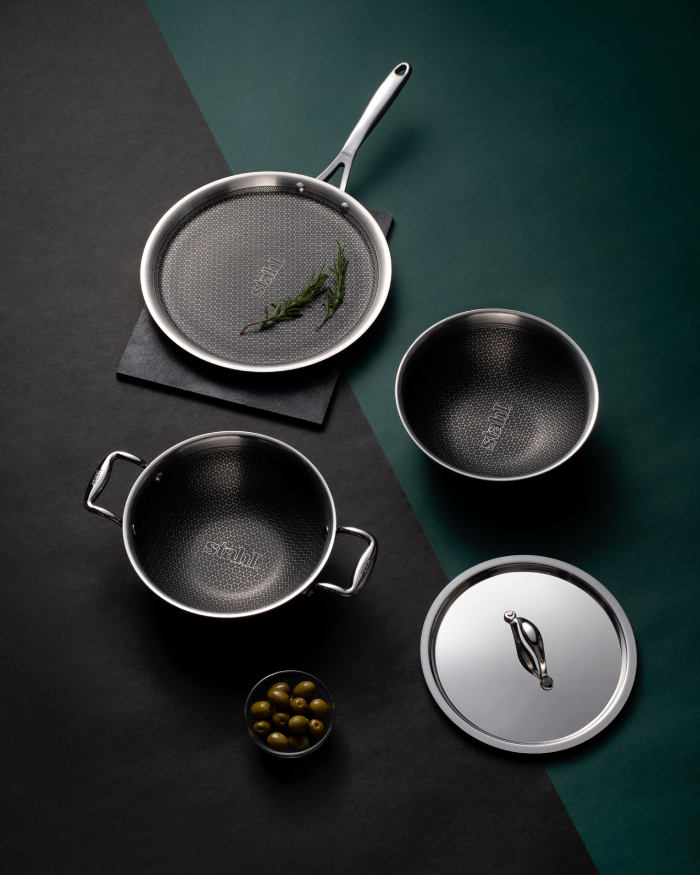
- Store carefully: Keep pans separated or use pan protectors to avoid scratches.
Follow these tips to keep your Teflon cookware safe and effective for years.
Credit: stahlkitchens.com
Alternatives To Teflon
Many people worry about the safety of Teflon cookware. Some studies suggest it can release harmful fumes if overheated. This concern has led to a search for safer options. Alternatives to Teflon offer good cooking performance without the risks. These alternatives include ceramic coatings, cast iron, and stainless steel. Each option has unique benefits and care needs. Understanding these can help choose the best cookware for your kitchen.
Ceramic Coatings
Ceramic-coated cookware has grown popular as a non-stick alternative to Teflon. It uses a layer of inorganic ceramic material instead of synthetic chemicals. This coating is free of PTFE and PFOA, the chemicals often linked to Teflon safety concerns.
Benefits of ceramic coatings:
- Non-stick surface that needs less oil for cooking
- Safe at higher temperatures without releasing toxic fumes
- Easy to clean with warm water and mild soap
- Lightweight and often colorful designs
Ceramic cookware can chip or wear faster than Teflon. It usually lasts 1 to 3 years depending on use and care. Avoid using metal utensils to protect the coating. Hand washing is best to maintain its surface.
| Feature | Ceramic Coating | Teflon Coating |
|---|---|---|
| Non-stick Quality | Good but may decline over time | Excellent initially |
| Heat Resistance | Up to 450°F (232°C) | Up to 500°F (260°C), but risk of fumes |
| Cleaning | Hand wash recommended | Dishwasher safe but hand wash preferred |
| Durability | Moderate, prone to chipping | Moderate, can scratch |
Cast Iron
Cast iron cookware is a classic alternative with a long history. It provides excellent heat retention and even cooking. Many chefs and home cooks prefer it for frying, searing, and baking.
Advantages of cast iron:
- Durable and can last for decades
- Improves with seasoning, creating a natural non-stick surface
- Safe and free from synthetic chemicals
- Versatile for use on stovetops, ovens, and campfires
Cast iron requires regular maintenance. It must be seasoned to prevent rust and maintain non-stick qualities. It is heavy and can be tricky to clean if food sticks badly. Avoid soaking in water and dry immediately after washing.
Tips for cast iron care:
- Wash with hot water and a brush or sponge
- Dry thoroughly with a towel or heat on stove
- Apply a thin layer of cooking oil after drying
- Store in a dry place to avoid rust
Stainless Steel
Stainless steel cookware is another safe and popular alternative. It is made of a metal alloy that resists rust and corrosion. Unlike non-stick pans, stainless steel pans do not have a coating that can wear off.
Why choose stainless steel?
- Durable and resistant to scratching and denting
- Good for browning, searing, and deglazing
- Does not react with acidic or alkaline foods
- Dishwasher safe and easy to clean
Stainless steel pans require more oil or fat to prevent sticking. Cooking at medium heat helps avoid food sticking or burning. Using proper preheating techniques can improve results.
Quick guide for stainless steel cooking:
- Preheat pan on medium heat for 1-2 minutes
- Add oil and let it heat until shimmering
- Place food in pan and avoid moving too soon
- Use a spatula to gently lift food when ready to turn
Regulatory Standards
Regulatory standards play a crucial role in ensuring the safety of Teflon cookware. These standards help control the materials and chemicals used in manufacturing. They protect consumers by setting limits on harmful substances. Understanding these rules clarifies if Teflon cookware is safe to use daily. Agencies like the FDA set strict guidelines. The industry also adapts to new research and public concerns. This section explains key regulations and recent changes in the Teflon cookware market.
Fda Regulations
The U.S. Food and Drug Administration (FDA) oversees the safety of cookware materials, including Teflon. The FDA ensures that chemicals used in Teflon coatings do not pose health risks under normal cooking conditions.
Important points about FDA regulations on Teflon cookware:
- The FDA approves the use of polytetrafluoroethylene (PTFE), the main ingredient in Teflon coatings.
- Only safe levels of chemicals can be released during cooking, according to FDA tests.
- The FDA bans chemicals like perfluorooctanoic acid (PFOA), which was once used in Teflon production but linked to health risks.
- Manufacturers must follow strict guidelines to prevent chemical contamination of food.
Here is a simple table showing FDA’s key focus areas for Teflon safety:
| Focus Area | Details |
|---|---|
| Chemical Approval | PTFE allowed; harmful substances banned |
| Exposure Limits | Safe levels of chemical release during cooking |
| Production Standards | Manufacturers must avoid banned chemicals like PFOA |
| Food Safety Testing | Regular tests to ensure no contamination |
The FDA monitors Teflon’s safety regularly. They review new studies and update rules as needed. This process helps keep consumers safe while using non-stick cookware.
Industry Changes
The cookware industry has made significant changes to improve Teflon safety. These changes respond to health concerns and new laws. Many companies stopped using harmful chemicals like PFOA by 2015.
Key industry shifts include:
- Phase-out of PFOA: Manufacturers replaced PFOA with safer alternatives.
- Improved Coating Technology: New Teflon coatings are more durable and less likely to degrade.
- Transparency: Brands now share more information about materials used.
- Third-Party Testing: Independent labs test cookware safety to build trust.
Here is a timeline highlighting important industry changes:
| Year | Change |
|---|---|
| 2006 | Start of PFOA phase-out by major manufacturers |
| 2015 | Complete removal of PFOA from Teflon products |
| 2018 | Introduction of more durable non-stick coatings |
| 2020 | Increase in third-party safety testing and certification |
Today’s Teflon cookware is safer than before. The industry keeps improving materials and safety tests. Consumers can choose products with confidence thanks to these efforts.
Credit: www.scientificamerican.com
Frequently Asked Questions
Is Teflon Cookware Safe For Everyday Use?
Teflon cookware is safe for daily use if not overheated above 500°F. Avoid using metal utensils to prevent scratches. Proper care ensures non-stick benefits and reduces health risks from fumes.
Can Teflon Release Harmful Chemicals When Heated?
When heated above 500°F, Teflon can release toxic fumes. Normal cooking temperatures are safe and do not produce harmful chemicals. Avoid overheating to protect your health and maintain cookware integrity.
How To Maintain Teflon Cookware Safely?
Use wooden or silicone utensils to protect the coating. Clean gently with non-abrasive sponges and avoid high heat. Proper maintenance extends Teflon’s lifespan and ensures safe, non-stick cooking.
Is Teflon Better Than Other Non-stick Coatings?
Teflon offers excellent non-stick properties and easy cleaning. However, newer ceramic or anodized coatings can be safer at high temperatures. Choose based on cooking style and safety preferences.
Conclusion
Teflon cookware offers easy cooking and simple cleaning. It stays safe when used on low to medium heat. Avoid heating it too high to keep chemicals away. Scratches can reduce its safety and performance. Use wooden or silicone tools to protect the surface.
Choose quality products from trusted brands for best results. Overall, Teflon can be a safe choice with proper care. Cook smart, and enjoy your meals without worry. Safety matters most in every kitchen.

Hello, This is Annie Walker, a 38-year-old blogger, founder, and editor of Cookware Guider from NY, USA. I am a cookware fanatic and passionate cooker. I love to cook with different types of cooking appliances (example: all types of cookware, rice cookers, slow cookers, etc) almost every day in my kitchen. I love to share my experience with my readers in my blog. Also, I enjoy helping people to solve their problems through my website. You can follow me on Twitter & Pinterest. To know details about my blog please check the about us page.