
When you choose cookware, safety is probably at the top of your list. You want pots and pans that won’t harm your health or change the taste of your food.
Titanium and ceramic cookware have become popular options, but you might wonder: Are they really safe to use every day? You’ll discover the truth about these materials, how they interact with your food, and what you should watch out for.
By the end, you’ll feel confident making the best choice for your kitchen and your family’s well-being. Keep reading—your health depends on it!

Credit: www.amazon.com
Titanium Cookware Basics
Titanium cookware has grown popular for its unique qualities and safety features. Many wonder if titanium is safe to use in the kitchen and what makes it different from other materials. Understanding the basics of titanium cookware helps to see why it appeals to many home cooks and professionals. This section explains the key features and common uses of titanium cookware, offering a clear view of its safety and benefits.
Material Properties
Titanium is a metal known for its strength, light weight, and resistance to corrosion. It does not react with food, making it safe for cooking. The metal is often used in a pure form or combined with other metals to improve durability. Here are some important properties:
- Lightweight: Easier to handle than heavy stainless steel or cast iron.
- Corrosion resistant: Does not rust or stain, even after long use.
- Non-reactive: Does not release harmful chemicals or metals into food.
- Strong and durable: Can last many years without warping or cracking.
- High melting point: Can withstand high cooking temperatures safely.
Titanium’s surface is hard and smooth, which helps prevent food from sticking. It often has a non-stick coating made from ceramic or other safe materials. This combination makes the cookware easy to clean and maintain.
| Property | Description | Benefit for Cooking |
|---|---|---|
| Lightweight | Low density metal | Easy to lift and move |
| Corrosion resistant | Does not rust or stain | Long-lasting appearance and safety |
| Non-reactive | Does not react with acids or salts | Maintains food flavor and safety |
| Durable | Strong, resists dents and warps | Cookware stays in good shape |
Common Uses In Cooking
Titanium cookware suits many cooking styles because of its durability and safety. It works well for both everyday meals and special recipes. Here are some common uses:
- Frying pans and skillets: Titanium’s non-stick surface helps cook eggs, pancakes, and more without sticking.
- Saucepans: Ideal for sauces, soups, and boiling thanks to even heat distribution.
- Camping cookware: Lightweight and strong, titanium pans and pots are popular for outdoor cooking.
- Baking pans: Used for roasting vegetables or baking because they handle heat well.
Titanium cookware heats up quickly and cools down fast. This makes it easier to control cooking temperatures. It also does not absorb flavors or odors from food, keeping meals tasting fresh.
Because titanium is safe and does not release toxins, it is a good choice for people who want healthy cooking options. The cookware’s long life means less waste and fewer replacements.
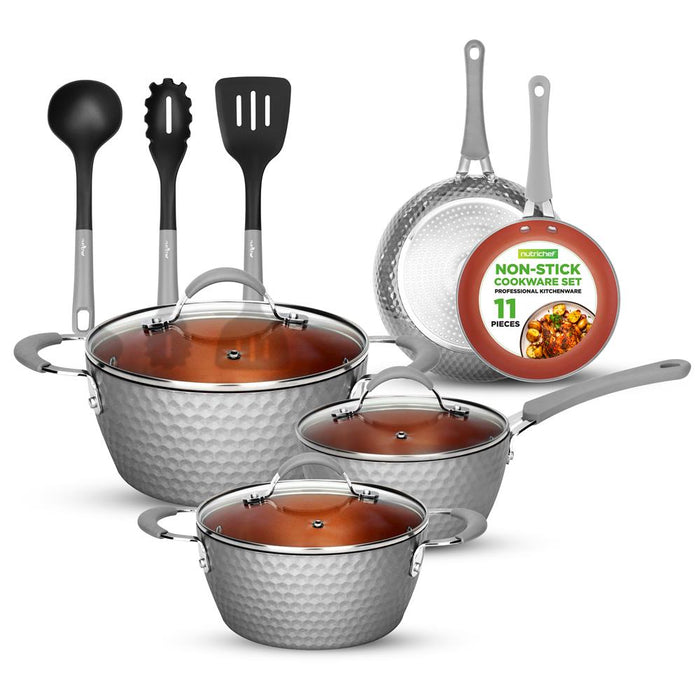
Credit: bona-store.com
Ceramic Cookware Essentials
Ceramic cookware has become popular for its non-stick surface and stylish look. It offers a safer alternative to some traditional cookware types. Understanding the essentials of ceramic cookware helps in choosing the right set for your kitchen. This section explains the types of ceramic coatings and their durability and heat resistance. These details show how safe and practical ceramic cookware really is.
Types Of Ceramic Coatings
Ceramic coatings vary depending on how they are made and what materials are used. These coatings form the non-stick layer on the cookware surface. Knowing the types helps in selecting cookware that fits your cooking style and safety needs.
- Pure Ceramic Coating: Made from natural minerals. It contains no metals or chemicals.
- Silicon-Based Ceramic Coating: Uses silicon dioxide to create a smooth, hard surface.
- Hybrid Ceramic Coating: Combines ceramic with other materials like titanium for extra strength.
Each type has different features. Pure ceramic is free from harmful chemicals like PTFE and PFOA. Silicon-based coatings provide excellent non-stick performance but may wear faster. Hybrid coatings offer better durability but may cost more.
| Coating Type | Safety | Non-Stick Quality | Typical Lifespan |
|---|---|---|---|
| Pure Ceramic | High (Chemical-Free) | Good | 1-2 years |
| Silicon-Based | Moderate (No PTFE/PFOA) | Very Good | 1-3 years |
| Hybrid Ceramic | High (Enhanced Materials) | Excellent | 3-5 years |
Durability And Heat Resistance
Ceramic cookware is known for its heat resistance, but durability varies by type and use. Understanding these helps maintain your cookware and avoid damage.
Heat Resistance: Most ceramic coatings can handle temperatures up to 450°C (842°F). This is enough for most cooking methods.
- Safe for oven use up to 400°C (752°F)
- Suitable for stovetop cooking on medium heat
- Not recommended for high heat or broiling
Durability: Ceramic coatings can chip or wear with heavy use or abrasive cleaning. Follow simple steps for longer life:
- Use wooden or silicone utensils only
- Hand wash with mild soap and soft sponge
- Avoid sudden temperature changes (e.g., cold water on hot pan)
- Store carefully to prevent scratches
| Factor | Effect on Durability |
|---|---|
| High Heat Exposure | May cause coating to crack or discolor |
| Abrasive Cleaning | Wears down non-stick surface quickly |
| Proper Utensil Use | Extends coating life |
Health Impacts Of Titanium Cookware
Titanium cookware is popular for its strength, light weight, and corrosion resistance. Many people choose it for daily cooking. Understanding the health impacts of titanium cookware helps decide if it is safe for kitchen use. This section explores important health aspects related to titanium cookware. It covers possible toxicity and allergy concerns.
Potential Toxicity Concerns
Titanium is a metal known for its stability and low reactivity. It rarely reacts with food or liquids, which means it does not easily release harmful substances during cooking. This makes titanium cookware generally safe from a toxicity standpoint.
Still, some questions remain about tiny particles or ions that might enter food:
- Metal leaching: Titanium does not leach metals into food under normal cooking conditions.
- Coating breakdown: Some titanium cookware has non-stick coatings that can degrade at high heat.
- Wear and tear: Scratches or damage may cause small amounts of material to enter food.
Scientific studies show that:
| Study Focus | Findings |
|---|---|
| Metal leaching tests | No significant titanium release under normal cooking temperatures. |
| Health impact research | Titanium is biocompatible and not toxic to humans. |
Key point: Titanium cookware is safe for everyday use when used properly. Avoid overheating to protect coatings and prevent damage.
Allergy And Sensitivity Issues
Allergies to metals can cause skin irritation or other reactions. Common metal allergies involve nickel and chromium, but titanium allergies are rare. Titanium is often used in medical implants due to its low allergenic potential.
Still, some people may experience mild sensitivity to titanium:
- Skin redness or rash after contact with titanium surfaces.
- Possible irritation if titanium particles are ingested in very rare cases.
Signs of titanium allergy are uncommon and usually mild. If symptoms appear, switching to a different cookware material may help.
Symptoms of metal allergy include:
- Itching or burning sensation
- Swelling or redness
- Blisters or rash
For people with known metal allergies, testing sensitivity before using new cookware is wise. Titanium cookware offers a hypoallergenic option for most users.
Health Impacts Of Ceramic Cookware
Ceramic cookware is popular for its non-stick surface and modern look. Many people choose it for healthier cooking options. Understanding the health impacts of ceramic cookware helps in making safe kitchen choices. This section explores how ceramic cookware interacts with food and heat, focusing on chemical safety and effects of high temperatures.
Chemical Safety And Leaching
Ceramic cookware is often praised for being free of harmful chemicals like PFOA and PTFE. These chemicals are common in some non-stick pans and can release toxic fumes when heated. Ceramic coatings are made from inorganic materials, which generally do not break down easily.
Leaching means harmful substances can pass into food during cooking. Ceramic cookware usually has a solid, glass-like coating that prevents this. Many brands advertise their products as non-toxic and free from heavy metals.
- Lead and Cadmium: Some low-quality ceramic coatings may contain lead or cadmium. These metals can be dangerous if they leach into food.
- FDA Standards: Reputable ceramic cookware meets FDA and European safety standards for food contact materials.
- Durability: Chips or cracks in the ceramic coating may increase the risk of leaching, so proper care is important.
Here is a simple comparison of chemical safety between ceramic and traditional non-stick pans:
| Feature | Ceramic Cookware | Traditional Non-stick (PTFE/PFOA) |
|---|---|---|
| Contains PFOA/PTFE | No | Yes |
| Risk of Toxic Fumes | Low | High at high temps |
| Heavy Metal Leaching | Possible if damaged | Rare |
Impact Of High Temperatures
Ceramic cookware handles heat differently than metal or traditional non-stick pans. It can resist higher temperatures without releasing harmful chemicals. Still, very high heat can damage the ceramic coating over time.
High heat effects include:
- Coating degradation: Extreme heat may cause cracks or wear on the ceramic surface.
- Reduced non-stick performance: Damaged ceramic loses its smoothness, making cooking and cleaning harder.
- Potential for metal exposure: If the ceramic layer wears off, the metal underneath may contact food.
Using ceramic cookware safely means avoiding dry heating or temperatures above 450°F (232°C). Here are tips for safe temperature use:
- Cook on low to medium heat for best results.
- Avoid heating empty pans for long periods.
- Use wooden or silicone utensils to prevent scratches.
The table below shows how ceramic cookware compares to other types in heat resistance:
| Cookware Type | Max Safe Temperature | Health Risk at High Heat |
|---|---|---|
| Ceramic | Up to 450°F (232°C) | Low if cared for |
| Traditional Non-stick (PTFE) | Up to 500°F (260°C) | High risk of toxic fumes |
| Cast Iron | Up to 600°F (315°C) | Low |
Comparing Titanium And Ceramic
Titanium and ceramic cookware are popular choices for many kitchens. Both offer unique benefits and have distinct features. Understanding their differences helps choose the best option for safe and efficient cooking. Comparing titanium and ceramic cookware covers safety, cooking performance, and how long they last. This guide breaks down these key points clearly.
Safety Profiles
Titanium cookware is known for its excellent safety. It is a strong metal that does not react with food. This means no harmful chemicals can leach into meals. Titanium is also naturally resistant to corrosion and rust, which keeps it safe over time.
- Non-toxic: Titanium does not release toxins or metals into food.
- Hypoallergenic: It is safe for people with metal allergies.
- Odor and taste-free: Titanium does not affect food flavor.
Ceramic cookware uses a coating made from natural minerals. It is free from chemicals like PTFE and PFOA, often found in traditional non-stick pans. Ceramic is safe if used correctly but can chip or wear out, exposing the base material.
- Non-stick without chemicals: Ceramic coating avoids harmful substances.
- Heat resistant: Can handle high temperatures without releasing toxins.
- Risk of chipping: Damaged ceramic can lose safety and non-stick properties.
| Feature | Titanium | Ceramic |
|---|---|---|
| Chemical Safety | Non-reactive, no toxins | Free from PTFE/PFOA, but coating can chip |
| Durability | Highly durable and corrosion-resistant | Coating may wear or chip |
| Food Taste | No impact | No impact if coating intact |
Performance In Cooking
Titanium cookware heats evenly and quickly. It is excellent for searing, frying, and boiling. Its lightweight nature makes it easy to handle during cooking. Titanium pans often have a smooth surface that requires little oil.
- Fast heat conduction: Saves cooking time and energy.
- Even heat distribution: Prevents hot spots and burning.
- Lightweight: Easy to lift and maneuver.
Ceramic cookware offers great non-stick performance. It allows cooking with less oil, making meals healthier. Ceramic pans are best for low to medium heat to protect the coating. They are perfect for gentle cooking like sautéing eggs or vegetables.
- Non-stick surface: Easy food release and cleanup.
- Heat tolerance: Suitable for medium heat cooking.
- Not ideal for high heat: Can damage coating and reduce lifespan.
| Cooking Feature | Titanium | Ceramic |
|---|---|---|
| Heat Conductivity | Fast and even | Moderate |
| Best Uses | Searing, frying, boiling | Sautéing, gentle cooking |
| Non-stick Quality | Moderate | Excellent (when coating intact) |
| Heat Limits | High heat safe | Prefer low to medium heat |
Maintenance And Longevity
Titanium cookware requires minimal care. It is dishwasher safe and resists scratches. Cleaning with mild soap and a soft sponge keeps it in good condition. Titanium pans last many years without losing quality.
- Easy cleaning: Can handle dishwashers and scrubbing.
- Scratch resistant: Durable surface resists damage.
- Long lifespan: Maintains performance over time.
Ceramic cookware needs gentle handling. Avoid metal utensils and abrasive cleaners to protect the coating. Hand washing is recommended. Over time, the ceramic layer can wear off, reducing non-stick ability and safety.
- Hand wash recommended: Preserves coating and appearance.
- Use soft utensils: Prevent scratches and chips.
- Limited lifespan: Coating may degrade after 1-3 years.
| Care Aspect | Titanium | Ceramic |
|---|---|---|
| Cleaning | Dishwasher safe, easy to clean | Hand wash only, gentle cleaning |
| Durability | Highly durable, scratch resistant | Coating can chip or wear |
| Lifespan | Many years | 1-3 years typical |
Tips For Safe Use
Using titanium and ceramic cookware offers many benefits like durability and even heating. Ensuring their safety involves following simple tips for safe use. These tips help keep your cookware in good shape and prevent any health risks. Proper care and handling extend the life of your pots and pans while keeping your food safe.
Proper Care And Cleaning
Cleaning titanium and ceramic cookware correctly is key to maintaining its safety and performance. Avoid harsh cleaners and abrasive scrubbers. These can scratch the surface, causing damage and reducing non-stick properties.
- Use warm water and mild dish soap for regular cleaning.
- Soft sponges or cloths work best to avoid scratching.
- Rinse thoroughly to remove all soap residue.
- Dry immediately with a soft towel to prevent water spots.
For tough stains or food stuck on the surface, soak the cookware in warm soapy water for 15-20 minutes before gently scrubbing. Avoid steel wool or metal brushes. These can damage the ceramic coating or titanium layer.
| Cleaning Method | Recommended | Not Recommended |
|---|---|---|
| Soap Type | Mild dish soap | Harsh chemicals, bleach |
| Scrubbing Tool | Soft sponge, cloth | Steel wool, metal brushes |
| Drying | Soft towel, air dry | Leave wet, harsh drying |
Avoiding Damage And Wear
Prevent damage by handling titanium and ceramic cookware carefully. High heat and sharp utensils cause wear and reduce lifespan. Follow these tips:
- Cook on low to medium heat to avoid cracking or warping.
- Use wooden, silicone, or plastic utensils instead of metal ones.
- Do not drop or bang the cookware on hard surfaces.
- Allow cookware to cool before cleaning or storing.
Rapid temperature changes can cause ceramic coatings to crack. Avoid placing hot cookware directly into cold water. Also, stacking cookware without protection can scratch surfaces.
| Common Causes of Damage | How to Prevent |
|---|---|
| High heat | Use low to medium flame |
| Metal utensils | Use non-metal tools |
| Thermal shock | Cool before washing |
| Stacking without protection | Use soft liners or cloth |

Credit: thecookwareadvisor.com
Frequently Asked Questions
Is Titanium Cookware Safe For Daily Use?
Yes, titanium cookware is safe for daily use. It is non-toxic, corrosion-resistant, and does not leach harmful chemicals into food. Its durability and non-reactive nature make it ideal for cooking healthy meals without health risks.
Are Ceramic Cookware Coatings Safe?
Ceramic cookware coatings are generally safe. They are free from PTFE and PFOA chemicals, reducing toxic exposure. However, avoid using damaged or scratched ceramic pans to maintain safety and prevent potential chemical release.
Does Titanium Cookware Release Harmful Metals?
No, titanium cookware does not release harmful metals. Titanium is biocompatible and stable under high heat. It won’t contaminate your food, making it a healthy choice for cookware materials.
How Does Ceramic Cookware Affect Food Safety?
Ceramic cookware offers a non-toxic cooking surface that resists chemical leaching. It cooks evenly and maintains food safety by avoiding harmful substances. Proper care extends its safe use and prevents damage that could affect food.
Conclusion
Titanium and ceramic cookware offer safe options for everyday cooking. They do not release harmful chemicals when used properly. Both materials heat food evenly and resist scratches well. Cleaning them is easy and does not require harsh chemicals. Choosing the right cookware depends on your cooking style and needs.
Remember to follow care instructions for longer use. Safe cooking starts with good-quality pots and pans. Enjoy healthy meals with confidence using titanium or ceramic cookware.

Hello, This is Annie Walker, a 38-year-old blogger, founder, and editor of Cookware Guider from NY, USA. I am a cookware fanatic and passionate cooker. I love to cook with different types of cooking appliances (example: all types of cookware, rice cookers, slow cookers, etc) almost every day in my kitchen. I love to share my experience with my readers in my blog. Also, I enjoy helping people to solve their problems through my website. You can follow me on Twitter & Pinterest. To know details about my blog please check the about us page.