
Have you ever opened your rice cooker, only to find your rice mushy and overcooked? It’s frustrating when you expect fluffy, perfect rice but end up with a sticky mess instead.
If this sounds familiar, you’re not alone. You might be wondering what went wrong and how to fix it. Keep reading, because understanding why your rice cooker rice turns mushy can help you make simple changes that bring back that ideal texture every time.
Let’s dive into the common causes and easy solutions that will make your rice cooker your best kitchen helper again.
Common Causes Of Mushy Rice
Mushy rice is a common problem many face with rice cookers. Understanding why rice turns mushy helps fix the issue. Several factors can cause this texture problem. Knowing these causes can improve your cooking results.
Too Much Water
Adding too much water is the main reason rice becomes mushy. Rice absorbs water as it cooks. More water than needed makes rice soft and sticky. Use the right water-to-rice ratio for perfect texture.
Wrong Rice Variety
Different rice types need different cooking methods. Some rice types release more starch, causing mushiness. Using the wrong rice variety for your recipe can lead to soft rice. Choose rice that suits your cooking style.
Overcooking
Cooking rice for too long breaks down grains. Overcooked rice loses shape and becomes mushy. Follow the rice cooker’s timer and avoid opening the lid early. Proper cooking time keeps rice fluffy and separate.
Old Or Damaged Rice Cooker
An old or broken rice cooker may not cook rice evenly. Faulty heating elements can cause overcooking or uneven heat. This damages rice texture and makes it mushy. Check your rice cooker and replace if needed.
Credit: www.hungryhuy.com
Adjusting Water Ratios
Adjusting water ratios is key to perfect rice in a rice cooker. Too much water makes rice mushy. Too little water leaves it dry and hard. Finding the right balance helps you cook rice just right every time. Small changes in water amount can change texture a lot. Follow simple steps to measure and adjust water for the best results.
Measuring Rice And Water Accurately
Use a proper cup to measure rice. Standard rice cups hold about 180 ml. Measure water with the same cup for accuracy. Avoid guessing water amount by eye. Precise measurement helps control rice texture. Always rinse rice before measuring to remove excess starch. This also helps prevent mushy rice.
Water Levels For Different Rice Types
Different rice types need different water amounts. Long-grain rice needs less water than short-grain rice. Brown rice needs more water than white rice. Sticky or sushi rice requires a bit less water. Check rice packaging for suggested water ratios. Adjust water slightly based on your rice cooker’s performance.
Using Less Water For Firmer Rice
Reduce water by one or two tablespoons for firmer rice. Use less water if rice feels too soft or mushy. Try small changes until rice has the right bite. Avoid adding too much water at the start. You can add a little hot water later if rice is too dry.
Choosing The Right Rice
Choosing the right type of rice is key to avoid mushy rice in your cooker. Different rice types absorb water differently and cook in unique ways. Using the right rice can give you the perfect texture you want.
Knowing which rice suits your recipe helps prevent overcooking and sogginess. It also saves you time and effort in the kitchen.
Long-grain Vs Short-grain Rice
Long-grain rice has a firm and dry texture. It cooks up fluffy and separate, making it ideal for dishes like pilaf or fried rice. Short-grain rice is stickier and softer. It clumps together, perfect for sushi or rice pudding.
Choosing the right grain length affects how your rice holds up after cooking. Long grains reduce mushiness chances. Short grains need careful water control to avoid clumping too much.
Best Rice For Fluffy Texture
Basmati and jasmine are popular choices for fluffy rice. Both have long grains that stay separate when cooked. They absorb water evenly and do not turn mushy easily. Avoid using sticky or short-grain rice if you want loose, fluffy rice.
Using quality rice with less broken grains also helps. Broken grains release more starch, which makes rice sticky or mushy. Choose fresh rice stored in a cool, dry place for best results.
Rinsing Rice Properly
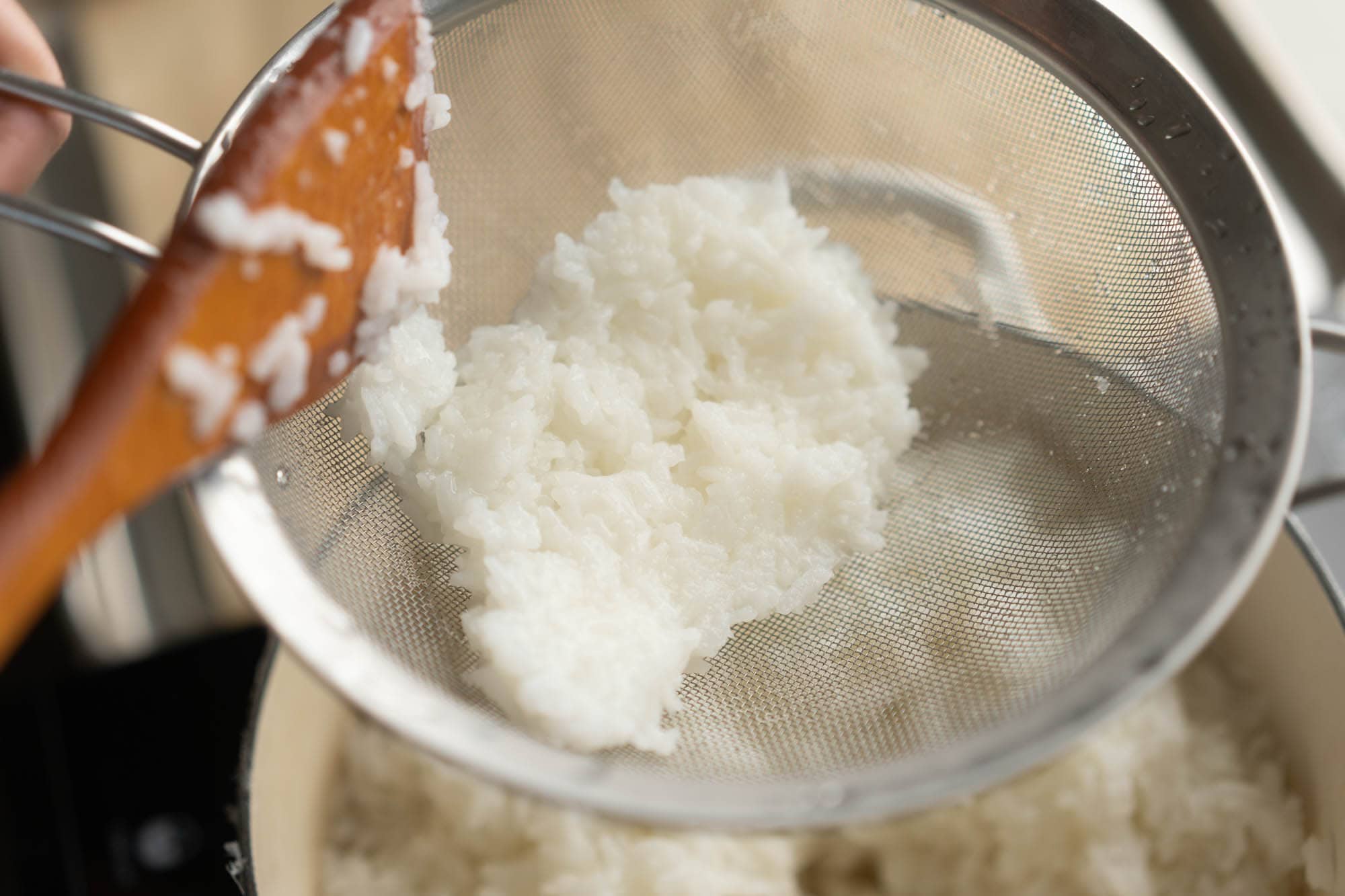
Rinsing rice removes extra starch on the surface. Starch causes rice to stick and become mushy. Wash the rice several times under cold water until the water runs clear.
Do not skip rinsing. It improves texture and prevents clumps. Drain rice well before cooking to keep the right moisture balance.
Credit: www.hungryhuy.com
Rice Cooker Settings And Techniques
Rice cookers have different settings that affect how rice cooks. Using the right settings and techniques helps avoid mushy rice. Small changes can make a big difference in texture and taste.
Using The Correct Cooking Mode
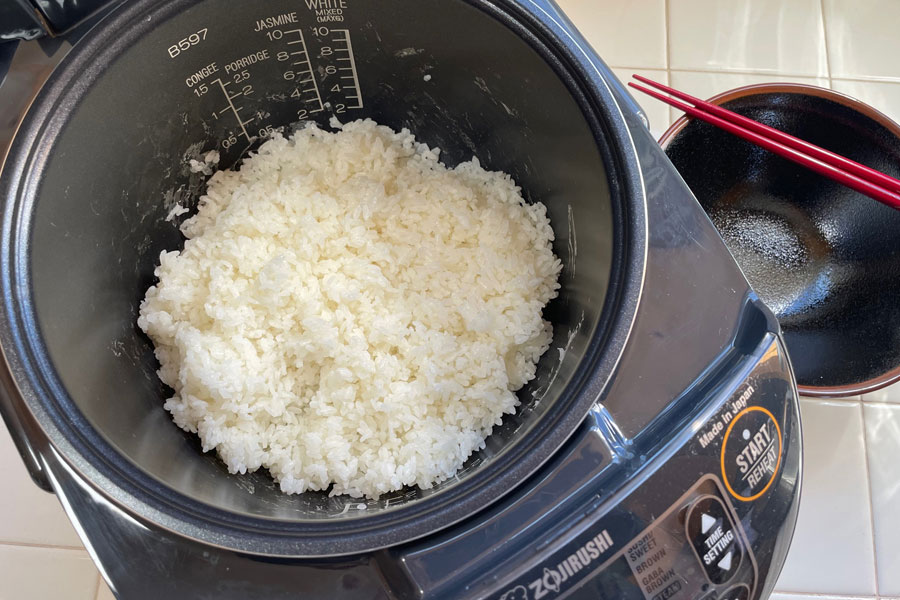
Rice cookers often have modes for white rice, brown rice, or quick cook. Each mode adjusts cooking time and temperature. Choose the setting that matches your rice type. This stops overcooking or undercooking. Using the wrong mode can make rice too soft or mushy.
Avoiding Reheating Mistakes
Reheating rice in the cooker can cause mushiness. Avoid adding water before reheating. Heat rice using the “keep warm” mode or microwave. Stir rice gently to spread heat evenly. Overheating breaks down rice grains and makes them sticky.
Letting Rice Rest After Cooking
Resting rice after cooking helps steam finish the process. Leave the lid closed for 10 to 15 minutes. This step firms up rice grains and improves texture. Skipping rest time often causes mushy or wet rice. Patience pays off with perfect rice.
Troubleshooting Tips
Rice cooker rice can turn mushy sometimes. This problem is common but fixable. Simple steps can help you get fluffy rice again. Follow these troubleshooting tips to improve your rice cooking results.
Fixing Already Mushy Rice
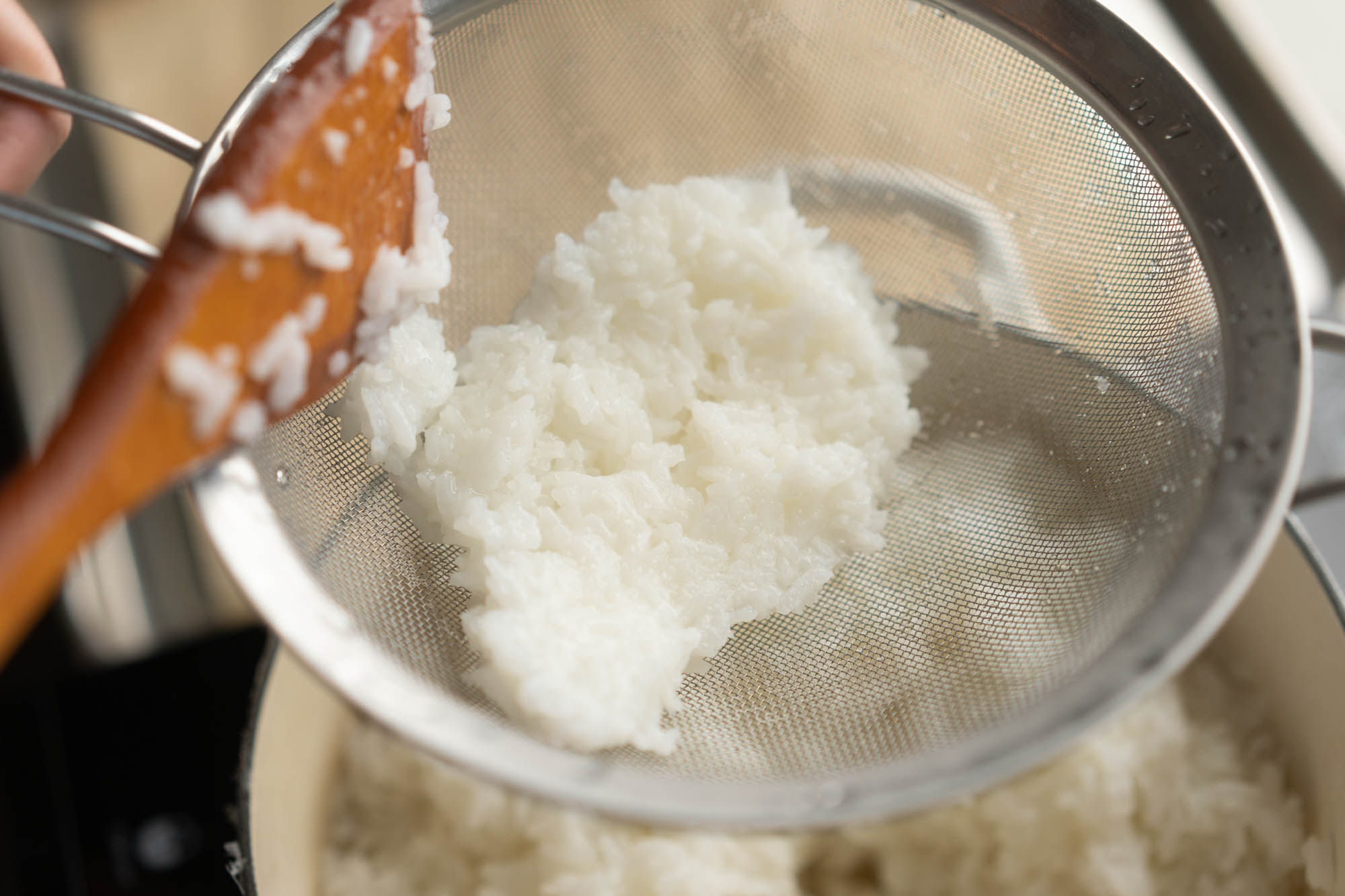
Drain extra water from the mushy rice using a fine strainer. Spread the rice on a baking sheet to dry slightly. Place it back in the cooker and heat without adding water. This helps remove moisture and firm up the rice. Avoid stirring the rice while cooking again to keep grains intact.
Cleaning And Maintaining Your Cooker
Clean the inner pot after every use. Use a soft sponge and mild detergent to avoid damage. Check the heating plate for food residue or burnt rice. Wipe it gently with a damp cloth to keep good heat contact. Regular cleaning stops uneven cooking and mushy rice.
Replacing Faulty Parts
Check the sealing ring on your cooker lid. A worn or broken seal causes steam to escape. This leads to poor cooking and mushy rice. Replace the sealing ring if it looks cracked or loose. Also, test the temperature sensor and heating element. Faulty parts need professional repair or replacement.
Alternative Cooking Methods
Rice cooker rice can sometimes turn mushy. Using other cooking methods can give better texture and control. These alternatives help make rice fluffy and separate. Try these simple ways to cook perfect rice.
Stovetop Techniques For Fluffy Rice
Rinse rice well to remove extra starch. Use a pot with a tight-fitting lid. Add water in the right amount—usually one and a half cups water per cup rice. Bring water to a boil, then reduce to low heat. Cover and cook for 15-20 minutes without lifting the lid. Turn off the heat and let rice rest for 10 minutes. Fluff rice gently with a fork before serving.
Using A Steamer
Steaming rice keeps grains separate and light. Soak rice for 20-30 minutes before cooking. Place rice in a cheesecloth or steamer basket. Use boiling water in the steamer pot. Steam rice for 20-25 minutes or until soft. Check water level often to avoid drying out. Steaming helps rice keep its natural texture and flavor.
Microwave Rice Cooking Tips
Microwave cooking saves time and is easy. Use a microwave-safe bowl with a lid. Add rice and water, usually two parts water to one part rice. Cover loosely to allow steam to escape. Cook on high for 10 minutes, then on low for 5 minutes. Let rice sit covered for 5 minutes after cooking. Stir rice gently to separate grains before serving.
Credit: www.zojirushi.com
Frequently Asked Questions
Why Is My Rice Cooker Rice Mushy?
Mushy rice usually happens due to too much water or overcooking. Use the correct water-to-rice ratio. Avoid opening the lid during cooking to maintain steam and texture.
How Can I Prevent Mushy Rice In A Rice Cooker?
Measure water accurately and rinse rice before cooking. Use the rice cooker’s specific settings. Avoid adding extra water or cooking time beyond recommendations.
Does The Type Of Rice Affect Mushiness In A Rice Cooker?
Yes, different rice types need different water amounts. For example, brown rice requires more water than white rice. Adjust water and cooking time based on rice variety.
Can Rinsing Rice Reduce Mushiness In Rice Cookers?
Rinsing removes excess starch, which helps prevent mushiness. Rinse rice until water runs clear to improve texture and avoid sticky or clumpy rice.
Conclusion
Mushy rice in a cooker happens often but can be fixed. Use the right water amount and choose the correct rice type. Avoid opening the lid while cooking to keep steam inside. Rinse rice well to remove extra starch. Adjust settings or cooking time if your cooker allows.
Small changes make a big difference in rice texture. Practice helps you find the perfect method for your cooker. Keep trying, and enjoy fluffy, tasty rice every time.

Hello, This is Annie Walker, a 38-year-old blogger, founder, and editor of Cookware Guider from NY, USA. I am a cookware fanatic and passionate cooker. I love to cook with different types of cooking appliances (example: all types of cookware, rice cookers, slow cookers, etc) almost every day in my kitchen. I love to share my experience with my readers in my blog. Also, I enjoy helping people to solve their problems through my website. You can follow me on Twitter & Pinterest. To know details about my blog please check the about us page.