
Have you ever wondered what gives your favorite Asian dishes that unique, rich flavor? The secret often lies in a special ingredient called rice wine for cooking.
If you’re curious about what rice wine is, how it works, and why it’s a must-have in your kitchen, you’re in the right place. By the end of this article, you’ll understand exactly how rice wine can transform your meals and even learn some handy tips on using it like a pro.
Ready to unlock the flavor magic? Let’s dive in!

Credit: www.recipetineats.com
Rice Wine Basics
Rice wine is a common ingredient in many Asian kitchens. It adds flavor and depth to dishes. Understanding the basics helps in using it well. Rice wine is not just a drink; it is a cooking essential in many recipes.
This section explores the types of rice wine, how it is made, and how it differs from other cooking wines. Each point gives a clear view of rice wine basics for cooking.
Types Of Rice Wine
There are several types of rice wine used in cooking. Shaoxing wine is popular in Chinese dishes. Mirin is a sweet rice wine from Japan. Sake is another Japanese rice wine, often used for cooking and drinking. Each type has a unique taste and use.
How Rice Wine Is Made
Rice wine is made by fermenting rice. The starch in rice turns into sugar. Then yeast ferments the sugar into alcohol. This process creates a mild, slightly sweet wine. The fermentation time and method affect the flavor.
Differences From Other Cooking Wines
Rice wine differs from grape wine and other cooking wines. It has a lighter taste and lower acidity. Many cooking wines have added salt; rice wine usually does not. It adds a subtle sweetness and depth to dishes. This makes it ideal for Asian recipes.
Role In Cooking
Rice wine is a common ingredient in many kitchens. It plays an important role in cooking. It helps improve the taste and texture of food. Understanding its role can help you cook better meals.
Rice wine is not just for drinking. It changes the way food tastes. It works in several ways during cooking.
Enhancing Flavor Profiles
Rice wine adds a mild sweetness to dishes. It brings out hidden flavors in food. It helps balance salty and spicy tastes. This wine makes recipes taste richer and deeper. Chefs use it to give dishes a smooth finish.
Tenderizing Meat
The alcohol in rice wine breaks down meat fibers. This makes meat softer and easier to chew. It also helps meat absorb other flavors better. Marinating meat in rice wine improves texture quickly. This method works well for tougher cuts.
Balancing Aromas And Acidity
Rice wine adds a gentle acidity to dishes. It balances strong smells and sharp flavors. This helps create a pleasant aroma in food. The wine smooths out harsh notes in sauces and soups. It makes meals taste fresh and well-rounded.
Popular Varieties For Cooking
Rice wine is a key ingredient in many Asian dishes. Different types of rice wine add unique flavors and aromas to recipes. These varieties suit different cooking styles and cuisines. Understanding popular types helps you choose the right one for your dish.
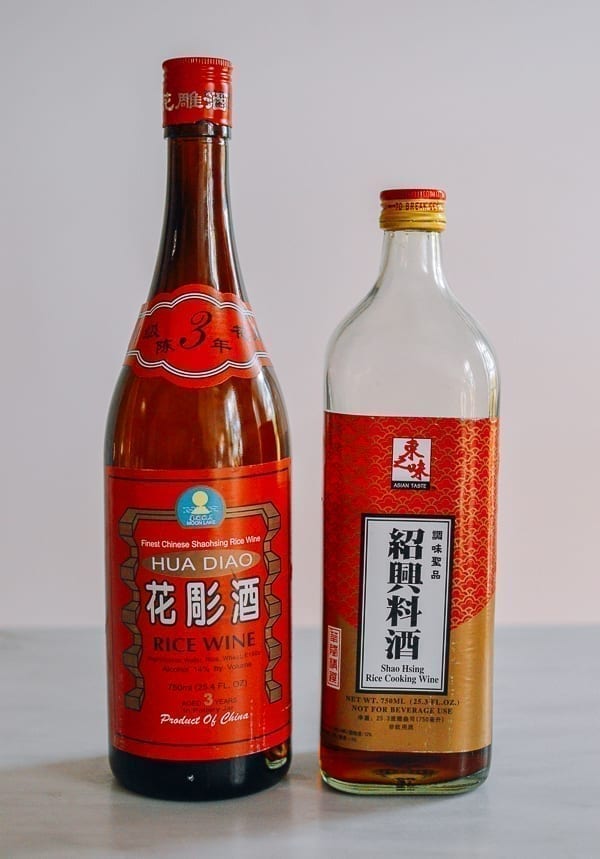
Shaoxing Wine
Shaoxing wine is a famous Chinese rice wine. It has a rich, nutty taste with a slight sweetness. Chefs use it in marinades, soups, and stir-fries. This wine adds depth and warmth to savory dishes. It is often aged, which enhances its flavor.
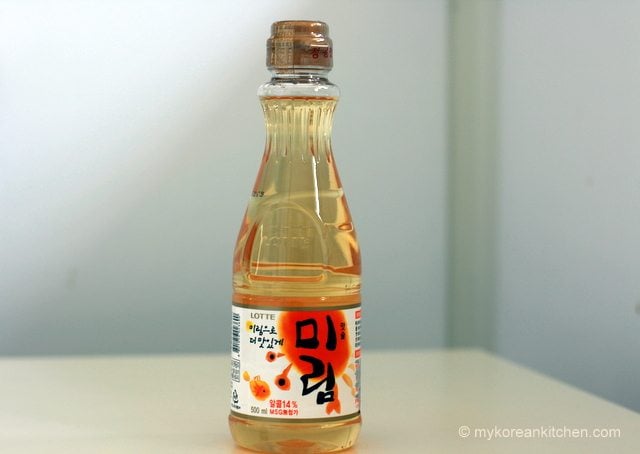
Mirin
Mirin is a sweet Japanese rice wine. It contains less alcohol and more sugar than others. Mirin is common in sauces and glazes. It gives a mild sweetness and a shiny finish. Many Japanese recipes rely on mirin for balance.
Sake
Sake is another Japanese rice wine used in cooking. It has a light, delicate flavor. Sake helps tenderize meat and remove odors. It works well in soups, broths, and sauces. Cooking sake is a special variety made just for food.
Credit: mykoreankitchen.com
Using Rice Wine In Recipes
Rice wine adds a unique flavor to many dishes. It brings a mild sweetness and depth to food. Using rice wine in cooking helps balance tastes and tenderize meat. It works well in many types of recipes.
Marinades And Sauces
Rice wine is perfect for marinades. It softens meat and adds a light flavor. Mix it with soy sauce, garlic, and ginger for a tasty marinade. It also enriches sauces by giving a subtle sweetness. Use it to lift the taste of dipping sauces and glazes.
Stir-fries And Braises
Add rice wine to stir-fries for a fresh, bright note. It helps blend the flavors of vegetables and meat. In braises, rice wine adds complexity and tenderizes tougher cuts. Pour a splash during cooking to create a richer dish. It brings out the natural flavors without overpowering them.
Soups And Stews
Rice wine enhances soups by adding warmth and depth. It balances salty and spicy elements in broths. Use it in stews for a gentle sweetness and aroma. A small amount boosts flavor without changing the texture. It makes soups taste fuller and more inviting.
Substitutes And Alternatives
Rice wine adds a unique flavor to many dishes. Sometimes, you may not have rice wine on hand. Or you might want to avoid alcohol. There are good substitutes and alternatives you can use. These options keep your dish tasty and balanced.
Non-alcoholic Options
White grape juice works well as a non-alcoholic substitute. It adds sweetness and mild acidity. Apple cider vinegar mixed with water can also replace rice wine. Use half vinegar and half water to reduce sharpness. Lemon juice with water offers fresh acidity. Use small amounts to avoid overpowering flavors.
Other Alcoholic Replacements
Dry sherry is a common alternative to rice wine. It has a similar flavor and aroma. Sake can also substitute rice wine in many recipes. Dry white wine works but is stronger in taste. Choose mild wines to match rice wine’s subtlety. Use less white wine to avoid a strong taste.
Adjusting For Flavor Differences
Each substitute changes the flavor slightly. Taste your dish often as you cook. Add a little sugar if the substitute is too sour. Use less substitute if the flavor is too strong. Balancing salt, sugar, and acidity helps keep flavors right. Small changes can make a big difference in taste.
Credit: thewoksoflife.com
Storage And Shelf Life
Rice wine for cooking is a versatile ingredient. Proper storage helps keep its flavor fresh. Knowing how to store it extends its shelf life. It also prevents spoilage and waste.
Proper Storage Tips
Store rice wine in a cool, dark place. Avoid direct sunlight or heat sources. Keep the bottle tightly sealed after each use. This stops air from spoiling the wine. Refrigeration is best for opened bottles.
Signs Of Spoilage
Check for cloudy appearance or sediment in the wine. A sour or off smell means it has gone bad. Taste a small amount if unsure. If flavor is harsh or strange, discard it. Mold on the bottle or cork is a clear sign.
Extending Freshness
Use smaller bottles to reduce air exposure. Pour only what you need and seal quickly. Store rice wine away from strong odors. Keep it in the fridge after opening. Always use clean utensils to avoid contamination.
Frequently Asked Questions
What Is Rice Wine Used For In Cooking?
Rice wine enhances flavor, tenderizes meat, and adds depth to sauces. It’s common in Asian dishes like stir-fries and marinades. Its mild sweetness balances salty and spicy ingredients perfectly.
How Does Rice Wine Differ From Cooking Wine?
Rice wine is made from fermented rice, offering subtle sweetness and umami. Cooking wine often contains added salt and preservatives. Rice wine is preferred for authentic Asian recipes due to its pure, delicate taste.
Can I Substitute Rice Wine In Recipes?
You can substitute rice wine with dry sherry or mirin. These options offer similar sweetness and acidity. However, avoid using regular wine as it changes the dish’s flavor profile significantly.
Is Rice Wine Alcoholic When Used In Cooking?
Rice wine contains alcohol, but most evaporates during cooking. It imparts flavor without strong alcohol taste. Dishes remain safe for those avoiding alcohol intake after thorough cooking.
Conclusion
Rice wine adds a unique flavor to many dishes. It helps balance tastes and tenderize meats. Using it can make your cooking more authentic. Remember, a little goes a long way. Always store rice wine in a cool place. Try it in soups, sauces, or stir-fries.
Cooking with rice wine brings new flavors to your table. Give it a chance and enjoy the difference. Simple, tasty, and easy to use. Rice wine is a helpful kitchen ingredient.

Hello, This is Annie Walker, a 38-year-old blogger, founder, and editor of Cookware Guider from NY, USA. I am a cookware fanatic and passionate cooker. I love to cook with different types of cooking appliances (example: all types of cookware, rice cookers, slow cookers, etc) almost every day in my kitchen. I love to share my experience with my readers in my blog. Also, I enjoy helping people to solve their problems through my website. You can follow me on Twitter & Pinterest. To know details about my blog please check the about us page.