
Have you ever opened your rice cooker only to find your rice mushy and overcooked? It’s frustrating when you expect fluffy, perfect grains but end up with a sticky mess instead.
If this sounds familiar, you’re not alone—and the good news is, you can fix it. Understanding why your rice turns mushy and how to prevent it will save you time, money, and disappointment. Keep reading to discover simple, effective tips that will help you cook rice just the way you like it every time.
Credit: www.hungryhuy.com
Common Causes Of Mushy Rice
Mushy rice in a rice cooker is a common problem. It happens when the rice absorbs too much water or cooks too long. Understanding why rice gets mushy helps to fix the issue quickly. Here are some common causes to check and avoid.
Too Much Water
Adding too much water is the top cause of mushy rice. Rice absorbs water while cooking. Extra water makes the grains soft and sticky. Use the right amount of water for each type of rice. Measure carefully to prevent mushiness.
Overcooking
Cooking rice too long can make it mushy. Rice cooks quickly in a rice cooker. Leaving it on warm or cooking again causes soft, soggy rice. Turn off the cooker once the rice is done to keep the texture firm.
Wrong Rice-to-water Ratio
The rice-to-water ratio is key to good rice. Different rice types need different ratios. Using the wrong ratio makes rice too wet or dry. Follow the instructions on the rice package or use a reliable guide.
Using The Wrong Rice Type
Not all rice cooks the same way. Some types need less water and time. Using a rice type not suited for your cooker can cause mushiness. Choose rice based on your cooker’s settings and recipe.
Adjusting Water Measurements
Adjusting the water amount in your rice cooker is key to avoiding mushy rice. Too much water makes rice soft and sticky. The right balance gives you fluffy, separate grains. Small changes in water can make a big difference in texture.
Measuring Rice Accurately
Use a standard measuring cup for rice. Avoid guessing or using random containers. Measure the rice before adding water. This step ensures the water ratio is correct. Accurate rice measurement helps control cooking results.
Reducing Water For Firmer Rice
Cut the water slightly to get firmer rice. Try using less water than the cooker instructions say. Start by reducing water by one-quarter cup. Cook and check texture. Adjust more if rice is still too soft.
Using Rice Cooker Markings
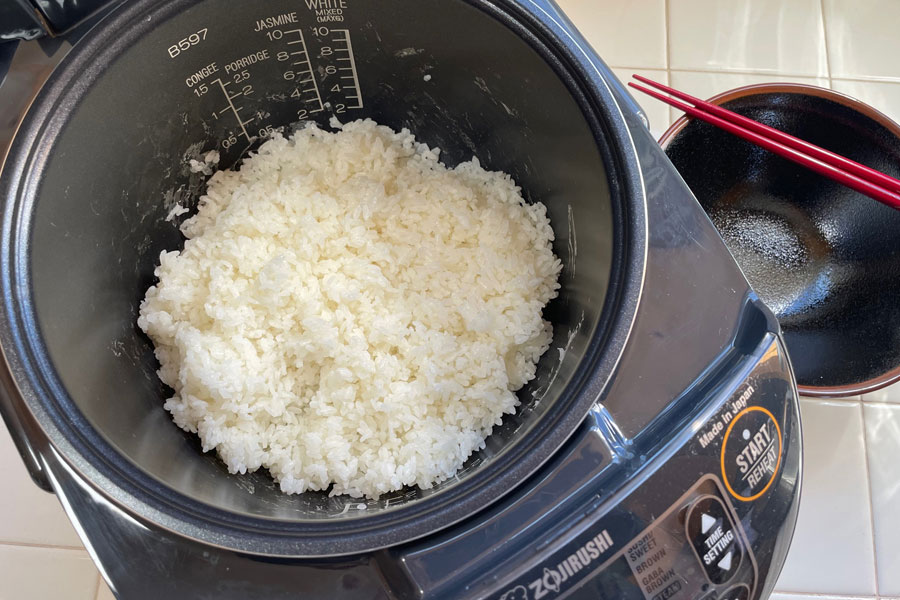
Many rice cookers have water level lines inside the pot. Match the water to the line for the amount of rice you add. These markings are a good guide. Trust them but adjust slightly if rice turns mushy. Follow the lines closely for best results.
Cooking Time Tips
Cooking rice in a rice cooker is simple, but timing is key. Too much cooking time makes rice mushy and sticky. Proper timing keeps rice fluffy and perfect. Use these cooking time tips to improve your rice quality.
Avoiding Overcooking
Rice cooks quickly in a rice cooker. Too long inside means mushy rice. Check the rice soon after the cooker switches off. Remove the rice from the cooker to stop cooking. Use the right water amount to prevent soggy rice.
Using The Keep Warm Function Wisely
The keep warm function keeps rice hot after cooking. Leaving rice too long on keep warm can make it mushy. Use this function for short periods only. Serve rice soon for the best texture and taste.
Rice Preparation Techniques
Rice preparation plays a big role in cooking perfect rice in a rice cooker. Small steps before cooking affect the texture a lot. Proper techniques stop rice from becoming mushy. These steps help the rice grains stay separate and fluffy. Let’s explore two key preparation techniques.
Rinsing Rice Properly
Rinsing rice removes extra starch from the grains. Starch makes rice sticky and clumps together. Place rice in a bowl and add cold water. Stir the rice gently with your hand. Drain the water carefully. Repeat this process two to three times until water runs clear. Clean rice cooks better and feels lighter.
Soaking Rice Before Cooking
Soaking rice helps grains absorb water evenly. This step reduces cooking time and prevents mushiness. Put rinsed rice in a bowl and cover with water. Let it soak for 20 to 30 minutes. Drain the water before adding rice to the cooker. Soaked rice cooks more evenly and stays firm.
Rice Cooker Maintenance
Maintaining your rice cooker is key to cooking perfect rice every time. Dirt or damage can cause mushy rice. Simple care keeps the cooker working well. Regular checks help avoid cooking problems.
Cleaning The Inner Pot
Clean the inner pot after each use. Use a soft sponge and mild soap. Avoid harsh scrubbing that can damage the pot’s surface. Rinse well to remove all soap. Dry the pot completely before storing. A clean pot prevents stuck rice and uneven cooking.
Checking Cooker Settings
Check the cooker settings before each use. Make sure the water level matches the rice type. Use the correct cooking mode for white or brown rice. Faulty settings can make rice mushy or dry. Adjust settings as needed to match your rice and water ratio.
Credit: www.zojirushi.com
Rescuing Mushy Rice
Mushy rice in a rice cooker is a common problem. It happens when too much water is used or the cooking time is off. Mushy rice feels soft and sticky, not fluffy as it should be. Fixing mushy rice quickly can save your meal. Small steps can make a big difference.
Draining Excess Water
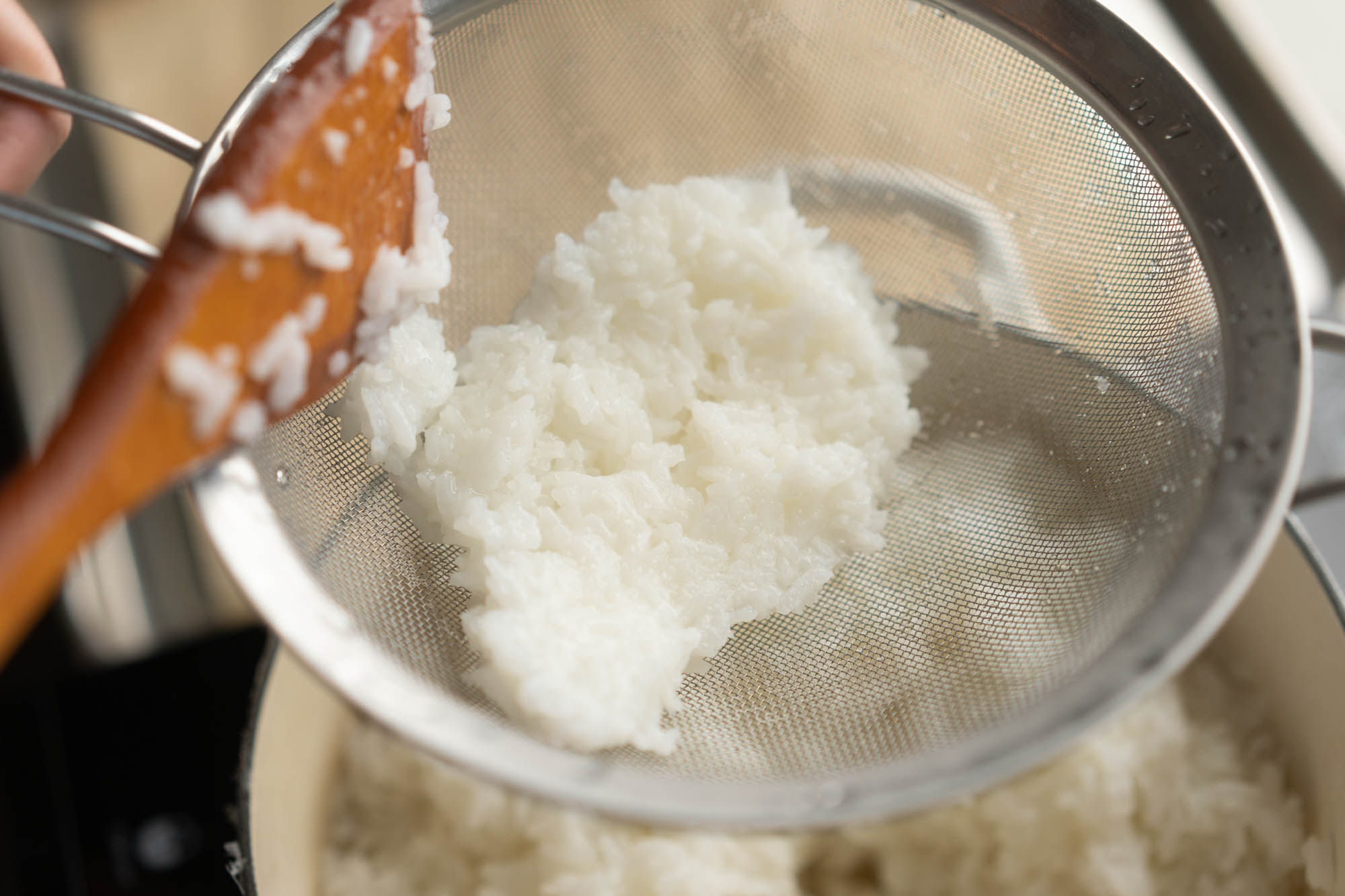
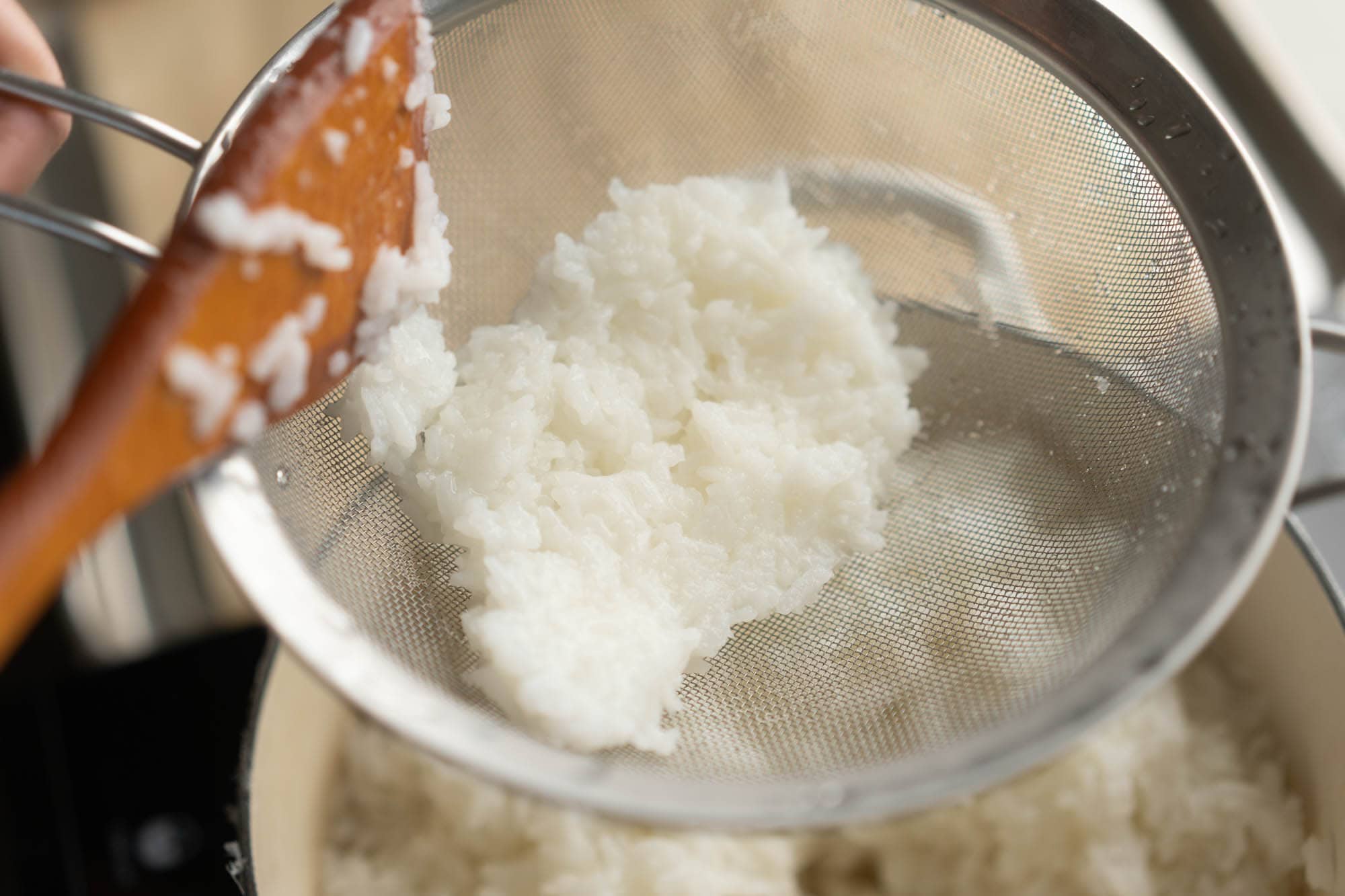
Start by checking if there is extra water in the cooker. Use a fine strainer to drain the water gently. Let the rice sit for a few minutes to release more water. This helps stop the rice from cooking more and getting softer. Draining water makes the rice less wet and sticky.
Reheating With Heat And Air
Spread the rice on a baking sheet or plate. Use a low heat in the oven or toaster oven for a few minutes. Stir the rice often to let steam escape. This dries the rice and firms up the grains. You can also use a fan or open window to help air dry the rice faster.
Credit: www.hungryhuy.com
Frequently Asked Questions
Why Is My Rice Mushy In The Rice Cooker?
Mushy rice usually happens due to excess water or overcooking. Use the correct water-to-rice ratio and avoid opening the lid during cooking.
How To Fix Mushy Rice In A Rice Cooker?
Drain excess water immediately if rice is mushy. Then, spread rice on a tray to air dry and fluff gently with a fork.
Can Wrong Rice Type Cause Mushy Rice?
Yes, some rice types absorb more water and cook softer. Use the recommended rice variety and adjust water amounts accordingly.
Does Rinsing Rice Affect Its Texture?
Rinsing removes excess starch, preventing rice from becoming sticky or mushy. Always rinse rice until water runs clear before cooking.
Conclusion
Mushy rice in a rice cooker can spoil your meal. Check the water amount carefully next time. Use the right rice type for your cooker. Avoid overcooking by setting the correct timer. Let the rice rest before serving for better texture.
Small changes make a big difference in cooking results. Enjoy fluffy, tasty rice every time you cook. Simple steps help you avoid mushy rice easily. Keep practicing and you will improve quickly. Cooking rice doesn’t have to be hard.

Hello, This is Annie Walker, a 38-year-old blogger, founder, and editor of Cookware Guider from NY, USA. I am a cookware fanatic and passionate cooker. I love to cook with different types of cooking appliances (example: all types of cookware, rice cookers, slow cookers, etc) almost every day in my kitchen. I love to share my experience with my readers in my blog. Also, I enjoy helping people to solve their problems through my website. You can follow me on Twitter & Pinterest. To know details about my blog please check the about us page.