
Are you curious about the nutritional value of the rice on your plate? Specifically, you might be wondering, “Is there protein in rice cooked?”
Knowing the answer can help you make smarter choices for your meals and fuel your body better. Rice is a staple food for many, but understanding what it truly offers beyond just carbs can change how you view this everyday grain.
Keep reading to uncover the truth about rice and protein—and discover how it fits into your diet.
Protein Content In Cooked Rice
Rice is a staple food for many people worldwide. It provides energy and some important nutrients. One common question is whether cooked rice contains protein. Protein is important for building muscles and repairing body tissues.
Cooked rice does have protein, but the amount varies by type. Understanding how cooking affects protein and the differences between rice varieties helps you make better food choices.
How Cooking Affects Protein Levels
Cooking rice changes its texture and taste. It also affects the nutrients inside. Some protein may break down during cooking, but most stays intact. Cooking with too much water can cause slight nutrient loss. Using the right water amount keeps protein levels stable.
Cooking does not add protein. It only changes the rice’s form to make it easier to digest. The protein quality in rice stays mostly the same after cooking.
Protein Amounts In Different Rice Varieties
Not all rice has the same protein content. Brown rice has more protein than white rice. This is because brown rice keeps its outer layers. White rice loses some protein during polishing. Wild rice has the highest protein among common varieties.
On average, cooked white rice has about 2 to 3 grams of protein per cup. Brown rice offers around 3 to 4 grams per cup. Wild rice can have up to 6 grams per cup. Choosing the rice type affects your protein intake.

Credit: adozencousins.com
Types Of Protein In Rice
Rice contains protein, but the type varies depending on the kind of rice. The proteins in rice are mostly plant-based and have unique features. Understanding these proteins helps you see how rice fits in a balanced diet.
Rice proteins are mostly made up of storage proteins. These proteins store nitrogen and energy for the plant seed. They differ from proteins found in meat or dairy.
Amino Acid Profile
Rice protein includes many essential amino acids. These are the building blocks of protein that your body cannot make. Rice is rich in cysteine and methionine, two sulfur-containing amino acids. It also provides good amounts of lysine, though less than some other grains. Overall, rice offers a moderate balance of amino acids.
Rice protein is low in lysine compared to animal proteins. This makes it less complete on its own. Pairing rice with beans or lentils can improve the amino acid balance.
Quality Compared To Other Protein Sources
Rice protein is easier to digest than many other plant proteins. It is free from gluten, making it suitable for people with gluten intolerance. Compared to animal proteins, rice protein has fewer essential amino acids. Its digestibility score is high but not as high as whey or egg protein.
Plant-based proteins like rice support vegetarian and vegan diets well. Blending rice with other proteins can meet daily protein needs efficiently.
Nutritional Benefits Beyond Protein
Rice offers more than just protein. It provides a range of nutrients essential for health. These nutrients support energy, digestion, and body functions. Understanding rice’s full nutritional profile helps appreciate its role in a balanced diet.
Carbohydrates And Fiber
Rice is mainly a source of carbohydrates. Carbohydrates supply energy for daily activities and brain function. Cooked rice contains starch, a type of carbohydrate that is easy to digest.
Brown rice has more fiber than white rice. Fiber aids digestion and keeps the gut healthy. It also helps control blood sugar and cholesterol levels.
Vitamins And Minerals
Rice contains small amounts of important vitamins and minerals. It has B vitamins like niacin and thiamine. These vitamins help convert food into energy.
Minerals such as magnesium, phosphorus, and manganese are also present. They support bone health, muscle function, and metabolism. Brown rice usually has higher vitamin and mineral content than white rice.
Rice In A Balanced Diet
Rice is a staple food for many people worldwide. It provides energy and some essential nutrients. Though rice contains protein, the amount is small compared to other foods. It is important to eat rice with other foods to meet your protein needs. Rice fits well into a balanced diet because it is easy to cook and digest.
Eating a variety of foods with rice helps your body get all the nutrients it needs. Combining rice with other protein sources makes meals healthier and more filling. This approach supports overall good health and keeps meals tasty.
Combining Rice With Other Protein Sources
Rice has some protein but lacks certain amino acids. Eating rice with beans or lentils gives a complete protein profile. Nuts and seeds are good choices to add protein to rice dishes. Meat, fish, and eggs also increase protein when served with rice. Mixing rice with different protein sources makes meals balanced and nutritious.
Role In Vegetarian And Vegan Diets
Rice is a key part of many vegetarian and vegan diets. It provides calories and some protein without animal products. Vegetarians and vegans pair rice with legumes, tofu, or tempeh for more protein. This combination helps meet daily protein needs. Rice is a versatile base for many plant-based meals.
Common Myths About Rice Protein
Rice is a staple food for many people worldwide. People often wonder about the protein in cooked rice. Myths about rice protein can create confusion. Clearing up these myths helps to understand rice better. Let’s explore some common ideas people have about rice protein.
Rice Protein And Muscle Building
Many believe rice protein is not good for muscle building. This is not true. Rice protein contains essential amino acids. These acids help repair and build muscles. It may not have as much protein as meat. Still, rice protein supports muscle growth well.
People who follow a plant-based diet often use rice protein. It is a good option for vegetarians and vegans. Rice protein can be combined with other plant proteins. This makes it a complete protein source for muscles.
Gluten And Allergies
Some think rice contains gluten. Rice is naturally gluten-free. It is safe for people with gluten intolerance or celiac disease. Allergies to rice protein are rare but possible. Most people can eat rice without any problem.
Rice protein is gentle on the stomach. It is often used in hypoallergenic diets. This makes it a good choice for people with food sensitivities. Rice protein offers a safe and healthy option.
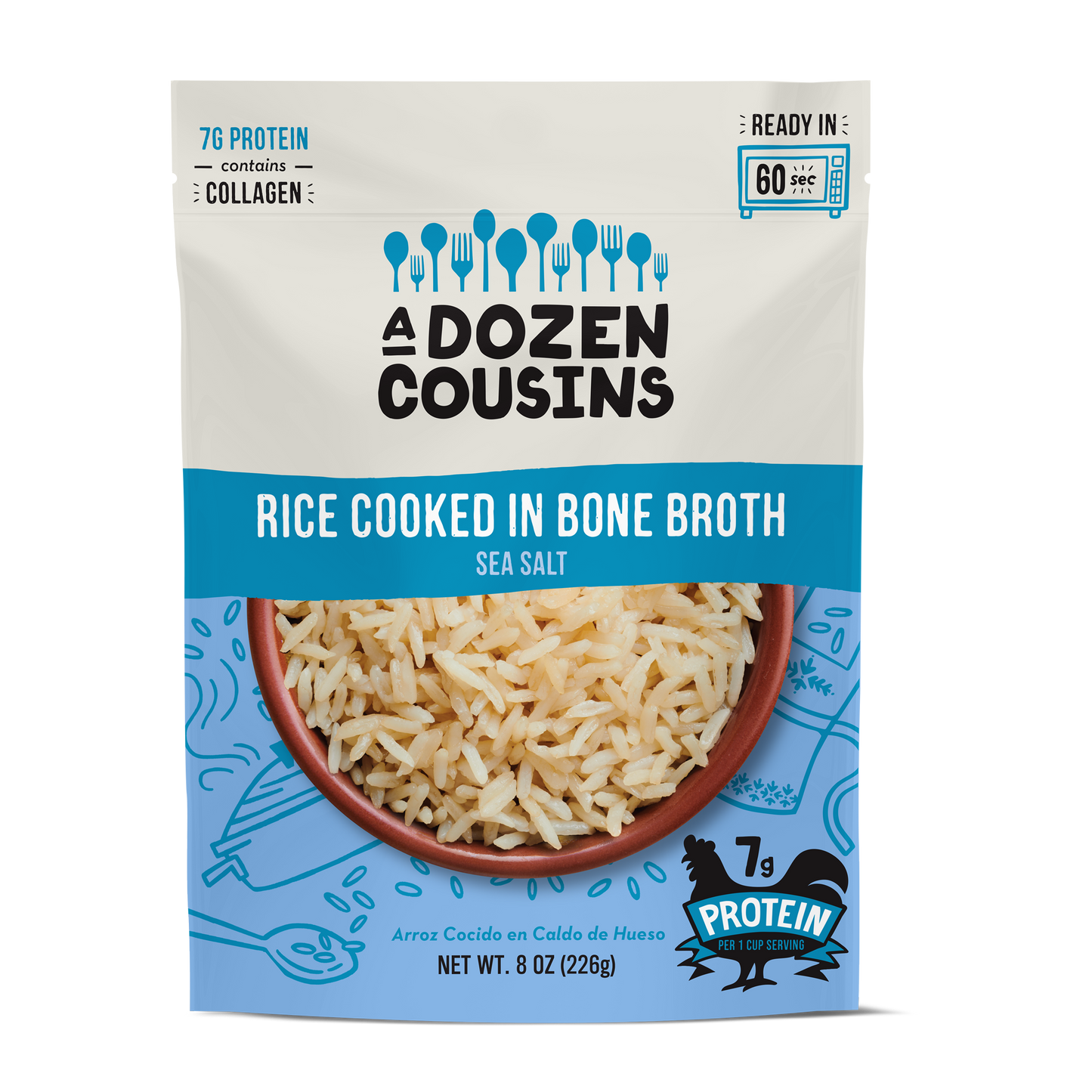
Credit: adozencousins.com

Credit: www.amazon.com
Frequently Asked Questions
Does Cooked Rice Contain Protein?
Yes, cooked rice contains protein. One cup of cooked white rice has about 4 grams of protein. Brown rice has slightly more protein and fiber than white rice.
How Much Protein Is In One Cup Of Cooked Rice?
One cup of cooked white rice provides approximately 4 grams of protein. Brown rice offers around 5 grams per cup, making it a better protein source.
Is Rice A Good Source Of Protein For Vegetarians?
Rice provides some protein but is not a complete protein alone. Vegetarians should combine it with beans or lentils for a balanced amino acid profile.
Does Cooking Rice Reduce Its Protein Content?
Cooking rice does not significantly reduce its protein content. The protein remains stable during cooking, making cooked rice a reliable protein source.
Conclusion
Rice cooked contains some protein but not a lot. It provides a small amount that can help meet daily needs. Combining rice with other protein-rich foods improves overall nutrition. This balance supports a healthy diet and keeps meals tasty. Remember, variety matters in getting enough protein.
Rice can be part of that mix. Simple, easy meals with rice and beans or eggs work well. Enjoy your food and stay healthy with smart choices.

Hello, This is Annie Walker, a 38-year-old blogger, founder, and editor of Cookware Guider from NY, USA. I am a cookware fanatic and passionate cooker. I love to cook with different types of cooking appliances (example: all types of cookware, rice cookers, slow cookers, etc) almost every day in my kitchen. I love to share my experience with my readers in my blog. Also, I enjoy helping people to solve their problems through my website. You can follow me on Twitter & Pinterest. To know details about my blog please check the about us page.