
Are you curious about what exactly a cooktop stove is and why it might be the perfect addition to your kitchen? Whether you love cooking daily meals or just want a sleek, space-saving option, understanding a cooktop stove can change the way you cook.
This simple device can offer you more control, style, and convenience than you might expect. Keep reading to discover how a cooktop stove works and why it could be the game-changer your kitchen needs.
Credit: www.reviewed.com
Types Of Cooktop Stoves
Cooktop stoves come in different types, each with unique features. Understanding these types helps choose the best one for your kitchen. Below are the main categories of cooktop stoves.
Gas Cooktops
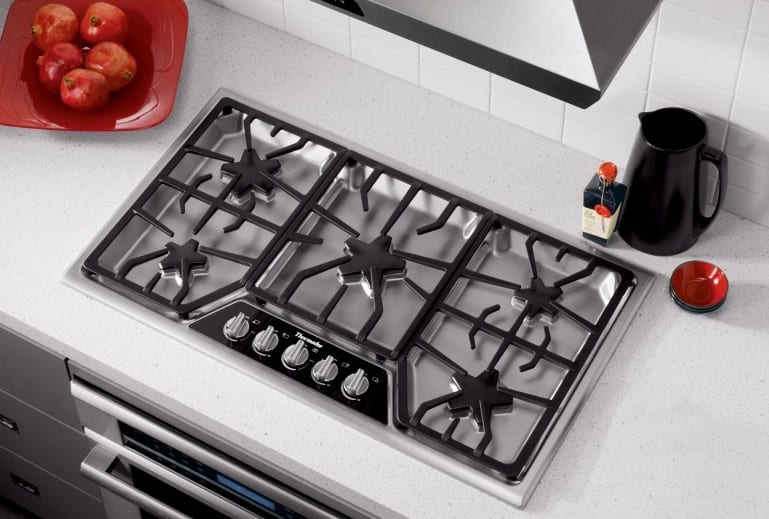
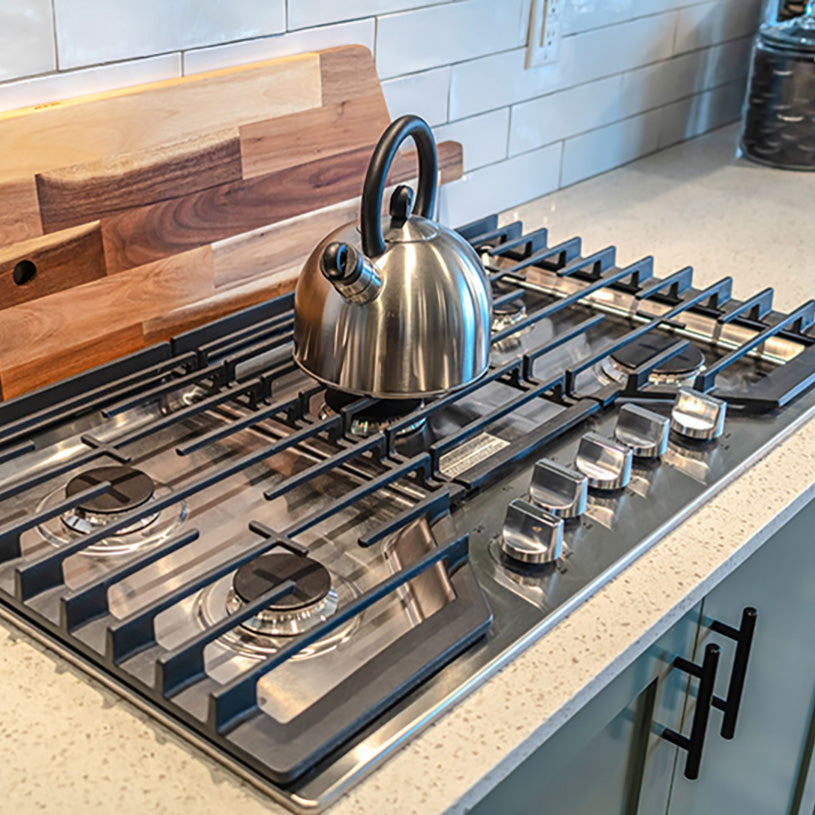
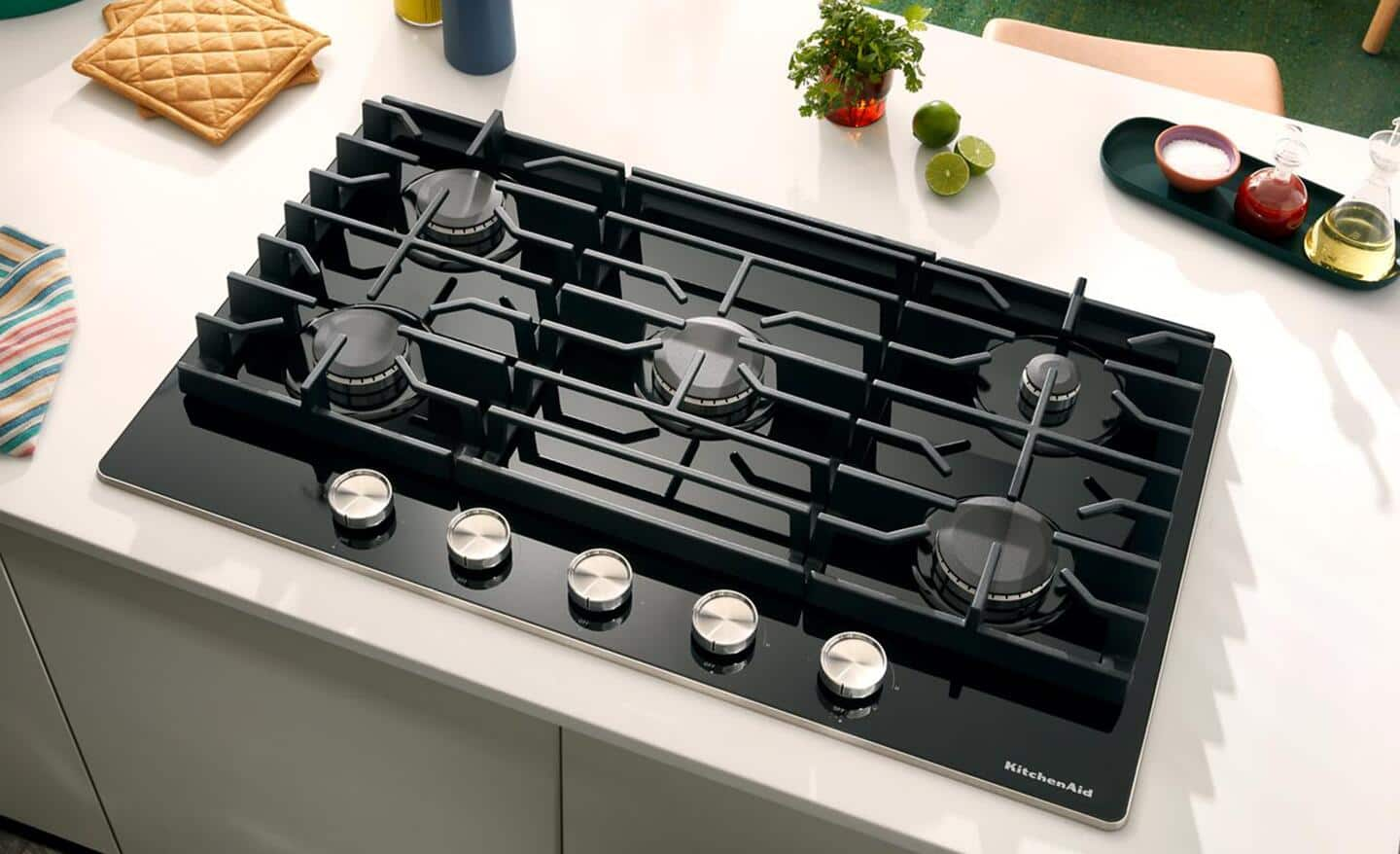
Gas cooktops use open flames for cooking. They heat up quickly and allow precise temperature control. Many chefs prefer gas for its fast response and visible flame. These cooktops require a gas supply line. They work well with all types of cookware.
Electric Cooktops
Electric cooktops use electric heating elements under the surface. They offer steady heat and are easy to clean. These cooktops take longer to heat than gas but provide even cooking. They do not require gas connections, only electricity.
Induction Cooktops
Induction cooktops use magnetic fields to heat pots directly. They heat faster and use less energy than electric or gas. The surface stays cool, reducing burn risks. Induction requires compatible cookware with magnetic bases.
Ceramic And Glass Cooktops
Ceramic and glass cooktops have smooth, flat surfaces. Heating elements sit beneath the glass or ceramic top. They look sleek and are easy to clean. These cooktops heat evenly but can take time to cool down.
Key Features To Consider
Choosing the right cooktop stove means knowing what features matter most. These features affect how well the stove fits your kitchen and meets your cooking needs. Understanding key points helps you pick a stove that works best for you.
Size And Burner Layout
Size matters for your kitchen space. Measure the area where you want to install the cooktop. Burner layout affects how many pots you can use at once. Some stoves have burners of different sizes for various cooking tasks. Think about your usual cooking style before choosing.
Control Options
Control types vary from knobs to touch panels. Knobs offer easy, quick adjustments. Touch controls look modern and are easy to clean. Some models include smart controls for precise heat settings. Choose controls that feel comfortable and simple to use.
Safety Features
Safety is a top priority. Look for features like automatic shut-off to prevent accidents. Child lock settings keep kids safe. Heat indicators show if burners are still hot. These features protect your family and give peace of mind.
Material And Finish
Materials impact durability and style. Stainless steel is strong and resists stains. Glass surfaces look sleek but need gentle care. Choose a finish that matches your kitchen and is easy to clean. Good materials make your cooktop last longer.
Installation And Compatibility
Installing a cooktop stove requires careful planning. Compatibility with your kitchen setup is important. This section explains key points about installation and compatibility. It helps you decide the best cooktop for your home.
Built-in Vs Portable Models
Built-in cooktops fit directly into your kitchen counter. They create a sleek, seamless look. These models need professional installation. Portable cooktops are small and easy to move. They work well in small kitchens or temporary spaces. No special installation is needed for portable models.
Ventilation Needs
Proper ventilation keeps your kitchen safe and fresh. Built-in cooktops often require a range hood above. The hood removes smoke and cooking odors. Portable cooktops also benefit from ventilation but do not need fixed hoods. Consider your kitchen’s ventilation options before buying.
Countertop Requirements
Built-in cooktops need sturdy, heat-resistant countertops. The cutout size must match the cooktop exactly. Materials like granite, quartz, or solid surface work best. Portable cooktops do not need countertop modifications. They sit on top and can be stored away when not in use.
Credit: www.premiumhomesource.com
Benefits Of Modern Cooktop Stoves
Modern cooktop stoves offer many benefits that improve cooking and kitchen experience. They bring new features and smart designs to everyday cooking. These stoves help save time, energy, and effort. They also add style and convenience to your kitchen.
Energy Efficiency
Modern cooktop stoves use less energy than older models. They heat up quickly and keep heat focused on the pot or pan. This reduces wasted energy and lowers electricity bills. Energy-efficient stoves also help the environment by reducing power use.
Precision Temperature Control
These cooktops provide precise heat settings. You can adjust the temperature easily for different cooking needs. This control helps cook food evenly and prevents burning. It also allows for better results with delicate dishes.
Ease Of Cleaning
Modern cooktops have smooth surfaces without many crevices. This design makes cleaning fast and simple. Spills and stains wipe off easily with a damp cloth. Some models have special coatings to resist dirt and grease.
Aesthetic Appeal
Cooktop stoves come in sleek, modern designs. They fit well in any kitchen style. Their clean lines and smooth surfaces create a neat look. Many models are available in different colors and finishes to match your decor.
Common Maintenance Tips
Maintaining a cooktop stove is key for safety and performance. Regular care helps avoid big problems and keeps your stove working well. Simple steps can extend the life of your cooktop and save money on repairs. Learn easy tips to keep your stove clean and fix small issues fast.
Cleaning Techniques
Clean your cooktop after every use to avoid buildup. Use a soft cloth and mild soap. Avoid harsh chemicals that can damage surfaces. For glass cooktops, use a scraper for stuck food. Wipe spills quickly to prevent stains. Regular cleaning keeps the stove looking new.
Troubleshooting Common Issues
Check burners if the flame is weak or uneven. Make sure burner caps are in place. If the stove won’t light, check the power supply. Look for clogged burner holes and clean them carefully. Strange smells or noises need immediate attention. Small fixes can save time and costs.
When To Call A Professional
Call a technician if the stove has electrical problems. Avoid fixing gas leaks yourself. If burners don’t work after cleaning, get help. Professionals ensure safe and correct repairs. Regular inspections can prevent dangerous faults.
Credit: www.homedepot.com
Choosing The Right Cooktop For Your Kitchen
Choosing the right cooktop for your kitchen is important. It affects how you cook and how your kitchen looks. The right cooktop fits your cooking style, budget, and kitchen design. This helps you enjoy cooking every day.
Assessing Cooking Habits
Think about how often you cook and what meals you make. Do you cook quick meals or slow, detailed recipes? Some cooktops heat fast, others give steady heat. Also, consider the number of burners you need. More burners mean you can cook many dishes at once. Choose a cooktop that suits your daily cooking needs.
Budget Considerations
Set a clear budget before shopping. Cooktops come in many price ranges. Gas cooktops are often cheaper than electric or induction models. Remember to include installation costs. A good cooktop fits your budget and offers good value. Avoid spending too much on features you may not use.
Matching Kitchen Style
Pick a cooktop that matches your kitchen’s look. Modern kitchens suit sleek, flat-top cooktops. Traditional kitchens may look better with classic gas burners. Consider the color and material too. A cooktop that fits your kitchen style creates a nice, balanced space.
Frequently Asked Questions
What Is A Cooktop Stove Used For?
A cooktop stove is used for cooking food by heating pots and pans. It provides direct heat for boiling, frying, and simmering. It can be powered by gas, electricity, or induction technology.
How Does A Cooktop Stove Differ From A Range?
A cooktop stove is a standalone cooking surface without an oven. A range combines a cooktop with a built-in oven below. Cooktops offer more flexible kitchen design options.
What Are The Common Types Of Cooktop Stoves?
Common types include gas, electric coil, electric smooth-top, and induction cooktops. Each type varies in heating method, efficiency, and control precision.
Are Cooktop Stoves Easy To Clean?
Yes, cooktop stoves are generally easy to clean. Smooth-top and induction cooktops wipe clean easily. Gas cooktops may require more effort to clean grates and burners.
Conclusion
A cooktop stove makes cooking simple and fast. It fits well in any kitchen space. Different types offer choices for every need. Gas cooktops give quick heat control. Electric ones are easy to clean and safe. Knowing these basics helps you pick the right stove.
Cooking becomes more enjoyable with the right tool. Choose wisely for better meals every day.

Hello, This is Annie Walker, a 38-year-old blogger, founder, and editor of Cookware Guider from NY, USA. I am a cookware fanatic and passionate cooker. I love to cook with different types of cooking appliances (example: all types of cookware, rice cookers, slow cookers, etc) almost every day in my kitchen. I love to share my experience with my readers in my blog. Also, I enjoy helping people to solve their problems through my website. You can follow me on Twitter & Pinterest. To know details about my blog please check the about us page.