
Are you tired of choosing between different types of cookware that never seem to meet all your cooking needs? What if there was a way to get the best of both worlds in one pot or pan?
Hybrid cookware might be exactly what your kitchen is missing. It combines the strengths of multiple materials to give you better heat distribution, durability, and ease of use. Keep reading to discover how hybrid cookware can change the way you cook and make your time in the kitchen more enjoyable and efficient.
Credit: shopkitchenclique.com
What Hybrid Cookware Means
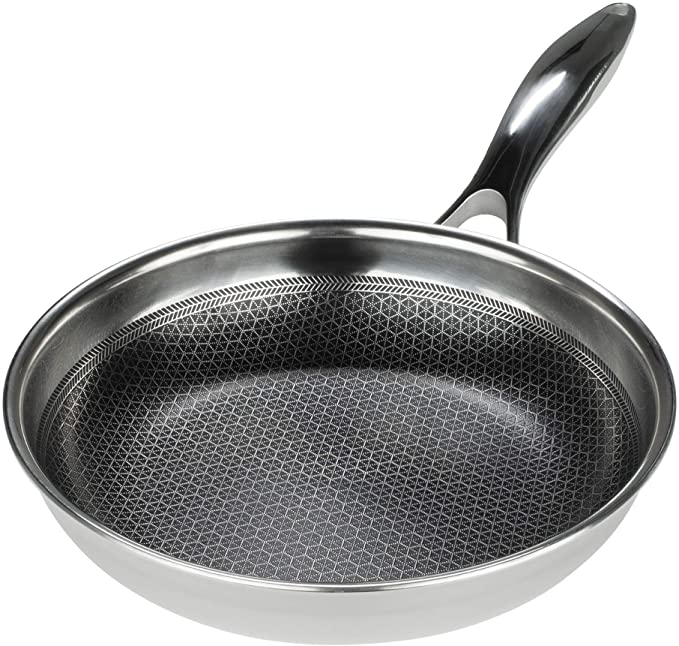
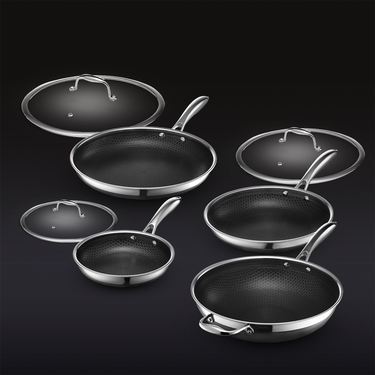
Hybrid cookware blends the best features of different cooking materials into one pot or pan. This type of cookware aims to combine strengths like heat distribution, durability, and easy cleaning. It uses layers or coatings from various metals or materials, offering better cooking performance than single-material cookware.
What Materials Make Up Hybrid Cookware?
Hybrid cookware usually combines two or more materials to improve cooking efficiency and durability. Common combinations include:
- Stainless steel and aluminum: Stainless steel provides durability and a shiny finish, while aluminum inside layers ensures fast, even heating.
- Ceramic and non-stick coatings: Ceramic adds a natural non-stick surface, and non-stick coatings make cleaning easier.
- Cast iron and enamel: Cast iron offers excellent heat retention, and enamel prevents rust and simplifies maintenance.
How Does Hybrid Cookware Work?
Hybrid cookware works by layering materials that each serve a specific purpose. The core material spreads heat evenly. The outer layer protects the cookware and adds strength. The inner surface often features a non-stick or easy-clean coating.
This layering helps prevent hot spots and improves cooking control. It also makes the cookware more resistant to scratches and damage.
Benefits Of Using Hybrid Cookware
| Benefit | Description |
|---|---|
| Even Heat Distribution | Hybrid layers help spread heat uniformly across the surface. |
| Durability | Combines tough materials that resist warping and scratching. |
| Easy Maintenance | Non-stick or enamel coatings make cleaning simple. |
| Versatility | Suitable for various cooking methods, including stovetop and oven. |
Who Should Choose Hybrid Cookware?
Hybrid cookware suits people who want reliable pots and pans with multiple benefits. It fits home cooks needing easy cleaning and good heat control. Also great for those wanting long-lasting cookware without spending too much.

Credit: www.t-fal.com
Materials Used In Hybrid Cookware
Hybrid cookware blends different materials to create pots and pans with improved performance. The materials used in hybrid cookware combine the best features of each component. This mix helps cookware heat evenly, resist scratches, and provide easy food release. Understanding these materials reveals why hybrid cookware stands out. The main materials include metal combinations, nonstick surfaces, and ceramic elements. Each material adds unique benefits to the final product.
Metal Combinations
Metal forms the base of hybrid cookware, giving it strength and heat conduction. Manufacturers often layer metals to balance durability and cooking performance. Common metals used include stainless steel, aluminum, and copper.
- Stainless steel: Strong, resistant to rust and corrosion, but heats unevenly alone.
- Aluminum: Excellent heat conductor but can warp and react with acidic food.
- Copper: Heats very quickly and evenly but requires maintenance to prevent tarnish.
Hybrid cookware usually combines these metals in layers, such as aluminum core sandwiched between stainless steel. This design offers:
- Even heat distribution
- Durability and resistance to damage
- Compatibility with various cooktops
| Metal | Key Feature | Role in Hybrid Cookware |
|---|---|---|
| Stainless Steel | Durable, rust-resistant | Outer layer for strength and look |
| Aluminum | Great heat conductor | Core layer for even heating |
| Copper | Fast heating | Sometimes added for heat control |
The metal layering reduces hot spots, ensuring food cooks uniformly. It also makes the cookware more stable and long-lasting.
Nonstick Surfaces
Nonstick coatings prevent food from sticking and make cleaning easier. Hybrid cookware often uses advanced nonstick layers to improve durability and safety.
Common nonstick materials include:
- PTFE (Polytetrafluoroethylene): A popular nonstick coating known for its smooth surface and easy release.
- Diamond-infused coatings: Add scratch resistance and improve heat distribution.
- Titanium-reinforced coatings: Increase strength and longevity.
These coatings are applied in multiple thin layers to enhance performance and durability.
Benefits of nonstick surfaces in hybrid cookware:
- Requires less oil or fat for cooking
- Easy food release reduces burning risk
- Simple to clean by hand or dishwasher
- Improved scratch resistance with reinforced coatings
Manufacturers test these coatings to ensure they last through many cooking cycles. Safe nonstick coatings must be free from harmful chemicals like PFOA.
Ceramic Elements
Ceramic is a popular material in hybrid cookware for its natural nonstick properties and eco-friendliness. Ceramic coatings are made from inorganic minerals, providing a smooth, hard surface.
Key features of ceramic elements include:
- Non-toxic and free of PTFE and PFOA
- Heat resistant up to high temperatures
- Good scratch and abrasion resistance
- Retains heat well for even cooking
Ceramic surfaces allow healthier cooking with less oil. They also maintain their nonstick quality longer than some traditional coatings. Some hybrid cookware uses ceramic as a top layer over metal bases to combine heat control with easy cleaning.
Comparison of ceramic vs. traditional nonstick coatings:
| Feature | Ceramic Coating | Traditional Nonstick (PTFE) |
|---|---|---|
| Chemical Composition | Mineral-based, inorganic | PTFE polymer-based |
| Heat Resistance | Higher (up to 450°F / 232°C) | Lower (up to 500°F / 260°C but may degrade faster) |
| Durability | More scratch resistant | Less scratch resistant |
| Environmental Impact | More eco-friendly | Contains fluoropolymers |
Overall, ceramic elements improve hybrid cookware by adding safe, durable, and effective nonstick performance.
Benefits Of Hybrid Cookware
Hybrid cookware combines the best features of different materials, creating pots and pans that offer superior performance. These products blend metals like stainless steel, aluminum, and sometimes non-stick coatings to deliver a balanced cooking experience. The benefits of hybrid cookware make it a popular choice in many kitchens. It offers excellent heat control, long-lasting strength, and the ability to cook various dishes without needing multiple sets of cookware. This section explores three key advantages: heat distribution, durability, and versatility.
Heat Distribution
Hybrid cookware provides even heat distribution, which helps food cook uniformly. Uneven heat can cause hot spots, burning some areas while leaving others undercooked. Hybrid pans often have layers of metals like aluminum or copper, which are good heat conductors, combined with stainless steel for strength.
- Quick heating: The aluminum or copper core heats up fast, saving time.
- Even surface temperature: Prevents spots that are too hot or too cold.
- Energy efficient: Less heat loss means lower cooking temperatures are needed.
The table below shows how common materials in hybrid cookware affect heat distribution:
| Material | Heat Conductivity | Role in Hybrid Cookware |
|---|---|---|
| Aluminum | High | Core layer for fast and even heating |
| Copper | Very High | Sometimes used for superior heat control |
| Stainless Steel | Low to Medium | Outer layer for durability and non-reactivity |
Thanks to these layers, hybrid cookware delivers consistent cooking results every time.
Durability
Hybrid cookware is built to last longer than many single-material pans. The combination of metals helps resist warping, scratching, and corrosion. Stainless steel on the outside protects the cookware, while aluminum or copper inside enhances performance.
Key durability features include:
- Resistance to warping: Layers prevent the base from bending under heat.
- Scratch resistance: Stainless steel surfaces handle metal utensils better.
- Corrosion resistance: Stainless steel resists rust and staining.
- Maintains shape: Hybrid layers keep the cookware flat for better contact with heat sources.
Maintenance is simple. Most hybrid cookware can be cleaned with mild detergents and avoids damage from dishwasher use. Proper care ensures the cookware retains its look and function for years.
This durability means fewer replacements, saving money and reducing waste.
Versatility
Hybrid cookware suits many cooking styles and heat sources. It works well on gas, electric, induction, and ceramic stovetops. This flexibility means fewer pans are needed in the kitchen.
- Multiple cooking techniques: Searing, sautéing, boiling, and simmering all work well.
- Oven safe: Many hybrid pans handle oven temperatures, expanding recipe options.
- Compatible with induction: Magnetic stainless steel layers make them induction-friendly.
Because of this versatility, hybrid cookware fits the needs of both beginners and experienced cooks. It adapts to different recipes and cooking methods without sacrificing performance.
The ability to use one set for various tasks reduces clutter and keeps the kitchen organized.
Types Of Hybrid Cookware
Hybrid cookware combines different materials to offer the best cooking experience. These cookware types blend metals to improve heat distribution, durability, and ease of use. Hybrid cookware often merges the strengths of each material, providing balanced performance. Understanding the main types helps choose the right set for your kitchen needs.
Stainless Steel And Aluminum
This type of hybrid cookware usually features a stainless steel exterior with an aluminum core or base. Stainless steel offers durability and a sleek appearance, while aluminum inside ensures even heat distribution. This combination prevents hot spots and helps food cook uniformly.
Key advantages:
- Durable and resistant to rust and corrosion
- Aluminum core improves heat conduction
- Easy to clean and maintain
- Works on various cooktops, including induction
Most stainless steel and aluminum hybrid cookware sets have a three-layer structure:
| Layer | Material | Function |
|---|---|---|
| Inner Layer | Stainless Steel | Safe cooking surface, non-reactive |
| Core Layer | Aluminum | Heat conduction and distribution |
| Outer Layer | Stainless Steel | Durability and magnetic compatibility |
This hybrid type is popular among home cooks for its balance of performance and price.
Cast Iron With Nonstick Coating
Cast iron cookware is known for excellent heat retention and durability. Adding a nonstick coating makes it easier to cook delicate foods and clean up afterward. This combination blends traditional cast iron strength with modern convenience.
Benefits include:
- Even heating and heat retention from cast iron
- Nonstick surface reduces the need for oil
- Less seasoning required compared to bare cast iron
- Good for frying, sautéing, and baking
Unlike pure cast iron, these hybrids need less maintenance:
- Wash gently with mild soap
- Avoid metal utensils to protect coating
- Dry thoroughly to prevent rust
- Re-season occasionally if recommended
Nonstick cast iron cookware suits cooks who want cast iron benefits without heavy upkeep. It can be heavier than other types but offers superior cooking control.
Copper-infused Cookware
Copper-infused cookware mixes copper with other metals like stainless steel or aluminum. Copper is excellent at conducting heat quickly and evenly. The infusion helps balance copper’s responsiveness with durability and ease of use.
Features of copper-infused cookware:
- Rapid heat response for precise cooking
- Durable outer layer prevents tarnishing
- Often layered for strength and heat control
- Attractive appearance with shiny finish
Common structures include:
| Layer | Material | Purpose |
|---|---|---|
| Core | Copper | Fast heat conduction |
| Inner Layer | Stainless Steel | Safe cooking surface |
| Outer Layer | Stainless Steel or Aluminum | Durability and compatibility |
Copper-infused cookware suits chefs who want control over cooking temperature. It requires regular polishing to keep its shine but delivers outstanding cooking results.
How To Choose Hybrid Cookware
Choosing the right hybrid cookware can improve your cooking experience greatly. Hybrid cookware combines materials like stainless steel and non-stick surfaces to offer durability and easy food release. Picking the best set depends on several factors related to your kitchen habits and needs. Consider your cooking style, how much effort you want to spend on cleaning, and your budget. These points help narrow down the options and find cookware that suits your lifestyle perfectly.
Cooking Style Considerations
Your cooking style plays a big role in selecting hybrid cookware. Different dishes and techniques need different cookware features. For example, if you fry often, non-stick surfaces with good heat distribution are important. For slow cooking or simmering, thicker materials that hold heat well work best.
- High-heat cooking: Look for hybrid cookware with stainless steel bases that handle heat well.
- Delicate foods: Non-stick coatings prevent sticking and help cook eggs or fish gently.
- Versatility: Choose cookware that works on various stovetops like induction, gas, or electric.
- Oven use: Some hybrid cookware is oven-safe, ideal for recipes requiring transfer from stove to oven.
Use this table to match cooking needs with hybrid cookware features:
| Cooking Style | Recommended Features |
|---|---|
| Frying and Searing | Stainless steel base, non-stick surface, high heat tolerance |
| Slow Cooking | Thick base for heat retention, oven-safe |
| Quick and Light Cooking | Lightweight, non-stick coating, easy to handle |
| Multi-use Cooking | Compatible with all stovetops, oven-safe, durable materials |
Maintenance Needs
Hybrid cookware varies in how much care it requires. Some need careful cleaning to protect the non-stick layer. Others can handle a dishwasher. Understanding maintenance helps you keep cookware in good shape and extends its life.
Consider these maintenance points:
- Cleaning: Non-stick surfaces usually need gentle washing with soft sponges.
- Dishwasher safe: Check if the cookware can go in the dishwasher for easy cleaning.
- Seasoning: Some hybrid cookware may require seasoning to keep the surface smooth.
- Scratches and damage: Avoid metal utensils that can scratch the coating.
Maintaining hybrid cookware properly keeps its performance high. Here is a quick maintenance checklist:
- Use soft cleaning tools only.
- Avoid abrasive cleaners and steel wool.
- Hand wash if recommended.
- Store carefully to avoid scratches.
- Follow manufacturer instructions for seasoning.
Budget Factors
Price is a key factor when choosing hybrid cookware. It ranges from affordable to premium options. Understanding what affects the cost helps to pick cookware within your budget without sacrificing quality.
Here are important budget points:
- Material quality: Higher quality materials cost more but last longer.
- Brand reputation: Trusted brands may charge more but offer better warranties.
- Set size: Larger sets cost more but provide more pieces for different cooking tasks.
- Special features: Oven-safe, induction compatibility, and ergonomic handles add to the price.
Use this table to compare price ranges and features:
| Price Range | Features | Who It’s For |
|---|---|---|
| Under $100 | Basic materials, small sets, limited features | Beginners, budget-conscious buyers |
| $100 – $250 | Good quality, medium sets, some advanced features | Regular home cooks |
| Over $250 | Premium materials, large sets, full features | Cooking enthusiasts, professional use |
Care And Maintenance Tips
Hybrid cookware combines materials like stainless steel and nonstick surfaces. This blend offers durability and easy cooking. Proper care and maintenance keep your cookware in top shape. It also extends its life and performance. Follow simple tips to clean, store, and avoid damage. These steps save money and improve cooking results.
Cleaning Methods
Cleaning hybrid cookware requires gentle but effective methods. Avoid harsh scrubbing that can damage coatings. Use warm water and mild dish soap. Soft sponges or cloths work best. For stuck food, soak the cookware in warm soapy water first.
- Do not use steel wool or abrasive scrubbers.
- Use plastic or silicone tools for scraping.
- Rinse well to remove all soap residue.
- Dry immediately with a soft towel to prevent water spots.
For stubborn stains, try a paste of baking soda and water. Apply gently and rinse thoroughly. Avoid using bleach or strong chemicals. They can weaken the nonstick surface or metal parts.
| Cleaning Tool | Use With | Avoid |
|---|---|---|
| Soft sponge | Nonstick and stainless steel parts | Harsh scrubbing |
| Plastic scraper | Removing stuck food | Metal utensils |
| Baking soda paste | Stubborn stains | Bleach or harsh chemicals |
Storage Advice
Proper storage protects hybrid cookware from scratches and warping. Store pans and pots with care to keep surfaces intact. Avoid stacking without protection. Place soft cloths or paper towels between items.
- Use pan protectors or felt liners between stacked cookware.
- Hang pots and pans on hooks if space allows.
- Keep lids stored separately or upside down on the cookware.
- Store in a dry area to prevent rust on metal parts.
Ensure cookware is completely dry before storing. Moisture can cause corrosion or mold. Organize kitchen shelves or cabinets to avoid overcrowding. Proper storage extends cookware life and keeps it ready for use.
Avoiding Damage
Prevent damage by handling hybrid cookware carefully. Use suitable utensils and cooking techniques. Avoid overheating, which can warp the cookware or ruin coatings.
- Use wooden, silicone, or plastic utensils to protect surfaces.
- Do not slide cookware across rough surfaces.
- Avoid sudden temperature changes, such as cold water on hot pans.
- Cook on medium or low heat to preserve coatings.
- Do not use metal scrubbers or sharp tools for cleaning.
Check cookware regularly for signs of wear. Replace pieces with damaged surfaces to maintain food safety. Proper care keeps your hybrid cookware performing well for years.
Credit: hexclad.co.uk
Frequently Asked Questions
What Is Hybrid Cookware Made Of?
Hybrid cookware combines materials like stainless steel and non-stick coatings. This blend offers durability with easy food release. It ensures even heat distribution and easy cleaning. The hybrid design improves cooking efficiency and versatility in the kitchen.
How Does Hybrid Cookware Benefit Cooking?
Hybrid cookware heats evenly, preventing hot spots and burning. It combines durability and non-stick convenience. This cookware reduces oil use, promoting healthier meals. Its versatility suits various cooking styles, saving time and effort.
Is Hybrid Cookware Safe For All Stovetops?
Yes, hybrid cookware is compatible with gas, electric, and induction stovetops. Its multi-layered base ensures stable heat conduction. This makes it versatile for different kitchen setups. Always check the manufacturer’s guidelines for specific use.
Can Hybrid Cookware Replace Traditional Pots And Pans?
Hybrid cookware can replace many traditional pots and pans. It offers durability and easy food release in one set. Its versatility suits sautéing, boiling, and frying tasks. This reduces the need for multiple cookware types.
Conclusion
Hybrid cookware offers the best of both worlds in one set. It combines different materials for better heat and durability. You can cook a variety of dishes with less worry about sticking or burning. This type of cookware suits many kitchens and styles.
It saves space and money by replacing multiple pots and pans. Choosing hybrid cookware means easier cooking and cleaning. It helps you enjoy meals without stress. Simple, strong, and versatile—hybrid cookware fits everyday cooking needs well.

Hello, This is Annie Walker, a 38-year-old blogger, founder, and editor of Cookware Guider from NY, USA. I am a cookware fanatic and passionate cooker. I love to cook with different types of cooking appliances (example: all types of cookware, rice cookers, slow cookers, etc) almost every day in my kitchen. I love to share my experience with my readers in my blog. Also, I enjoy helping people to solve their problems through my website. You can follow me on Twitter & Pinterest. To know details about my blog please check the about us page.