
Are you tired of trying new pots and pans only to find out they don’t work on your induction cooktop? If so, you’re not alone.
Choosing the right cookware can be confusing, especially when terms like “induction ready” pop up. But what does “induction ready cookware” really mean for you and your kitchen? Understanding this can save you money, improve your cooking experience, and help you get the most out of your stove.
Keep reading, and you’ll discover exactly what makes cookware induction ready and why it matters for your next purchase.

Credit: www.tramontina.com
Induction Cooking Basics
Induction cooking is a modern way to cook food quickly and safely. It uses electricity and magnets instead of open flames or electric coils. This method heats the cookware directly, not the cooktop surface. Understanding how induction cooking works helps to choose the right cookware and use it properly.
Induction-ready cookware is specially designed to work with these cooktops. It must have a magnetic base to heat efficiently. Knowing the basics of induction cooking can improve your kitchen experience and cooking results.
How Induction Cooktops Work
Induction cooktops use magnetic fields to heat pots and pans. Inside the cooktop, a coil creates an electric current. This current produces a magnetic field that passes through the cooktop surface. When a magnetic pot is placed on the cooktop, the field creates heat inside the pot. The cooktop itself stays cool. Heat transfers directly to the cookware, making cooking fast and efficient.
Benefits Of Induction Cooking
Induction cooking heats food faster than gas or electric stoves. It saves energy because heat goes straight to the pot. The cooktop stays cooler, reducing burn risks. It is easier to clean since spills don’t burn onto the surface. Temperature control is precise, helping to cook food evenly. This method also uses less heat in the kitchen, keeping it cooler. Overall, induction cooking offers safety, speed, and energy savings.
Cookware Compatibility
Cookware compatibility is key for using induction cooktops. Not all pots and pans work on induction stoves. The base of the cookware must have magnetic properties. This lets the cooktop generate heat efficiently and safely. Understanding which materials work or don’t helps choose the right cookware.
Materials That Work With Induction
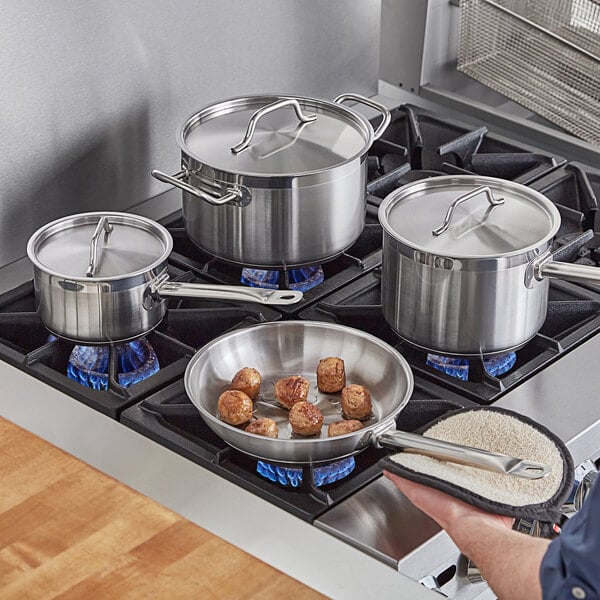
Cast iron is perfect for induction cooking. It has strong magnetic qualities. Stainless steel works only if it has a magnetic base. Some stainless steel pans have layers with magnetic metals inside. Carbon steel also works well on induction. It heats quickly and evenly. Cookware labeled “induction ready” always has the right material mix.
Common Cookware That Isn’t Induction Ready
Aluminum pans usually don’t work on induction. They lack magnetic properties. Copper cookware also fails unless it has a special magnetic base. Glass and ceramic pots do not work on induction stoves. Many non-stick pans fall into this group. You can test cookware by holding a magnet to the bottom. If it sticks, it will work.
Identifying Induction Ready Cookware
Identifying induction ready cookware is key to cooking efficiently on induction stoves. These pots and pans work with the magnetic field of induction cooktops. Not all cookware fits this need. Knowing how to spot induction ready pieces saves time and money.
Two simple ways help identify induction ready cookware. One is the magnetic test. The other is checking symbols on the cookware itself. Both methods are easy and quick to do at home or in stores.
Magnetic Test For Cookware
Use a magnet to check if your cookware is induction ready. Hold a magnet near the base of the pot or pan. If the magnet sticks well, the cookware will work on an induction stove. If it does not stick, the cookware is not compatible.
This test works because induction cooktops need magnetic materials. Common magnetic metals include cast iron and some stainless steel. Aluminum, glass, and copper usually fail the magnetic test.
Induction Symbols And Labels
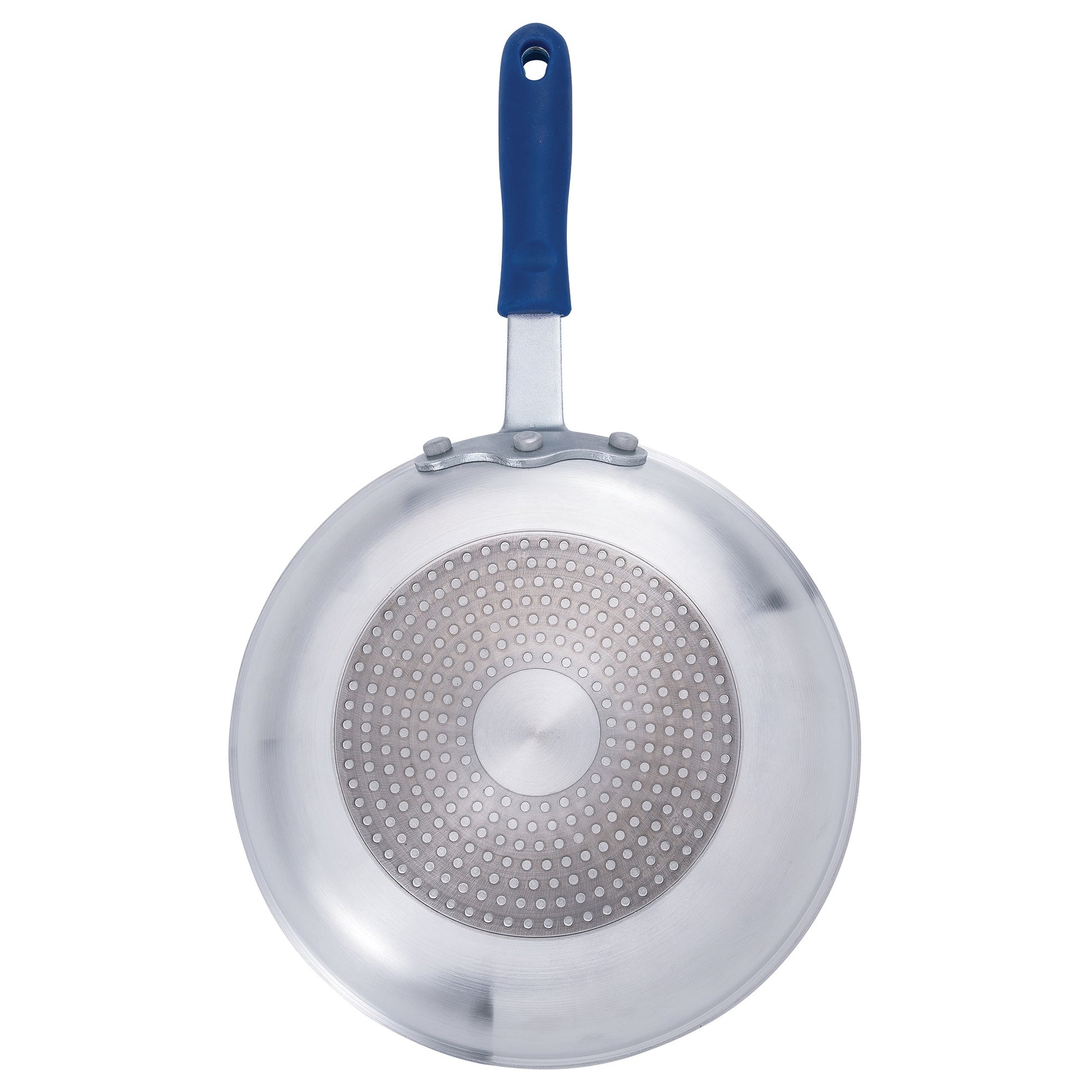
Look for induction symbols on the cookware packaging or base. A coil or a series of loops often marks induction ready products. Some brands label their cookware as “induction compatible” or “induction ready.”
Reading these labels helps avoid guesswork. Certified symbols confirm the cookware will heat quickly and evenly on induction stoves.
Credit: www.wincous.com
Popular Induction Ready Materials
Induction ready cookware works with induction cooktops because of its magnetic properties. Certain materials heat quickly and evenly on induction stoves. These materials are popular among cooks for their durability and performance.
Cast Iron And Enameled Cast Iron
Cast iron is a classic choice for induction cooking. It holds heat well and cooks food evenly. Enameled cast iron has a smooth coating that prevents rust. Both types work perfectly on induction stovetops. They are heavy but last a long time.
Stainless Steel Options
Not all stainless steel works on induction. Only those with magnetic layers at the base are induction ready. These pans heat fast and clean easily. Stainless steel is popular because it resists stains and scratches. It’s lighter than cast iron and looks sleek.
Magnetic Stainless Steel Blends
Some cookware uses a blend of metals with a magnetic core. This design ensures compatibility with induction cookers. The magnetic layer heats quickly and spreads heat evenly. These blends often combine stainless steel with iron or other metals. They offer a balance of strength and cooking performance.
Cookware Design And Performance
Induction ready cookware must have specific design features. These features help it work well on induction cooktops. Good design improves cooking results and makes the cookware last longer. Performance depends on how the cookware touches the cooktop and spreads heat.
Understanding these design elements helps you choose the right pots and pans. It also explains why some cookware heats faster and cooks food more evenly.
Flat Bottoms For Better Contact
Cookware with flat bottoms fits tightly on induction cooktops. This close contact is necessary for the magnetic field to heat the pan. A flat surface stops gaps that reduce heat transfer. Uneven bottoms cause slower heating and cold spots in food. Flat bottoms also keep the cookware stable during cooking.
Thickness And Heat Distribution
Thicker cookware spreads heat evenly across the surface. Thin pans heat quickly but can create hot spots. These spots burn food and cause uneven cooking. Thick layers of metal help keep temperature steady. This makes cooking more predictable and reduces the risk of burning.
Choosing The Right Induction Cookware
Choosing the right induction cookware is important for cooking success. Not all pots and pans work well with induction stoves. You need to pick cookware that heats quickly and evenly. The right choice saves time and energy.
Consider several factors before buying. These include size, shape, durability, and cost. Each affects how well your cookware performs on an induction cooktop.
Size And Shape Considerations
Choose cookware that fits your stove’s burner size. Small pans work best on small burners. Large pans suit bigger burners. This helps the pan heat evenly and quickly.
Pick shapes that match your cooking style. Deep pots are good for soups and stews. Flat pans work well for frying and sautéing. Make sure the base is flat for better contact with the stove.
Durability And Maintenance Tips
Look for cookware made from strong materials like stainless steel or cast iron. These last longer and handle heat well. Avoid cheap materials that warp or scratch easily.
Check if the cookware is easy to clean. Non-stick coatings save time but may wear out faster. Stainless steel needs regular polishing to keep its shine. Durable cookware saves money over time.
Budget-friendly Picks
Good induction cookware does not have to be expensive. Many affordable brands offer quality pots and pans. Focus on essential pieces like a skillet and a saucepan first.
Compare prices and read reviews before buying. Sometimes mid-range products give the best value. Avoid very cheap options that may break quickly.
Care Tips For Induction Cookware
Induction cookware needs special care to last longer and perform well. Proper cleaning and handling keep the cookware safe from damage. Follow simple steps to protect your pots and pans on an induction stove.
Cleaning Without Damage
Use warm water and mild soap to clean induction cookware. Avoid harsh chemicals and abrasive scrubbers. Soft sponges or cloths work best to keep the surface smooth. Clean the cookware soon after use to stop food from sticking. Dry it well to stop water spots and rust.
Avoiding Warping And Scratches
Do not heat empty cookware on the induction stove. It can cause the metal to warp. Use wooden or silicone tools to prevent scratches on the surface. Avoid stacking pots and pans directly on top of each other. Place a soft cloth between them to protect the finish.
Upgrading Your Kitchen For Induction
Upgrading your kitchen for induction cooking means more than buying a new stove. It involves choosing the right cookware and tools. Induction technology uses magnetic fields to heat pots and pans directly. This makes cooking faster and more energy-efficient. To enjoy these benefits, your cookware must be induction ready.
Essential Tools And Accessories
Induction cooking needs specific tools. Look for pots and pans made with magnetic materials like stainless steel or cast iron. These materials work well with induction cooktops. Non-magnetic cookware, such as aluminum or copper, will not heat up unless they have a magnetic base.
Use flat-bottomed cookware for better contact with the cooktop. This ensures even heating. Some accessories, like induction-compatible trivets and splatter guards, can help keep your kitchen safe and clean. Magnetic utensils made from steel can also prevent scratches on the cooktop surface.
Transitioning From Traditional Cookware
Traditional cookware may not work on induction stoves. Check your current pots and pans with a magnet. If it sticks, the cookware is likely induction ready. If not, consider replacing it.
Start with basic pieces like a saucepan and frying pan. This helps you get used to the new cooking style. Gradually, add more induction-compatible items as you need them.
Switching to induction cookware also means adjusting cooking times and heat settings. Induction heats faster than gas or electric. Pay attention to these changes to avoid overcooking.
Credit: www.webstaurantstore.com
Frequently Asked Questions
What Is Induction Ready Cookware?
Induction ready cookware is designed to work on induction cooktops. It has a magnetic base that heats efficiently. This cookware ensures faster cooking and energy savings. It must contain ferrous metal like stainless steel or cast iron. Non-magnetic materials won’t work on induction stoves.
How To Identify Induction Ready Cookware?
Look for an induction symbol on the cookware’s bottom or packaging. You can also test it with a magnet; if it sticks firmly, it’s induction compatible. Cookware made of magnetic materials like cast iron and some stainless steel usually work well.
Why Choose Induction Ready Cookware?
Induction ready cookware heats quickly and evenly, saving time and energy. It is safer as the cooktop surface stays cooler. It also offers precise temperature control. Choosing this cookware enhances cooking efficiency and complements modern induction stoves perfectly.
Can Non-magnetic Cookware Work On Induction Stoves?
No, non-magnetic cookware like aluminum or copper won’t work on induction stoves without a magnetic base. Induction cooktops require magnetic materials to generate heat. Using cookware without a magnetic bottom will result in no heating or poor performance.
Conclusion
Induction ready cookware works with induction cooktops easily. It has a magnetic base that heats quickly and evenly. Choosing the right cookware saves time and energy while cooking. This type of cookware lasts long and cleans up fast. Understanding its features helps you cook better meals.
It fits well in most kitchens today. Making a smart choice benefits your cooking experience.

Hello, This is Annie Walker, a 38-year-old blogger, founder, and editor of Cookware Guider from NY, USA. I am a cookware fanatic and passionate cooker. I love to cook with different types of cooking appliances (example: all types of cookware, rice cookers, slow cookers, etc) almost every day in my kitchen. I love to share my experience with my readers in my blog. Also, I enjoy helping people to solve their problems through my website. You can follow me on Twitter & Pinterest. To know details about my blog please check the about us page.