
Have you ever wondered what’s really inside your nonstick cookware? If you’re like many people, you want to keep your kitchen safe and healthy for your family.
That’s why understanding what PFOA is and how it relates to your pots and pans is so important. This chemical has been linked to health concerns, and knowing the facts can help you make smarter choices when buying or using cookware.
Keep reading to discover what PFOA means for your kitchen and how you can protect yourself every time you cook.
What Is Pfoa
PFOA stands for perfluorooctanoic acid. It is a synthetic chemical once widely used in making non-stick cookware coatings. This compound helped create smooth, easy-to-clean surfaces on pots and pans. But PFOA has raised health and environmental concerns over time. Understanding what PFOA is helps consumers make safer choices in cookware.
What Is Pfoa Chemically?
PFOA belongs to a group called perfluoroalkyl substances (PFAS). These chemicals resist heat, water, and oil. PFOA’s structure contains a long chain of carbon atoms linked to fluorine atoms. This strong bond makes PFOA very stable and persistent in the environment.
Why Was Pfoa Used In Cookware?
- Non-stick properties: PFOA helped create coatings that food does not stick to.
- Heat resistance: It allowed cookware to handle high cooking temperatures.
- Durability: PFOA made the coatings last longer without peeling or cracking.
Health Concerns Linked To Pfoa
Studies show PFOA may cause health problems when exposed over time. Possible effects include:
- Hormone disruption
- Increased risk of some cancers
- Immune system effects
- Developmental issues in children
Is Pfoa Still Used In Cookware?
Many countries banned PFOA in cookware manufacturing. Brands now use safer alternatives. Look for labels like “PFOA-free” to avoid this chemical.
Pfoa Uses In Cookware
PFOA Uses in Cookware explain why this chemical has been common in many pots and pans. PFOA, or perfluorooctanoic acid, helps create non-stick surfaces. It makes cooking easier and cleaning faster by preventing food from sticking. Manufacturers used PFOA to improve cookware durability and performance.
Pfoa Role In Non-stick Coatings
PFOA was important in making non-stick coatings like Teflon. It helped the coating stick to metal pans during production. This process made the surface smooth and resistant to heat. As a result, food cooks evenly and slides off easily.
Heat Resistance And Durability
Cookware with PFOA resists high temperatures without breaking down. It keeps the coating strong during cooking. This heat resistance helps pans last longer and stay non-stick through many uses.
Manufacturing Process Involving Pfoa
PFOA acts as a processing aid in the chemical steps to make non-stick layers. It helps chemicals spread evenly across the pan’s surface. After production, most PFOA stays in the factory and is removed from final products.
Safety Changes And Pfoa Phase-out
- Many companies stopped using PFOA by 2015.
- New non-stick pans often use safer chemicals.
- Consumers can find PFOA-free cookware easily today.
Health Risks Of Pfoa Exposure
PFOA, or perfluorooctanoic acid, is a chemical once common in non-stick cookware coatings. It can stay in the environment and human body for a long time. Studies link PFOA exposure to many health problems. Understanding these risks helps in making safer cooking choices.
What Health Problems Are Linked To Pfoa?
PFOA exposure may cause various health issues. Some are mild, while others are severe. These include:
- Kidney and liver damage – PFOA can harm these vital organs.
- Increased cholesterol levels – This raises heart disease risks.
- Thyroid disease – PFOA can disrupt hormone balance.
- Immune system effects – It may reduce resistance to infections.
- Cancer risks – Especially kidney and testicular cancer.
How Does Pfoa Enter The Body?
People mainly absorb PFOA through:
- Eating food cooked in old non-stick pans releasing PFOA.
- Drinking contaminated water.
- Breathing polluted air near factories.
- Contact with products containing PFOA, like some cookware coatings.
Safe Levels And Regulations
| Organization | Recommended Limit | Notes |
|---|---|---|
| EPA (U.S. Environmental Protection Agency) | 70 parts per trillion in water | Focuses on drinking water safety |
| European Chemicals Agency (ECHA) | Strict controls on PFOA use | Bans PFOA in consumer products |
How To Reduce Pfoa Exposure From Cookware
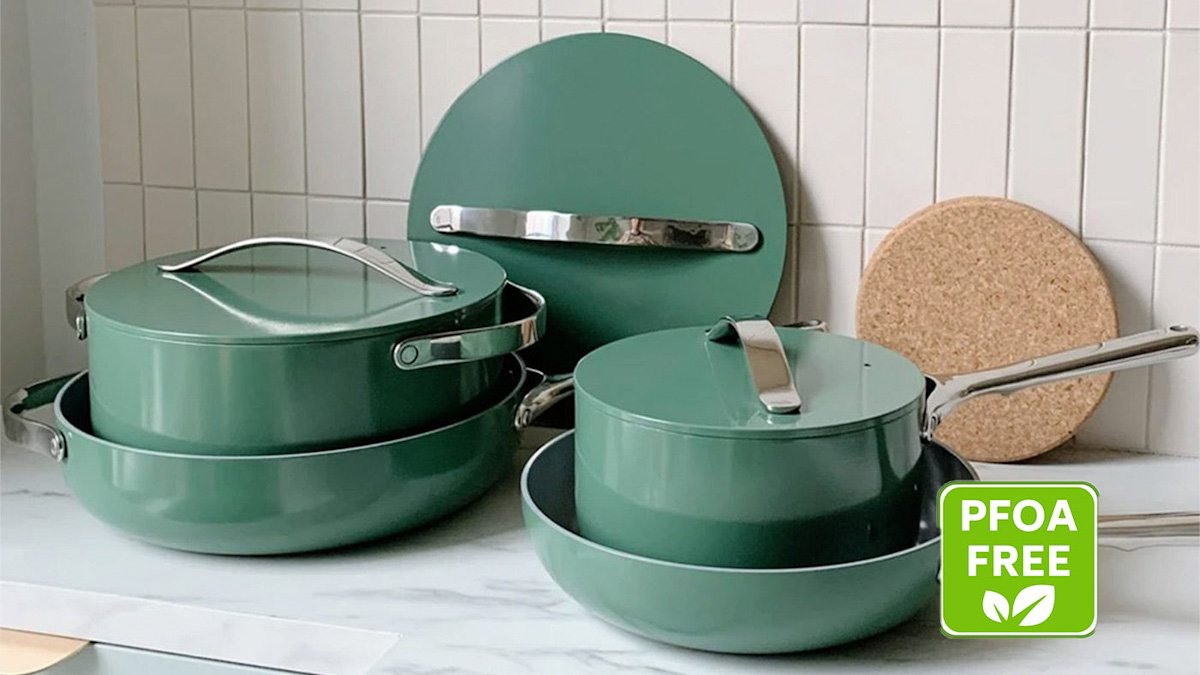
- Choose PFOA-free or ceramic cookware.
- Avoid overheating non-stick pans.
- Replace old or scratched cookware regularly.
- Use proper cooking utensils to protect coatings.
Credit: greenpan.com.au
Pfoa And Nonstick Cookware
PFOA and Nonstick Cookware are often talked about together because of health concerns. PFOA stands for perfluorooctanoic acid. It is a chemical once used in making nonstick coatings for pots and pans. Nonstick cookware is popular because food does not stick, and cleaning is easier. But PFOA raised safety questions over the years. Many manufacturers stopped using it.
Pfoa’s Role In Nonstick Coatings
PFOA helped create smooth, durable nonstick surfaces. It made the coating strong and heat-resistant. This allowed cookware to last longer and perform better. But PFOA can stay in the environment and body for a long time. Studies linked it to health risks like cancer and hormone problems.
How Nonstick Cookware Changed Without Pfoa
- New methods use safer chemicals or no PFOA at all.
- Most brands now advertise PFOA-free coatings.
- The nonstick quality remains good, with less risk.
- Consumers trust these products more because of safety.
Signs Of Pfoa-free Cookware
| Feature | What It Means |
|---|---|
| “PFOA-Free” Label | Cookware made without PFOA chemicals |
| Nonstick Coating Type | Uses PTFE or ceramic instead of PFOA |
| Brand Transparency | Clear information on materials used |
Tips For Choosing Safe Nonstick Cookware
- Check if the product is labeled PFOA-free.
- Choose reputable brands with clear ingredients.
- Pick coatings like ceramic or PTFE without PFOA.
- Avoid overheating nonstick pans to prevent damage.
- Replace cookware if the coating peels or scratches.
Regulations On Pfoa In Cookware
Regulations on PFOA in cookware focus on reducing health risks linked to this chemical. PFOA, or perfluorooctanoic acid, was common in making non-stick coatings. Studies found it can harm health and the environment. Many countries now limit or ban PFOA in cookware production. These rules protect consumers and workers from exposure.
European Union Rules On Pfoa
The European Union has strict laws on PFOA use. Since 2020, PFOA is banned in all cookware sold in the EU.
- Restriction: No PFOA allowed above 25 parts per billion.
- Enforcement: Regular testing of products.
- Goal: Eliminate PFOA from all consumer goods.
United States Regulations
The U.S. Environmental Protection Agency (EPA) has taken steps to reduce PFOA.
- Voluntary phase-out by manufacturers since 2015.
- Restrictions on PFOA in new cookware materials.
- Monitoring and reporting of PFOA levels in products.
The EPA aims to protect public health.
Other Global Measures
| Country/Region | Regulation | Year Implemented |
|---|---|---|
| Canada | Ban on PFOA in cookware production | 2020 |
| Japan | Strict limits on PFOA in consumer products | 2018 |
| Australia | Guidelines for PFOA reduction in cookware | 2019 |
Impact Of Regulations On Consumers
These rules ensure cookware is safer to use. Consumers get products with less harmful chemicals. Manufacturers now use safer alternatives for non-stick coatings. The risk of PFOA exposure from cookware has dropped.
Alternatives To Pfoa-coated Cookware
Alternatives to PFOA-coated cookware offer safer options for cooking without exposure to harmful chemicals. Many people want cookware that does not contain PFOA due to health concerns. Several materials and coatings provide good cooking performance without using PFOA. These alternatives also tend to be durable and easy to clean.
Ceramic-coated Cookware
Ceramic cookware has a natural non-stick surface made from silica. It is free from PFOA, PTFE, and other toxic chemicals. Ceramic-coated pans heat evenly and resist scratching. They work well for low to medium heat cooking.
- Non-toxic and eco-friendly
- Easy to clean with warm soapy water
- Suitable for eggs, pancakes, and stir-fry
Cast Iron Cookware
Cast iron pans do not use chemical coatings. They develop a natural non-stick layer called seasoning after use. Cast iron retains heat well and is very durable. It can last for decades with proper care.
- Preheat slowly to avoid cracking
- Season regularly with oil to maintain non-stick surface
- Safe for high heat cooking and oven use
Stainless Steel Cookware
Stainless steel is a popular alternative without chemical coatings. It is strong, resistant to rust, and dishwasher safe. Stainless steel pans require more oil to prevent sticking but provide excellent browning and searing.
| Feature | Benefit |
|---|---|
| Durability | Long-lasting and scratch-resistant |
| Heat conduction | Even cooking with proper base |
| Maintenance | Easy to clean, no special care needed |
Hard-anodized Aluminum Cookware
Hard-anodized aluminum is treated to create a strong, non-reactive surface. It does not contain PFOA and offers good non-stick properties. This cookware heats quickly and distributes heat evenly.
- Lightweight and durable
- Resistant to corrosion and scratching
- Compatible with most stovetops
Safe Usage Tips For Cookware
Using cookware safely helps protect health and keeps pots and pans lasting longer. PFOA, a chemical once common in non-stick coatings, can cause concern. Knowing how to use cookware properly reduces risks related to PFOA and other chemicals. Follow these simple tips to cook safely and smartly.
Use Low To Medium Heat
High heat can break down non-stick coatings that may contain PFOA. Cook on low or medium heat to avoid releasing harmful fumes. This also prevents food from burning and sticking.
Avoid Scratching Non-stick Surfaces
Use wooden, silicone, or plastic utensils to protect the coating. Metal tools can scratch and damage the surface, exposing the base material. Scratched cookware can lose its non-stick properties and may release particles.
Proper Cleaning Methods
- Wash cookware by hand with mild dish soap.
- Avoid abrasive scrubbers that can wear down coatings.
- Dry thoroughly to prevent rust or damage.
Replace Old Or Damaged Cookware
Cookware with chipped or peeling non-stick layers should be replaced. Old pans may release PFOA or other chemicals when heated. A new pan ensures safe cooking and better food taste.
Check For Pfoa-free Labels
Choose cookware labeled “PFOA-free” to avoid this chemical. Many modern non-stick pans use safer materials. This helps keep your kitchen safer and cooking healthier.
| Tip | Why It Matters |
|---|---|
| Cook on low/medium heat | Prevents coating breakdown and harmful fumes |
| Use non-metal utensils | Protects non-stick surface from scratches |
| Hand wash with mild soap | Keeps coating intact and extends cookware life |
| Replace damaged pans | Reduces chemical exposure and improves safety |
| Buy PFOA-free products | Ensures safer cooking without harmful chemicals |
Credit: www.carawayhome.com

Credit: therationalkitchen.com
Frequently Asked Questions
What Is Pfoa In Cookware?
PFOA is a synthetic chemical used to make non-stick coatings. It helps cookware resist heat and stains. However, it can release harmful fumes if overheated. Many manufacturers now avoid PFOA due to health concerns.
Is Pfoa Safe For Cooking?
PFOA is considered unsafe for cooking at high temperatures. It may release toxic fumes when heated above 500°F. Long-term exposure is linked to health risks. Modern cookware often uses PFOA-free coatings for safer use.
How To Identify Pfoa-free Cookware?
Look for labels stating “PFOA-free” or “non-toxic” on cookware packaging. Brands often highlight PFOA-free certification. Avoid products with ambiguous or no information about chemical content.
Why Was Pfoa Banned In Cookware?
PFOA was banned due to its toxicity and environmental impact. It persists in the environment and accumulates in the body. Health risks include cancer and hormone disruption. Regulatory agencies worldwide have restricted its use.
Conclusion
PFOA is a chemical once common in cookware coatings. It can cause health problems if it gets into food. Many companies now avoid using PFOA in their products. Choosing PFOA-free cookware helps keep your kitchen safer. Always check product labels before buying new pots or pans.
Safe cooking tools make a big difference in daily life. Stay informed to protect yourself and your family better. Simple steps lead to healthier meals and peace of mind.

Hello, This is Annie Walker, a 38-year-old blogger, founder, and editor of Cookware Guider from NY, USA. I am a cookware fanatic and passionate cooker. I love to cook with different types of cooking appliances (example: all types of cookware, rice cookers, slow cookers, etc) almost every day in my kitchen. I love to share my experience with my readers in my blog. Also, I enjoy helping people to solve their problems through my website. You can follow me on Twitter & Pinterest. To know details about my blog please check the about us page.