
Choosing the right cookware can change the way you cook—and even how your food tastes. But with so many materials out there, how do you know which one is best for your kitchen?
You want something that heats evenly, lasts long, and is easy to clean. Plus, it should be safe for you and your family. You’ll discover the pros and cons of popular cookware materials. By the end, you’ll feel confident picking the perfect pots and pans that fit your cooking style and needs.
Keep reading to find out what truly makes cookware the best for you.

Credit: www.healthierhomes.com
Popular Cookware Materials
Choosing the right cookware material can change how you cook and enjoy meals. Each material offers unique benefits and challenges. Understanding popular cookware materials helps you pick what fits your kitchen and cooking style best.
Stainless Steel
Stainless steel is durable and resists rust and staining. It doesn’t react with acidic or alkaline foods, so your dishes keep their true flavors. Many chefs prefer it for searing meat and making sauces because it heats evenly and cleans up easily.
Have you ever noticed how food sometimes sticks to stainless steel pans? That’s often due to improper heating. Try preheating the pan and adding oil before cooking to reduce sticking.
Cast Iron
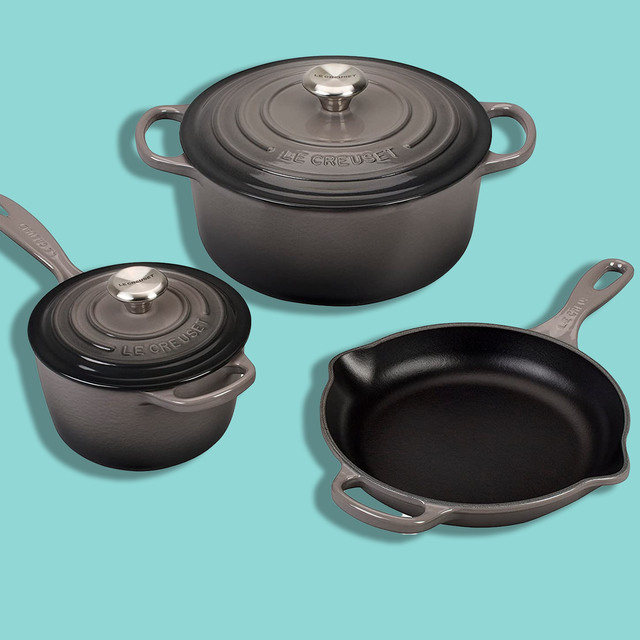
Cast iron is known for excellent heat retention and even cooking. It works well on stovetops and in ovens, making it versatile for frying, baking, and slow cooking. Over time, a well-seasoned cast iron pan develops a natural nonstick surface.
However, cast iron needs regular seasoning and proper care to prevent rust. If you want cookware that lasts decades and improves with use, cast iron might be your best friend.
Nonstick Coatings
Nonstick pans are popular for easy food release and quick cleanup. They require less oil, which can help if you’re watching your fat intake. But nonstick coatings can wear off or scratch easily, especially if you use metal utensils.
Think about how often you cook delicate foods like eggs or pancakes. Nonstick cookware can make these tasks much easier and less frustrating.
Copper
Copper heats up and cools down faster than most materials, giving you precise temperature control. This makes it a favorite among professional chefs for tasks that require careful heat management. Copper cookware often features a stainless steel lining to prevent reactions with food.
Keep in mind, copper requires polishing to maintain its shine and can be expensive. But if you value control over cooking temperature, copper is worth considering.
Aluminum
Aluminum is lightweight and offers excellent heat conductivity. It heats quickly and evenly, reducing hot spots during cooking. Many budget-friendly cookware sets use aluminum with a nonstick or anodized coating for durability.
Raw aluminum can react with acidic foods, causing off flavors and discoloration. Anodized aluminum solves this issue and is easier to maintain.
Ceramic
Ceramic cookware is praised for its natural nonstick surface free from chemicals like PTFE and PFOA. It heats evenly and often comes in attractive designs. Ceramic pots and pans are great if you want a greener alternative without sacrificing performance.
One downside is that ceramic coatings can chip or wear over time. If you handle them gently, ceramic cookware can be a healthy, stylish addition to your kitchen.
Key Factors To Consider
Choosing the best material for cookware depends on several key factors. These factors affect cooking quality, ease of use, and how long the cookware lasts. Understanding these points helps you pick the right cookware for your kitchen needs.
Heat Conductivity
Heat conductivity means how well the cookware spreads heat. Good conductivity ensures even cooking without hot spots. Materials like copper and aluminum have high conductivity. Stainless steel heats unevenly but holds heat well once hot.
Durability
Durability shows how long cookware can last. Some materials resist scratches, dents, and warping better than others. Cast iron and stainless steel are very durable. Non-stick coatings may wear out faster over time.
Maintenance
Maintenance involves cleaning and care requirements. Some cookware needs hand washing and special care. Others can go in the dishwasher without damage. Cast iron requires seasoning to stay non-stick and rust-free.
Reactivity With Food
Reactivity means how cookware reacts with acidic or alkaline foods. Reactive materials can change food flavor or color. Copper and aluminum are reactive, so they often have a protective lining. Stainless steel is non-reactive and safe for all foods.
Weight And Handling
Weight affects how easy cookware is to lift and move. Heavy cookware like cast iron offers stability but can be hard to handle. Lightweight options like aluminum are easier to use but may feel less sturdy.
Price Range
Price varies widely based on material and brand. Copper and high-quality stainless steel are more expensive. Aluminum and non-stick cookware are usually budget-friendly. Choose materials that fit your budget and cooking style.
Best Materials For Different Cooking Styles
Choosing the right cookware material depends on the cooking style you use. Different materials suit different heat levels and food types. Using the best material helps you cook better and keeps your food tasty.
Here are the best materials for common cooking styles.
Searing And Browning
Cast iron is excellent for searing and browning. It holds heat well and creates a crispy crust. Stainless steel also works great. It heats evenly and handles high temperatures without damage.
Slow Cooking And Braising
Ceramic and enameled cast iron are perfect for slow cooking. They keep heat steady and distribute it gently. This helps break down tough meat and blend flavors over time.
Delicate Foods
Nonstick pans are best for delicate foods like eggs and fish. They prevent sticking and make flipping easy. Aluminum pans with nonstick coating also offer quick and even heating.
High-heat Cooking
Stainless steel and cast iron handle high heat well. They resist warping and keep heat stable. These materials are safe for fast cooking methods like stir-frying and grilling.
Oven Use
Enameled cast iron and stainless steel can go from stove to oven. They resist high temperatures and cook food evenly. Avoid nonstick pans in the oven, as coatings may break down.
Health And Safety Aspects
Choosing the right cookware is not just about cooking performance. Health and safety play a big role in this decision. Some materials can affect the food’s safety. Others may cause health risks over time. Understanding these aspects helps you pick safer pots and pans.
Chemical Coatings And Risks
Many cookware pieces use chemical coatings to prevent sticking. Some coatings release harmful substances when heated too high. For example, older non-stick pans may emit toxic fumes. These fumes can harm your lungs and overall health. Newer coatings are safer but still require care. Avoid overheating and scratching the surface. Choose cookware with non-toxic, PFOA-free coatings for safety.
Allergen Considerations
Cookware materials can sometimes cause allergic reactions. Nickel and certain metals are common allergens. People with metal allergies must avoid these materials. Stainless steel often contains nickel, so check the grade before buying. Ceramic and glass cookware usually do not cause allergies. Using the right material helps prevent skin or digestive issues.
Safe Temperature Limits
Each cookware type has a safe temperature range. Exceeding this limit can damage the cookware and release toxins. For example, non-stick pans should not go above 500°F (260°C). Cast iron and stainless steel can handle higher heat. Knowing safe temperatures protects both your health and cookware. Always follow the manufacturer’s temperature guidelines.
Care And Maintenance Tips
Taking good care of cookware helps it last longer and work better. Proper care keeps the material strong and safe for cooking. Understanding how to clean, season, and store your cookware is key. Small habits can prevent damage and maintain performance.
Cleaning Methods
Clean cookware after each use to avoid buildup. Use warm water and mild dish soap for most materials. Avoid harsh scrubbing pads that can scratch surfaces. For stuck food, soak the pan in warm water before cleaning. Dry cookware thoroughly to stop rust or stains.
Seasoning Cookware
Seasoning adds a protective layer to certain cookware like cast iron. Apply a thin coat of cooking oil to the surface. Heat the cookware in the oven or on the stove for about an hour. This process prevents rust and creates a non-stick surface. Repeat seasoning regularly for best results.
Avoiding Damage
Do not use metal utensils on non-stick cookware to avoid scratches. Avoid sudden temperature changes to prevent warping or cracking. Do not put cold water on hot cookware. Use wooden, silicone, or plastic tools for safer cooking. Handle cookware with care to extend its life.
Storage Recommendations
Store cookware in a dry place to prevent rust and moisture damage. Stack pans with a soft cloth or paper towel between them. Hang pots and pans to save space and avoid scratches. Keep lids separate or upside down to avoid trapping moisture. Proper storage keeps cookware ready for use.
Budget-friendly Versus Premium Options
Choosing cookware means deciding between budget-friendly and premium options. Both have their strengths and fit different needs. Budget cookware suits basic cooking tasks and tight budgets. Premium options offer durability and better cooking performance. Understanding these differences helps pick the right material for your kitchen.
Entry-level Choices
Entry-level cookware is affordable and easy to find. Materials like aluminum and non-stick coated pans are common. These heat up quickly and are light to handle. They suit beginners and casual cooks. The downside is they may wear out faster. Scratches and warping can happen with frequent use.
Mid-range Materials
Mid-range cookware often includes stainless steel and hard-anodized aluminum. These materials last longer and resist damage better. Stainless steel is great for even heating and browning food. Hard-anodized aluminum offers non-stick benefits without chemicals. Both options balance cost and quality well.
High-end Cookware Benefits
Premium cookware uses top materials like copper, cast iron, and professional-grade stainless steel. These provide excellent heat control and durability. Copper heats quickly and evenly, perfect for precise cooking. Cast iron retains heat and can last for generations. High-end pieces improve cooking results and kitchen aesthetics.
Combining Materials For Versatility
Combining different materials in cookware offers great cooking flexibility. Each material brings unique strengths. Using them together creates pots and pans that work well on many heat sources. These designs improve cooking performance and make cleaning easier. The result is durable cookware that suits many recipes and kitchen styles.
Multi-ply Cookware
Multi-ply cookware features several metal layers bonded together. Usually, stainless steel surrounds a core metal like aluminum or copper. This design spreads heat evenly across the pan. It also prevents hot spots that burn food. The outer stainless steel layer resists rust and scratches. Multi-ply pans handle high heat and work on induction stoves. They combine durability with excellent heat control.
Layered Construction Benefits
The layered construction in cookware balances heat and strength. The inner layers conduct heat fast and evenly. The outer layers protect the cookware from damage and wear. This build reduces warping over time. It also helps food cook uniformly without sticking. Layered pans often last longer than single-material ones. Their versatility suits frying, sautéing, and simmering tasks well.

Credit: seebainternational.com
Credit: www.goodhousekeeping.com
Frequently Asked Questions
What Is The Safest Cookware Material For Health?
Stainless steel and cast iron are among the safest materials. They don’t leach harmful chemicals into food. Avoid non-stick coatings that may release toxins when overheated.
Which Cookware Material Heats Food Most Evenly?
Copper is the best for even heat distribution. It heats quickly and responds well to temperature changes. However, it requires regular maintenance to prevent tarnishing.
Is Non-stick Cookware Safe For Everyday Use?
Non-stick cookware is safe if used correctly. Avoid overheating and scratching the surface to prevent toxic fumes. Choose PFOA-free coatings for better safety.
What Cookware Material Is Best For High-heat Cooking?
Cast iron and stainless steel handle high heat well. They retain heat and can withstand oven temperatures. Ideal for searing and frying tasks.
Conclusion
Choosing the best cookware material depends on your cooking style. Each type offers unique benefits and some drawbacks. Stainless steel is durable and easy to clean. Cast iron holds heat well but needs care. Nonstick pans make cooking and cleaning simple.
Copper heats quickly and looks great. Think about what suits your kitchen and meals. Good cookware helps you cook better every day. Pick what feels right for you and enjoy cooking.

Hello, This is Annie Walker, a 38-year-old blogger, founder, and editor of Cookware Guider from NY, USA. I am a cookware fanatic and passionate cooker. I love to cook with different types of cooking appliances (example: all types of cookware, rice cookers, slow cookers, etc) almost every day in my kitchen. I love to share my experience with my readers in my blog. Also, I enjoy helping people to solve their problems through my website. You can follow me on Twitter & Pinterest. To know details about my blog please check the about us page.