
Have you ever cooked rice only to find it too mushy or too dry? Getting the perfect texture can feel tricky, but it all comes down to one simple factor: the right ratio for cooking rice.
Knowing this ratio can transform your meals, making your rice fluffy, tender, and just right every time. You’ll discover the exact water-to-rice ratios you need for different types of rice and cooking methods. Stick with me, and you’ll never have to guess again—your rice will always come out perfect, making your dishes more delicious and satisfying.
Ready to master the art of cooking rice? Let’s dive in.
Credit: omnivorescookbook.com
Rice Types And Water Needs
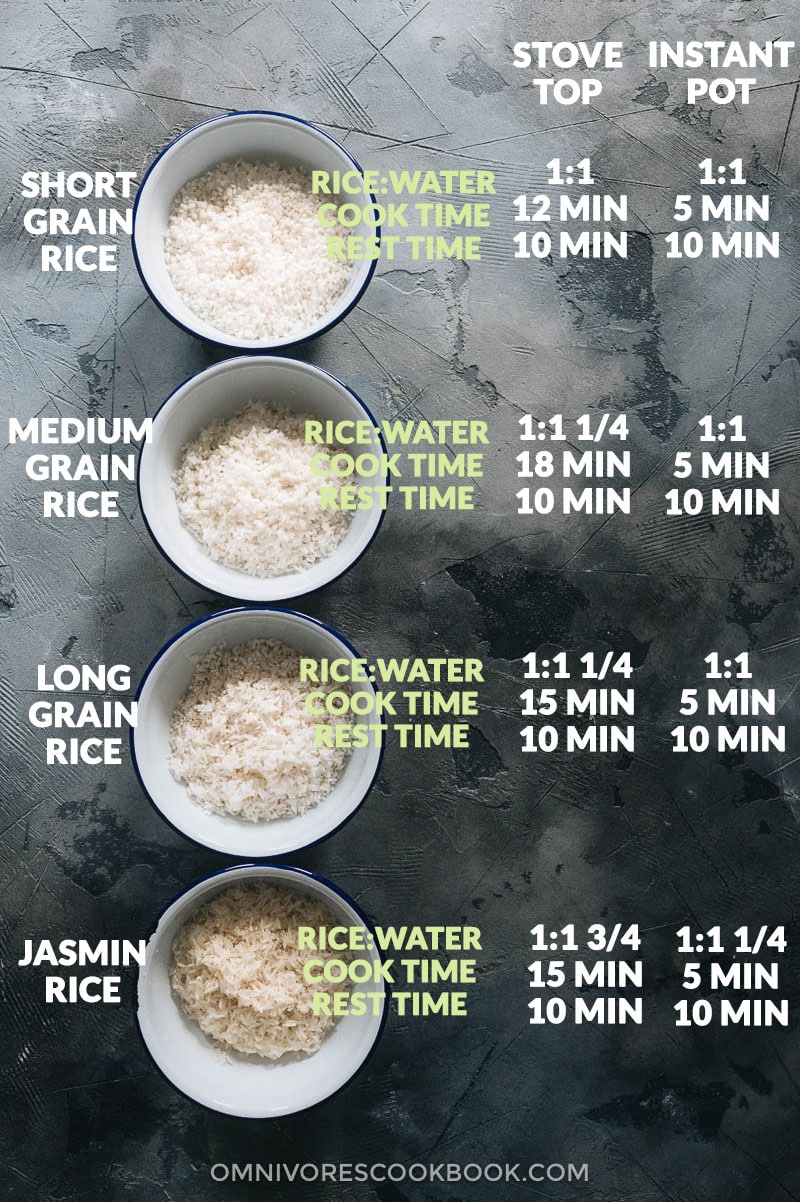
Rice comes in many types. Each type needs a different amount of water to cook well. Using the right water ratio helps the rice cook perfectly. It makes the rice soft and fluffy, not sticky or hard. Here are some common rice types and their water needs.
White Rice
White rice is the most common type. It cooks quickly and has a mild flavor. The usual water ratio is 1 part rice to 2 parts water. This ratio keeps the rice tender and light. Too much water can make it mushy.
Brown Rice
Brown rice is whole grain and chewier. It takes longer to cook than white rice. Use 1 part rice to 2.5 parts water for the best result. More water helps soften the tough outer layer.
Basmati And Jasmine
Basmati and jasmine are aromatic long-grain rices. They need less water than regular white rice. Use 1 part rice to 1.5 parts water. This keeps the grains separate and fluffy.
Wild Rice
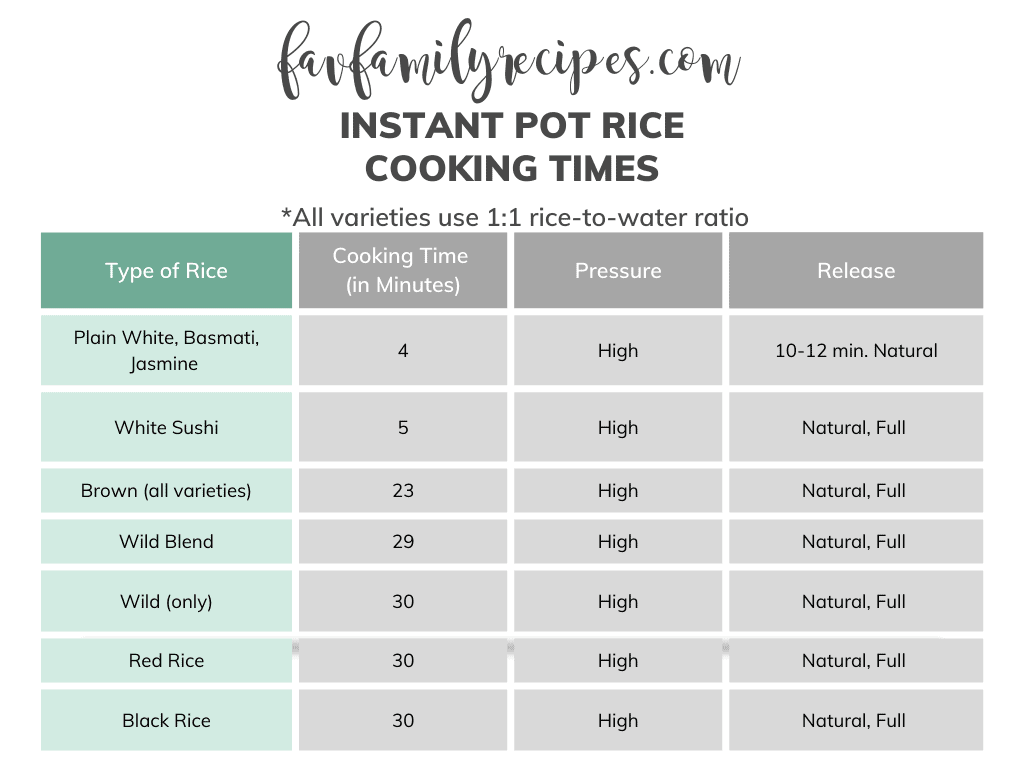
Wild rice is actually a grass seed, not true rice. It needs a lot of water and a long cooking time. Use 1 part wild rice to 3 parts water. Cook until the grains split open and soften.
Credit: vixencomposites.com
Measuring Rice And Water
Measuring rice and water correctly is key to cooking perfect rice. The right ratio ensures fluffy, well-cooked grains every time. Too much water makes rice mushy. Too little leaves it hard or dry. Understanding simple measurements helps you get it right.
Using Standard Cups
Use a standard measuring cup for rice and water. One cup of uncooked rice usually needs about one and a half to two cups of water. This depends on the rice type. Measure water with the same cup to keep ratios clear and simple.
Adjusting For Quantity
Cooking more rice means adjusting water accordingly. Double the rice, double the water. Small changes in quantity can change cooking time and water needs. Always keep the same ratio to avoid soggy or undercooked rice.
Impact Of Rice Age
Older rice absorbs water differently than fresh rice. It may need slightly more water to cook fully. Fresh rice tends to cook faster and with less water. Check rice texture during cooking and add small amounts of water if needed.
Cooking Methods And Ratios
Cooking rice perfectly depends on the method and the right water-to-rice ratio. Different methods need different amounts of water and cooking times. This section covers common cooking methods and their ideal ratios.
Stovetop Cooking
For stovetop cooking, use 1 cup of rice with 2 cups of water. Bring water to a boil, then lower heat. Cover the pot and simmer for 15-20 minutes. Do not lift the lid while cooking. Let the rice rest for 5 minutes after cooking.
Rice Cooker Settings
Rice cookers often have a water level indicator. Use 1 cup of rice with the water line marked for that amount. Close the lid and press the cook button. The cooker stops automatically when done. Let the rice sit for a few minutes before opening.
Microwave Tips
In the microwave, mix 1 cup of rice with 2 cups of water in a microwave-safe bowl. Cover loosely with a lid or plastic wrap. Cook on high for 10 minutes, then on medium for 15 minutes. Let it stand covered for 5 minutes before serving.
Factors Affecting Rice Texture
Rice texture changes based on many factors. These factors affect how soft or firm the rice turns out. Knowing these helps cook perfect rice every time. Below are key points that change rice texture.
Water Quality
Water type impacts rice texture a lot. Hard water with minerals can make rice tough. Soft water helps rice cook evenly and stay soft. Use clean, fresh water for best results.
Cooking Time
Cooking time controls how soft rice becomes. Short cooking leaves rice firm and chewy. Long cooking makes rice soft and sticky. Follow cooking time for the rice type used.
Resting Period
Let rice rest after cooking for better texture. Resting lets steam finish cooking rice gently. It also makes rice fluffier and less sticky. Cover rice and wait 5 to 10 minutes before serving.
Troubleshooting Common Issues
Cooking rice perfectly can be tricky. Many cooks face common problems that affect the texture and taste. Understanding how to fix these issues helps get better results each time. Here are some quick tips to solve common rice cooking problems.
Too Sticky Or Mushy
Rice turns sticky or mushy from too much water or overcooking. Use less water next time. Rinse rice before cooking to remove excess starch. Let rice rest covered after cooking to absorb moisture evenly.
Undercooked Or Hard
Hard rice means not enough water or cooking time. Add a little more water and cook longer on low heat. Use a tight lid to keep steam inside. Avoid opening the pot during cooking.
Burnt Or Dry Rice
Burnt rice happens from too high heat or too little water. Cook on low heat and use the right water ratio. Stir rice gently before cooking to spread grains. Use a non-stick pot or add a little oil to prevent sticking.

Credit: www.youtube.com
Enhancing Flavor And Presentation
Enhancing the flavor and presentation of rice transforms a simple dish into something special. Small changes during cooking can make rice taste better and look more inviting. This section explores easy ways to improve your rice using salt, oil, broths, and garnishes.
Adding Salt And Oil
Salt brings out the natural taste of rice. A pinch or two added before cooking makes a big difference. Oil or butter adds richness and stops rice from sticking. Use a teaspoon of olive oil or butter for every cup of rice. This keeps the grains separate and shiny.
Using Broths Instead Of Water
Cooking rice in broth boosts its flavor instantly. Chicken, vegetable, or beef broth adds depth and aroma. Replace water with broth in the same ratio for cooking rice. This simple swap makes rice more savory and tasty without extra effort.
Garnishes And Mix-ins
Fresh herbs like parsley or cilantro brighten the dish. Toasted nuts add crunch and a nutty taste. Mix-ins like peas, corn, or diced carrots add color and texture. Garnishing rice makes it look appealing and adds fresh flavors to every bite.
Frequently Asked Questions
What Is The Ideal Water-to-rice Ratio?
The ideal water-to-rice ratio is typically 2:1, meaning two cups of water per one cup of rice. This ensures fluffy and well-cooked rice without being too mushy or dry.
How Does Rice Type Affect Cooking Ratios?
Different rice types need different water amounts. For example, brown rice requires more water (about 2. 5:1) than white rice (2:1) due to its tougher outer bran layer.
Can I Adjust Rice Ratio For Softer Texture?
Yes, to get softer rice, increase water slightly, around 2. 25:1 for white rice. For firmer rice, use a little less water, about 1. 75:1.
Why Is Rinsing Rice Important Before Cooking?
Rinsing removes excess starch, preventing rice from becoming sticky or gummy. It also cleans impurities and improves the final texture of cooked rice.
Conclusion
Rice cooks best with the right water-to-rice ratio. Use one cup of rice with two cups of water for most types. This balance helps rice cook evenly and stay fluffy. Adjust the water slightly for different rice kinds or cooking methods.
Keep measuring simple, and your rice will turn out great every time. Practice and patience improve your cooking skills. Soon, making perfect rice will feel easy and natural. Enjoy your meal!

Hello, This is Annie Walker, a 38-year-old blogger, founder, and editor of Cookware Guider from NY, USA. I am a cookware fanatic and passionate cooker. I love to cook with different types of cooking appliances (example: all types of cookware, rice cookers, slow cookers, etc) almost every day in my kitchen. I love to share my experience with my readers in my blog. Also, I enjoy helping people to solve their problems through my website. You can follow me on Twitter & Pinterest. To know details about my blog please check the about us page.