
Are you tired of worrying about harmful chemicals when cooking with non-stick pans? You want cookware that keeps your food safe and your kitchen mess-free.
But with so many options out there, how do you know which non-stick cookware is truly safe for you and your family? This guide will help you cut through the confusion and find the best non-stick pots and pans that protect your health without sacrificing convenience.
Keep reading to discover what to look for and what to avoid when choosing safe non-stick cookware.

Credit: www.thewellnesscorner.com
Types Of Non Stick Cookware
Choosing the right non stick cookware matters for health and cooking ease. Different types offer various benefits and safety levels. Understanding these types helps pick safe options that last longer and cook food better. Below are four common types of non stick cookware with details on their materials and safety.
Ptfe-based Coatings
PTFE, or polytetrafluoroethylene, is a popular non stick coating known for its smooth surface. It allows food to slide off easily, reducing the need for oil or butter. PTFE coatings are often found in brands like Teflon.
Key points about PTFE coatings:
- Safe to use at low to medium heat (below 260°C or 500°F).
- Can release harmful fumes if overheated above 350°C (662°F).
- Durable and resistant to scratches when used carefully.
- Requires use of non-metal utensils to prevent damage.
- Easy to clean and maintain.
| Aspect | Details |
|---|---|
| Material | Polytetrafluoroethylene (PTFE) |
| Heat Limit | Up to 260°C safe; avoid above 350°C |
| Durability | Good with gentle use |
| Safety | Safe if not overheated |
PTFE coatings provide excellent non stick performance but need careful heat control. Avoid overheating to keep cookware safe and extend its life.
Ceramic Coatings
Ceramic cookware features a non stick layer made from inorganic materials. It is free from PTFE and PFOA, making it a popular choice for health-conscious users.
Benefits of ceramic coatings include:
- Safe at higher temperatures (up to 450°C or 842°F).
- Non-toxic and free of harmful chemicals.
- Easy to clean and resistant to stains.
- Less durable than PTFE; coating may wear out faster.
- Requires gentle cleaning to avoid chipping.
Compared to PTFE, ceramic coatings offer better heat tolerance. They do not emit toxic fumes but need careful handling to maintain their non stick surface.
| Feature | Description |
|---|---|
| Material | Inorganic ceramic layer |
| Heat Resistance | Up to 450°C safe |
| Durability | Moderate; coating can wear |
| Safety | Non-toxic, chemical-free |
Anodized Aluminum
Anodized aluminum cookware undergoes an electrochemical process that hardens its surface. This creates a natural non stick layer without synthetic chemicals.
Advantages of anodized aluminum:
- Highly durable and scratch-resistant.
- Non reactive; does not leach metals into food.
- Even heat distribution for better cooking.
- Usually safe to use with metal utensils.
- Requires seasoning or light oiling for best non stick effect.
This type offers a balance between natural safety and good cooking performance. The anodized layer prevents aluminum from reacting with acidic foods.
| Property | Details |
|---|---|
| Material | Aluminum with anodized surface |
| Durability | High; scratch and corrosion resistant |
| Non Stick | Moderate; improved with seasoning |
| Safety | Safe; no metal leaching |
Cast Iron With Non Stick Seasoning
Cast iron cookware gains its non stick quality from a layer of seasoning. Seasoning forms when oil polymerizes on the pan’s surface after heating.
Important facts about cast iron seasoning:
- Natural non stick surface improves with use.
- Very durable; can last for decades.
- Requires regular maintenance and re-seasoning.
- Can withstand very high heat.
- May leach small amounts of iron, which is safe and can benefit health.
Seasoned cast iron offers a chemical-free, safe non stick option. It needs care but rewards with excellent cooking performance and longevity.
| Aspect | Description |
|---|---|
| Material | Cast iron with oil-based seasoning |
| Durability | Extremely high; lasts decades |
| Non Stick | Improves with use and care |
| Safety | Safe; natural seasoning, minor iron leaching |
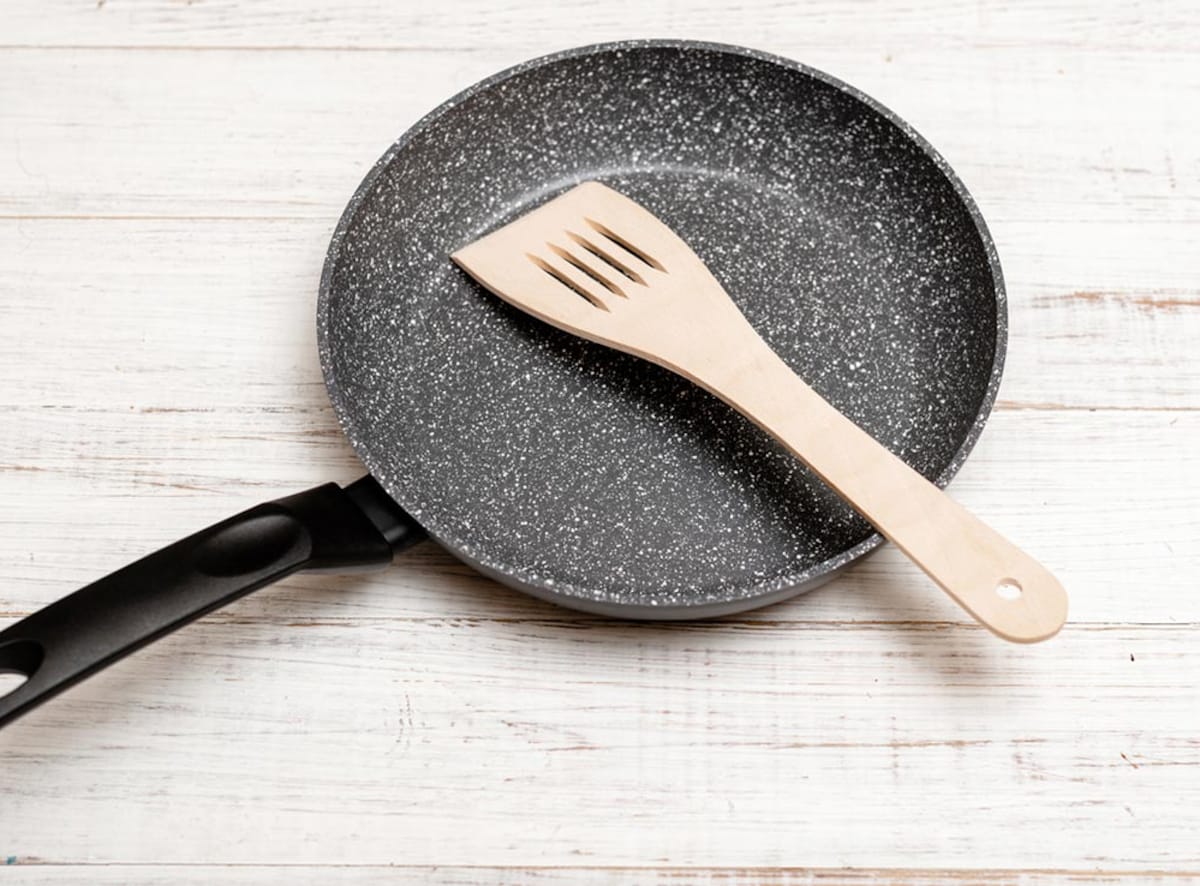
Credit: food.ndtv.com
Health Considerations
Choosing safe non-stick cookware is important for your health. Many non-stick pans use chemicals to prevent food from sticking. Some chemicals can release harmful fumes or particles when heated. Knowing the health risks helps you pick cookware that keeps your family safe. This section covers key health considerations about non-stick cookware, focusing on chemical safety, heat resistance, and potential toxicity.
Chemical Safety
Non-stick coatings mostly use materials like PTFE (Teflon) or ceramic. PTFE is popular for its slick surface, but it may release toxic fumes if overheated. Ceramic coatings are often free of PTFE and PFOA, making them safer choices for many people.
Important facts about chemical safety:
- PTFE can start to break down at temperatures above 500°F (260°C).
- PFOA, once used in manufacturing, is mostly phased out due to health risks.
- Ceramic coatings do not contain PTFE or PFOA and are less likely to release harmful chemicals.
- Always check labels for “PFOA-free” and “PTFE-free” to avoid harmful chemicals.
| Coating Type | Chemicals Used | Safety Notes |
|---|---|---|
| PTFE (Teflon) | Polytetrafluoroethylene | Safe below 500°F; releases fumes if overheated |
| Ceramic | Silica-based compounds | Generally safe; no harmful fumes |
| Anodized Aluminum | None (surface hardened) | Safe; no chemical coatings |
Using non-stick pans properly means avoiding high heat and scratched surfaces. Damaged coatings may expose the underlying metal and reduce safety.
Heat Resistance
Heat resistance is key to non-stick cookware safety. Overheating can break down coatings and release harmful substances. Each coating type handles heat differently.
Heat limits for common non-stick cookware:
- PTFE-coated pans: Safe up to 500°F (260°C). Avoid preheating empty pans.
- Ceramic-coated pans: Usually safe up to 600°F (315°C). Better for high-heat cooking.
- Anodized aluminum pans: Safe at very high temperatures; no coating breakdown.
Using proper heat settings helps keep cookware safe and durable. Avoid heating empty pans or using broilers with non-stick coatings. Never use metal utensils that can scratch and damage the surface.
Here is a simple guide to heat resistance:
| Cookware Type | Max Safe Temperature | Tips for Use |
|---|---|---|
| PTFE (Teflon) | 500°F (260°C) | Use low to medium heat; avoid overheating |
| Ceramic | 600°F (315°C) | Good for medium to high heat cooking |
| Anodized Aluminum | 700°F+ (370°C+) | Very heat resistant; no special care needed |
Potential Toxicity
Toxicity in non-stick cookware relates to chemicals released when coatings break down. Overheated PTFE pans can produce toxic fumes harmful to humans and pets. These fumes may cause flu-like symptoms called “polymer fume fever.”
Key points about toxicity:
- PTFE fumes appear only at very high temperatures (above 500°F).
- Ceramic coatings rarely produce toxic fumes, even if overheated.
- Old or scratched pans may release more particles or metals into food.
- Choosing PFOA-free and PTFE-free products reduces toxicity risks.
Some metals in cookware, like aluminum, may leach into food if the coating is damaged. Anodized aluminum pans reduce this risk by hardening the surface. Avoid using scratched or chipped non-stick pans to limit chemical exposure.
Always replace non-stick cookware once it shows signs of wear. Use wooden or silicone utensils to protect the surface and reduce toxicity risks.
Durability And Performance
Choosing non stick cookware means considering both durability and performance. Safe non stick pans should keep their coating intact and cook food evenly. Durability ensures the pan lasts long without damage. Performance means food cooks well and doesn’t stick. This section explores key factors that affect these qualities, helping you pick cookware that stays strong and works well.
Scratch Resistance
Scratch resistance protects the non stick coating from damage. Scratches can cause food to stick and release harmful particles. Cookware with high scratch resistance stays smooth and safe to use longer.
Materials that offer good scratch resistance include:
- Ceramic coatings
- Hard-anodized aluminum
- Titanium-reinforced coatings
Soft coatings like traditional Teflon are more prone to scratches. Use plastic, silicone, or wooden utensils to avoid scraping the surface. Avoid metal tools that can ruin the coating quickly.
| Coating Type | Scratch Resistance | Common Use |
|---|---|---|
| Ceramic | High | Everyday cooking |
| Hard-anodized aluminum | Very High | Heavy use |
| Teflon (PTFE) | Medium | Light use |
Maintaining scratch resistance means avoiding abrasive cleaning pads. Gentle sponges keep the surface smooth. Remember, a scratch-free surface keeps your cookware safe and effective.
Longevity
Longevity measures how long non stick cookware stays usable. Safe cookware lasts several years without losing its coating or performance. Quality coatings resist peeling and discoloration over time.
Factors affecting longevity include:
- Type of coating material
- Heat exposure levels
- Cleaning methods used
- Frequency of use
Hard-anodized and ceramic coatings often last longer than basic non stick surfaces. Avoid overheating pans, as extreme heat breaks down coatings faster.
Typical lifespan of cookware coatings:
| Coating Type | Average Lifespan |
|---|---|
| Ceramic | 3-5 years |
| Hard-anodized aluminum | 5-7 years |
| Teflon (PTFE) | 2-3 years |
Use cookware within recommended temperatures. High heat reduces lifespan. Store pans carefully to avoid dents or scratches. Proper handling extends the safe use period.
Maintenance Tips
Good maintenance keeps non stick cookware safe and working well. Cleaning and storing correctly helps protect the coating. Follow simple steps to make your pans last longer.
Key maintenance tips:
- Wash with warm, soapy water after each use
- Avoid harsh scrubbers; use soft sponges
- Never put non stick cookware in the dishwasher unless labeled dishwasher safe
- Use low to medium heat for cooking
- Use wooden, plastic, or silicone utensils only
- Allow pans to cool before washing
- Store pans carefully, stacking with pan protectors if needed
Do not use cooking sprays often; they can leave sticky residues. Season ceramic pans occasionally by rubbing a small amount of oil to keep surfaces smooth. Avoid sudden temperature changes to prevent warping.
Following these tips preserves the non stick coating. It keeps cookware safe and efficient for years. Proper care protects your investment and improves cooking results.
Choosing Safe Cookware
Choosing safe cookware is important for health and cooking quality. Non-stick cookware makes cooking easier and cleaning faster. But some non-stick coatings can release harmful chemicals if not made safely. Selecting the right cookware means knowing what materials and certifications ensure safety. This guide helps pick non-stick pots and pans that keep food safe and last long.
Certifications To Look For
Certifications show that cookware meets safety and quality standards. These marks come from trusted organizations that test products for harmful substances and durability. Choosing cookware with proper certifications reduces health risks.
- FDA Approved: Confirms materials are safe for food contact.
- PTFE and PFOA Free: Ensures non-stick coating does not contain harmful chemicals like perfluorooctanoic acid.
- LFGB Certification: A German standard checking food safety and chemical release.
- Prop 65 Compliance: California’s rule warning about harmful chemicals in products.
These certifications help identify cookware made from safe substances. Some brands also test for heavy metals like lead and cadmium. Always check product labels or packaging for these marks. Avoid cookware with unknown or no certifications. This reduces chances of chemical leaks during cooking.
| Certification | What It Means | Why It Matters |
|---|---|---|
| FDA Approved | Safe for food contact | Prevents harmful chemicals in food |
| PTFE/PFOA Free | No toxic non-stick chemicals | Protects lungs and environment |
| LFGB | Tested for food safety in Germany | Strict chemical limits |
| Prop 65 | Warning on harmful substances | Informs consumer about risks |
Trusted Brands
Brands with a good reputation usually produce safe cookware. They invest in quality materials and follow strict safety rules. Choose brands known for transparency and customer care. These brands often provide detailed product information and testing results.
- Scan the brand’s history: Established companies often maintain safety standards.
- Read reviews: Customer feedback shows real-world product performance.
- Check warranty and return policy: Good brands stand behind their products.
Some trusted brands specialize in non-stick cookware made without toxic chemicals. They use ceramic or other safe coatings that perform well. Some popular names offer cookware tested for safety and durability. Choosing these brands lowers health risks and improves cooking experience.
| Brand | Special Feature | Safety Highlights |
|---|---|---|
| GreenPan | Ceramic non-stick | PTFE and PFOA free |
| Calphalon | Hard-anodized aluminum | FDA approved materials |
| T-fal | Durable PTFE coating | Low PFOA levels, tested |
Price Vs Safety
Price can indicate cookware quality but is not the only factor for safety. Very cheap cookware may use low-quality coatings or metals. These can wear out fast and release toxins. Mid-range to high-end cookware often meets safety standards better.
Buying the cheapest option risks health and money over time. Cheap pans may need frequent replacement. Safe cookware costs more but lasts longer and protects health.
- Cheap cookware: May contain harmful chemicals, less durable.
- Mid-range cookware: Balanced safety, quality, and price.
- High-end cookware: Best materials, certifications, longer lifespan.
Balance price with safety by checking certifications and brand reputation. Avoid spending too little on cookware designed for daily use. Investing a bit more ensures safe cooking and fewer replacements.
| Price Range | Safety Level | Expected Durability | Notes |
|---|---|---|---|
| Low (< $30) | Low to medium | 1-2 years | Possible harmful coatings |
| Mid ($30-$70) | Medium to high | 3-5 years | Certified, safer materials |
| High (> $70) | High | 5+ years | Best safety and durability |
Using Non Stick Cookware Safely
Using non stick cookware safely is key to keeping your kitchen healthy and your pans lasting longer. Non stick surfaces make cooking easier and reduce the need for oil. But these coatings can wear out or release harmful substances if not handled well. Knowing the right ways to use and care for your non stick pans helps you avoid damage and health risks. Follow simple steps to protect your cookware and enjoy safe cooking every day.
Proper Heating Practices
Heat control is the most important step in using non stick cookware safely. High heat can break down the coating and release toxic fumes. Most non stick pans work best at medium or low heat. Avoid using high or empty heat, which can cause the surface to degrade quickly.
- Start with low or medium heat: This protects the coating and cooks food evenly.
- Never preheat empty pans: Heating an empty pan can quickly damage the non stick layer.
- Use pans designed for your stove type: Some non stick pans are not made for induction or high heat.
Here is a simple guide for heating non stick cookware safely:
| Heating Condition | Safe or Not |
|---|---|
| Low to Medium Heat | Safe |
| High Heat | Unsafe |
| Heating Empty Pan | Unsafe |
| Quick Temperature Changes (Hot to Cold) | Unsafe |
Following these heating tips keeps your cookware in good shape and avoids harmful fumes.
Avoiding Metal Utensils
Metal utensils can scratch and damage non stick surfaces. Scratches reduce the pan’s effectiveness and can cause flakes of coating to mix with food. Use gentle tools made of wood, silicone, or plastic to protect the pan’s surface.
Choose utensils that are:
- Soft and non-abrasive
- Heat resistant up to 400°F (204°C)
- Easy to clean and dishwasher safe
Here are some common utensil types and their impact on non stick cookware:
| Utensil Type | Impact on Non Stick Surface |
|---|---|
| Metal (spoons, forks, spatulas) | Scratches and damages coating |
| Wooden Utensils | Safe and gentle |
| Silicone Utensils | Safe and heat resistant |
| Plastic Utensils | Generally safe but can melt if overheated |
Use the right utensils to keep your pans smooth and effective for longer.
Cleaning Guidelines
Proper cleaning keeps non stick cookware safe and extends its life. Harsh scrubbing or strong cleaning agents can harm the coating. Use mild soap and soft sponges to clean your pans after use.
Follow these tips for safe cleaning:
- Let the pan cool before washing to avoid warping.
- Wash with warm water and mild dish soap.
- Use a soft sponge or cloth; avoid steel wool or abrasive pads.
- For stuck food, soak the pan in warm soapy water before cleaning.
- Dry thoroughly to prevent water spots and damage.
Below is a quick checklist for cleaning non stick cookware:
| Cleaning Step | Recommended Action |
|---|---|
| Cool Pan | Allow to cool before washing |
| Cleaning Tools | Use soft sponge or cloth |
| Cleaning Agents | Mild soap only |
| Stubborn Residue | Soak before scrubbing gently |
| Drying | Wipe dry or air dry completely |
Following these cleaning steps keeps your cookware safe and cooking-friendly.
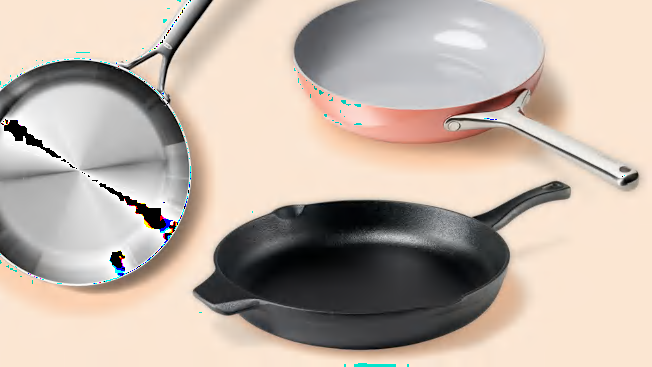
Credit: www.consumerreports.org
Frequently Asked Questions
What Materials Make Non Stick Cookware Safe?
Safe non stick cookware often uses ceramic, anodized aluminum, or stainless steel coatings. These materials resist scratching and avoid harmful chemicals like PFOA and PTFE. Always choose brands that clearly label their products as free from toxic substances for safer cooking.
Is Ceramic Non Stick Cookware Safe For Health?
Yes, ceramic non stick cookware is generally safe. It is free from PTFE and PFOA chemicals. Ceramic coatings are made from natural minerals and do not release toxic fumes when heated. Proper use and care ensure long-lasting safety and non stick performance.
Can Ptfe-coated Pans Be Used Safely?
PTFE-coated pans are safe if used correctly. Avoid overheating above 500°F to prevent toxic fumes. Use low to medium heat and never preheat empty pans. High-quality PTFE coatings are stable and non reactive under normal cooking conditions.
How To Identify Safe Non Stick Cookware Brands?
Look for cookware labeled PFOA-free and PTFE-free for safety. Check product reviews and certifications like FDA approval. Trusted brands often disclose their coating materials and manufacturing processes. Transparency ensures buyers get safe, non toxic cookware.
Conclusion
Choosing safe non-stick cookware protects your health and improves cooking. Materials like ceramic and hard-anodized aluminum offer good safety and durability. Avoid cookware with harmful chemicals or scratched surfaces. Always follow the manufacturer’s instructions to keep the coating intact. Proper care helps your pans last longer and stay safe.
Safe cookware makes cooking easier and healthier for everyone. Keep these tips in mind for a better kitchen experience. Safe non-stick cookware is a smart choice for daily meals.

Hello, This is Annie Walker, a 38-year-old blogger, founder, and editor of Cookware Guider from NY, USA. I am a cookware fanatic and passionate cooker. I love to cook with different types of cooking appliances (example: all types of cookware, rice cookers, slow cookers, etc) almost every day in my kitchen. I love to share my experience with my readers in my blog. Also, I enjoy helping people to solve their problems through my website. You can follow me on Twitter & Pinterest. To know details about my blog please check the about us page.