
If you’re thinking about upgrading your kitchen with GreenPan cookware, you probably want to know where it’s made. Knowing the origin of your cookware can tell you a lot about its quality, safety, and durability.
You want to be sure that your investment is not only stylish but also reliable and healthy for your family. Keep reading to discover exactly where GreenPan cookware is made and why that matters for your cooking experience.
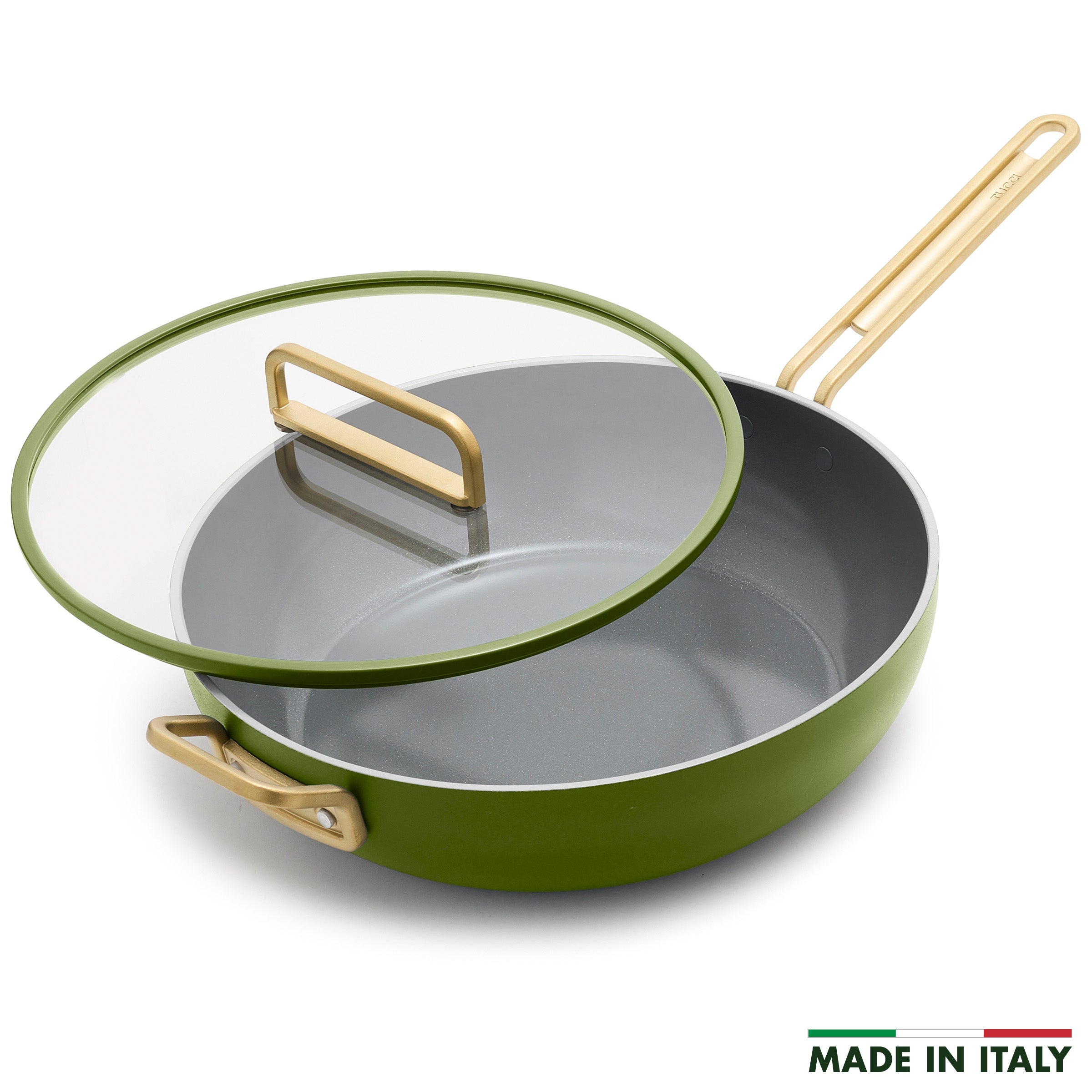
Credit: www.greenpan.us
Greenpan Origins
Greenpan Origins trace back to a passion for safe, eco-friendly cooking. The brand was founded in Belgium in 2007. Its goal: to create non-toxic cookware that performs well and lasts long.
The founders wanted to avoid harmful chemicals often found in traditional non-stick pans. They developed a unique ceramic coating called Thermolon. This coating uses natural materials and avoids dangerous substances like PFAS and PFOA.
Greenpan quickly became popular among health-conscious cooks. The company expanded its product line and improved its technology over time. Today, Greenpan is known worldwide for safe, reliable cookware.
Where Is Greenpan Cookware Made?
Greenpan cookware is primarily made in China. The company partners with factories that meet strict quality and safety standards. These factories use advanced equipment and follow eco-friendly practices. Each piece undergoes careful inspection before shipping.
While the brand started in Belgium, manufacturing moved to China for better production scale and cost control. This shift helps Greenpan keep prices reasonable without sacrificing quality.
Materials And Technology Behind Greenpan
Greenpan uses Thermolon ceramic coating, made from sand and other natural minerals. This coating offers excellent heat distribution and durability. It resists scratches and can handle high cooking temperatures.
The pans have an aluminum or stainless steel base. This base helps the pan heat evenly and quickly. The ceramic coating is free of toxic chemicals, making it safer for your health.
Greenpan’s Commitment To Sustainability
- Non-toxic coatings: No PFAS, PFOA, lead, or cadmium.
- Eco-friendly production: Factories reduce waste and energy use.
- Recyclable packaging: Made from recycled materials.
- Long-lasting products: Durable design to reduce waste.
Greenpan works hard to protect the environment and your health. Its origins and manufacturing choices reflect this mission.
Manufacturing Locations
GreenPan cookware is known for its healthy, non-toxic ceramic coatings. Many wonder where these high-quality pans and pots are made. Understanding the manufacturing locations reveals the brand’s commitment to quality and safety. GreenPan products come from carefully chosen factories that meet strict standards. This section explores the manufacturing locations behind GreenPan cookware, focusing on their primary factories and global production sites.
Primary Factories
GreenPan’s main factories are located in Asia and Europe. These facilities specialize in advanced ceramic technology and safe cookware production. Each factory follows strict environmental and safety rules to keep the quality high.
- Belgium: The brand’s roots are here. GreenPan started in Belgium, and some products are still made in this country. The Belgian factory uses eco-friendly processes and focuses on innovation.
- China: A large part of GreenPan cookware is made in China. These factories have modern machines and skilled workers. They produce many styles and sizes, maintaining consistent quality.
- Indonesia: Some manufacturing happens in Indonesia. These factories are known for good craftsmanship and strict quality control.
The factories use environmentally safe materials and follow GreenPan’s health guidelines. This ensures every pan is free from harmful chemicals like PFAS and PFOA. The focus on quality control means customers get durable and safe cookware.
| Factory Location | Key Features | Products Made |
|---|---|---|
| Belgium | Eco-friendly, innovation-focused, original site | Premium ceramic pans, new designs |
| China | High volume, advanced technology, skilled labor | Wide range of cookware, various sizes |
| Indonesia | Craftsmanship, strict quality control | Mid-range cookware, specialty items |
Global Production Sites
GreenPan’s production is global. This helps meet demand worldwide while keeping costs reasonable. The company works with factories in different regions to spread out production and maintain fast delivery.
Besides the primary factories, GreenPan partners with other production sites in:
- Thailand: Produces some cookware lines with focus on ceramic coatings.
- Vietnam: Supports assembly and packaging to ensure product safety.
- India: Emerging site for producing affordable cookware options.
These global sites follow GreenPan’s strict rules. They use the same non-toxic materials and test products regularly. This consistency keeps the brand trusted worldwide.
Global production also helps GreenPan adapt to local markets. Factories can customize cookware styles and sizes to fit regional cooking habits. This approach makes the brand more accessible and popular in many countries.
| Production Site | Main Role | Region Served |
|---|---|---|
| Thailand | Ceramic coating production | Asia, Europe |
| Vietnam | Assembly and packaging | Asia, North America |
| India | Cost-effective cookware production | Asia, Middle East |
Materials And Craftsmanship
GreenPan cookware stands out for its unique materials and careful craftsmanship. The brand focuses on healthy cooking by using safe, non-toxic materials. Each piece combines modern technology with skilled manufacturing to deliver durable, efficient cookware. Understanding the materials and how they are made helps explain why GreenPan is popular among health-conscious cooks.
Ceramic Nonstick Technology
GreenPan uses advanced ceramic nonstick technology instead of traditional chemical coatings. This technology uses a natural, mineral-based coating that is free of harmful chemicals like PFAS, PFOA, lead, and cadmium. The ceramic coating provides a smooth surface that prevents food from sticking without releasing toxins.
Key benefits of GreenPan’s ceramic nonstick technology:
- Safe for high-heat cooking up to 450°F (232°C)
- Scratch-resistant and durable surface
- Easy to clean with less oil or butter needed
- Non-toxic and environmentally friendly
The ceramic coating is applied in multiple layers. This process ensures even coverage and long-lasting performance. The surface remains smooth and effective after many uses, unlike some traditional nonstick pans that lose coating quickly.
| Feature | GreenPan Ceramic Coating | Traditional PTFE Coating |
|---|---|---|
| Toxin-Free | Yes | No |
| Heat Resistance | Up to 450°F (232°C) | Up to 500°F (260°C) |
| Scratch Resistance | High | Medium |
| Ease of Cleaning | Easy | Easy |
Sourcing Of Raw Materials
GreenPan carefully selects raw materials to ensure quality and safety. The company uses sustainable and non-toxic ingredients for its cookware. The base metals include aluminum and stainless steel, chosen for their heat distribution and durability.
All raw materials go through strict quality checks before production. This process helps avoid contamination and ensures consistent performance. The ceramic coating materials come from natural minerals that are safe for cooking.
Key aspects of GreenPan’s raw material sourcing:
- Aluminum: Lightweight, excellent heat conductor
- Stainless Steel: Strong, corrosion-resistant, used for induction bases
- Ceramic Coating Minerals: Natural, free of heavy metals and toxins
- Recycled Materials: Used where possible to reduce waste
GreenPan also works with trusted suppliers to maintain high standards. These partnerships help the brand produce cookware that is safe, eco-friendly, and long-lasting.
Quality Control Measures
GreenPan cookware is known for its safety and durability. The brand uses strict quality control measures to keep its products reliable. These steps make sure every piece meets high standards.
Raw Material Inspection
GreenPan checks all materials before production. The ceramic coating and metals undergo testing for purity and strength. This prevents defects early in the process.
Precision Manufacturing Processes
The production uses advanced machines and skilled workers. Each part is shaped carefully to exact sizes. This reduces errors and improves product consistency.
Multiple Quality Testing Stages
- Coating Thickness Test: Ensures even and adequate ceramic layers.
- Non-stick Performance: Checks smooth cooking surface without harmful chemicals.
- Durability Tests: Includes scratch and heat resistance checks.
Final Product Inspection
Before packaging, each item is fully inspected. Workers look for visual defects and functional problems. Only flawless cookware leaves the factory.
Continuous Improvement And Feedback
GreenPan collects user feedback and factory data. This helps update quality steps and fix issues fast. The brand aims to keep improving product safety and quality.
Sustainability Practices
GreenPan is known not only for its quality cookware but also for its strong commitment to sustainability practices. These practices reduce environmental impact and promote health safety. The brand focuses on producing cookware that is safe, eco-friendly, and made with responsibility. Their approach combines innovation with care for the planet. Understanding these efforts helps appreciate where GreenPan cookware stands in today’s market.
Sustainable Materials Used
GreenPan uses natural materials that do not harm the environment. Their ceramic non-stick coating is free from PFAS, PFOA, lead, and cadmium. The coatings are made from Thermolon, a sand-based material.
- Recycled aluminum for the cookware body
- Low energy consumption during production
- Non-toxic, safe for health
This choice of materials ensures GreenPan cookware is safer for users and the planet.
Energy Efficient Manufacturing
GreenPan factories use energy-saving technologies to reduce carbon emissions. They focus on:
- Using renewable energy sources
- Optimizing production lines to reduce waste
- Recycling water and raw materials
These efforts lower their carbon footprint and save natural resources.
Eco-friendly Packaging
Packaging plays a big role in sustainability. GreenPan uses:
- Recycled cardboard and paper
- Minimal plastic use
- Biodegradable inks for printing
The packaging is designed to reduce waste and be easy to recycle.
Durability And Longevity
GreenPan products are built to last. Longer use means less waste over time. Their cookware resists scratches and heat damage, extending its life. This durability supports sustainability by reducing the need for replacements.
Commitment To Health And Environment
GreenPan avoids harmful chemicals in cookware. This protects both users and the environment. Their products do not release toxic fumes or particles while cooking. This commitment strengthens their eco-friendly reputation.
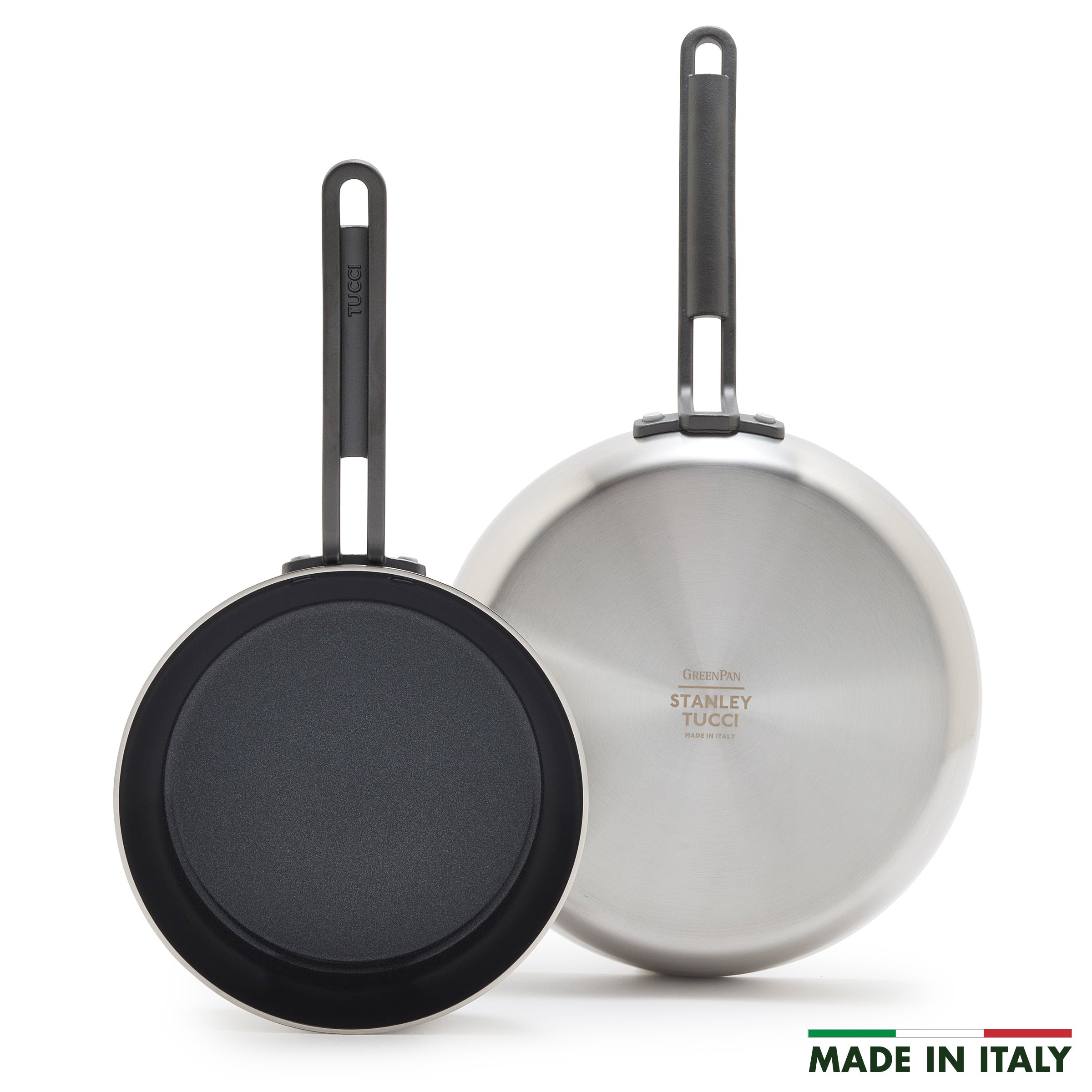
Credit: www.greenpan.us
Impact Of Manufacturing Location On Price
The place where Greenpan cookware is made plays a big role in its price. Different locations have different costs for materials, labor, and shipping. These factors affect how much you pay for each piece of cookware.
Manufacturing Costs By Location
Greenpan cookware is mainly made in Europe, especially Belgium. European factories have higher wages and strict quality rules. This raises the cost of making each pan or pot.
Factories in countries with lower wages and cheaper materials can produce cookware at a lower cost. But Greenpan focuses on quality, so it balances cost and standards carefully.
Shipping And Import Fees
The place of manufacture also affects shipping costs. European-made cookware must be shipped to stores worldwide. Shipping adds to the final price.
Import taxes and customs fees can increase the price further, especially in countries outside the EU. These fees vary by country and trade agreements.
Quality Control And Price Impact
Greenpan’s European factories follow strict quality control. This ensures long-lasting cookware but raises production costs.
Lower-cost factories might cut corners on quality. Greenpan avoids this to keep its reputation strong. This focus on quality justifies a higher price for many buyers.
Summary Of Price Factors
| Factor | Effect on Price |
|---|---|
| Labor Costs | Higher in Europe, increases price |
| Material Quality | High-quality materials add to cost |
| Shipping Fees | Long-distance shipping raises price |
| Import Taxes | Varies by country, can increase price |
| Quality Control | Strict standards raise production cost |
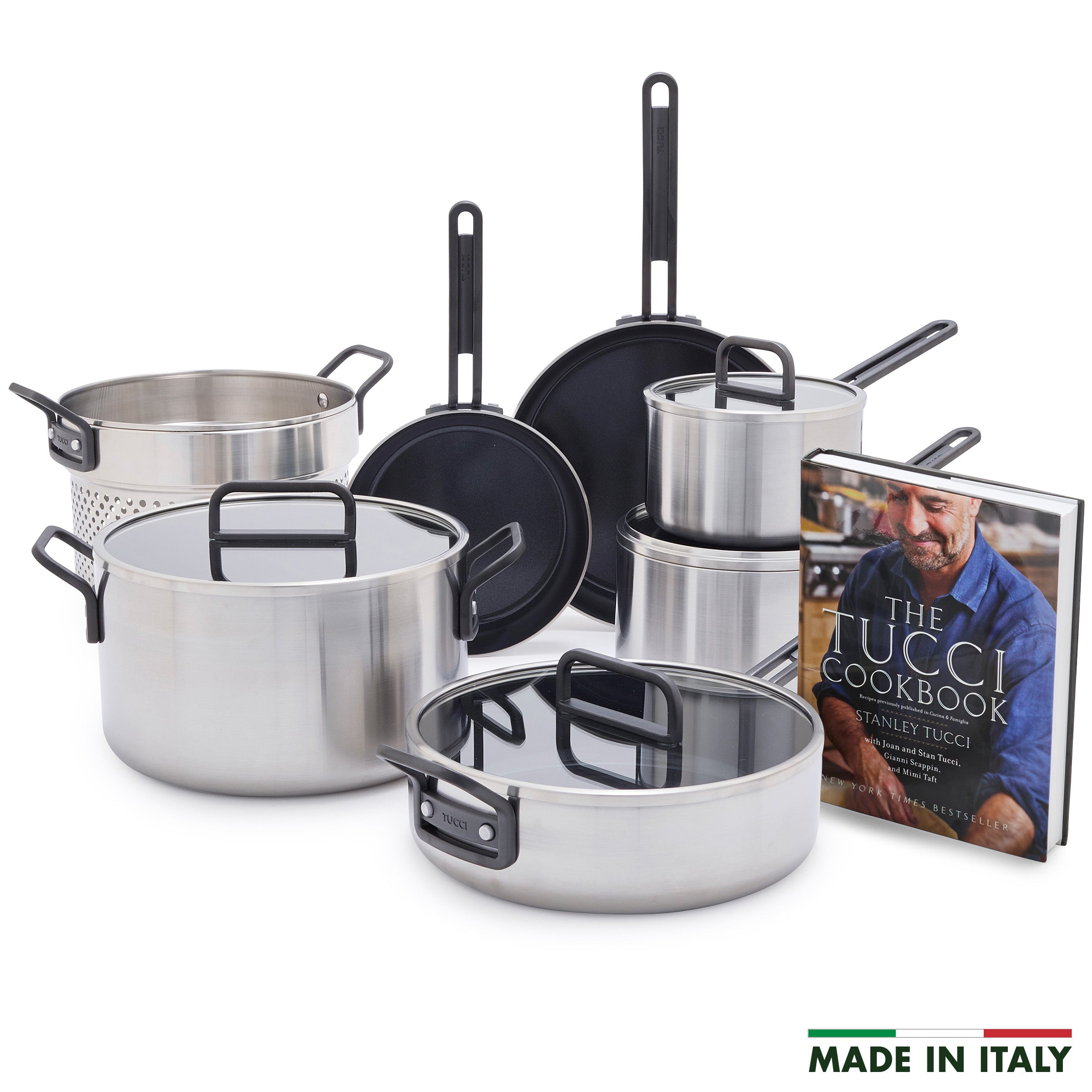
Credit: www.greenpan.us
Frequently Asked Questions
Where Is Greenpan Cookware Manufactured?
GreenPan cookware is primarily made in China and Belgium. Their factories meet strict quality and environmental standards. This ensures durable, eco-friendly non-stick cookware for global customers.
Are Greenpan Products Made With Eco-friendly Materials?
Yes, GreenPan uses Thermolon ceramic non-stick coating. It is free of PFAS, PFOA, lead, and cadmium. This makes their cookware safe and environmentally friendly.
Is Greenpan Cookware Made In The Usa?
No, GreenPan cookware is not made in the USA. It is mainly produced in factories located in China and Belgium. The brand focuses on international quality standards.
Does Greenpan Manufacture Cookware In Belgium?
Yes, GreenPan produces some cookware lines in Belgium. This location ensures high-quality craftsmanship and strict safety regulations. Belgium is a key production hub for GreenPan.
Conclusion
GreenPan cookware is made mainly in Europe, especially Belgium. The company focuses on quality and safe materials. Their pans use ceramic non-stick coatings without harmful chemicals. This makes cooking healthier and easier. Many people trust GreenPan for durable kitchen tools.
Knowing where it is made helps buyers feel confident. Choose GreenPan if you want eco-friendly and reliable cookware. Simple, strong, and made with care. A smart choice for everyday cooking.

Hello, This is Annie Walker, a 38-year-old blogger, founder, and editor of Cookware Guider from NY, USA. I am a cookware fanatic and passionate cooker. I love to cook with different types of cooking appliances (example: all types of cookware, rice cookers, slow cookers, etc) almost every day in my kitchen. I love to share my experience with my readers in my blog. Also, I enjoy helping people to solve their problems through my website. You can follow me on Twitter & Pinterest. To know details about my blog please check the about us page.