
If you’ve ever cooked with Lodge cast iron cookware, you might wonder where it’s made and why it’s so trusted by home chefs everywhere. Knowing the origin of your cookware can help you appreciate its quality and durability even more.
You’ll discover exactly where Lodge cast iron is made and what makes it stand out from the rest. Keep reading to find out why this brand has earned a special place in kitchens around the world—and why it might be the perfect choice for your next meal.
Lodge Cast Iron History
Lodge Cast Iron cookware is a popular brand known for its durability and excellent cooking performance. The story of Lodge begins in the early 1900s and reflects a rich tradition of American craftsmanship. This history explains where Lodge cast iron cookware is made and how it became a trusted name in kitchens worldwide.
Founding And Early Years
Lodge Manufacturing Company was founded in 1896 by Joseph Lodge in South Pittsburg, Tennessee. The company started as a small operation making cast iron products using traditional methods. Joseph Lodge focused on quality and durability, which helped the brand stand out from competitors.
Key facts about Lodge’s early years include:
- The use of locally sourced iron ore and natural materials.
- Hand-casting each piece to ensure strength and reliability.
- Supplying cookware primarily to local communities and small stores.
- Building a reputation for long-lasting, affordable cast iron pans.
During this time, Lodge pioneered techniques that improved the seasoning and surface finish of cast iron. This made cooking easier and food taste better. The company’s commitment to quality helped it survive tough economic times, including the Great Depression.
Growth And Expansion
From the mid-20th century, Lodge expanded its production and market reach. The company modernized its foundry but kept many traditional casting methods. This balance allowed Lodge to increase output without losing quality.
Growth highlights include:
- Introduction of pre-seasoned cookware in the 2000s, making it easier to use right away.
- Expansion of product lines to include skillets, Dutch ovens, griddles, and more.
- Investment in new technologies for better heat distribution and durability.
- Growth of global sales while maintaining production in Tennessee, USA.
| Year | Milestone | Impact |
|---|---|---|
| 1896 | Company founded | Start of American cast iron manufacturing |
| 2002 | Launch of pre-seasoned cookware | Cookware ready to use without extra prep |
| 2010s | Expansion of product variety | More options for different cooking needs |
| Today | Still made in Tennessee | Supports local jobs and American manufacturing |
Lodge continues to focus on quality and tradition. Its cast iron cookware remains made in the USA, supporting local workers. The brand’s history shows a blend of heritage and innovation that keeps it popular among home cooks.

Credit: www.youtube.com
Manufacturing Location
Lodge Cast Iron Cookware is known for its durability and quality. Many people ask about its manufacturing location. The company proudly makes its cast iron products in the United States. Understanding where and how these items are made adds trust and value to the brand. The manufacturing location shows Lodge’s commitment to quality and local craftsmanship. This section explains the manufacturing location of Lodge cast iron cookware in detail.
Primary Production Site
The main production site for Lodge Cast Iron Cookware is in South Pittsburg, Tennessee. This location has been the heart of Lodge’s manufacturing since the company started in 1896. The site covers a large area and handles every step of making cast iron cookware.
Key features of the primary production site include:
- Foundry operations: Melting and pouring molten iron into molds.
- Machining areas: Finishing surfaces and shaping the cookware.
- Seasoning process: Prepping the cookware with oil for a non-stick finish.
- Quality control: Checking every piece to meet standards.
The location employs hundreds of skilled workers. It uses a mix of modern machines and traditional methods. This balance helps Lodge keep its cast iron strong and long-lasting. Below is a simple table showing the main stages at the primary site:
| Stage | Description |
|---|---|
| Melting | Iron is melted in large furnaces. |
| Casting | Molten iron is poured into sand molds. |
| Machining | Cookware is shaped and smoothed. |
| Seasoning | Cookware is coated with oil for non-stick. |
| Inspection | Quality checks ensure product standards. |
Factory Facilities
The factory facilities at Lodge’s South Pittsburg site are well-equipped. They combine traditional craftsmanship with modern technology. This mix ensures strong, reliable cast iron cookware.
The factory includes:
- Foundry: Huge furnaces melt iron at very high temperatures.
- Sand molding area: Workers create molds from sand to shape the cookware.
- Machine shop: Precision machines smooth and finish the cast iron pieces.
- Seasoning line: Automated and manual stations apply layers of oil.
- Packaging section: Finished products are packed for shipping.
Each facility has specific roles, but they work together closely. This setup keeps production efficient and consistent. Lodge also prioritizes worker safety and environmental care. The factory uses recycling systems to reduce waste and conserve resources.
Overall, Lodge’s factory facilities support high-quality manufacturing. They keep the brand’s promise of durable, American-made cast iron cookware.
Production Process
Lodge cast iron cookware is proudly made in the United States. Its production process combines traditional methods with modern technology. Each piece undergoes careful steps to ensure durability and performance. Understanding the production process reveals the craftsmanship behind every pan and skillet. From raw material to finished product, Lodge focuses on quality and precision. This section breaks down the key stages: material sourcing, casting and finishing, and quality control.
Material Sourcing
The journey of Lodge cookware begins with selecting the right materials. The company uses high-quality raw iron to create strong, durable cookware. The iron must meet strict standards for purity and composition. This ensures the final product heats evenly and lasts long.
Materials include:
- Raw pig iron: The base metal used for melting and casting.
- Recycled iron: Lodge uses recycled scrap iron to reduce waste.
- Sand: Special sand creates molds for casting the cookware’s shape.
Lodge sources most materials from within the United States. This local sourcing reduces transportation time and supports American industries. The sand used for molds is specially prepared to capture fine details of the cookware design.
| Material | Purpose | Source |
|---|---|---|
| Raw Pig Iron | Base metal for cookware | US suppliers |
| Recycled Iron | Environmental sustainability | Domestic recycling centers |
| Sand | Mold creation | Local sand mines |
Casting And Finishing
Lodge uses traditional sand casting to shape its cookware. The molten iron is poured into sand molds, which form the pan’s shape and texture. This method allows for thick, even walls that hold heat well.
The casting process steps:
- Prepare sand molds with detailed patterns.
- Heat pig iron until molten (about 2,700°F).
- Pour molten iron into molds carefully.
- Cool molds to solidify the iron.
- Remove cast pieces from molds.
After casting, the pieces go through finishing. This includes:
- Grinding and smoothing: Remove rough edges and sand marks.
- Seasoning: Apply a layer of vegetable oil and bake to create a natural non-stick surface.
- Inspection: Check shape and surface quality.
This combination of casting and finishing creates cookware that is sturdy and ready for kitchen use.
Quality Control
Lodge applies strict quality control to every piece of cookware. This ensures customers get reliable products every time. Quality checks happen throughout production, from raw materials to final seasoning.
Key quality control steps include:
- Material testing: Check iron purity and composition.
- Dimensional checks: Confirm correct size and weight.
- Surface inspections: Look for cracks, pits, or imperfections.
- Seasoning tests: Verify even coating and non-stick performance.
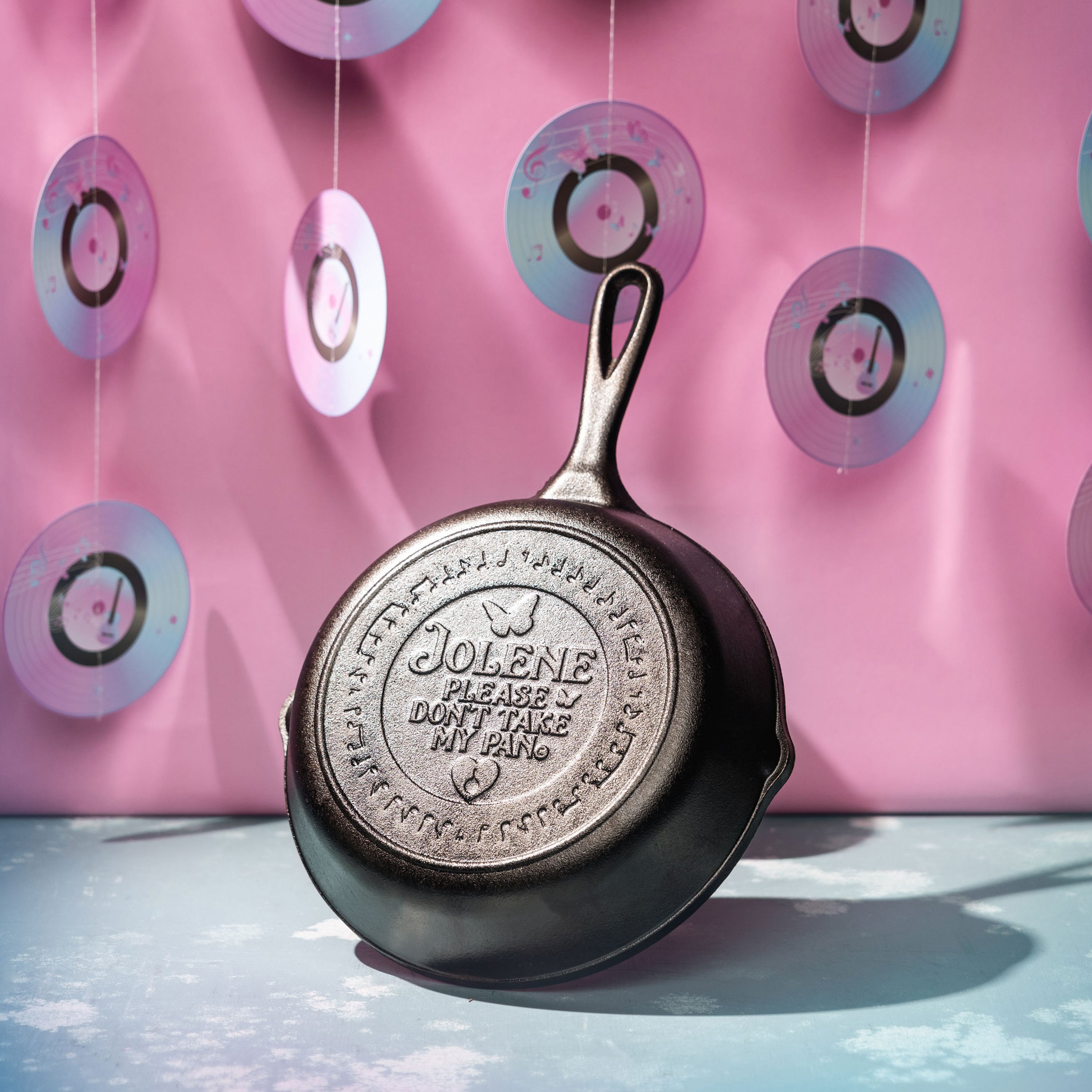
Any cookware that fails these checks gets reworked or recycled. Lodge also uses customer feedback to improve quality. This commitment to quality helps Lodge maintain its reputation for durable, long-lasting cast iron products.
Credit: www.lodgecastiron.com
Made In Usa Commitment
Lodge Cast Iron Cookware proudly carries the Made in USA Commitment. This promise means every piece is crafted in the United States, supporting local industry and ensuring high quality. The company values tradition and uses American workers, keeping jobs close to home. This commitment reflects in the durability and reliability of their cookware. Customers trust Lodge because the products are made with care and responsibility right here in the USA.
Local Employment Impact
Lodge’s dedication to American manufacturing creates many jobs in its community. The factory in South Pittsburg, Tennessee, employs hundreds of skilled workers. These jobs provide steady income and improve the local economy. The company hires people for various roles:
- Foundry workers
- Quality control inspectors
- Machine operators
- Assembly line staff
- Management and support roles
This workforce helps keep the manufacturing tradition alive. The company offers training programs to teach new skills and improve worker safety. Job stability in this area encourages families to stay and grow in the community. Lodge supports local suppliers too, buying materials and parts from nearby businesses. This creates a strong network of jobs beyond just the factory floor.
| Job Type | Number of Employees | Role Description |
|---|---|---|
| Foundry Workers | 150+ | Operate casting machines and pour iron |
| Quality Inspectors | 30+ | Check products for defects and standards |
| Assembly Staff | 100+ | Finish and package cookware |
Sustainability Practices
Lodge follows strong sustainability practices to protect the environment. The company works to reduce waste and energy use during production. Their factory uses modern equipment designed to lower emissions and save power. Lodge also recycles scrap iron and other materials to cut down on waste. This approach helps conserve natural resources and reduce landfill use.
Key sustainability efforts include:
- Using recycled materials in cast iron production
- Recovering heat from the foundry process
- Reducing water and energy consumption
- Maintaining clean air standards
Lodge encourages customers to use cast iron cookware for its long life and eco-friendliness. Cast iron lasts for decades, reducing the need for frequent replacement. Its ability to cook food evenly saves energy on stovetops and ovens. The company also supports community programs focused on environmental education and clean energy.
| Practice | Benefit |
|---|---|
| Recycling Scrap Iron | Less waste, saves raw materials |
| Energy Recovery Systems | Lower energy use, reduced emissions |
| Water Conservation | Protects local water supplies |
| Long-lasting Products | Less frequent replacement, less waste |
Global Distribution
Lodge Cast Iron cookware is proudly made in the USA, specifically in South Pittsburg, Tennessee. This heritage brand has been crafting durable cookware since 1896. Its quality and reliability have created a strong demand beyond the U.S. borders. Global distribution plays a key role in making Lodge products available worldwide. The company exports its cast iron cookware to many countries, meeting the needs of diverse cooking cultures. Understanding where Lodge cookware travels helps buyers find authentic products wherever they live.
Export Markets
Lodge Cast Iron cookware reaches numerous countries through a well-established export network. The brand targets regions with strong interest in durable and traditional cookware.
- North America: Canada and Mexico receive large shipments due to close trade ties.
- Europe: Popular in the UK, Germany, France, and Scandinavia for its vintage charm and quality.
- Asia: Japan, South Korea, and China show growing demand for cast iron products.
- Australia and New Zealand: Known for outdoor cooking, these markets appreciate Lodge’s rugged design.
Export success depends on several factors:
- Strong brand reputation for quality and durability.
- Competitive pricing compared to local alternatives.
- Effective partnerships with international distributors.
- Meeting local regulations and import standards.
| Region | Main Countries | Key Market Drivers |
|---|---|---|
| North America | Canada, Mexico | Proximity, strong US trade |
| Europe | UK, Germany, France | Culinary tradition, quality focus |
| Asia | Japan, South Korea, China | Growing interest in cast iron |
| Oceania | Australia, New Zealand | Outdoor cooking culture |
Each export market reflects different cooking habits and preferences. Lodge adapts its supply to meet these needs.
International Availability
Lodge Cast Iron cookware enjoys wide international availability thanks to several distribution channels. Retailers and online platforms both play important roles.
Major ways Lodge products reach customers worldwide include:
- Specialty kitchen stores: Many countries have shops dedicated to cookware, often stocking Lodge.
- Large retailers: Chains like Walmart and Target in some regions offer Lodge cookware.
- E-commerce: Online marketplaces such as Amazon, eBay, and local equivalents provide easy access.
- Official distributors: Lodge partners with authorized distributors in several countries to ensure genuine products.
Availability varies by region. Some countries may have limited product lines or sizes. Shipping times and costs also differ.
Tips for finding Lodge cookware internationally:
- Check official Lodge websites or contact customer service for local sellers.
- Look for authorized dealers to avoid counterfeit products.
- Compare prices across online platforms to find the best deal.
- Consider shipping fees and import taxes before purchasing.
This global presence helps Lodge maintain its reputation as a trusted, accessible brand. Buyers worldwide enjoy cast iron cookware made with American craftsmanship.

Credit: www.lodgecastiron.com
Frequently Asked Questions
Where Is Lodge Cast Iron Cookware Manufactured?
Lodge Cast Iron Cookware is proudly made in the USA. The company’s factory is located in South Pittsburg, Tennessee. This ensures high quality and supports American manufacturing jobs. Lodge maintains strict quality control and craftsmanship in every piece produced there.
Is Lodge Cookware Made In The Usa Or Overseas?
Lodge cookware is entirely made in the USA. Unlike many brands outsourcing production, Lodge keeps manufacturing domestic. This commitment guarantees consistent quality and supports local workers. Their American-made status appeals to customers valuing homegrown products.
Why Choose Lodge Cast Iron Made In The Usa?
Choosing Lodge means supporting American jobs and quality standards. Their USA-made cast iron is durable, reliable, and eco-friendly. Domestic production reduces shipping emissions and ensures ethical labor practices. Lodge’s reputation for excellence stems from its Tennessee manufacturing base.
Does Lodge Produce All Cookware Types In The Usa?
Yes, Lodge manufactures all their cast iron cookware in the USA. This includes skillets, Dutch ovens, griddles, and more. Every product undergoes strict quality checks at the Tennessee facility. This guarantees authenticity and long-lasting performance for users.
Conclusion
Lodge cast iron cookware is proudly made in the USA. This ensures strong quality and long-lasting use. Each piece is carefully crafted by skilled workers. Many cooks trust Lodge for their kitchen needs. The cookware heats evenly and holds heat well.
It suits many cooking styles and recipes. Knowing where it’s made helps you choose wisely. Lodge combines tradition with reliable performance every day. A smart choice for those who value durability. Simple, sturdy, and made close to home.

Hello, This is Annie Walker, a 38-year-old blogger, founder, and editor of Cookware Guider from NY, USA. I am a cookware fanatic and passionate cooker. I love to cook with different types of cooking appliances (example: all types of cookware, rice cookers, slow cookers, etc) almost every day in my kitchen. I love to share my experience with my readers in my blog. Also, I enjoy helping people to solve their problems through my website. You can follow me on Twitter & Pinterest. To know details about my blog please check the about us page.