
Are you curious about where your Ninja cookware comes from? Knowing the origin of the products you use every day can give you peace of mind about their quality and safety.
If you want to make sure your kitchen tools are made with care and reliable materials, understanding where Ninja cookware is made is a great place to start. Keep reading to discover the story behind your favorite cooking gear and why it matters for your cooking experience.

Credit: www.sharkninja.com
Ninja Cookware Origins
Ninja cookware origins trace back to a brand known for quality and innovation in kitchen tools. This brand focuses on making cooking easier and faster. The cookware blends modern design with practical use. Understanding where Ninja cookware is made helps buyers trust the product’s quality and durability.
Ninja Cookware Manufacturing Locations
Ninja cookware is mainly made in China. The factories follow strict quality control rules. This ensures each piece meets safety and performance standards. The brand partners with manufacturers who use advanced technology and materials.
Some parts or components may come from other countries. But the assembly usually happens in China. This helps keep prices affordable while maintaining good quality.
Materials Used In Ninja Cookware
- Aluminum: Lightweight and good heat conductor.
- Stainless Steel: Durable and resistant to rust.
- Non-stick Coatings: Easy cooking and cleaning.
- Silicone Handles: Heat resistant and comfortable to hold.
These materials come from trusted suppliers worldwide. The combination offers long-lasting and safe cookware.
Quality Control And Standards
- Raw materials undergo strict testing before use.
- Assembly lines follow detailed manufacturing processes.
- Finished products pass safety and durability tests.
- Regular audits ensure consistent quality over time.
Quality control plays a key role in Ninja cookware’s reputation. The company aims to deliver reliable products for everyday cooking.
Manufacturing Locations
Ninja cookware is known for its quality and durability. Many people wonder about the places where these products are made. Understanding the manufacturing locations helps buyers trust the brand. Ninja cookware is produced in several factories worldwide. This spread ensures good quality and timely delivery. The company uses advanced methods and skilled workers. These factors maintain the high standards Ninja customers expect.
Primary Production Sites
The main factories for Ninja cookware are located in Asia. These sites focus on key production steps like molding, assembly, and quality checks. The biggest production site is in China, where most parts are made and put together. This factory uses modern machines and follows strict safety rules. It helps produce large quantities while keeping costs low.
Other important production areas include:
- Vietnam: Handles parts assembly and packaging.
- Thailand: Focuses on non-stick coating and finishing touches.
Each location plays a specific role. This teamwork helps Ninja keep its products consistent and affordable.
| Location | Main Role | Special Features |
|---|---|---|
| China | Parts manufacturing and assembly | High-tech machinery, large-scale production |
| Vietnam | Assembly and packaging | Skilled labor, quality control |
| Thailand | Coating and finishing | Advanced coating technology, safety standards |
Global Factory Presence
Ninja cookware factories exist beyond Asia. The brand has expanded to serve global markets better. This spread reduces shipping times and costs. It also helps Ninja respond quickly to local market needs. Some factories focus on research and development. They design new features and improve existing products.
Key points about Ninja’s global presence:
- United States: Focuses on product testing and customer feedback integration.
- Mexico: Supports North American distribution and limited production.
- Europe: Several small factories handle packaging and distribution.
Having factories worldwide helps Ninja keep its supply chain smooth. It also allows quicker launches of new cookware lines. Customers get fresh designs and improved durability faster than many competitors.
Materials And Quality
Ninja cookware is known for its durability and performance. The quality of materials used plays a big role in this reputation. The brand uses strong metals and safe nonstick coatings to ensure cookware lasts long and cooks evenly. Understanding these materials helps explain why Ninja products are popular in kitchens worldwide.
Metal Components
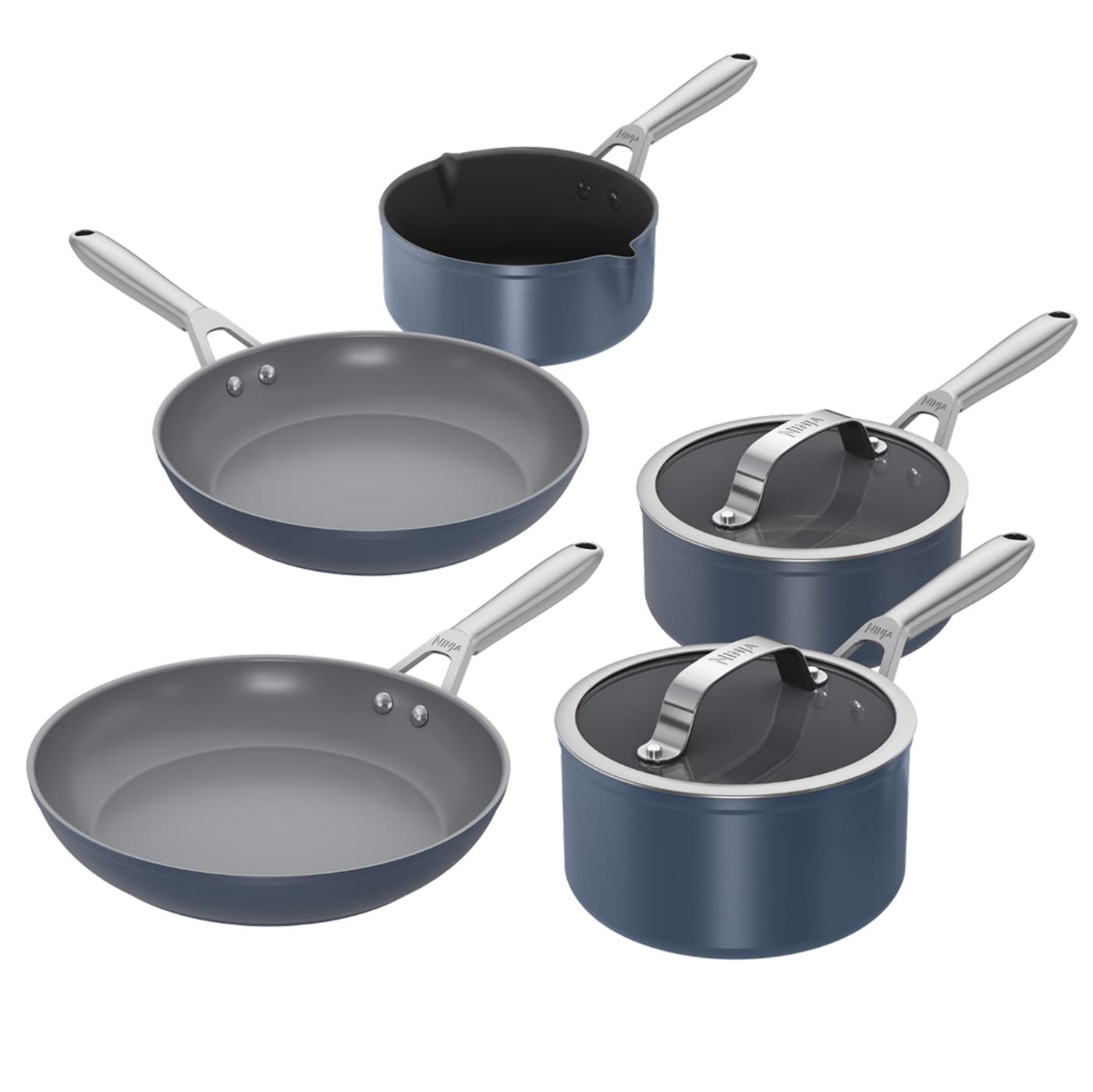
Ninja cookware mainly uses stainless steel and aluminum in its metal parts. These metals provide a solid base for cooking and heat distribution.
- Stainless Steel: Known for its resistance to rust and corrosion. It keeps the cookware looking new for years.
- Aluminum: Lightweight and excellent at spreading heat quickly and evenly. This metal helps avoid hot spots during cooking.
The bottom of many Ninja pans often features a layered metal design. This layering improves heat conduction and makes the pans more stable on stovetops.
| Metal Type | Key Benefit | Use in Ninja Cookware |
|---|---|---|
| Stainless Steel | Durability and rust resistance | Outer body and cooking surface |
| Aluminum | Lightweight and even heating | Core layers and heat diffuser |
Ninja also uses metal handles that stay cool during cooking. This feature adds safety and comfort when handling hot pans. The quality of these metal parts shows Ninja’s focus on making cookware that performs well and lasts.
Nonstick Coatings
Ninja cookware uses advanced nonstick coatings designed for easy food release and fast cleaning. These coatings are free from harmful chemicals like PFOA, making them safer for everyday use.
There are two main types of nonstick surfaces found in Ninja cookware:
- Ceramic-based coatings: Made from natural materials, they resist scratches and handle higher cooking temperatures.
- PTFE-based coatings: Known for their smooth surface, they prevent food from sticking and require less oil for cooking.
Both coatings allow for healthier cooking with less fat. They also help maintain the cookware’s appearance and performance over time.
| Nonstick Type | Benefits | Care Tips |
|---|---|---|
| Ceramic | Scratch resistance, high heat tolerance | Use wooden or silicone utensils |
| PTFE | Excellent food release, easy cleaning | Avoid metal utensils and high heat |
Proper care extends the life of these coatings. Using gentle cleaning tools and avoiding overheating are key. Ninja’s attention to coating quality supports its goal of providing cookware that is both safe and easy to use.
Credit: ninjakitchen.co.uk
Quality Control Measures
Quality control measures play a vital role in the manufacturing of Ninja cookware. These steps ensure every product meets high standards for safety, durability, and performance. Strict inspections happen throughout the production process to catch defects early. This focus on quality helps Ninja maintain its strong reputation in kitchens worldwide.
Manufacturing Standards And Certifications
Ninja cookware is produced following strict international manufacturing standards. Factories use certified processes that meet safety and quality rules. Common certifications include:
- ISO 9001 for quality management
- FDA approval for food safety
- LFGB certification for materials safe to use with food
These certifications confirm Ninja cookware is tested and safe for everyday use.
Inspection Procedures During Production
Each step of production involves detailed inspection procedures. Workers and machines check for flaws like cracks, uneven coating, or faulty handles. Typical inspection points include:
- Raw material quality testing
- Coating thickness measurement
- Heat resistance and durability tests
- Final product appearance review
These checks reduce the risk of defective products reaching customers.
Testing For Performance And Safety
Ninja cookware undergoes performance and safety testing before packaging. Tests simulate real kitchen use to ensure cookware can handle heat and regular cleaning. Common tests cover:
| Test Type | Purpose | Example |
|---|---|---|
| Heat Resistance | Check cookware withstands high temperatures | Heating pans at max stove settings |
| Non-Stick Coating Durability | Ensure coating lasts through use and cleaning | Scratching and washing cycles |
| Handle Strength | Prevent handle breakage during use | Applying pressure and impact tests |
Continuous Improvement And Feedback
Ninja collects feedback from users and retailers to improve quality constantly. This feedback helps identify problems and find solutions faster. Regular product reviews lead to updates in design and materials. The goal remains clear: deliver cookware that lasts and performs well.
Impact Of Manufacturing On Price
Manufacturing location and methods directly affect Ninja cookware prices. The cost varies based on where the products are made and how they are produced. Different countries have different labor costs, material costs, and quality standards. These factors shape the final price customers pay.
Manufacturing Countries And Labor Costs
Ninja cookware is mainly produced in countries with lower labor costs. This helps keep the price competitive. Countries like China and Vietnam are common manufacturing sites.
- Lower wages mean cheaper production.
- These savings often pass to buyers as lower prices.
- Quality control remains essential despite low costs.
Material Quality And Price Impact
The materials used in Ninja cookware influence the price significantly. High-quality metals and non-stick coatings cost more. This raises the product price but improves durability.
| Material | Price Impact | Benefits |
|---|---|---|
| Aluminum | Lower | Lightweight, good heat conduction |
| Stainless Steel | Higher | Durable, rust-resistant |
| Non-stick Coating | Moderate | Easy cleaning, healthier cooking |
Manufacturing Technology And Efficiency
Advanced manufacturing technology lowers costs by reducing waste and time. Efficient production lines produce more units faster. This efficiency helps keep Ninja cookware prices reasonable.
- Automation reduces manual labor needs.
- Precision tools improve product consistency.
- Faster production meets higher demand.
Quality Control And Price Balance
Strict quality control raises production costs but ensures product reliability. Ninja balances price and quality by monitoring every production step carefully.
- Random product testing during manufacturing.
- Repairs or rejects faulty items early.
- Maintains brand reputation and customer trust.
Comparison With Competitors
Ninja cookware is well-known for its quality and design. Many people wonder how it compares to other brands. This section looks at Ninja cookware’s manufacturing and compares it with competitors. The goal is to help you understand what makes Ninja different or similar.
Ninja cookware is mainly made in China. The brand works with factories that meet strict quality standards. Many other popular cookware brands also manufacture in China or nearby countries like Vietnam and Thailand.
Here is a quick look at where some top brands make their cookware:
| Brand | Primary Manufacturing Country |
|---|---|
| Ninja | China |
| T-fal | China, France |
| Cuisinart | China |
| Calphalon | USA, China |
| All-Clad | USA |
Quality And Durability
Ninja cookware offers good quality for its price. The materials are strong and the coatings resist scratches well. Some brands focus on premium materials, like All-Clad, which uses stainless steel made in the USA.
- Ninja: Durable non-stick coatings, aluminum bodies.
- T-fal: Hard-anodized aluminum, patented non-stick.
- All-Clad: Stainless steel, dishwasher safe.
- Calphalon: Hard-anodized aluminum, oven safe.
Ninja balances durability with affordability. Competitors may offer longer-lasting products but often at higher prices.
Price Comparison
Pricing plays a big role in choosing cookware. Ninja is usually priced in the mid-range. Brands like All-Clad are more expensive due to premium materials and US manufacturing.
| Brand | Price Range (Typical Set) |
|---|---|
| Ninja | $100 – $200 |
| T-fal | $80 – $150 |
| Calphalon | $150 – $300 |
| All-Clad | $300 – $600+ |
Design And Features
Ninja cookware often includes smart features like ergonomic handles and easy-to-clean surfaces. Other brands offer similar or unique features:
- Ninja: Non-stick, dishwasher safe, modern look.
- T-fal: Thermo-spot heat indicator, non-stick.
- Calphalon: Hard-anodized, oven safe.
- All-Clad: Multi-ply construction, polished finish.
Ninja focuses on usability and convenience. Competitors may emphasize premium finishes or specialized cooking benefits.

Credit: www.cart2india.com
Frequently Asked Questions
Where Is Ninja Cookware Manufactured?
Ninja Cookware is primarily made in China. The company partners with trusted factories to ensure quality and safety standards. Manufacturing overseas helps balance cost and product innovation while maintaining durability and performance.
Is Ninja Cookware Made In The Usa?
No, Ninja Cookware is not made in the USA. It is designed by the parent company SharkNinja, but production mainly takes place in China to optimize manufacturing costs and quality control.
What Materials Are Used In Ninja Cookware?
Ninja Cookware uses high-quality materials like hard-anodized aluminum and nonstick coatings. These materials ensure even heat distribution, durability, and easy cleaning, enhancing the cooking experience for users.
Are Ninja Cookware Products Safe To Use?
Yes, Ninja Cookware products are safe to use. They meet international safety standards and use PFOA-free nonstick coatings, ensuring food safety and reducing harmful chemical exposure during cooking.
Conclusion
Ninja cookware is made with care and quality in different countries. The main factories are in China and Vietnam. These places have skilled workers and good materials. This helps Ninja keep prices fair and products strong. Many people trust Ninja for cooking at home.
Knowing where it comes from can help you decide. Choose the cookware that fits your kitchen needs well. Simple, reliable, and made with attention to detail. Ninja stays popular because it offers good value. Your meals can taste better with the right tools.

Hello, This is Annie Walker, a 38-year-old blogger, founder, and editor of Cookware Guider from NY, USA. I am a cookware fanatic and passionate cooker. I love to cook with different types of cooking appliances (example: all types of cookware, rice cookers, slow cookers, etc) almost every day in my kitchen. I love to share my experience with my readers in my blog. Also, I enjoy helping people to solve their problems through my website. You can follow me on Twitter & Pinterest. To know details about my blog please check the about us page.