
Choosing the right cookware can change the way you cook—and enjoy your meals. You might be wondering: which cookware is best for your kitchen—stainless steel or nonstick?
Both have their fans, but which one truly fits your needs? This article will help you understand the key differences, benefits, and drawbacks of each type. By the end, you’ll feel confident about picking the perfect cookware that matches your cooking style and makes your life easier.
Keep reading to discover what suits you best!
Stainless Steel Benefits
Choosing the right cookware can change how you cook and enjoy meals. Stainless steel cookware stands out for many reasons. It offers strong benefits that suit everyday cooking. This section highlights why stainless steel is a favorite choice for many kitchens. Its benefits include lasting durability, good heat control, and easy cleaning. These features help cooks get the best results in their dishes.
Durability And Longevity
Stainless steel cookware is known for its long-lasting strength. It can handle heavy use without damage. The metal resists dents, scratches, and warping. This makes it ideal for busy kitchens.
- Scratch-resistant surface: Stainless steel does not scratch easily, keeping its look over time.
- Rust and corrosion-resistant: It does not rust, even after years of use.
- Impact resistance: It withstands drops or knocks better than many other materials.
Many stainless steel pans come with a thick base or layers, increasing their strength. This design stops warping and keeps the pan flat on the stove. Users can expect their pans to last for many years, even decades, with proper care.
| Feature | Benefit |
|---|---|
| High-Quality Steel | Resists rust and damage |
| Thick Base | Prevents warping and improves stability |
| Heavy Construction | Durable, long-lasting cookware |
Heat Distribution
Good heat distribution is vital for even cooking. Stainless steel cookware often has layers of metal at the base. These layers spread heat quickly and evenly across the surface.
This helps avoid hot spots that burn food or cold spots that leave food undercooked. Many pans use an aluminum or copper core inside stainless steel to improve heat flow.
- Even heating: Food cooks uniformly without burning.
- Better control: Temperature changes respond quickly when adjusting the heat.
- Energy efficient: Less heat escapes, saving energy during cooking.
Stainless steel pans work well on various heat sources, including gas, electric, and induction stoves. The metal surface also handles high heat without damage, ideal for searing and browning.
| Cookware Feature | Effect on Heat |
|---|---|
| Multi-layer Base | Distributes heat evenly |
| Aluminum/Copper Core | Improves heat conduction |
| Stainless Steel Surface | Handles high temperatures well |
Maintenance And Cleaning
Stainless steel cookware is easy to clean and maintain. It does not require special care like some other types of pans. You can clean it with regular dish soap and warm water.
Sometimes food sticks to the surface, but it can be removed with simple methods:
- Soak the pan in warm, soapy water for a few minutes.
- Use a non-abrasive sponge or cloth to scrub gently.
- For tough stains, make a paste with baking soda and water, then scrub.
Stainless steel does not chip or peel, unlike nonstick coatings. This means it stays safe to use even after many washes. It also can go in the dishwasher, though hand washing is best to keep the shine.
- Use mild detergents and avoid steel wool pads.
- Dry immediately after washing to prevent water spots.
- Polish with a stainless steel cleaner for extra shine.
:max_bytes(150000):strip_icc()/faw-primary-nonstick-cookware-wdickey-1093-1-758b71681dc549349983b582a0a4b5eb.jpeg)
Credit: www.foodandwine.com
Nonstick Advantages
Choosing the right cookware affects cooking results and kitchen experience. Nonstick cookware offers several advantages that make it a popular choice for many home cooks. Its unique coating prevents food from sticking, saving time and effort. This section explores the main benefits of nonstick cookware, focusing on ease of cooking, cleaning convenience, and health considerations.
Ease Of Cooking
Nonstick cookware simplifies cooking by allowing food to release easily from the surface. This feature helps in cooking delicate foods like eggs and fish without breaking them. It also requires less oil or butter, making meals lighter and healthier.
- Less Oil Needed: The nonstick surface reduces the need for fats, helping you cook with less oil.
- Even Cooking: Many nonstick pans distribute heat evenly, preventing hot spots.
- Better for Beginners: Nonstick pans are forgiving for those new to cooking.
Here is a quick comparison of cooking experience:
| Feature | Nonstick Cookware | Stainless Steel Cookware |
|---|---|---|
| Food Release | Excellent | Requires oil or butter |
| Oil Usage | Minimal | Moderate to high |
| Ideal For | Eggs, pancakes, fish | Meats, searing, browning |
Cleaning Convenience
Nonstick cookware offers significant cleaning ease. Food residue rarely sticks, which cuts down scrubbing time and effort. This feature is especially useful after cooking sticky or cheesy dishes.
- Quick Cleanup: Usually, a warm soapy sponge is enough to clean the pan.
- Less Scrubbing: Nonstick surfaces avoid tough stains and burnt food spots.
- Dishwasher Friendly: Many nonstick pans are safe for dishwashers, saving manual work.
Cleaning effort comparison:
| Cleaning Aspect | Nonstick Cookware | Stainless Steel Cookware |
|---|---|---|
| Stuck Food | Rare | Common |
| Scrubbing Needed | Minimal | Moderate to heavy |
| Dishwasher Safe | Often yes | Yes, but may dull shine |
Health Considerations
Nonstick cookware reduces the need for added fats. This helps control calorie intake and supports a healthier diet. Many modern nonstick pans use safer coatings free from harmful chemicals.
- Less Oil Means Fewer Calories: Cooking with little or no oil lowers fat intake.
- Safe Coatings: New nonstick surfaces avoid substances like PFOA.
- Lower Smoke Point: Avoid overheating to maintain healthy cooking and prevent toxic fumes.
Follow these tips for safe nonstick use:
- Cook on low to medium heat.
- Use wooden or silicone utensils.
- Avoid using abrasive cleaners or metal scrubbers.
Performance Comparison
Choosing between stainless steel and nonstick cookware depends greatly on how they perform in everyday cooking. Performance comparison helps identify which type suits specific kitchen needs. Understanding their strengths and limits in cooking techniques, heat control, and food release clarifies the best option for different meals. This section breaks down these key factors.
Cooking Techniques Suitability
Stainless steel and nonstick pans work best for different cooking methods. Stainless steel excels with high-heat cooking and techniques that require browning or searing. Nonstick pans suit delicate foods and low-fat cooking.
- Stainless Steel: Ideal for frying, sautéing, searing, and deglazing. It handles vigorous stirring and high temperatures.
- Nonstick: Best for eggs, pancakes, and foods that stick easily. Works well with gentle stirring and low to medium heat.
Here is a quick overview:
| Technique | Stainless Steel | Nonstick |
|---|---|---|
| Searing | Excellent | Poor (low heat recommended) |
| Frying | Good | Excellent for delicate foods |
| Sautéing | Great | Good at low heat |
| Simmering | Good | Good |
| Baking (oven use) | Safe (if ovenproof) | Depends on coating (check manufacturer) |
Heat Retention And Control
Heat retention affects cooking speed and how evenly food cooks. Stainless steel pans usually have an aluminum or copper core. This core helps spread heat quickly and evenly. Nonstick pans often have thinner metal bases.
Stainless steel offers precise temperature control. It can withstand very high heat without damage. Nonstick coatings break down at extreme heat, so cooking at low to medium heat is best.
- Stainless Steel: Holds heat longer, good for slow cooking and browning.
- Nonstick: Cools faster, best for quick, gentle cooking.
| Feature | Stainless Steel | Nonstick |
|---|---|---|
| Heat Distribution | Even and consistent | Good but varies by base thickness |
| Heat Tolerance | Very high (up to 500°F or more) | Low to medium (usually max 400°F) |
| Heat Retention | High | Moderate |
Food Release And Browning
Food release means how easily food comes off the pan. Browning adds flavor and texture to many dishes. Stainless steel pans do not have a nonstick surface but allow browning well.
Nonstick pans prevent food from sticking but do not brown food as well. This affects taste and appearance.
- Stainless Steel: Food may stick if not used properly. Browns food beautifully, creating a crust and fond for sauces.
- Nonstick: Food releases easily, perfect for eggs and fish. Browning is less intense and slower.
Tips for best results:
- Heat stainless steel pans until hot before adding oil to reduce sticking.
- Use moderate heat on nonstick pans to protect the coating.
- To brown in nonstick pans, avoid overcrowding and dry food surfaces.
Safety And Health Factors
Choosing between stainless steel and nonstick cookware involves more than just cooking style and cleaning ease. Safety and health factors play a vital role in deciding which cookware suits your kitchen best. Understanding how these materials interact with food and heat helps protect your health and ensures safe meals every time.
Material Safety
Stainless steel cookware is made from an alloy of iron, chromium, and sometimes nickel. This material is known for its durability and resistance to rust. It does not react with acidic or alkaline foods, keeping your meals safe and pure in taste.
- Non-reactive surface means no metal leaching into food.
- Can handle high heat without damage.
- Long-lasting with proper care.
Nonstick cookware uses a coating, often made from polytetrafluoroethylene (PTFE), on metal pans. This coating prevents food from sticking and reduces the need for oil.
- Easy food release and cleaning.
- Lower fat cooking possible.
- Coating can wear off over time.
| Aspect | Stainless Steel | Nonstick |
|---|---|---|
| Durability | Very high; resists scratches and dents | Moderate; coating may chip or peel |
| Heat Tolerance | High; suitable for searing | Lower; avoid overheating to protect coating |
| Food Reactivity | Non-reactive with most foods | Non-reactive but coating may degrade |
Potential Chemical Concerns
Stainless steel generally has low risk of chemical release. Some grades contain nickel, which can leach slightly, especially with acidic foods. Most people tolerate this well.
Nonstick pans have raised concerns due to their coating chemicals:
- PTFE (Teflon) is safe below 500°F but breaks down at very high heat.
- Perfluorooctanoic acid (PFOA) was used in older nonstick coatings and is now mostly phased out due to health risks.
- Overheated nonstick pans can release fumes harmful to birds and sensitive individuals.
To reduce risks, follow these tips:
- Do not heat empty nonstick pans.
- Use medium or low heat.
- Replace pans once coating shows wear.
Allergen And Reactivity Issues
Some people may react to metals in stainless steel cookware. Nickel allergies are common and can cause skin or digestive irritation. Choosing nickel-free or low-nickel stainless steel helps reduce this risk.
Nonstick coatings rarely cause allergies but can cause problems if the coating chips:
- Ingesting flakes may irritate the digestive system.
- Scratched pans lose safety and nonstick benefits.
Individuals with chemical sensitivities may prefer stainless steel to avoid potential fumes from nonstick coatings. Always inspect cookware regularly for damage and clean it properly.
Cost And Value
The choice between stainless steel and nonstick cookware often depends on their cost and value. Both types have unique price points and benefits. Understanding their costs helps in making smart buying decisions. Value means more than just price. It includes how long the cookware lasts and how well it performs over time. This section breaks down the costs and value of stainless steel and nonstick cookware to help you decide which fits your budget and needs best.
Initial Investment
Stainless steel cookware usually requires a higher initial investment. It costs more due to the quality of materials and manufacturing. Brands often use thick metal layers for even heat. This makes the price rise. Nonstick cookware is generally cheaper at the start. The coating applied to the pans lowers production costs.
Here is a basic price comparison:
| Cookware Type | Price Range (per piece) | Common Materials |
|---|---|---|
| Stainless Steel | $40 – $150 | Stainless steel, aluminum core |
| Nonstick | $20 – $80 | Aluminum with nonstick coating |
- Stainless steel: Higher upfront cost but durable materials.
- Nonstick: Lower cost but may use less durable materials.
The choice depends on budget limits and cooking habits. Stainless steel appeals to those who want long-term investment. Nonstick suits those wanting an affordable option for light cooking.
Longevity Cost Efficiency
Longevity is a key factor in cost efficiency. Stainless steel pans can last decades. They resist scratches, dents, and warping. The surface does not wear out easily. This means fewer worries about replacing parts or pans.
Nonstick pans have a shorter life span. The coating breaks down over time. It can chip or peel, affecting cooking quality and safety. This means more frequent purchases, which adds up in cost.
Benefits of stainless steel longevity:
- Maintains cooking performance for years
- Can handle high heat and metal utensils
- Often dishwasher safe
Nonstick longevity drawbacks:
- Coating degrades after 2-5 years
- Requires gentle cleaning and care
- Not suitable for very high heat
Cost efficiency favors stainless steel over time. Despite the higher upfront price, the long use period lowers the cost per year. Nonstick is cheaper now but costs more with replacements.
Replacement Frequency
Replacement frequency affects overall value. Stainless steel pans rarely need replacement. They remain functional even with scratches or minor dents. Proper care can extend their life for 15 to 30 years. This means fewer purchases and less waste.
Nonstick pans often need replacement every 3 to 5 years. The nonstick coating wears out from daily use. Scratches or peeling make cooking harder and unsafe. Using metal utensils or abrasive cleaners shortens the life.
Tips to reduce replacement frequency:
- Stainless steel: Avoid overheating, clean with non-abrasive tools.
- Nonstick: Use wooden or silicone utensils, hand wash gently.
Here is a summary of typical replacement times:
| Cookware Type | Average Replacement Frequency | Factors Affecting Replacement |
|---|---|---|
| Stainless Steel | 15-30 years | Heavy use, physical damage |
| Nonstick | 3-5 years | Coating wear, scratches |
Fewer replacements make stainless steel a better value in the long run. Nonstick cookware may fit short-term needs but adds costs over time.
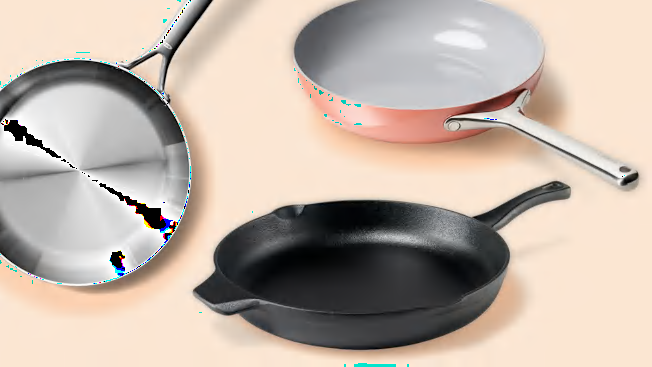
Credit: www.consumerreports.org
Environmental Impact
Choosing between stainless steel and nonstick cookware involves more than cooking performance. The environmental impact of these options plays a crucial role in making a responsible choice. From how they are made to what happens after their use, every stage affects the planet differently. Understanding these factors helps select cookware that supports a healthier environment.
Manufacturing Processes
The way stainless steel and nonstick pans are made affects their environmental footprint. Stainless steel is produced by mining and refining metals like iron, chromium, and nickel. This process uses a lot of energy and water and creates waste. The metal is then shaped into cookware through rolling, stamping, and welding.
Nonstick cookware usually starts with an aluminum base. Aluminum mining and refining are energy-intensive and can harm ecosystems. After shaping the base, a nonstick coating, often made from chemicals like PTFE (Teflon), is applied. The coating process uses less energy than stainless steel manufacturing but involves chemicals that might be harmful if not handled properly.
- Stainless steel manufacturing involves heavy metal extraction and high energy use.
- Nonstick cookware requires aluminum production and chemical coating application.
- Both processes produce emissions and waste materials needing careful management.
| Factor | Stainless Steel | Nonstick |
|---|---|---|
| Raw Materials | Iron, Chromium, Nickel | Aluminum, Chemical Coatings |
| Energy Use | High | Moderate |
| Pollution | Metal mining waste | Chemical emissions |
End Of Life Disposal
How cookware is disposed of matters for the environment. Stainless steel pans can last many years and are often recyclable. Recycling stainless steel saves energy and reduces mining needs. Some local recycling centers accept old pans, but it depends on facilities nearby.
Nonstick pans usually have a shorter life span because the coating can wear out. The coating may contain chemicals that make recycling difficult. Many recycling centers do not accept nonstick pans. Most of these pans end up in landfills, where they take a long time to break down.
- Stainless steel is durable and recyclable in many areas.
- Nonstick cookware often cannot be recycled because of chemical coatings.
- Proper disposal reduces waste and pollution risks.
| Disposal Method | Stainless Steel | Nonstick |
|---|---|---|
| Recyclability | High | Low |
| Landfill Impact | Lower due to recycling | Higher due to coating chemicals |
| Durability | Long-lasting | Shorter life span |
Sustainability Considerations
Sustainability means using resources wisely to protect the environment for the future. Stainless steel cookware scores well on this point because it lasts long and can be recycled. Its heavy weight can increase transportation emissions, but the long life reduces replacement needs.
Nonstick cookware offers convenience with easy cleaning and less oil use, saving energy during cooking. However, the coatings may release harmful substances when overheated and often cannot be recycled. Choosing pans with safer, more eco-friendly coatings is important.
Consumers can improve sustainability by:
- Buying high-quality pans that last longer.
- Recycling cookware properly when possible.
- Using cookware carefully to extend its life.
- Selecting products with fewer harmful chemicals.
Stainless steel may have a bigger initial impact but offers long-term sustainability. Nonstick pans have lower manufacturing energy but raise concerns about chemical use and disposal.
Choosing Based On Cooking Style
Choosing cookware depends greatly on your cooking style. Different pans suit different methods and ingredients. Stainless steel and nonstick cookware both have strengths and weaknesses. Understanding how you cook helps pick the best option. Some dishes need high heat, others require little oil. Some recipes demand flexibility in the kitchen. This section explores how cooking style guides your choice between stainless steel and nonstick pans.
High-heat Cooking Needs
Stainless steel cookware handles high heat very well. It can withstand temperatures that nonstick pans cannot. This makes stainless steel ideal for searing, browning, and frying at high temperatures. The metal surface heats evenly and creates a good crust on meats. It also works well for deglazing to make sauces.
Nonstick pans lose their coating if used on very high heat. This damage reduces their lifespan and cooking performance. Therefore, avoid high-heat cooking with nonstick pans.
| Feature | Stainless Steel | Nonstick |
|---|---|---|
| Heat Tolerance | Can handle very high heat | Best for low to medium heat |
| Best Use | Searing, browning, frying | Delicate foods, low-heat cooking |
| Durability at High Heat | Very durable | Coating may degrade |
Summary: Choose stainless steel for cooking methods that need very hot pans. Nonstick suits gentle cooking better.
Low-fat Cooking Preferences
Nonstick cookware is excellent for low-fat cooking. Its smooth surface prevents food from sticking without much oil or butter. This helps reduce added fats in meals. Nonstick pans are perfect for eggs, pancakes, and fish that need gentle handling.
Stainless steel usually requires more oil to prevent food from sticking. It may cause some foods to stick if the pan is not hot enough. This can make low-fat cooking harder with stainless steel.
- Nonstick pans allow cooking with very little or no oil.
- Easy food release means less fat is needed.
- Stainless steel needs more fat to create a natural non-stick effect.
- Nonstick pans clean up easily after low-fat cooking.
For those aiming to eat healthier with less fat, nonstick cookware is often the better choice. It supports cooking with minimal oil and keeps food intact.
Versatility And Recipe Types
Stainless steel offers great versatility in the kitchen. It works well for many cooking styles including sautéing, boiling, simmering, and roasting. It can go from stovetop to oven safely. This makes it useful for recipes that require multiple cooking steps.
Nonstick pans are more limited. They perform best on the stovetop for quick cooking. Most nonstick pans cannot handle high oven temperatures. Their coating also limits use with metal utensils.
| Aspect | Stainless Steel | Nonstick |
|---|---|---|
| Cooking Methods | Sauté, boil, fry, oven-safe | Fry, sauté, low-heat only |
| Utensil Use | Metal, wood, silicone safe | Best with silicone or wood |
| Recipe Flexibility | High, supports many dishes | Moderate, best for delicate foods |
Summary: Stainless steel fits diverse recipes and cooking methods. Nonstick suits simpler, gentle recipes.

Credit: www.360cookware.com
Frequently Asked Questions
Which Cookware Lasts Longer, Stainless Steel Or Nonstick?
Stainless steel cookware is more durable and resistant to scratches. Nonstick pans wear out faster due to coating degradation. For long-term use, stainless steel is the better choice.
Is Stainless Steel Or Nonstick Better For Healthy Cooking?
Stainless steel cookware doesn’t require oil for cooking, reducing fat intake. Nonstick pans need less oil but may release toxins if overheated. Stainless steel is generally safer for high-heat cooking.
Which Cookware Heats More Evenly, Stainless Steel Or Nonstick?
Stainless steel pans with aluminum or copper cores heat more evenly. Nonstick pans can have uneven heating due to thinner construction. For consistent heat, stainless steel is preferable.
Are Nonstick Pans Easier To Clean Than Stainless Steel?
Nonstick cookware is easier to clean because food doesn’t stick. Stainless steel may require scrubbing or soaking for stuck food. Nonstick pans save time in cleaning.
Conclusion
Choosing between stainless steel and nonstick depends on your cooking needs. Stainless steel lasts long and handles high heat well. Nonstick cookware makes cleaning easy and suits delicate foods. Both have pros and cons to consider. Think about what you cook most often.
Also, consider how much time you want to spend cleaning. Either choice can work if it fits your kitchen style. Cookware is a personal pick. Use what feels best for your cooking habits. Enjoy your time in the kitchen!

Hello, This is Annie Walker, a 38-year-old blogger, founder, and editor of Cookware Guider from NY, USA. I am a cookware fanatic and passionate cooker. I love to cook with different types of cooking appliances (example: all types of cookware, rice cookers, slow cookers, etc) almost every day in my kitchen. I love to share my experience with my readers in my blog. Also, I enjoy helping people to solve their problems through my website. You can follow me on Twitter & Pinterest. To know details about my blog please check the about us page.