
Choosing the right cookware can make a big difference in your health and the quality of your meals. But with so many options out there, it’s easy to feel overwhelmed.
You want something safe, durable, and easy to use—something that won’t release harmful chemicals into your food. What if you could find cookware that helps you cook delicious meals while protecting your well-being? Keep reading to discover which cookware materials are the healthiest for you and your family.
Your body—and your taste buds—will thank you.
Cookware Materials
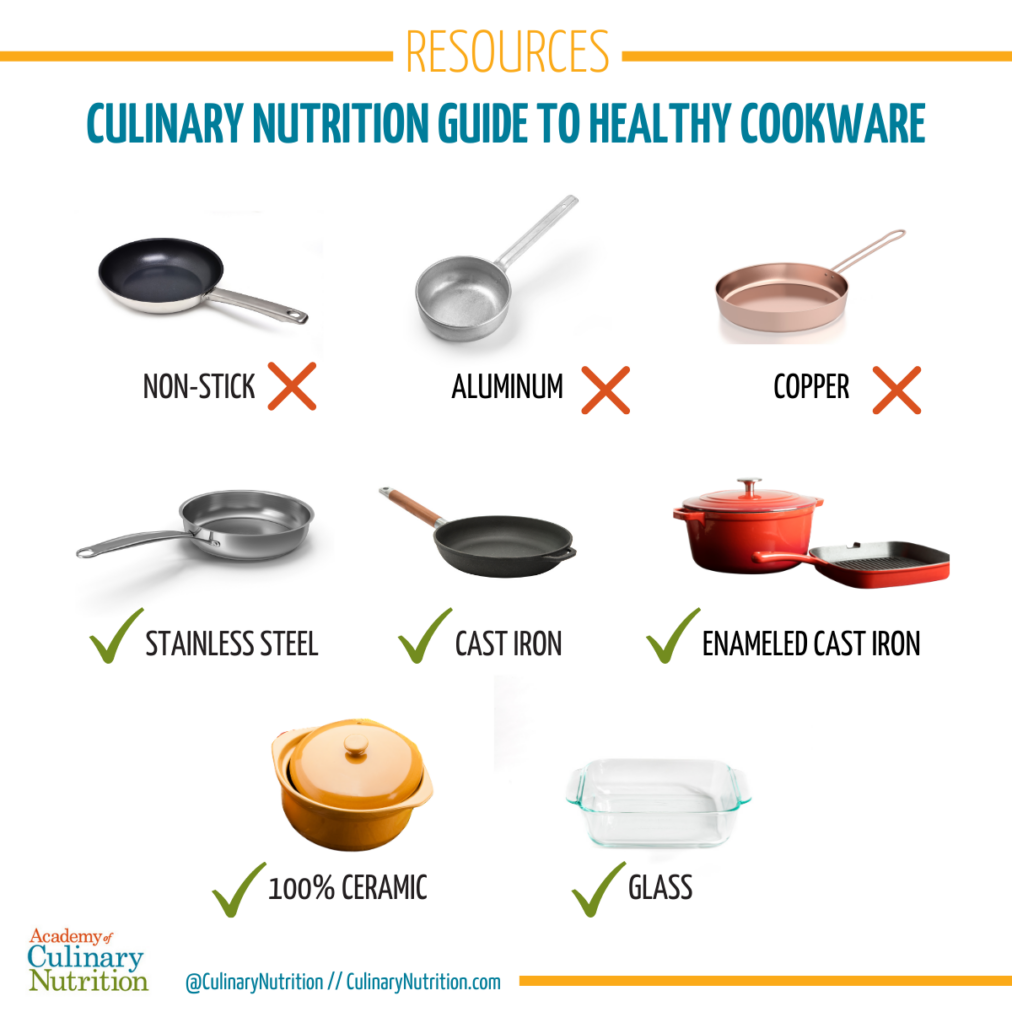
Choosing the right cookware material affects health and cooking quality. Different materials offer unique benefits and drawbacks. Some materials release no harmful chemicals, while others may leach metals or coatings into food. Understanding common cookware materials helps pick the healthiest option for your kitchen.
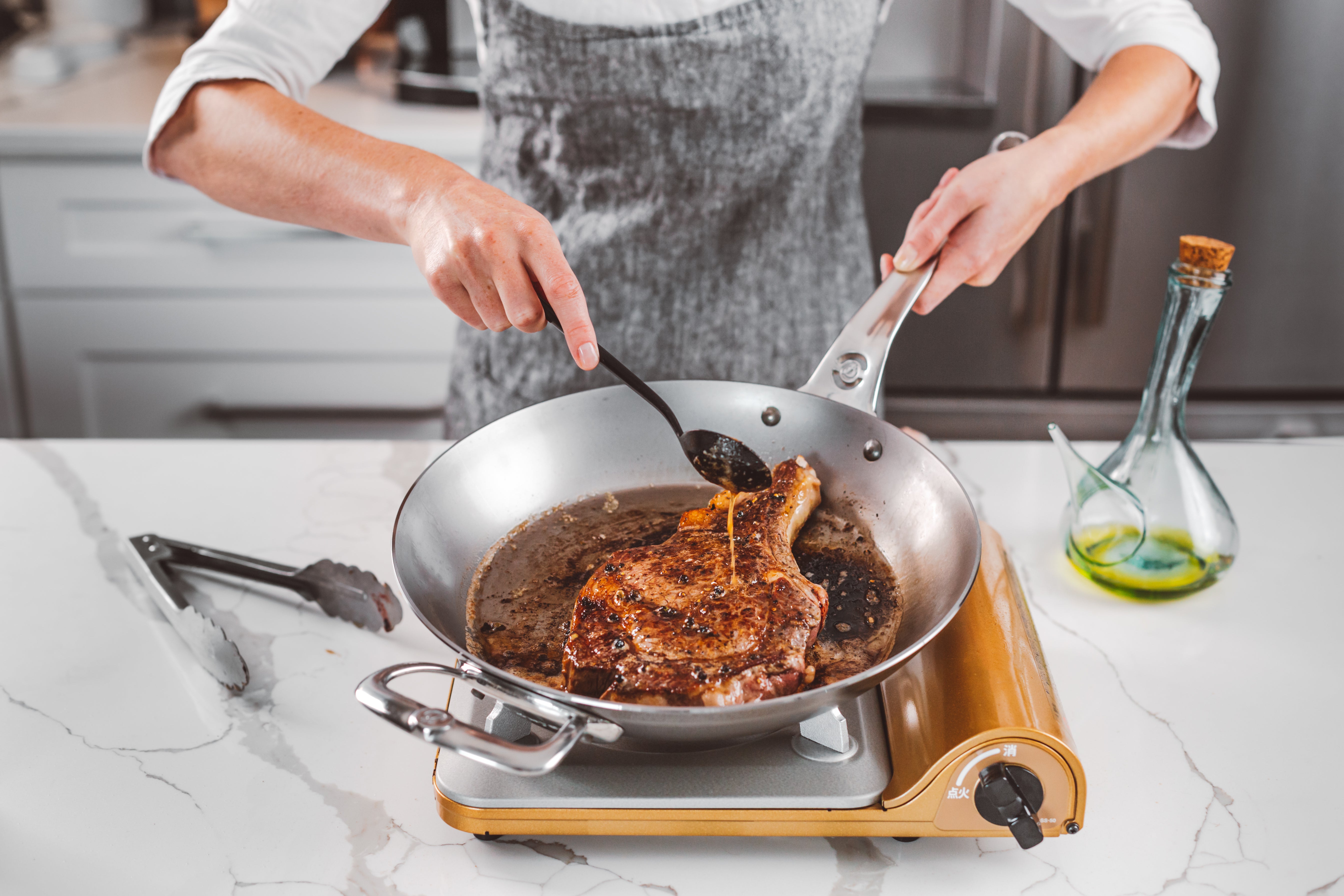
Stainless Steel
Stainless steel is a popular choice for healthy cooking. It is an alloy made of iron, chromium, and sometimes nickel. This makes it durable and resistant to rust. Stainless steel does not react with acidic or alkaline foods, so it won’t change the taste or color of your dishes.
Benefits of stainless steel cookware:
- Non-reactive and safe for all types of cooking
- Durable and long-lasting
- Easy to clean and maintain
- Does not release harmful chemicals
Some stainless steel pans have an aluminum or copper core to improve heat distribution. This helps food cook evenly. The surface is usually smooth but can sometimes stick if not used properly. Proper preheating and oiling reduce sticking.
| Feature | Details |
|---|---|
| Material | Iron, chromium, nickel alloy |
| Heat Conductivity | Moderate; better with core layers |
| Health Safety | Very safe; no chemical leaching |
| Care | Dishwasher safe; avoid harsh scrubbing |
Cast Iron
Cast iron cookware is known for excellent heat retention and durability. It is made from molten iron poured into molds. Cast iron pans can last for decades if cared for properly. They add a small amount of iron to food, which can be beneficial for health.
Advantages of cast iron:
- Excellent heat retention and even cooking
- Can increase dietary iron intake
- Natural non-stick surface develops over time
- Very durable and repairable
Drawbacks include its heavy weight and the need for seasoning. Seasoning creates a protective layer that prevents rust and sticking. Avoid soaking cast iron in water to prevent rust. Use mild soap and dry thoroughly after washing.
| Feature | Details |
|---|---|
| Material | Pure iron |
| Heat Conductivity | Slow to heat; excellent heat retention |
| Health Safety | Safe; adds iron to food |
| Care | Season regularly; avoid soap and moisture |
Ceramic
Ceramic cookware is made from clay and other natural materials, often coated with a glaze. It is prized for being free from metals and synthetic chemicals. Ceramic pans are non-reactive and safe for cooking acidic foods.
Benefits of ceramic cookware:
- Non-toxic and free from PTFE and PFOA
- Non-reactive surface preserves food flavor
- Easy to clean due to smooth surface
- Good heat distribution
Some ceramic coatings may wear off over time. Choose high-quality ceramic cookware to ensure durability. Avoid sudden temperature changes to prevent cracking. Ceramic is lighter than cast iron but less durable.
| Feature | Details |
|---|---|
| Material | Natural clay with glaze |
| Heat Conductivity | Good; heats evenly |
| Health Safety | Very safe; no toxic chemicals |
| Care | Hand wash recommended; avoid thermal shock |
Nonstick
Nonstick cookware has a coating that prevents food from sticking. The most common coating is PTFE (Teflon). It allows cooking with less oil and easy cleaning. Nonstick pans are lightweight and heat up quickly.
Pros of nonstick pans:
- Requires less oil for cooking
- Easy to clean
- Lightweight and convenient
Risks arise if the nonstick coating overheats or scratches. Overheating can release harmful fumes. Use low to medium heat and avoid metal utensils. Newer nonstick coatings may be free from PFOA, a harmful chemical.
| Feature | Details |
|---|---|
| Material | Aluminum base with PTFE coating |
| Heat Conductivity | Excellent; heats quickly |
| Health Safety | Safe if not overheated or scratched |
| Care | Hand wash; avoid metal utensils |
Copper
Copper cookware offers superior heat conductivity and precise temperature control. Copper pans heat up fast and cool quickly. They are often lined with stainless steel or tin to prevent copper from touching food directly.
Benefits of copper cookware:
- Excellent heat control for delicate cooking
- Attractive appearance
- Durable if properly maintained
Raw copper can react with acidic foods and cause copper toxicity. Always choose lined copper pans. Copper requires polishing to keep its shine. It is more expensive and heavier than other materials.
| Feature | Details |
|---|---|
| Material | Copper with stainless steel or tin lining |
| Heat Conductivity | Best among cookware materials |
| Health Safety | Safe if lined; avoid bare copper contact |
| Care | Hand wash; polish regularly |
Benefits Of Stainless Steel
Choosing the healthiest cookware matters for better cooking and better health. Stainless steel stands out as a top choice for many kitchens. It offers many benefits that suit daily cooking needs. This metal is safe, strong, and easy to care for. It does not release harmful chemicals or react with foods. Many chefs and home cooks trust stainless steel for these reasons.
Durability
Stainless steel cookware is known for its excellent durability. It resists scratches, dents, and rust, which means it lasts for years. This cookware can handle high heat and rough use without damage. The strong metal construction keeps it from warping or bending easily.
- Long-lasting: High-quality stainless steel can last decades.
- Heat resistant: It works well on all stovetops, including induction.
- Scratch resistant: It stands up to metal utensils and scrubbing.
Here is a quick comparison of stainless steel durability with other common cookware materials:
| Material | Scratch Resistance | Warp Resistance | Rust Resistance |
|---|---|---|---|
| Stainless Steel | High | High | High |
| Cast Iron | Medium | Medium | Low (needs seasoning) |
| Non-stick | Low | Medium | High |
| Aluminum | Low | Low | Low (prone to oxidation) |
Non-reactive Surface
One key benefit of stainless steel is its non-reactive surface. This means it does not change the flavor or color of food. Acidic foods like tomatoes or lemon will not react with the metal. This keeps dishes tasting fresh and natural. Some other metals can cause food to taste metallic or discolor.
Stainless steel resists corrosion and does not leach harmful substances. This quality makes it a safe option for everyday cooking. It also prevents food from sticking as much as other metals, especially when preheated properly.
- Safe for all food types, including acidic and salty dishes.
- Preserves original taste and aroma.
- Suitable for marinating or slow cooking.
Here is a simple table of food reactions with common cookware:
| Cookware Type | Reacts with Acidic Foods? | Taste Change Risk |
|---|---|---|
| Stainless Steel | No | None |
| Cast Iron | Yes | Possible metallic taste |
| Aluminum | Yes | Possible discoloration and taste change |
| Copper | Yes (unless lined) | Possible metallic taste |
Maintenance Tips
Keeping stainless steel cookware clean and shiny requires simple care steps. This helps maintain its health benefits and appearance. Following these tips extends cookware life and ensures safe cooking.
- Clean after each use: Wash with warm soapy water and a soft sponge.
- Remove stains: Use a paste of baking soda and water for tough marks.
- Avoid harsh cleaners: Do not use steel wool or bleach, which can damage the surface.
- Dry thoroughly: Prevent water spots by drying with a soft cloth.
- Polish occasionally: Use a stainless steel cleaner to restore shine.
For stuck food, soak the pan in hot water before cleaning. Avoid cooking sprays that can leave residue. Use wooden, silicone, or plastic utensils to protect the surface.
Advantages Of Cast Iron
Choosing the healthiest cookware affects both your meals and your well-being. Cast iron cookware stands out for its durability and natural cooking benefits. It offers many advantages over other materials like nonstick or aluminum pans. Cast iron heats evenly, lasts for decades, and can improve the nutritional value of your food. This section explores the key benefits of using cast iron in your kitchen.
Natural Nonstick
Cast iron develops a natural nonstick surface through a process called seasoning. This layer forms when oil heats and bonds to the pan’s surface. It prevents food from sticking without using harmful chemicals found in some nonstick coatings.
- No synthetic chemicals: Unlike Teflon pans, cast iron does not release toxic fumes when overheated.
- Improves with use: The more you cook, the better the nonstick layer becomes.
- Safe for high heat: Perfect for searing, frying, and baking at high temperatures.
Here is a quick comparison of surface types:
| Cookware Type | Nonstick Quality | Durability | Health Safety |
|---|---|---|---|
| Cast Iron | Natural, improves over time | Very high, lasts decades | Very safe, no chemicals |
| Nonstick (Teflon) | Good initially | Wears off after a few years | Potential fumes if overheated |
| Stainless Steel | Low, sticks easily | High durability | Safe |
Natural nonstick cast iron allows cooking with less oil, making meals healthier. It also resists scratching and damage better than coated pans.
Iron Boosts
Cooking with cast iron can add iron to your diet. Iron is a vital mineral that helps carry oxygen in the blood. Many people do not get enough iron, leading to fatigue and weakness.
Here are the benefits of iron from cast iron cookware:
- Increases dietary iron: Small amounts of iron leach from the pan into food during cooking.
- Especially helpful for: People with iron-deficiency anemia or low iron levels.
- Best with acidic foods: Tomatoes and citrus help release more iron into meals.
Studies show that iron intake from cast iron pans can raise iron levels in the body. This natural boost supports better energy and health without supplements.
Iron content added depends on:
- Type of food cooked
- Cooking time
- Condition of the pan’s seasoning
Keep in mind, iron from cookware is non-heme iron, which is less easily absorbed than iron from meat. Pair meals with vitamin C-rich foods to improve absorption.
Seasoning Care
Proper care of cast iron seasoning keeps the pan nonstick and rust-free. Seasoning is a layer of baked-on oil that protects the surface.
Follow these steps for seasoning care:
- Clean gently: Use warm water and a soft brush. Avoid soap or harsh detergents.
- Dry thoroughly: Wipe the pan dry immediately to prevent rust.
- Apply oil: Rub a thin coat of cooking oil over the surface after each use.
- Heat to set: Warm the pan on the stove or in the oven to bond the oil layer.
Seasoning improves with regular use and care. Avoid soaking the pan in water or putting it in the dishwasher. Store in a dry place.
Benefits of good seasoning:
- Prevents rust and corrosion
- Enhances natural nonstick surface
- Extends pan life for decades
Proper seasoning care turns cast iron into a reliable and healthy cooking tool. It supports safe meals without chemical coatings.
Ceramic Cookware Insights
Ceramic cookware has become a popular choice for those seeking healthy cooking options. It offers a clean, non-toxic surface that can handle everyday cooking tasks. Many people prefer ceramic because it avoids chemicals found in some traditional non-stick pans. Understanding ceramic cookware helps make better decisions about kitchen tools that support well-being and safe food preparation.
Non-toxic Coating
Ceramic cookware features a coating made from natural materials like silica and sand. This coating is free from harmful chemicals such as PTFE, PFOA, lead, and cadmium. These chemicals are often present in older non-stick pans and can release toxins at high heat.
Benefits of ceramic non-toxic coating:
- Does not emit fumes even when overheated
- Safe for cooking a variety of foods without chemical leaching
- Easy to clean without harsh scrubbing
- Maintains food flavor without metallic aftertaste
Many ceramic coatings are also free from synthetic chemicals, making them ideal for people with allergies or chemical sensitivities. The smooth, glass-like surface resists sticking naturally, reducing the need for oil or butter. This helps prepare healthier meals with less fat.
Here is a simple comparison of common cookware coatings:
| Coating Type | Contains Harmful Chemicals? | Safe at High Temperatures? |
|---|---|---|
| Ceramic | No | Yes |
| Traditional Non-Stick (PTFE) | Yes | No (releases fumes above 500°F) |
| Cast Iron (Seasoned) | No | Yes |
Heat Distribution
Ceramic cookware offers good heat distribution, helping cook food evenly. The ceramic coating spreads heat across the cooking surface, reducing hot spots. This means food cooks consistently without burning in certain areas.
The base material of ceramic cookware affects heat performance. Common bases include aluminum, stainless steel, and hard-anodized metal. Aluminum bases heat quickly and evenly but can be less durable. Stainless steel bases take longer to heat but last longer.
Key points about heat distribution in ceramic cookware:
- The ceramic layer insulates the base, keeping heat stable.
- Good heat distribution prevents uneven cooking and burning.
- Some ceramic pans have layered bottoms for extra heat control.
Choosing a pan with a heavy, layered base improves heat retention. This supports steady cooking temperatures. It also helps save energy by cooking faster.
Below is a quick guide to base materials and heat transfer speed:
| Base Material | Heat Transfer Speed | Durability |
|---|---|---|
| Aluminum | Fast | Moderate |
| Stainless Steel | Slow | High |
| Hard-Anodized Aluminum | Fast | High |
Longevity
Ceramic cookware can last several years with proper care. The durability depends on the quality of the ceramic coating and base material. High-quality ceramic pans resist scratches and wear better than cheaper ones.
Simple practices extend ceramic cookware life:
- Avoid metal utensils that can scratch the surface
- Use moderate heat to prevent coating damage
- Hand wash with mild soap instead of dishwasher
- Allow pans to cool before cleaning
Signs of ceramic cookware wear include:
- Chipping or cracking of the coating
- Food sticking more than usual
- Uneven heating during cooking
Replacing ceramic cookware after wear is wise to maintain safe cooking. Investing in reputable brands often means longer-lasting products. Some ceramic pans come with warranties covering coating defects.
Here is a rough comparison of expected lifespan:
| Cookware Type | Average Lifespan |
|---|---|
| Ceramic | 3-5 years |
| Traditional Non-Stick | 1-3 years |
| Cast Iron | 20+ years |
Nonstick Cookware Concerns
Nonstick cookware is popular for easy cooking and cleaning. Many people choose it to avoid food sticking and to use less oil. Yet, some concerns exist about its safety and health effects. Understanding these concerns helps pick the healthiest cookware. This section covers chemical exposure, safe usage tips, and good alternatives to nonstick pans.
Chemical Exposure
Nonstick pans often use a coating called polytetrafluoroethylene (PTFE). When heated very high, this coating can break down and release harmful fumes. These fumes may cause flu-like symptoms in people, known as “polymer fume fever.”
Another concern is perfluorooctanoic acid (PFOA). It was used in older nonstick coatings but is mostly removed today. PFOA links to health problems like cancer and liver damage. Most modern pans claim to be PFOA-free.
Key points on chemical exposure:
- PTFE can release toxic fumes above 500°F (260°C).
- PFOA is mostly eliminated from new cookware.
- Damaged or scratched coatings may increase chemical release.
- Safe cooking temperatures help reduce risks.
| Chemical | Source | Health Risk | Current Status |
|---|---|---|---|
| PTFE | Nonstick coating | Toxic fumes at high heat | Still used but with heat limits |
| PFOA | Older nonstick coatings | Cancer, liver damage | Mostly phased out |
Safe Usage
Nonstick cookware can be safe if used correctly. Avoid heating empty pans because they can get too hot fast. Keep cooking temperatures below 500°F (260°C). Use wooden or silicone utensils to protect the coating.
Cleaning also matters. Hand wash with mild soap and a soft sponge. Avoid metal scrubbers or abrasive cleaners. Store pans carefully to prevent scratches.
Safe usage tips for nonstick pans:
- Do not preheat empty pans on high heat.
- Cook at medium or low heat only.
- Use non-metal utensils.
- Hand wash gently with mild soap.
- Do not stack pans without protection.
Following these tips extends the pan’s life and reduces health risks. Watch for peeling or flaking coatings. Replace pans if damaged.
Alternatives
Many healthy cookware options exist beyond nonstick pans. These options avoid chemical coatings and last longer.
Popular alternatives include:
- Stainless Steel: Durable, safe, and good for high-heat cooking.
- Cast Iron: Adds iron to food, naturally nonstick when seasoned well.
- Ceramic: Non-toxic coating, but less durable than metal.
- Carbon Steel: Similar to cast iron but lighter and heats quickly.
Each alternative has pros and cons. For example, stainless steel requires more oil to prevent sticking. Cast iron needs care to keep seasoning intact. Ceramic coatings may wear out faster.
| Cookware Type | Benefits | Drawbacks |
|---|---|---|
| Stainless Steel | Durable, high heat safe, no chemicals | Food can stick, needs oil |
| Cast Iron | Natural nonstick, adds iron to food | Heavy, needs seasoning |
| Ceramic | Non-toxic, easy to clean | Coating may wear off quickly |
| Carbon Steel | Lightweight, heats fast | Requires seasoning, rusts easily |
Choosing the right cookware depends on cooking style and health preferences.
Credit: www.meghantelpner.com
Copper Cookware Features
Copper cookware has been a favorite in kitchens for centuries due to its unique properties. It stands out for its beautiful appearance and excellent cooking performance. Understanding the features of copper cookware helps in choosing the healthiest option for cooking. This section explores the key aspects of copper cookware, including its heat control, reactivity, and lining types.
Excellent Heat Control
Copper is one of the best metals for heat conduction. It heats up quickly and cools down fast, giving you precise control over cooking temperatures. This precise control helps prevent food from burning or sticking to the pan.
- Fast heating: Copper responds immediately to temperature changes.
- Even heat distribution: Reduces hot spots and cooks food uniformly.
- Energy efficient: Requires less heat to reach cooking temperature.
Here is a simple comparison of copper with other common cookware metals:
| Material | Heat Conductivity (W/m·K) | Heat Response Speed |
|---|---|---|
| Copper | 401 | Very Fast |
| Aluminum | 237 | Fast |
| Stainless Steel | 16 | Slow |
Because of copper’s quick heat response, it helps cooks control cooking with high accuracy. This feature is ideal for delicate dishes requiring low or medium heat.
Reactivity Issues
Copper reacts with acidic and alkaline foods. This reaction can change the taste of food and cause copper to leach into meals. High copper intake can be harmful to health.
Foods that may cause reactivity include:
- Tomatoes
- Citrus fruits
- Vinegar-based sauces
- Wine
To avoid these problems, copper cookware is usually lined with a non-reactive metal. Without lining, copper pans are not safe for cooking acidic dishes.
Signs of copper reactivity include:
- Metallic or bitter taste in food
- Greenish discoloration on food surface
- Blue or green stains on the cookware
Regular maintenance and proper lining reduce the risk of copper reacting with food. Using the right cookware for the right recipe protects both health and flavor.
Lining Types
Most copper cookware has a lining to prevent direct contact between copper and food. The lining also improves durability and safety.
Common lining materials include:
- Tin: Traditional lining, melts at low temperatures, requires careful use.
- Stainless steel: Durable, heat resistant, easy to clean, and non-reactive.
- Silver: Rare and expensive, offers good non-reactive properties.
Here is a table summarizing the pros and cons of common copper cookware linings:
| Lining Type | Advantages | Disadvantages |
|---|---|---|
| Tin | Natural non-stick, good heat conduction | Soft, wears out quickly, needs re-tinning |
| Stainless Steel | Long-lasting, non-reactive, easy maintenance | Less heat conduction than tin |
| Silver | Non-reactive, antimicrobial | Very expensive, rare |
Choosing the right lining depends on cooking style and budget. Stainless steel lining offers the best balance of safety and durability for everyday use. Tin lining suits low-heat cooking but needs more care.
Factors Affecting Cookware Safety
Choosing the healthiest cookware means understanding what makes it safe for daily use. Factors affecting cookware safety include how well the material handles heat, the chance of chemicals mixing with food, and how you clean the cookware. These elements impact both your food’s taste and your health. Knowing these factors helps pick cookware that keeps meals healthy and cooking easy.
Heat Resistance
Heat resistance is a key factor in cookware safety. Cookware must handle high temperatures without breaking down or releasing harmful substances.
- High heat tolerance prevents warping and damage.
- Stable materials keep food safe at cooking temperatures.
- Even heat distribution avoids hot spots that burn food.
Some materials resist heat better than others. For example:
| Cookware Material | Heat Resistance | Notes |
|---|---|---|
| Cast Iron | Very High (up to 500°F+) | Retains heat well; can handle searing and frying |
| Stainless Steel | High (up to 600°F) | Durable and safe; ideal for most cooking methods |
| Nonstick (Teflon) | Moderate (up to 500°F max) | Can release toxins if overheated above 500°F |
| Ceramic | Moderate to High (varies by brand) | Heat sensitive; cracks possible if sudden temperature change |
Heating cookware beyond its limit causes damage and possible health risks. Avoid overheating nonstick pans to keep them safe. Cast iron and stainless steel handle heat well and last long. Ceramic pans need care to avoid cracking from rapid heat changes.
Chemical Leaching
Chemical leaching means harmful substances move from cookware into food during cooking. This can affect food taste and your health.
Some cookware types are more likely to leach chemicals:
- Aluminum: Can react with acidic foods, causing metallic taste and leaching.
- Nonstick coatings: Older or overheated coatings may release toxic fumes.
- Low-quality ceramics: Risk of heavy metals like lead or cadmium leaching.
Cookware that is well-made and properly coated reduces this risk. Safe materials include:
- Stainless steel: Non-reactive and safe for all foods.
- Cast iron: Adds iron to food but no harmful chemicals.
- High-quality ceramic: Free from lead and cadmium.
Check labels for certifications about food safety. Avoid scratched or damaged nonstick pans. Acidic foods like tomato sauce can increase leaching in reactive metals.
Cleaning Methods
Cleaning affects cookware safety and lifespan. Some materials need gentle care to avoid damage and maintain safety.
Here are cleaning tips for common cookware types:
- Cast Iron: Avoid soap; use hot water and a brush. Dry completely and oil to prevent rust.
- Stainless Steel: Use mild detergent and soft sponge. For tough stains, try baking soda paste.
- Nonstick: Clean with soft cloth or sponge. Avoid abrasive scrubbers to protect coating.
- Ceramic: Gentle soap and sponge work best. Avoid sudden temperature changes when washing.
Wrong cleaning can cause:
- Scratches that increase chemical leaching.
- Coating damage leading to toxic exposure.
- Rust or corrosion that harms food quality.
Use dishwasher-safe cookware only if manufacturer approves. Hand washing often extends cookware life and safety.

Credit: www.healthierhomes.com
Tips For Choosing Healthy Cookware
Choosing the healthiest cookware means selecting pots and pans that keep food safe and preserve nutrients. The right cookware can reduce exposure to harmful chemicals and metals. It also affects how your food tastes and cooks. To pick healthy cookware, consider your cooking habits, budget, and how long the cookware will last. These tips help you find safe, durable, and practical options for your kitchen.
Personal Cooking Needs
Think about the types of meals you cook most often. Different cookware suits different cooking styles and foods. For example, stainless steel works well for searing meat and making sauces, while ceramic is great for gentle cooking and baking. Non-stick pans help with low-fat cooking but may wear out faster.
Ask yourself these questions:
- Do you cook at high heat or low heat?
- Do you prefer frying, boiling, or baking?
- Do you need cookware that works on induction stovetops?
- Are you sensitive to metals like aluminum or copper?
Here is a simple table showing common cookware and their best uses:
| Cookware Type | Best For | Health Notes |
|---|---|---|
| Stainless Steel | Searing, sautéing, acidic foods | Non-reactive, durable, may leach nickel |
| Ceramic | Low to medium heat cooking, baking | Non-toxic, non-stick, fragile coating |
| Cast Iron | High heat cooking, frying, slow cooking | Seasoned surface, adds iron to food |
| Non-stick (PTFE) | Low-fat cooking, eggs, pancakes | Avoid overheating to prevent toxins |
Match your cookware to your cooking habits for healthier meals and better results.
Budget Considerations
Healthy cookware comes in many price ranges. Setting a budget helps narrow down choices. High-quality cookware often costs more but lasts longer and is safer. Cheaper options might save money now but wear out fast or release harmful substances.
Here are some budget tips for healthy cookware:
- Invest in key pieces: Buy a good skillet and pot first, then add items later.
- Check materials: Stainless steel and cast iron offer good value and durability.
- Avoid very cheap non-stick pans: They may contain harmful chemicals.
- Look for sales: Quality cookware often goes on discount during holidays.
- Consider sets: Sets can be cheaper than buying pieces separately.
Use this price comparison table to understand costs:
| Cookware Type | Price Range (USD) | Expected Lifespan |
|---|---|---|
| Stainless Steel | 30 – 200 | 10+ years |
| Ceramic | 20 – 150 | 3 – 5 years |
| Cast Iron | 25 – 100 | 20+ years |
| Non-stick (PTFE) | 15 – 100 | 1 – 3 years |
Smart budgeting ensures you get safe cookware without overspending.
Longevity And Care
The healthiest cookware also lasts longer with proper care. Durable materials need less frequent replacement, reducing waste and cost. Some cookware requires special cleaning or seasoning to stay safe and effective.
Follow these care tips:
- Use soft sponges: Avoid abrasive scrubbers that damage coatings.
- Season cast iron: Apply oil regularly to keep the surface non-stick and rust-free.
- Don’t overheat non-stick pans: High heat breaks down coatings and releases toxins.
- Hand wash when possible: Dishwashers can harm some cookware finishes.
- Store carefully: Prevent scratches by stacking with paper towels or cloth.
Compare care needs in this table:
| Cookware Type | Care Level | Tip for Longevity |
|---|---|---|
| Stainless Steel | Medium | Remove stains with vinegar or baking soda |
| Ceramic | High | Avoid sudden temperature changes and harsh cleaners |
| Cast Iron | High | Season regularly and dry immediately after washing |
| Non-stick (PTFE) | Medium | Use wooden or silicone utensils only |
Good care keeps cookware safe and functional for years.
Credit: www.debuyer-usa.com
Frequently Asked Questions
What Is The Safest Cookware Material For Health?
The safest cookware materials are stainless steel, cast iron, and ceramic. They don’t release harmful chemicals. These materials maintain food’s nutritional value and avoid toxic leaching.
Is Non-stick Cookware Healthy To Use?
Non-stick cookware can be safe if free from PFOA and PTFE. Avoid overheating to prevent toxic fumes. Choose high-quality brands with certified coatings for healthier cooking.
Which Cookware Prevents Toxic Chemical Exposure?
Cookware made of stainless steel, cast iron, and glass prevents chemical exposure. They don’t emit harmful substances when heated and are safe for daily use.
Does Ceramic Cookware Promote Healthier Cooking?
Yes, ceramic cookware is non-reactive and free from harmful chemicals. It cooks evenly and retains nutrients, making it a healthy choice for various recipes.
Conclusion
Choosing the healthiest cookware helps keep your food safe and tasty. Materials like stainless steel, cast iron, and ceramic work well. They do not release harmful chemicals during cooking. Avoid cookware with non-stick coatings that can break down easily. Cookware matters for your health and the flavor of your meals.
Use the right pots and pans to enjoy healthy cooking every day. Simple choices make a big difference in your kitchen. Your health is worth using safe cookware.

Hello, This is Annie Walker, a 38-year-old blogger, founder, and editor of Cookware Guider from NY, USA. I am a cookware fanatic and passionate cooker. I love to cook with different types of cooking appliances (example: all types of cookware, rice cookers, slow cookers, etc) almost every day in my kitchen. I love to share my experience with my readers in my blog. Also, I enjoy helping people to solve their problems through my website. You can follow me on Twitter & Pinterest. To know details about my blog please check the about us page.