
Are you wondering if non stick ceramic cookware is truly safe for you and your family? With so many options on the market, it’s easy to feel confused and unsure about what’s best for your kitchen.
You want cookware that’s not only easy to clean but also free from harmful chemicals. You’ll discover the facts about ceramic coatings, how they affect your health, and what to look for when choosing cookware. Keep reading to make confident, healthy choices for every meal you prepare.
Credit: fromourplace.com
Non Stick Ceramic Basics
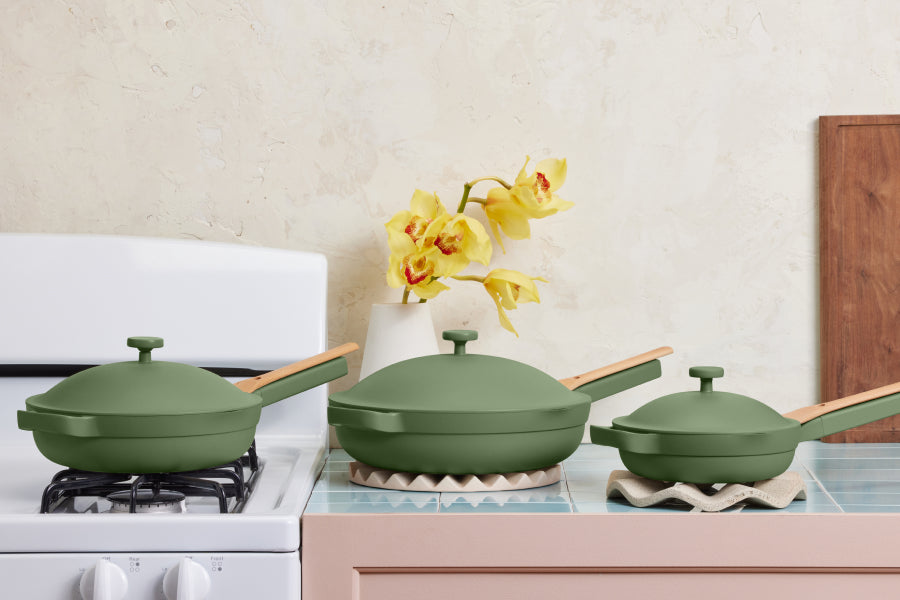
Non-stick ceramic cookware has become popular for healthy cooking and easy cleaning. Many people wonder about its safety and how it works. Understanding the basics helps make smart choices for your kitchen. This section explains the core features of non-stick ceramic cookware, focusing on what it is made of and how it prevents food from sticking.
Material Composition
Non-stick ceramic cookware is different from traditional non-stick pans. It uses a coating made mainly from natural minerals and inorganic materials. The ceramic coating is usually applied over aluminum or stainless steel pans. This layer creates a smooth, non-stick surface without using harmful chemicals.
Key materials used in ceramic non-stick cookware:
- Silica: A natural mineral that forms the base of the ceramic coating.
- Titanium: Sometimes added for extra strength and durability.
- Aluminum or stainless steel: Common metals for the pan’s body, offering good heat distribution.
- Non-toxic binders: Help the ceramic layer stick firmly to the pan.
The ceramic surface is free from PTFE (polytetrafluoroethylene) and PFOA (perfluorooctanoic acid). These chemicals are found in some traditional non-stick coatings and can release toxic fumes when overheated. Ceramic coatings avoid these risks and usually contain no heavy metals like lead or cadmium.
| Material | Purpose | Safety Feature |
|---|---|---|
| Silica | Forms smooth, glass-like coating | Non-toxic and natural |
| Titanium (optional) | Increases strength and scratch resistance | Safe and durable |
| Aluminum/Stainless Steel | Provides heat conduction and pan structure | Food safe metals |
How It Works
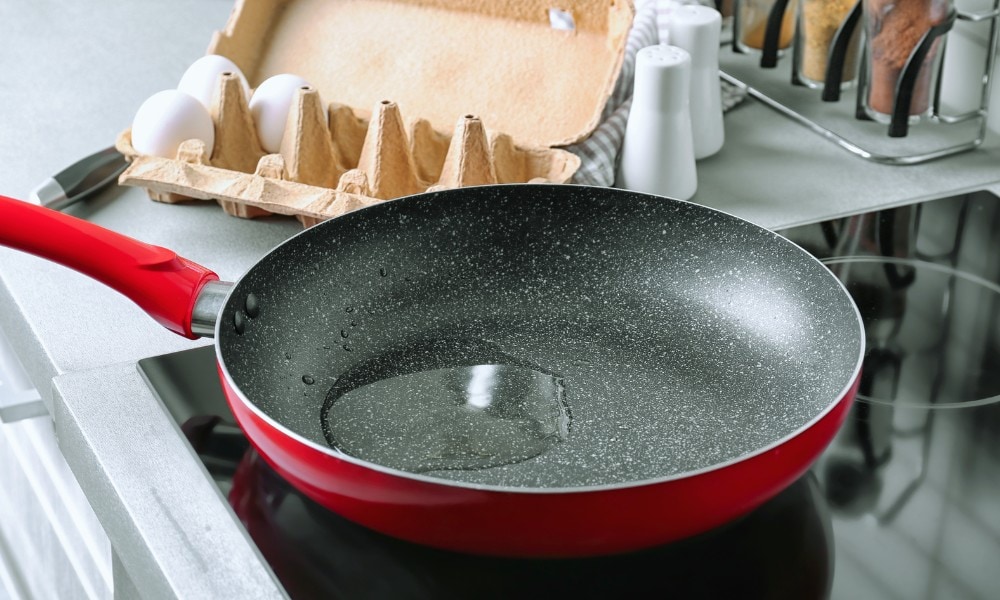
The ceramic coating on cookware creates a slick surface that stops food from sticking. It works by forming a very smooth layer that reduces friction between the pan and the food. This means less oil or butter is needed for cooking, making meals healthier.
How ceramic non-stick pans function:
- Smooth Surface: The ceramic coating is very flat and glass-like, so food slides off easily.
- Heat Distribution: The pan body (usually aluminum or steel) spreads heat evenly to avoid hot spots.
- Non-reactive: Ceramic does not react with acidic or alkaline foods, preserving taste and safety.
- Durability: The coating resists scratches and high temperatures, but sharp tools can damage it.
Unlike traditional PTFE coatings, ceramic can usually tolerate higher cooking temperatures without breaking down. It also does not emit harmful fumes during normal cooking. To keep ceramic cookware working well, avoid using metal utensils and clean gently with soft sponges.
Benefits of ceramic non-stick surfaces:
- Requires less oil for cooking
- Easy to clean with minimal scrubbing
- Safe for people with chemical sensitivity
- Works well for frying, sautéing, and simmering
Credit: theskillfulcook.com
Health Considerations
Health considerations play a big role in choosing cookware. Non stick ceramic cookware has grown popular for safer cooking. People want to know if it truly protects their health. This section explores important points about its safety. Understanding chemical safety and toxicity risks helps make better decisions in the kitchen.
Chemical Safety
Non stick ceramic cookware often claims to be free of harmful chemicals. Many brands advertise no PTFE (polytetrafluoroethylene) or PFOA (perfluorooctanoic acid). These chemicals appear in traditional non stick pans and may release toxic fumes when overheated.
Ceramic coatings mainly use silica-based materials. This natural element forms a smooth, non reactive surface. It does not break down easily under normal cooking temperatures.
- No PTFE or PFOA: Ceramic pans avoid these chemicals entirely.
- Heat resistance: Ceramic coatings withstand high heat without degrading.
- Metal free: Many ceramic coatings contain no heavy metals like lead or cadmium.
Still, some ceramic cookware may have a base metal such as aluminum or stainless steel. The coating prevents direct contact between food and metal.
| Chemical | Presence in Ceramic Cookware | Health Impact |
|---|---|---|
| PTFE | Absent | May release toxic fumes if overheated |
| PFOA | Absent | Linked to cancer and other illnesses |
| Lead | Usually absent | Harmful if ingested or inhaled |
Proper use extends safety. Avoid overheating ceramic pans beyond 450°F (232°C). Sudden temperature changes may cause cracking and wear. Follow manufacturer’s instructions carefully.
Toxicity Risks
Non stick ceramic cookware generally offers low toxicity risks. The natural ceramic coating does not leach chemicals into food under normal use.
Still, some risks exist if the coating gets damaged or worn out. Scratches may expose the metal base, which could react with acidic foods.
- Worn coating: Increase in potential metal exposure.
- High heat: Can degrade coating quality over time.
- Improper cleaning: Abrasive scrubbers may damage ceramic surface.
Here is a quick guide on toxicity risk factors:
| Risk Factor | Effect | Prevention |
|---|---|---|
| Damaged coating | Metal exposure, potential toxins | Replace cookware if scratched |
| Overheating | Coating breakdown, fumes | Keep heat moderate |
| Harsh cleaning | Surface damage | Use soft sponges |
Choosing high quality brands reduces risks. Look for certifications that confirm no harmful metals or chemicals. Using ceramic cookware within recommended guidelines keeps toxicity concerns low.
Durability And Performance
Non stick ceramic cookware is popular for its clean cooking surface and easy cleanup. Its durability and performance matter most for safety and long-term use. Knowing how well it handles daily cooking tasks helps choose the right set. This section looks at two key factors: scratch resistance and heat tolerance. Both affect how safe and effective ceramic cookware stays over time.
Scratch Resistance
Ceramic cookware usually has a smooth, hard coating that resists scratches better than many other non stick pans. This is important because scratches can damage the surface and release particles or chemicals into food.
Key points about ceramic scratch resistance:
- The ceramic layer is made from inorganic minerals, which are harder than plastic-based coatings.
- It can handle metal utensils better, but avoid sharp or rough tools to keep the surface intact.
- Proper care, like using wooden or silicone spatulas, extends the life of the coating.
Here is a simple comparison of scratch resistance levels:
| Cookware Type | Scratch Resistance | Recommended Utensils |
|---|---|---|
| Ceramic Non Stick | High | Wood, Silicone, Plastic |
| Teflon Coating | Medium | Wood, Silicone (Avoid Metal) |
| Cast Iron | Very High | Metal, Wood, Silicone |
Keeping ceramic surfaces scratch-free helps maintain safe cooking. Scratches can expose underlying metals or cause coating peeling. This reduces non stick properties and may affect food safety.
Heat Tolerance
Ceramic cookware can handle medium to high heat well, which suits most cooking methods. It heats evenly and keeps food from sticking without harmful chemicals.
Important facts about ceramic cookware heat tolerance:
- Most ceramic pans resist heat up to 450°F (230°C) safely.
- Exposing ceramic to sudden temperature changes can cause cracking.
- Avoid overheating empty pans to protect the coating.
Here is a quick guide to heat limits for common cookware:
| Cookware Type | Max Safe Temperature | Notes |
|---|---|---|
| Ceramic Non Stick | 450°F (230°C) | Do not preheat empty |
| Teflon Coating | 500°F (260°C) | Overheating breaks coating |
| Stainless Steel | 600°F (315°C) | Very heat resistant |
Using ceramic cookware within recommended heat limits keeps it safe and effective. It maintains the coating’s integrity and prevents toxic fumes or damage.
Comparing With Other Cookware
Choosing the right cookware affects cooking results and health. Comparing non stick ceramic cookware with other types helps to understand safety, durability, and performance. Each cookware material has unique features. Knowing these can guide better kitchen choices.
Traditional Non Stick
Traditional non stick pans usually have a coating made from PTFE (polytetrafluoroethylene), often known as Teflon. This coating helps food slide off easily and requires less oil. It makes cooking and cleaning simpler.
Safety concerns arise when traditional non stick pans are overheated, usually above 500°F (260°C). At high temperatures, the coating can break down and release harmful fumes. These fumes may cause flu-like symptoms in humans and can be deadly to pet birds.
Key points about traditional non stick cookware:
- Works well at low to medium heat.
- Coating can scratch or peel over time.
- Not suitable for metal utensils.
- Requires gentle cleaning to avoid damage.
- May lose non stick properties after a few years.
Here is a quick comparison table between traditional non stick and ceramic non stick cookware:
| Feature | Traditional Non Stick | Ceramic Non Stick |
|---|---|---|
| Heat Resistance | Up to 500°F | Up to 700°F |
| Coating Material | PTFE (Teflon) | Silica-based ceramic |
| Toxicity Risk | High if overheated | Low |
| Durability | Moderate | Good |
| Cleaning Ease | Easy but delicate | Easy and more resistant |
Stainless Steel And Cast Iron
Stainless steel and cast iron differ greatly from non stick cookware. They do not have a coating that prevents food from sticking. Instead, they rely on seasoning or proper heat control.
Stainless steel is popular for its durability and resistance to rust and corrosion. It can handle high heat and is perfect for searing meats. It does not release harmful chemicals but may require more oil to avoid sticking.
Cast iron is known for excellent heat retention and even cooking. It becomes naturally non stick after seasoning with oil. Cast iron is very durable and can last decades if cared for properly.
Advantages of stainless steel and cast iron:
- Safe and free from synthetic coatings.
- Can tolerate very high temperatures.
- Durable and long-lasting.
- Good for browning and frying.
- Develops unique flavors over time (cast iron).
Drawbacks include:
- Food may stick without practice or enough oil.
- Cast iron needs regular seasoning to stay non stick.
- Heavier and harder to clean than ceramic or traditional non stick.
- Stainless steel can cause food to stick if not heated correctly.
Care And Maintenance Tips
Non-stick ceramic cookware offers a healthy option for cooking with less oil. Keeping it safe and long-lasting depends on proper care and maintenance. Simple habits prevent damage and keep the surface smooth and non-stick. Follow easy steps to clean and store your ceramic cookware correctly.
Cleaning Methods
Cleaning ceramic cookware properly protects its non-stick surface and extends its life. Avoid harsh scrubbing or strong chemicals. Use gentle tools and mild cleaners instead.
- Cool before cleaning: Let the cookware cool down before washing. Sudden temperature changes can crack the ceramic.
- Use warm, soapy water: Wash with a soft sponge or cloth and mild dish soap. Avoid abrasive pads or steel wool.
- Remove stubborn stains: For stuck-on food, soak the pan in warm water for 15-20 minutes. Then clean gently.
- Avoid dishwasher: Hand washing is best. Dishwashers can wear the ceramic coating over time.
Use this table as a quick guide for cleaning:
| Cleaning Step | Recommended Action | What to Avoid |
|---|---|---|
| Cooling | Let cookware cool naturally | Do not rinse with cold water immediately |
| Washing | Soft sponge and mild soap | Abrasive scrubbers, steel wool |
| Stain removal | Soak in warm water before cleaning | Scraping with sharp objects |
| Drying | Air dry or pat dry with cloth | Use rough towels that scratch surface |
Storage Advice
Proper storage stops ceramic cookware from scratching or chipping. Handle each piece with care and keep pans separate.
- Use soft liners: Place paper towels or cloths between stacked pans. This protects the ceramic surface.
- Store in dry places: Moisture can damage the coating. Keep cookware in a dry cabinet or shelf.
- Avoid heavy stacking: Do not pile too many pans on top of each other. This can cause cracks or chips.
- Hang if possible: Use hooks or racks to hang pans by their handles. This keeps surfaces safe.
Follow this checklist for safe storage:
- Clean and dry cookware completely before storing
- Place soft padding between stacked items
- Keep away from damp or humid areas
- Use hanging storage to avoid stacking pressure

Credit: thecookwareadvisor.com
User Experiences
User experiences provide real insight into the safety and performance of non-stick ceramic cookware. Many people share their thoughts after weeks or months of use. These reviews help others understand what to expect. Some users report issues, while others praise the cookware’s benefits. Examining both sides reveals a balanced view of ceramic cookware safety.
Common Complaints
Some users face challenges with non-stick ceramic cookware. A frequent complaint is the coating peeling or chipping after a short period. This can lead to food sticking and worries about ingesting small ceramic particles.
- Durability concerns: Coating wears off quickly in some cases.
- Heat sensitivity: Ceramic may lose non-stick qualities if overheated.
- Cleaning difficulties: Scratches can make cleaning harder.
- Price vs. lifespan: Some users feel the cookware is expensive for the durability offered.
Users often notice these problems appear when the cookware is misused or cleaned with abrasive tools. Using metal utensils or harsh scrubbers can damage the surface. Below is a table summarizing the common complaints:
| Complaint | Description | Effect on Safety |
|---|---|---|
| Coating Peeling | Non-stick layer flakes off during cooking | Potential ingestion of particles |
| Loss of Non-Stick | Food sticks more after some time | Increased use of oil or butter |
| Scratches | Surface gets damaged by utensils | Compromised coating integrity |
| Cleaning Issues | Hard to clean without damaging | Risk of faster wear |
Positive Feedback
Many users appreciate non-stick ceramic cookware for its safety and ease of use. They report cooking with less oil and cleaning up quickly. The ceramic surface is free of harmful chemicals like PFOA and PTFE. This gives users peace of mind about food safety.
- Health benefits: No toxic fumes or chemicals released.
- Easy to clean: Food slides off, reducing scrubbing time.
- Even heating: Ceramic distributes heat well for better cooking.
- Eco-friendly: Made with natural materials and fewer chemicals.
Users often praise the cookware’s appearance and feel. Many say it looks great on the stove and lasts well when cared for properly. The table below shows common positive points shared by users:
| Benefit | Details | User Impact |
|---|---|---|
| Non-Toxic Surface | Free from harmful chemicals | Safe for daily cooking |
| Easy Cleaning | Non-stick property reduces effort | Less time spent washing |
| Good Heat Distribution | Even cooking results | Better taste and texture |
| Durability with Care | Lasts longer if handled gently | Cost-effective over time |
Frequently Asked Questions
Is Non Stick Ceramic Cookware Truly Safe For Cooking?
Yes, non stick ceramic cookware is safe when used properly. It is free from toxic chemicals like PFOA and PTFE. Ceramic coatings are made from natural materials, reducing health risks during cooking. Always avoid overheating to maintain safety and longevity.
How Does Ceramic Cookware Compare To Traditional Non Stick Pans?
Ceramic cookware is free from harmful chemicals found in some traditional non stick pans. It offers good heat distribution and is scratch-resistant. However, ceramic coatings can wear out faster if not cared for properly. It’s a safer choice for health-conscious cooks.
Can Ceramic Non Stick Coatings Release Toxic Fumes?
No, ceramic non stick coatings do not release toxic fumes when used correctly. They withstand moderate heat without breaking down. Overheating above recommended temperatures can damage the coating but won’t emit harmful gases like traditional non stick coatings.
What Maintenance Keeps Ceramic Cookware Safe And Durable?
To keep ceramic cookware safe, avoid high heat and metal utensils. Hand wash with mild soap and a soft sponge. Avoid sudden temperature changes to prevent cracking. Proper care extends the cookware’s life and maintains its non stick properties.
Conclusion
Non-stick ceramic cookware offers a safer option for everyday cooking. It does not release harmful chemicals like some other pans. Cleaning is easy, and food rarely sticks. Still, avoid overheating to keep the coating intact. Choose good quality products for better safety and durability.
Cookware with ceramic coating can suit many kitchens well. It helps prepare meals with less oil and less mess. Overall, ceramic non-stick pans provide a healthy and simple cooking experience.

Hello, This is Annie Walker, a 38-year-old blogger, founder, and editor of Cookware Guider from NY, USA. I am a cookware fanatic and passionate cooker. I love to cook with different types of cooking appliances (example: all types of cookware, rice cookers, slow cookers, etc) almost every day in my kitchen. I love to share my experience with my readers in my blog. Also, I enjoy helping people to solve their problems through my website. You can follow me on Twitter & Pinterest. To know details about my blog please check the about us page.