
You probably use non-stick cookware every day because it makes cooking and cleaning so much easier. But have you ever stopped to wonder if those slick pans could be harming your health?
With so many conflicting opinions out there, it’s easy to feel confused or even worried. What if the very tools you trust to prepare your meals are quietly affecting your well-being? You’ll discover the truth behind non-stick cookware and what it means for your health.
Keep reading—you deserve to know what’s really going on before you cook your next meal.
Credit: www.consumer.org.hk
Nonstick Cookware Basics
Nonstick cookware has become a popular choice in kitchens worldwide. It offers easy cooking and simple cleaning by preventing food from sticking. Understanding the basics of nonstick cookware helps decide if it fits your health needs. This section explains the common materials used and how the nonstick coatings work.
Common Materials Used
Nonstick cookware usually consists of a base material coated with a special layer to stop food from sticking. The base materials affect heat distribution, durability, and weight. Some common base materials include:
- Aluminum: Lightweight and heats quickly. It is the most common base for nonstick pans.
- Stainless Steel: Durable and resistant to rust. Often used with a nonstick coating for better cooking performance.
- Ceramic: Known for being non-reactive and safe at high temperatures. Sometimes used as a base or coating.
The nonstick coating is applied on top of these base materials. Different coatings have different properties, which can affect safety and longevity.
| Material | Pros | Cons |
|---|---|---|
| Aluminum | Lightweight, quick heating, affordable | Can warp under high heat, reactive with acidic foods |
| Stainless Steel | Durable, non-reactive, resistant to rust | Heats slower, heavier |
| Ceramic | Non-toxic, heat resistant, eco-friendly | Can chip or crack, less durable coating |
How Nonstick Coatings Work
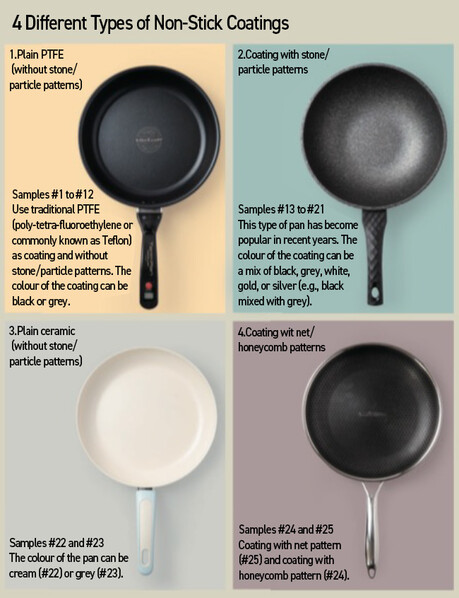
Nonstick coatings create a smooth surface that stops food from sticking to the pan. This makes cooking easier and reduces the need for oil or butter. The main types of nonstick coatings include:
- PTFE (Polytetrafluoroethylene): Often known as Teflon. It provides excellent nonstick properties and is widely used.
- Ceramic Coatings: Made from silica-based materials. They are free from PTFE and often advertised as safer alternatives.
- Anodized Coatings: Aluminum treated to form a hard, nonstick surface. It is more durable but less slippery than PTFE.
Nonstick coatings work by reducing friction between the food and the pan surface. Here’s how:
- The coating fills microscopic holes and imperfections on the pan’s surface.
- This creates a smooth and slippery layer.
- Food slides easily over this layer without sticking.
- Heat distributes evenly, preventing food from burning or sticking.
Proper use and care help keep the coating intact. Avoid using metal utensils or high heat to extend the coating life and maintain safety.
Credit: stahlkitchens.com
Health Concerns Linked To Nonstick
Nonstick cookware is popular for easy cooking and cleaning. Many people wonder about its safety. Health concerns linked to nonstick pans focus on chemicals used in their coating. Some chemicals can release harmful substances during cooking. Understanding these concerns helps in making safer choices for your kitchen.
Chemical Components And Risks
Nonstick coatings often use chemicals called polytetrafluoroethylene (PTFE) and perfluorooctanoic acid (PFOA). PTFE creates a smooth surface that stops food from sticking. PFOA helped make PTFE but is mostly removed now due to safety issues.
Key chemical concerns include:
- PTFE: Stable at low heat but breaks down at very high temperatures.
- PFOA: Linked to cancer, hormone disruption, and liver damage. Mostly phased out since 2015.
- Other chemicals: New alternatives may still carry unknown risks.
| Chemical | Use in Cookware | Health Risks | Status |
|---|---|---|---|
| PTFE | Nonstick coating | Breaks down at high heat; fumes harmful | Still used |
| PFOA | Manufacturing aid for PTFE | Cancer, hormone problems | Mostly banned |
| PFAS (related chemicals) | Newer coatings | Unknown long-term risks | Under study |
Safe use tips: Avoid heating nonstick pans above 500°F (260°C). Use wooden or silicone tools to prevent scratches. Replace pans when coating peels.
Potential For Toxic Fumes
Nonstick pans may release toxic fumes if heated too much. These fumes come from the breakdown of PTFE at high temperatures. Birds are very sensitive and can die from these fumes. Humans may get flu-like symptoms called “polymer fume fever.”
Important facts about toxic fumes:
- Fumes start releasing around 500°F (260°C).
- High heat, like empty pan on stove, increases risk.
- Small kitchens with poor ventilation trap fumes.
Symptoms of polymer fume fever include:
- Headache
- Chills
- Fever
- Cough
Table below shows temperature and risk levels:
| Temperature (°F) | Risk Level | Notes |
|---|---|---|
| Below 500 | Low | Safe for normal cooking |
| 500 – 660 | Moderate | Fumes start releasing |
| Above 660 | High | Coating breaks down quickly; fumes toxic |
Tips to avoid fumes:
- Never heat empty nonstick pans.
- Cook on low or medium heat.
- Use good kitchen ventilation.
Scientific Studies And Findings
Non-stick cookware is popular for easy cooking and cleaning. People worry about its safety. Scientific studies help us understand if non-stick pans harm health. Researchers test chemicals released when pans heat up. These studies look at short and long-term effects. They compare animal and human results. This section shares key findings from scientific research on non-stick cookware and health risks.
Research On Long-term Exposure
Long-term exposure to chemicals from non-stick cookware raises health concerns. Polytetrafluoroethylene (PTFE), the main non-stick coating, can release fumes at high temperatures. These fumes may cause flu-like symptoms called “polymer fume fever.”
Scientists study how long-term exposure affects health. Some findings include:
- Low-level exposure: Usually safe under 260°C (500°F), no major health effects found.
- High-level exposure: Can release toxic fumes, linked to respiratory issues in some cases.
- Degraded coatings: Scratched or old pans may release particles and chemicals.
Studies also focus on perfluorooctanoic acid (PFOA), once used in making non-stick coatings. PFOA is linked to cancer and liver damage. Most manufacturers stopped using PFOA after 2015.
| Exposure Type | Health Risk | Temperature Concern |
|---|---|---|
| Low-level (normal cooking) | Minimal risk | Below 260°C (500°F) |
| High-level (overheating) | Polymer fume fever, respiratory issues | Above 300°C (572°F) |
| Degraded coating | Possible chemical and particle release | Any temperature |
Using pans on medium heat and avoiding scratches reduces risks. Regular replacement of worn pans is recommended.
Animal Vs. Human Study Results
Animal studies often show higher risks than human studies. Animals are exposed to large chemical amounts to test effects quickly. Humans usually have lower exposure from everyday cooking.
Key differences include:
- Animal studies: Show liver, kidney, and developmental damage from high chemical doses.
- Human studies: No clear evidence of illness from normal non-stick cookware use.
- Exposure levels: Animals face constant high doses; humans have short, low-level exposure.
Some animal study results:
- High PFOA doses caused tumors in rats.
- PTFE fumes harmed birds’ respiratory systems.
- Long-term chemical exposure impacted animal reproduction.
Human research shows:
- Workers exposed to PFOA at factories had some health risks.
- Normal home cooking with non-stick pans showed no strong health problems.
- Careful use and avoiding overheating limits risks.
| Study Type | Exposure Level | Main Findings | Health Impact |
|---|---|---|---|
| Animal | High doses, continuous | Organ damage, tumors, reproductive harm | Severe at high exposure |
| Human | Low doses, occasional | No clear link to illness in normal use | Minimal to none |
Non-stick cookware is safer when used properly. Scientific evidence supports cautious use, avoiding overheating, and replacing damaged pans.

Credit: www.youtube.com
Safe Use And Handling Tips
Non-stick cookware can be safe when used correctly. Proper use and care keep the coating intact and prevent health risks. Many concerns arise from damage caused by high heat or wrong cleaning methods. Following simple tips helps extend the life of your cookware and keeps your meals safe.
Avoiding High Heat Damage
Non-stick coatings can break down if exposed to very high temperatures. This damage may release harmful fumes and reduce the cookware’s effectiveness. Avoid using non-stick pans on high heat settings to protect both your health and the pan.
Here are key points to avoid heat damage:
- Use low to medium heat: Most non-stick pans work well with moderate heat.
- Do not preheat empty pans: Heating an empty pan can cause the coating to degrade quickly.
- Turn off heat promptly: Remove the pan from the burner after cooking to avoid overheating.
- Use cookware suited for your stove: Check manufacturer instructions for heat limits.
Below is a simple guide showing safe temperature ranges for common non-stick cookware types:
| Cookware Type | Safe Maximum Temperature | Notes |
|---|---|---|
| Teflon-coated pans | 260°C (500°F) | Avoid heating above this to prevent fumes |
| Ceramic non-stick pans | 450°C (842°F) | More heat resistant but still avoid empty heating |
| Anodized aluminum pans | 232°C (450°F) | Moderate heat recommended |
Proper Cleaning Techniques
Cleaning non-stick cookware correctly preserves its coating and keeps it safe for cooking. Rough cleaning can scratch or damage the surface, reducing the pan’s lifespan.
Follow these tips for proper cleaning:
- Use soft sponges or cloths: Avoid abrasive scrubbers like steel wool.
- Hand wash only: Dishwashers can wear down the coating faster.
- Use mild dish soap: Strong chemicals may harm the non-stick layer.
- Soak stubborn food: Let the pan soak in warm, soapy water before cleaning.
- Dry completely: Prevent water spots and rust on metal parts.
Here is a step-by-step cleaning process to keep your pan safe:
- Allow the pan to cool before washing.
- Fill the sink with warm water and add mild soap.
- Use a soft sponge to clean the surface gently.
- Rinse thoroughly with clean water.
- Dry with a soft towel or air dry completely.
Using these techniques protects your cookware and helps maintain healthy cooking conditions.
Alternatives To Nonstick Cookware
Concerns about the safety of nonstick cookware have led many to explore safer alternatives. Nonstick coatings may release harmful chemicals if overheated. Choosing different cookware can protect health without sacrificing cooking ease. Several materials offer durability, good heat retention, and safer cooking surfaces. Knowing these options helps pick the best fit for your kitchen.
Cast Iron And Stainless Steel
Cast iron and stainless steel stand out as popular alternatives to nonstick pans. Both materials are free from synthetic coatings, reducing health risks. Cast iron pans develop a natural nonstick surface through seasoning. This process creates a protective layer that improves with use.
Cast iron benefits include:
- Excellent heat retention and even cooking
- Durability that lasts decades
- Added iron to food, which can be beneficial
- Suitable for oven and stovetop use
Stainless steel pans do not have a nonstick surface initially but become easier to cook on with proper technique. They resist corrosion and scratches well.
| Feature | Cast Iron | Stainless Steel |
|---|---|---|
| Nonstick Ability | Good after seasoning | Moderate, requires oil |
| Maintenance | Needs seasoning and drying | Easy to clean, dishwasher safe |
| Weight | Heavy | Light to medium |
| Health | Safe, may add iron | Safe, no chemicals |
Tip: Use moderate heat and oil with both pans to prevent food sticking.
Ceramic And Other Options
Ceramic cookware offers a chemical-free cooking surface made from natural materials. It provides a smooth, nonstick-like finish without the risk of toxic fumes. Ceramic pans heat evenly and are good for low to medium heat cooking.
Other alternative materials include:
- Glass cookware – great for baking, non-reactive
- Enamel-coated cast iron – combines durability with easy cleaning
- Titanium cookware – lightweight, strong, and non-reactive
Here is a quick comparison of ceramic and other common alternatives:
| Material | Nonstick Quality | Durability | Health Safety |
|---|---|---|---|
| Ceramic | Good, especially new | Moderate, can chip | Very safe, no toxins |
| Glass | Not nonstick | Fragile, can break | Safe, non-reactive |
| Enamel-coated cast iron | Moderate | High | Safe, no direct iron contact |
| Titanium | Good | High | Safe, non-reactive |
Choosing ceramic or these other options reduces exposure to harmful chemicals. They work well for those seeking nonstick features without the risks of traditional coatings.
Regulations And Industry Standards
Non-stick cookware is popular for easy cooking and cleaning. Many people worry about its safety and health effects. Understanding regulations and industry standards helps clear doubts. These rules ensure cookware is safe to use and meets health requirements. Governments and organizations set guidelines. These protect consumers from harmful chemicals and unsafe materials.
Government Safety Guidelines
Governments worldwide create safety rules for non-stick cookware. These rules limit harmful chemicals and ensure products are tested before sale. The main goal is to protect users from toxic substances like PFAS (per- and polyfluoroalkyl substances).
- Temperature limits: Non-stick pans must withstand heat without releasing toxins.
- Chemical restrictions: Use of PFOA (perfluorooctanoic acid) has been banned or reduced in many countries.
- Labeling requirements: Cookware must show safe use instructions and warnings.
For example, the U.S. Environmental Protection Agency (EPA) banned PFOA, a harmful chemical, in 2015. The European Food Safety Authority (EFSA) sets strict limits on PFAS in cookware materials.
| Country/Region | Key Regulation | Focus |
|---|---|---|
| United States | EPA PFOA Phase-Out | Ban on PFOA in manufacturing |
| European Union | EFSA PFAS Limits | Limits on PFAS in food contact materials |
| Japan | Food Sanitation Law | Safety testing for cookware chemicals |
These guidelines force companies to make safer non-stick cookware. Consumers get safer products with less risk of chemical exposure.
Certifications To Look For
Certifications show that non-stick cookware passed safety tests. They prove compliance with government standards and industry rules. Choosing certified products reduces health risks and gives peace of mind.
Important certifications include:
- FDA Approval: The U.S. Food and Drug Administration approves materials safe for food contact.
- LFGB Certification: Germany’s Food and Feed Code tests cookware for harmful substances.
- RoHS Compliance: Restricts hazardous substances in manufacturing, common in Europe.
- Prop 65 Warning: California’s list of chemicals known to cause cancer or reproductive harm. Cookware with no warnings is safer.
These certifications mean manufacturers followed strict rules. Consumers can check labels or product descriptions for them. A product with certifications has undergone lab testing for:
- Chemical safety
- Heat resistance
- Durability
Buying certified non-stick cookware helps avoid harmful toxins. It also ensures longer product life and better cooking performance.
Frequently Asked Questions
Is Non Stick Cookware Safe For Everyday Use?
Non stick cookware is generally safe if used properly. Avoid overheating above 500°F to prevent toxic fumes. Use wooden or silicone utensils to protect the surface. Regularly inspect for scratches and replace damaged pans to maintain safety.
Can Non Stick Coatings Release Harmful Chemicals?
Some non stick coatings release toxic fumes when overheated. Modern cookware uses safer materials like PTFE with low toxicity risk. Avoid heating empty pans or high temperatures to reduce chemical release. Proper use minimizes health risks.
Does Non Stick Cookware Cause Cancer Or Health Issues?
There is no conclusive evidence linking non stick cookware to cancer. Overheated non stick pans may emit fumes causing temporary flu-like symptoms. Using cookware correctly and avoiding damage helps prevent health concerns.
How To Maintain Non Stick Cookware For Health Safety?
Clean non stick cookware with soft sponges and mild detergents. Avoid metal utensils and abrasive scrubbers to prevent coating damage. Store properly and replace pans when coating peels to ensure safe cooking.
Conclusion
Non-stick cookware can be safe if used the right way. Avoid heating it too high or scratching the surface. Choose quality products from trusted brands. Clean them gently to keep the coating intact. Small risks exist if the cookware is damaged.
Many people use non-stick pans without health problems. Knowing how to care for them helps you stay safe. Cook with care and enjoy easier cleaning in the kitchen. Your health matters most when picking cookware.

Hello, This is Annie Walker, a 38-year-old blogger, founder, and editor of Cookware Guider from NY, USA. I am a cookware fanatic and passionate cooker. I love to cook with different types of cooking appliances (example: all types of cookware, rice cookers, slow cookers, etc) almost every day in my kitchen. I love to share my experience with my readers in my blog. Also, I enjoy helping people to solve their problems through my website. You can follow me on Twitter & Pinterest. To know details about my blog please check the about us page.