
Have you ever wondered what makes granite cookware so popular in kitchens everywhere? If you’re thinking about upgrading your pots and pans, knowing what granite cookware is made of can help you make a smarter choice.
This isn’t just about looks—what’s inside your cookware affects how your food cooks, how easy it is to clean, and how long it lasts. Keep reading, and you’ll discover the secret behind granite cookware’s strength and why it might be the perfect fit for your cooking needs.

Credit: www.cupindy.com
Granite Cookware Basics
Granite cookware basics explain what makes this type of cookware popular. Granite cookware is known for its durability and non-stick surface. It is not made entirely from natural granite stone. Instead, it combines various materials to create a strong, safe, and efficient cooking tool. Understanding the components helps to appreciate its benefits and care tips.
What Materials Are Used In Granite Cookware?
Granite cookware usually consists of several layers. These layers work together to provide heat distribution and non-stick features.
- Base material: Often aluminum or stainless steel for fast, even heating.
- Coating: A granite-like non-stick surface made from ceramic or a stone-derived coating mixed with resin.
- Reinforcement: Some pans include mineral particles to increase scratch resistance.
These materials combine to offer a lightweight and durable cookware option.
Is Granite Cookware Natural Stone?
Granite cookware does not contain real granite stone. The name refers to the stone-like appearance of the coating. The coating mimics granite’s texture and color but is synthetic. This coating is designed to be safe for cooking and easy to clean.
How Does The Granite Coating Work?
The granite coating provides a non-stick surface that helps with cooking and cleaning. It is created by mixing mineral particles with a resin or ceramic base. This mix creates a strong layer that resists scratches and heat.
The coating allows you to cook with less oil, making meals healthier. It also prevents food from sticking to the pan, reducing the risk of burning.
Benefits Of The Materials In Granite Cookware
| Material | Benefit |
|---|---|
| Aluminum or Stainless Steel | Distributes heat evenly and quickly |
| Granite-like Coating | Non-stick, scratch-resistant, easy to clean |
| Mineral Particles | Adds durability and strength to the coating |
Core Materials Used
Granite cookware offers a durable and attractive option for many kitchens. The secret to its performance lies in the core materials used during manufacturing. These materials affect how the cookware heats, cooks, and lasts over time. Understanding the core helps buyers choose the best granite cookware for their needs.
Aluminum Base
The aluminum base is a common core material in granite cookware. Aluminum is known for its excellent heat conduction. This means it heats up quickly and spreads heat evenly, avoiding hot spots. This property makes cooking easier and food cooks uniformly.
Here are some key features of aluminum bases:
- Lightweight: Aluminum is much lighter than other metals, making the cookware easy to handle.
- Good heat conductor: It heats fast, saving cooking time and energy.
- Cost-effective: Aluminum is less expensive, which keeps the price of cookware reasonable.
- Compatible with non-stick coatings: Granite coatings adhere well to aluminum, enhancing non-stick properties.
Despite these benefits, aluminum can react with acidic foods, which might affect flavor. To prevent this, manufacturers often coat aluminum cores with a protective layer before adding the granite finish.
| Property | Benefit |
|---|---|
| Heat conduction | Fast and even heating |
| Weight | Light and easy to handle |
| Cost | Affordable cookware option |
| Reactivity | Needs protective coating |
Stainless Steel Core
The stainless steel core is another popular option in granite cookware. Stainless steel is strong and does not react with food. It offers durability and a sleek finish. Cookware with stainless steel cores is usually heavier but more stable on the stove.
Key advantages of stainless steel cores include:
- Non-reactive surface: It doesn’t change the taste or color of food.
- Durability: Resists dents, scratches, and corrosion.
- Even heating: Although not as fast as aluminum, it spreads heat evenly when combined with other materials.
- Oven safe: Can handle high temperatures without damage.
Granite cookware often uses a layered design combining stainless steel with aluminum. This way, the cookware benefits from both materials. The aluminum layer provides quick heating, while the stainless steel adds strength and stability.
| Property | Benefit |
|---|---|
| Reactivity | Non-reactive to foods |
| Durability | Strong and long-lasting |
| Weight | Heavier, more stable |
| Heat conduction | Good, especially in layers |
Non-stick Coating Composition
The non-stick coating composition in granite cookware plays a key role in its cooking performance. This coating provides the cookware with its famous easy-release surface and its resistance to scratches and stains. Unlike traditional non-stick pans, granite cookware uses a unique blend of materials to achieve this effect. Understanding what makes up this coating helps you see why granite cookware is popular in many kitchens.
Granite-like Coating
The granite-like coating is not made from real granite stone. Instead, it is a special type of non-stick surface designed to look like granite. This coating usually consists of several layers:
- Base Layer: Typically made of aluminum or steel for even heat distribution.
- Primer Layer: Helps the non-stick coating stick better to the base.
- Granite-Patterned Non-Stick Layer: Made from a mixture of polytetrafluoroethylene (PTFE) and stone particles to create a tough and scratch-resistant surface.
- Top Protective Layer: Adds extra durability and prevents peeling.
This composition gives the cookware a strong, rough texture that looks like granite. The stone particles in the coating help protect the surface from damage and improve heat retention. This type of coating is safe for cooking and easy to clean.
| Layer | Material | Function |
|---|---|---|
| Base Layer | Aluminum or Steel | Even heat distribution |
| Primer Layer | Adhesive | Bonds coating to base |
| Granite-Patterned Layer | PTFE + Stone Particles | Non-stick and scratch resistance |
| Top Protective Layer | Clear Sealant | Durability and peeling prevention |
Ceramic Alternatives
Some granite cookware uses ceramic-based non-stick coatings instead of PTFE. These ceramic coatings are made from natural minerals and offer different benefits:
- Non-Toxic: Free from harmful chemicals like PFOA and PTFE.
- Heat Resistant: Can withstand higher cooking temperatures without damage.
- Easy to Clean: Smooth surface prevents food from sticking.
Ceramic coatings are usually applied in a single thick layer. They do not have stone particles but may have a glossy, smooth finish that looks similar to granite. These coatings are less durable than granite-like coatings but are an eco-friendlier option.
| Feature | Granite-Like Coating | Ceramic Coating |
|---|---|---|
| Main Material | PTFE + Stone Particles | Natural Minerals |
| Durability | High | Moderate |
| Heat Resistance | Up to 260°C (500°F) | Up to 450°C (842°F) |
| Toxicity | Low (PFOA-free) | Non-toxic, chemical-free |
| Cleaning | Easy | Very easy |
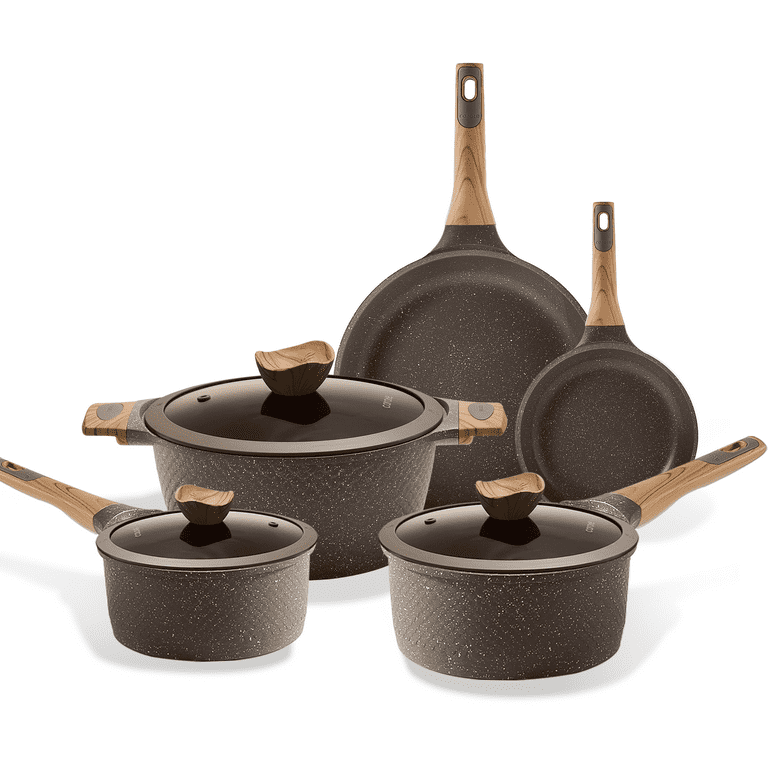
Both coatings offer non-stick benefits, but the choice depends on cooking style and preference for natural materials.
Credit: www.walmart.com
Durability Factors
Granite cookware is popular for its strong build and lasting quality. Its durability is a key reason many cooks choose it. Understanding the main durability factors helps to know why granite cookware stands out. These factors include how well it resists scratches and how evenly it spreads heat. Both affect the cookware’s performance and lifespan. Let’s explore these important features to see what makes granite cookware a solid choice for kitchens.
Scratch Resistance
Scratch resistance is a crucial durability factor in granite cookware. The surface usually has a tough coating made from a combination of natural stone and non-stick materials. This blend creates a hard layer that protects the cookware from scratches caused by metal utensils or rough cleaning tools. Here are some points to consider:
- Hard Surface: The granite coating is harder than many other non-stick surfaces.
- Less Wear and Tear: Scratches are less likely, so the cookware looks new for longer.
- Safe Cooking: The coating stays intact, preventing food from sticking and burning.
Below is a simple comparison table of scratch resistance between common cookware types:
| Cookware Type | Scratch Resistance Level | Typical Lifespan |
|---|---|---|
| Granite Coated | High | 3-5 years |
| Traditional Non-Stick | Medium | 1-3 years |
| Cast Iron | Very High (if seasoned) | 10+ years |
Maintaining scratch resistance means using wooden or silicone utensils and gentle cleaning methods. Avoid abrasive scrubbers to keep the surface smooth and durable.
Heat Distribution
Heat distribution is another key factor in granite cookware durability. Granite cookware has a heavy base, often made from aluminum or stainless steel, which helps spread heat evenly across the surface. This even heating prevents hot spots that can burn food or damage the cookware. Here are some important details:
- Even Cooking: Food cooks uniformly, improving taste and texture.
- Energy Efficient: Less heat loss means faster cooking and energy saving.
- Prevents Warping: The thick base resists bending or warping under high heat.
The table below shows heat distribution qualities of various cookware bases:
| Base Material | Heat Distribution | Durability Under Heat |
|---|---|---|
| Aluminum | Excellent | Good |
| Stainless Steel | Good | Very Good |
| Cast Iron | Fair | Excellent |
Granite cookware often combines aluminum’s heat spread with a hard granite coating. This combination makes it durable and reliable for regular cooking tasks. Proper heat control also extends the cookware’s life by avoiding damage from overheating.
Health And Safety Aspects
Granite cookware is popular for its durability and attractive look. Many wonder about its health and safety aspects. Understanding what these pans are made of helps you cook safely. Granite cookware usually has a base metal, like aluminum or steel, coated with a stone-like finish. This finish is designed to be strong and non-stick without harmful chemicals. Knowing the safety details can help you choose the right cookware for your kitchen.
Chemical-free Surfaces
One main health benefit of granite cookware is its chemical-free cooking surface. Unlike some non-stick pans, granite coatings do not contain PTFE or PFOA. These chemicals can release toxic fumes when overheated. Granite cookware uses natural minerals or ceramic-based coatings that are safer for cooking.
Key points about granite cookware surfaces:
- Non-toxic: No harmful chemicals like PTFE or PFOA.
- Non-stick: Food slides easily, reducing the need for extra oil.
- Scratch-resistant: Coating resists damage, so no flakes mix with food.
- Heat-resistant: Coatings stay stable at normal cooking temperatures.
Here is a simple comparison of common cookware coatings:
| Coating Type | Chemicals Used | Health Risk | Heat Stability |
|---|---|---|---|
| Granite | Natural minerals, ceramic | None | Up to 450°F (232°C) |
| Traditional Non-stick (Teflon) | PTFE, PFOA | Can release fumes if overheated | Up to 500°F (260°C) but unsafe above 450°F |
| Cast Iron | None | None | Very high |
Heavy Metal Concerns
Granite cookware sometimes raises questions about heavy metal content. Metals like lead, cadmium, or arsenic can be dangerous if they leach into food. Trusted brands test their products to ensure they do not release these metals.
Check these facts about heavy metals in granite cookware:
- High-quality granite cookware uses safe, food-grade coatings.
- Regulated manufacturing limits heavy metal presence.
- Low-quality or fake products may pose risks.
- Always buy from reputable brands with safety certifications.
Heavy metal safety tips:
- Do not use scratched or chipped cookware.
- Avoid cookware without clear safety labels.
- Follow manufacturer instructions to maintain the coating.
- Replace old or damaged pans to avoid metal exposure.
Testing for heavy metals includes checking for:
- Lead (Pb)
- Cadmium (Cd)
- Arsenic (As)
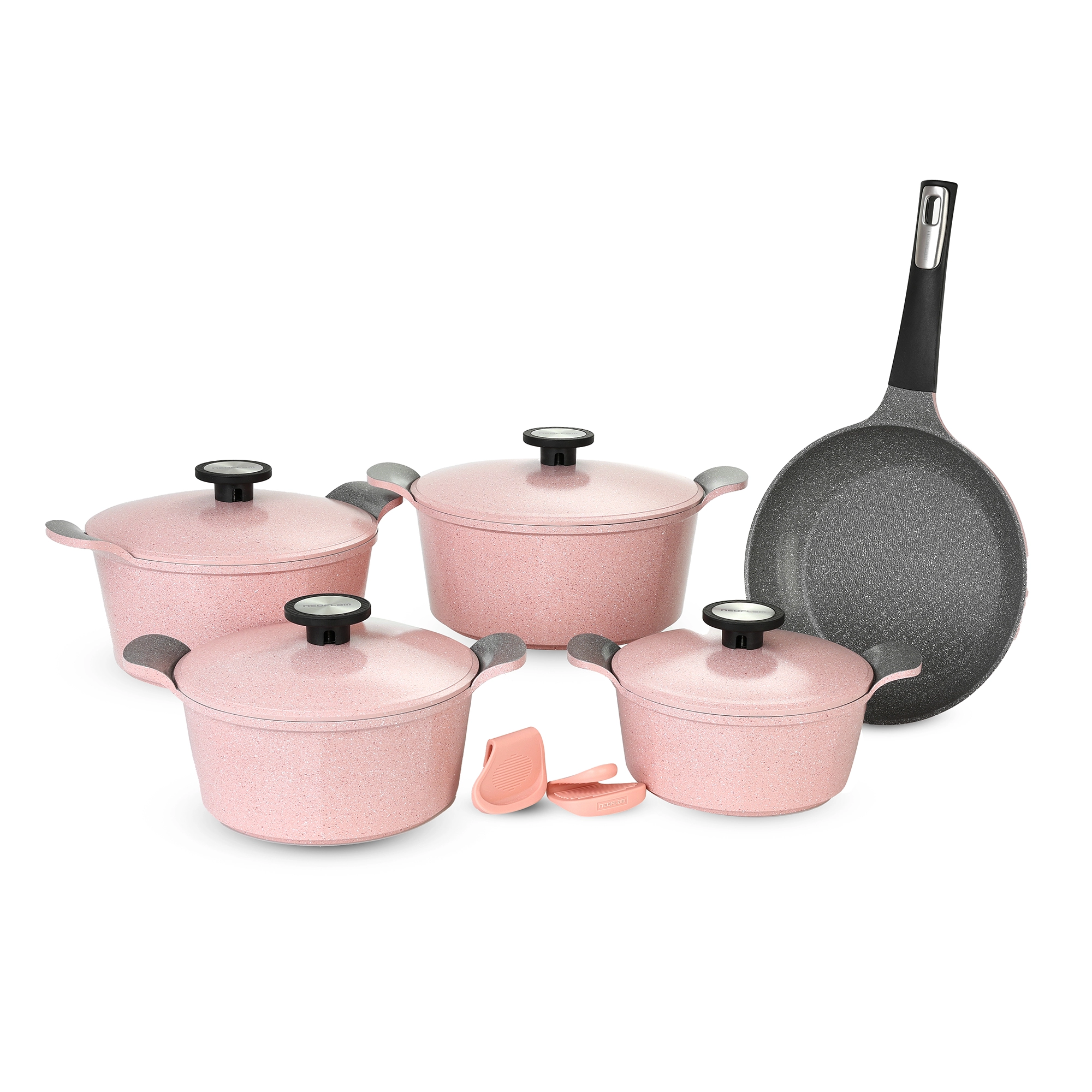
Always store and clean granite cookware properly to keep it safe. Proper care helps prevent any metal leaching and extends the life of the cookware.
Credit: meercato.com
Environmental Impact
Granite cookware is popular for its durability and non-stick surface. But its environmental impact matters too. Understanding how granite cookware affects the planet helps us make better choices. This section explains the environmental effects related to its manufacturing and recyclability.
Manufacturing Process
The manufacturing of granite cookware involves several steps. These steps consume energy and natural resources, impacting the environment.
- Raw materials: Granite cookware usually has a metal base, often aluminum or steel, coated with a granite-like stone finish.
- Coating: The stone coating is made from natural minerals and resins, giving the cookware its non-stick, durable surface.
- Energy use: High heat is needed to bond the coating to the metal base. This process uses electricity or gas, contributing to carbon emissions.
- Waste production: Small amounts of waste material are generated during shaping and coating, requiring proper disposal.
Here is a simple table to show the main environmental factors in the manufacturing process:
| Step | Environmental Impact |
|---|---|
| Raw material extraction | Mining minerals and metals; habitat disturbance |
| Coating application | Use of resins; potential chemical emissions |
| Energy consumption | Electricity or gas use; carbon footprint |
| Waste management | Disposal of scraps and unused materials |
Efforts to reduce impact include using recycled metals and eco-friendly resins. Some factories use solar or wind energy to lower carbon emissions. These steps make granite cookware production greener.
Recyclability
Granite cookware’s recyclability depends on its materials. The metal base is usually recyclable, but the stone coating can complicate the process.
Metal base: Aluminum and steel are widely recycled metals. They can be melted and reused many times without losing quality. Recycling metal saves energy compared to mining new ore.
Stone coating: The granite-like coating is a mix of minerals and synthetic resins. This layer is hard to separate from the metal base. It makes recycling more challenging.
- Some recycling centers accept coated cookware but recycle only the metal parts.
- Others may reject granite cookware due to the coating.
- Proper disposal is important to avoid landfill waste.
Here is a quick overview of recyclability factors:
| Material | Recyclability | Challenges |
|---|---|---|
| Aluminum/Steel base | High | Needs separation from coating |
| Granite-like coating | Low | Mixed minerals and resins |
Tips for consumers:
- Check with local recycling centers about granite cookware rules.
- Consider donating cookware if still usable.
- Choose brands with eco-friendly recycling programs.
Understanding recyclability helps reduce waste and protect the environment. Proper handling of granite cookware at the end of its life is important for sustainability.
Frequently Asked Questions
What Materials Are Used In Granite Cookware?
Granite cookware is typically made from cast aluminum or steel coated with a granite-like non-stick surface. This coating contains mineral particles that mimic natural granite’s texture, making it durable and scratch-resistant. The combination ensures even heat distribution and easy food release during cooking.
Is Granite Cookware Truly Made From Natural Granite?
No, granite cookware does not contain natural granite stone. It features a synthetic coating that resembles granite’s appearance. This coating enhances non-stick properties and durability but is not actual granite rock. The base is usually metal, providing strength and heat conduction.
How Safe Is The Coating On Granite Cookware?
The coating on granite cookware is generally safe for cooking. It is free from harmful chemicals like PFOA and PTFE in most brands. The mineral-based coating prevents food from sticking while ensuring non-toxic, eco-friendly cooking when used as directed.
Does Granite Cookware Require Special Cleaning Methods?
Granite cookware is easy to clean and usually dishwasher safe. Use mild soap and a soft sponge to preserve the coating. Avoid abrasive scrubbers or harsh chemicals, which can damage the surface and reduce the cookware’s lifespan.
Conclusion
Granite cookware combines natural stone with strong materials for durability. It offers even heat and a non-stick surface for easy cooking. Many choose it for its look and health benefits. Caring for it is simple with gentle cleaning and no harsh tools.
Knowing what granite cookware is made of helps you pick the right pans. Trust in its build to cook meals safely and well. A smart choice for everyday kitchen use.

Hello, This is Annie Walker, a 38-year-old blogger, founder, and editor of Cookware Guider from NY, USA. I am a cookware fanatic and passionate cooker. I love to cook with different types of cooking appliances (example: all types of cookware, rice cookers, slow cookers, etc) almost every day in my kitchen. I love to share my experience with my readers in my blog. Also, I enjoy helping people to solve their problems through my website. You can follow me on Twitter & Pinterest. To know details about my blog please check the about us page.