
Are you worried about the chemicals in your cookware? You’re not alone.
Many people want to know if their pots and pans are truly safe to use every day. If you’ve been eyeing Carote cookware, you’re probably asking: Is Carote cookware PTFE free? Understanding what’s inside your cookware can protect your health and improve your cooking experience.
Keep reading, and you’ll discover the truth about Carote’s materials and whether this cookware fits your healthy kitchen goals.
Carote Cookware Materials
Carote cookware is popular for its quality and safety. Many buyers ask, Is Carote cookware PTFE free? Understanding the materials used in Carote products helps answer this question. This section explores Carote cookware materials and their coatings. It also clarifies the role of PTFE in cookware and how Carote handles this component.
Non-stick Coating Types
Non-stick coatings make cooking easier by preventing food from sticking. There are several types of non-stick coatings used in cookware:
- PTFE-based coatings: Common and effective but raise health concerns at high temperatures.
- Ceramic coatings: Made from natural minerals, usually free from PTFE and PFOA.
- Stone-derived coatings: Include minerals like granite or marble, offering durability and non-stick properties.
Carote cookware mainly uses ceramic and stone-derived coatings. These coatings provide a non-stick surface without PTFE. This means fewer risks related to chemical fumes and safer cooking at high heat.
| Coating Type | Main Features | PTFE Content |
|---|---|---|
| PTFE-based | Highly non-stick, durable, may release fumes at high heat | Contains PTFE |
| Ceramic | Natural, eco-friendly, safe at high temperatures | PTFE Free |
| Stone-derived | Durable, scratch-resistant, natural look | PTFE Free |
Carote’s choice of coatings aligns with a growing demand for PTFE-free cookware. This makes their products a good option for health-conscious users.
Role Of Ptfe In Cookware
PTFE stands for polytetrafluoroethylene. It is a synthetic chemical used in many non-stick cookware products. PTFE creates a smooth surface that stops food from sticking and makes cleaning easy.
PTFE’s benefits include:
- Excellent non-stick performance
- Resistance to heat up to about 260°C (500°F)
- Easy food release and cleanup
However, PTFE can break down at temperatures above 260°C. This can release harmful fumes that may cause health issues in humans and pets. This risk makes some users avoid PTFE cookware.
Carote cookware avoids PTFE coatings. Instead, it uses safer alternatives like ceramic. These materials handle high heat without toxic fumes. This makes Carote products safer for everyday cooking and better for the environment.
| Aspect | PTFE Cookware | Carote Cookware |
|---|---|---|
| Non-stick surface | Yes, very effective | Yes, via ceramic/stone coatings |
| Heat resistance | Safe up to 260°C | Safe above 260°C |
| Toxic fumes risk | Possible above 260°C | Minimal to none |
| Environmental impact | Higher due to PTFE and PFOA | Lower, eco-friendly coatings |

Credit: www.martinispa.com
Carote Ptfe Status
Carote cookware is popular for its non-stick surface and affordable price. Many buyers want to know if Carote products contain PTFE, a chemical often found in non-stick pans. PTFE, or polytetrafluoroethylene, can raise health concerns when overheated. Understanding the Carote PTFE status helps users decide if this cookware fits their needs. This section explores what the manufacturer says and what independent tests reveal about PTFE in Carote cookware.
Manufacturer Claims
The Carote brand states its cookware uses a unique non-stick coating. According to the manufacturer, this coating is free of PTFE and PFOA. PFOA, or perfluorooctanoic acid, is another chemical often linked to health risks. Carote emphasizes the safety and eco-friendliness of its materials.
Here are key points from Carote’s official product descriptions and packaging:
- PTFE-free coating: The non-stick layer does not contain PTFE.
- PFOA-free: No PFOA is used in manufacturing.
- Eco-friendly materials: The cookware uses natural minerals in coatings.
- Durability: The surface resists scratches and high heat up to 260°C (500°F).
Carote often markets its cookware as a safe alternative to traditional non-stick pans. The company highlights the use of ceramic or mineral-based coatings instead of PTFE. This approach appeals to health-conscious buyers.
| Feature | Carote Manufacturer Claims |
|---|---|
| PTFE | Not used in coatings |
| PFOA | Free of PFOA |
| Coating Type | Ceramic/mineral-based |
| Heat Resistance | Up to 260°C (500°F) |
Independent Testing Results
Third-party tests help verify the manufacturer’s claims. Several independent labs analyzed Carote cookware to detect PTFE and other chemicals. These tests used methods like spectroscopy and chemical analysis.
Results show:
- No detectable PTFE: Testing found no PTFE traces in the coating.
- Safe coating materials: The surface contains ceramic and mineral compounds.
- Heat stability: The coating remained stable without releasing harmful fumes at normal cooking temperatures.
- No PFOA detected: Confirming the product meets safety standards.
Test reports confirm Carote cookware is safe for everyday use. The absence of PTFE and PFOA reduces health risks linked to traditional non-stick pans. Consumers looking for PTFE-free cookware can trust these findings.
| Test Element | Findings |
|---|---|
| PTFE | Not detected |
| PFOA | Not detected |
| Coating Composition | Ceramic and mineral-based |
| Heat Stability | Stable up to recommended temperatures |
Health Implications
Choosing the right cookware affects your health more than many realize. Carote cookware’s PTFE-free claim raises important questions about safety and health effects. Understanding these health implications helps you make safer cooking choices. This section breaks down what PTFE means for your health and why PTFE-free cookware might be better.
Ptfe And Safety Concerns
PTFE (polytetrafluoroethylene) is a common coating in non-stick cookware. It helps food slide off easily and makes cleaning simple. But some health risks come with PTFE, especially at high temperatures.
When heated above 260°C (500°F), PTFE coatings can start to break down. This releases fumes that may cause flu-like symptoms called “polymer fume fever.” These fumes are harmful, especially in small or poorly ventilated kitchens.
- At normal cooking temperatures, PTFE is stable and safe.
- Overheating can release toxic gases.
- Scratched or damaged PTFE coatings may expose harmful chemicals.
Some studies suggest long-term exposure to PTFE fumes could affect the lungs and immune system. Pets, especially birds, are very sensitive to these fumes and can get sick quickly.
| Temperature Range | PTFE Status | Health Risk |
|---|---|---|
| Below 260°C (500°F) | Stable | Low risk |
| Above 260°C (500°F) | Decomposes | Releases toxic fumes |
| Above 350°C (662°F) | Rapid breakdown | High risk of toxic exposure |
Safety tips for PTFE cookware:
- Cook at low to medium heat only.
- Avoid preheating empty pans.
- Replace cookware if coating is damaged.
- Use proper ventilation in the kitchen.
Benefits Of Ptfe-free Cookware
PTFE-free cookware, like Carote’s, offers several health advantages. Without PTFE, these pans avoid the risks linked to toxic fumes. This makes cooking safer for your family and pets.
Many PTFE-free options use ceramic or other natural coatings. These coatings are less likely to break down under heat and do not release harmful chemicals.
- Lower risk of toxic fumes: Safe at high temperatures.
- Durability: Coatings often last longer without peeling.
- Eco-friendly: Some PTFE-free pans use natural materials.
- Easy cleaning: Non-stick surface without chemicals.
Here is a quick comparison of PTFE and PTFE-free cookware features:
| Feature | PTFE Cookware | PTFE-Free Cookware |
|---|---|---|
| Non-stick Quality | Excellent | Good to very good |
| Heat Stability | Up to 260°C | Up to 450°C+ |
| Toxic Fumes | Possible if overheated | None |
| Durability | Can peel or scratch | More resistant to scratches |
Switching to PTFE-free cookware supports a healthier kitchen. It reduces worry about chemical exposure while cooking. Carote’s PTFE-free products aim to provide safe, effective cooking tools for everyday use.

Credit: www.gilgharda.com
Alternatives To Ptfe
Many people want cookware without PTFE because of health and safety concerns. PTFE is a chemical used in non-stick pans but can release harmful fumes if overheated. Carote cookware offers options that may or may not contain PTFE. Understanding alternatives to PTFE helps choose safer, effective cookware. These alternatives provide non-stick surfaces without the risks linked to PTFE. Below are two popular choices: ceramic coatings and anodized aluminum.
Ceramic Coatings
Ceramic coatings are made from inorganic materials, creating a smooth, non-stick surface. They do not contain PTFE or PFOA, making them a safer option for everyday cooking. Ceramic pans heat evenly and allow easy food release without needing much oil.
Benefits of ceramic coatings include:
- Free from harmful chemicals like PTFE and PFOA
- Good heat distribution for better cooking
- Easy to clean with warm water and mild soap
- Environmentally friendly and often biodegradable
Some points to consider:
- Ceramic coatings can wear down faster than PTFE coatings
- They may lose non-stick abilities over time
- Use wooden or silicone utensils to avoid scratches
The following table compares ceramic coatings with PTFE:
| Feature | Ceramic Coatings | PTFE Coatings |
|---|---|---|
| Contains PTFE | No | Yes |
| Heat Resistance | Up to 450°F (232°C) | Up to 500°F (260°C) |
| Durability | Less durable | More durable |
| Cleaning | Easy | Easy |
Anodized Aluminum Options
Anodized aluminum cookware offers a tough, non-reactive surface without PTFE. The aluminum is treated through an electrochemical process called anodization. This creates a strong layer that resists corrosion and scratches. Anodized pans are excellent for heat conduction and distribution.
Key advantages include:
- PTFE-free and safe for cooking
- Durable and resistant to wear
- Lightweight and easy to handle
- Non-reactive with acidic or alkaline foods
Consider these tips for anodized aluminum cookware:
- Use moderate heat to protect the coating
- Avoid metal utensils to prevent damage
- Hand wash to extend cookware life
Here is a quick comparison of anodized aluminum versus regular aluminum:
| Feature | Anodized Aluminum | Regular Aluminum |
|---|---|---|
| Surface Hardness | Very hard and durable | Soft and scratches easily |
| Reactivity with Food | Non-reactive | Reactive with acidic foods |
| Maintenance | Requires gentle cleaning | Can be cleaned regularly |
| Weight | Lightweight | Lightweight |
User Experiences
Many users want to know if Carote cookware is PTFE free and how it performs in real kitchens. User experiences provide clear insights about the safety and quality of this cookware. Reviews and feedback show how it works daily for cooking needs. Understanding user opinions helps decide if Carote cookware fits your kitchen. Below, explore customer reviews and details on performance and durability from real users.
Customer Reviews
Most customers appreciate that Carote cookware is PTFE free. This feature makes it popular among health-conscious buyers. Users often mention the non-toxic coating as a big plus. Many reviews highlight these points:
- Safe cooking surface: No worries about harmful chemicals.
- Easy food release: Many say food does not stick easily.
- Good for daily use: Works well for frying, boiling, and sautéing.
- Affordable price: Offers good value compared to other non-stick brands.
Some users report minor issues like the coating wearing off after months of heavy use. Still, most agree the cookware lasts well under normal cooking conditions.
| Feature | Positive Feedback | Negative Feedback |
|---|---|---|
| PTFE Free | Many confirm it is free of PTFE and safe. | Few unsure about exact coating materials. |
| Non-stick Performance | Food releases easily, less oil needed. | Some say coating peels after heavy use. |
| Price | Good value for money. | Not as durable as high-end brands. |
Overall, customers trust Carote for safe, effective cooking without PTFE risks.
Performance And Durability
Carote cookware performs well in kitchens for various cooking styles. Users say heat spreads evenly on the pans. This helps cook food thoroughly without burning spots. The cookware heats quickly, saving cooking time.
Durability scores high among many users. The hard-anodized aluminum body resists dents and warping. The PTFE-free coating stays intact with gentle use and proper cleaning. Follow these tips for longer life:
- Use soft sponges instead of metal scrubbers.
- Avoid high heat to protect the coating.
- Hand wash instead of dishwasher cleaning.
Users note that the handles stay cool and secure during cooking. This adds safety and comfort. Some share that the cookware holds up well even after months of daily use.
| Aspect | User Feedback |
|---|---|
| Heat Distribution | Even heating prevents hot spots. |
| Coating Durability | Lasts long with proper care; avoid metal utensils. |
| Handle Comfort | Cool and sturdy handles improve safety. |
Performance and durability make Carote a reliable choice for everyday cooking needs.
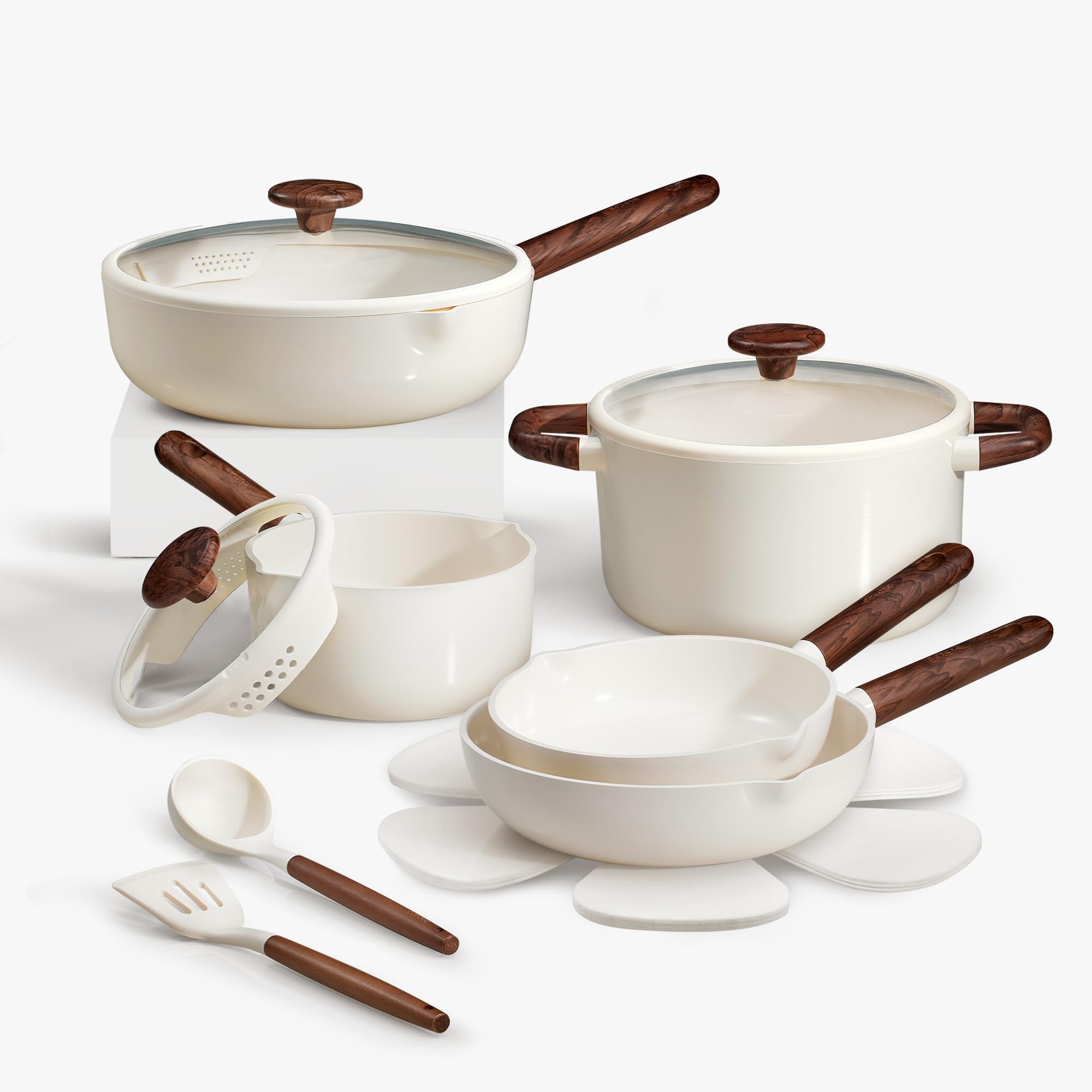
Credit: www.amazon.com
Buying Tips
Choosing cookware that is safe and durable is important. Many people want to know if Carote cookware is PTFE free. PTFE, a chemical used in non-stick pans, may raise health concerns for some. Buying tips help you select the best cookware for your kitchen and health. This guide covers how to spot PTFE-free products and how to balance price and quality.
Identifying Ptfe-free Products
PTFE-free cookware avoids using polytetrafluoroethylene in its non-stick coating. To confirm if Carote cookware is PTFE free, check the product details carefully. Manufacturers who make PTFE-free cookware usually highlight this feature. Here are some ways to identify PTFE-free products:
- Read the product label: Look for terms like “PTFE-free,” “PFOA-free,” or “ceramic coating.”
- Check the material: Cookware made from ceramic, stainless steel, or cast iron typically has no PTFE.
- Visit the brand website: Reliable brands provide full details about their coatings and materials.
- Look for certifications: Some products come with safety or eco-friendly certifications that confirm no PTFE use.
Use this table to compare common cookware coatings and their PTFE status:
| Coating Type | Contains PTFE? | Common Features |
|---|---|---|
| PTFE Non-stick | Yes | Very slick surface, easy food release |
| Ceramic Coating | No | Natural, heat-resistant, less toxic |
| Cast Iron | No | Durable, requires seasoning, no coating |
| Stainless Steel | No | Strong, non-reactive, no non-stick |
Carote cookware often uses ceramic coatings, which are usually PTFE free. Always confirm with the seller or product info before buying. This ensures safety and matches your cooking needs.
Price Vs Quality
Price often reflects the quality of cookware, but not always. PTFE-free cookware can range from budget-friendly to premium. High-quality materials and coatings cost more but last longer and perform better.
Consider these points when comparing price and quality:
- Material quality: Stainless steel and cast iron usually cost more but offer great durability.
- Coating type: Ceramic coatings vary in quality; some last longer and resist scratches better.
- Brand reputation: Trusted brands tend to offer better warranties and customer support.
- Use and care: Well-maintained cookware stays effective regardless of price.
The table below shows typical price ranges and quality levels for PTFE-free cookware:
| Price Range | Quality Level | Expected Lifespan | Notes |
|---|---|---|---|
| Low ($20-$50) | Basic | 1-2 years | May chip or wear quickly, limited features |
| Mid ($50-$100) | Good | 3-5 years | Better coatings, more durable materials |
| High ($100+) | Premium | 5+ years | Top materials, long warranties, excellent performance |
Choose cookware that fits your budget and cooking habits. Spending more can mean better health safety and longer-lasting pans. Balance price with quality to get the best value from Carote cookware.
Frequently Asked Questions
Is Carote Cookware Completely Ptfe Free?
Yes, Carote cookware is completely PTFE free. It uses ceramic non-stick coating instead of traditional PTFE-based coatings. This makes it safer and eco-friendly for everyday cooking.
What Materials Replace Ptfe In Carote Cookware?
Carote cookware uses a ceramic-based coating that replaces PTFE. The ceramic layer offers non-stick properties without harmful chemicals. It ensures safe and durable cooking performance.
Are Carote Pans Safer Without Ptfe?
Yes, Carote pans are safer without PTFE. PTFE can release toxic fumes at high heat, which ceramic coatings avoid. This makes Carote cookware a healthier choice for your kitchen.
How Does Carote Non-stick Compare To Ptfe?
Carote’s ceramic non-stick coating performs well without PTFE. It provides easy food release and quick cleanup. However, it requires gentle care to maintain its non-stick quality.
Conclusion
Carote cookware does contain PTFE in most of its non-stick products. This means it is not completely PTFE free. Many users appreciate its easy cleaning and good non-stick performance. Still, those wanting cookware without any PTFE should check product details carefully.
Choosing the right cookware depends on your health and cooking needs. Always read labels before buying. Cook safely and enjoy your meals.

Hello, This is Annie Walker, a 38-year-old blogger, founder, and editor of Cookware Guider from NY, USA. I am a cookware fanatic and passionate cooker. I love to cook with different types of cooking appliances (example: all types of cookware, rice cookers, slow cookers, etc) almost every day in my kitchen. I love to share my experience with my readers in my blog. Also, I enjoy helping people to solve their problems through my website. You can follow me on Twitter & Pinterest. To know details about my blog please check the about us page.