
You probably use cookware every day, but have you ever stopped to wonder if it’s truly safe? When it comes to PFAS, a group of chemicals found in some non-stick pans, the question “Is PFAS safe in cookware?” is more important than ever.
These chemicals promise easy cooking and quick cleaning, but what do they mean for your health? If you want to protect yourself and your family while still enjoying your favorite meals, keep reading. This article will help you understand the risks and benefits, so you can make the best choice for your kitchen and your well-being.
What Are Pfas?
PFAS are chemicals used in many products, including cookware. They help make surfaces non-stick and resistant to heat. Understanding what PFAS are is key to deciding if cookware with these chemicals is safe for home use. Let’s explore what PFAS really are and why they matter.
What Does Pfas Stand For?
PFAS means Per- and Polyfluoroalkyl Substances. These are man-made chemicals with strong carbon-fluorine bonds. This bond makes PFAS very stable and resistant to heat, water, and oil. Manufacturers use them in cookware to create non-stick coatings.
Common Uses Of Pfas
- Non-stick cookware like frying pans and baking sheets
- Food packaging that resists grease and moisture
- Waterproof clothing and fabrics
- Firefighting foams
- Cosmetics and cleaning products
Why Are Pfas So Persistent?
PFAS do not break down easily in the environment. They can stay for years in soil, water, and living beings. This persistence earned them the nickname “forever chemicals.”
| Property | Explanation |
|---|---|
| Chemical Stability | Strong carbon-fluorine bonds resist heat and chemicals |
| Water and Oil Resistance | Repels water, oil, and stains effectively |
| Persistence | Remains in the environment and body for long periods |
Health Concerns Linked To Pfas
Studies suggest PFAS may cause health problems. Some include:
- Hormone disruption
- Immune system effects
- Increased cholesterol levels
- Risk of certain cancers
These concerns raise questions about using PFAS-coated cookware daily.
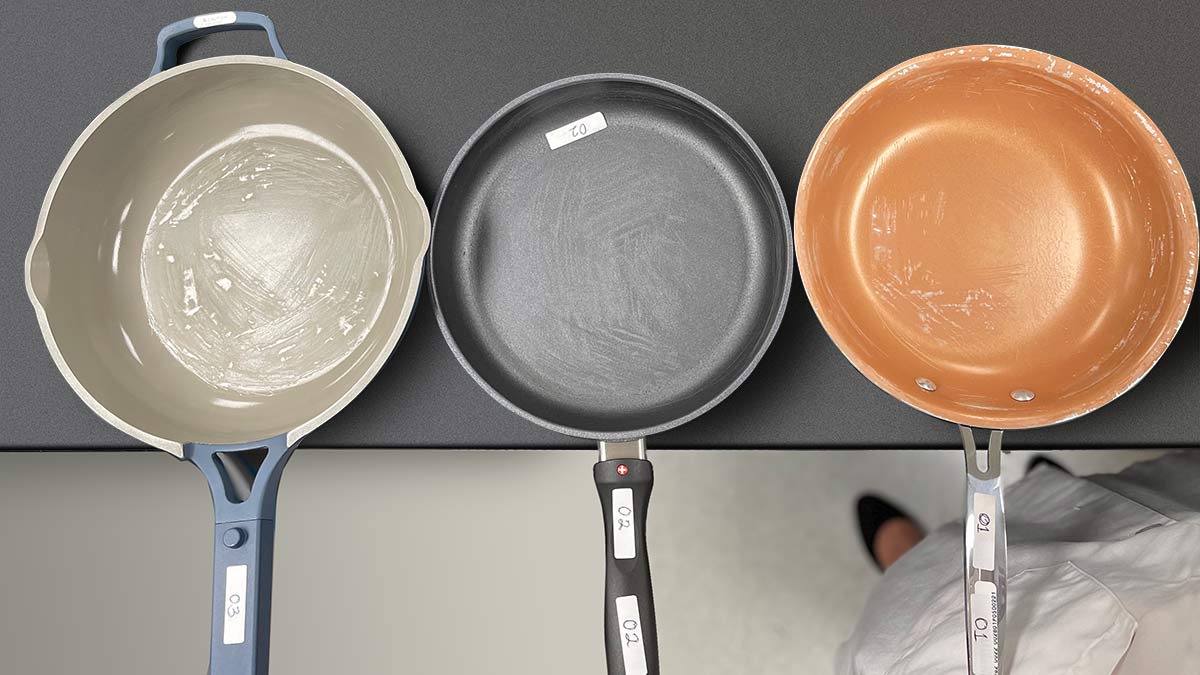
Credit: www.consumerreports.org
Pfas In Cookware
PFAS, or per- and polyfluoroalkyl substances, are chemicals used in many products for their water and grease resistance. Cookware often contains PFAS to create a non-stick surface. This makes cooking and cleaning easier. But questions about safety arise because PFAS can stay in the environment and body for a long time.
What Are Pfas Chemicals?
PFAS are man-made chemicals designed to resist heat, water, and oil. They include thousands of different compounds, but the most common ones in cookware are PFOA and PFOS. These chemicals help make non-stick coatings like Teflon.
PFAS are strong and do not break down easily. This means they can build up in the environment and living things. Scientists worry about their possible health effects.
How Pfas Work In Cookware
- PFAS create a smooth, non-stick layer on pans.
- This layer prevents food from sticking during cooking.
- It also makes cleaning pans much easier.
- PFAS coatings resist high heat and grease.
These properties make PFAS popular in non-stick cookware brands. The coating is usually very thin but covers the entire cooking surface.
Health Concerns Linked To Pfas
Studies show PFAS can affect the liver, immune system, and hormone levels. Some types of PFAS may raise cancer risk. They can also pass from cookware into food if the pan is scratched or overheated.
Long-term exposure to PFAS is the main concern. It can happen through eating contaminated food or using cookware with worn coatings.
Pfas Types Found In Cookware
| PFAS Chemical | Use in Cookware | Health Risk Level |
|---|---|---|
| PFOA (Perfluorooctanoic Acid) | Used in older non-stick coatings | High – linked to cancer and liver damage |
| PFOS (Perfluorooctanesulfonic Acid) | Used in stain-resistant coatings | High – persistent and toxic |
| GenX Chemicals | Newer alternative to PFOA | Moderate – less studied but still concerning |
How To Reduce Pfas Exposure From Cookware
- Use cookware with no or low PFAS content.
- Avoid heating non-stick pans above recommended temperatures.
- Replace old, scratched non-stick pans.
- Choose alternatives like stainless steel or cast iron.
- Follow manufacturer instructions carefully.
Health Risks Linked To Pfas
Health Risks Linked to PFAS have raised serious concerns about the safety of PFAS in cookware. PFAS (per- and polyfluoroalkyl substances) are chemicals used to make non-stick surfaces. These chemicals do not break down easily and can build up in the environment and in our bodies. Many studies suggest that long-term exposure to PFAS may cause health problems. Understanding these risks helps people make safer choices about cookware and other products.
Exposure Routes
People can be exposed to PFAS through many ways. In cookware, PFAS may enter food during cooking, especially if the coating is scratched or overheated. Other common exposure routes include:
- Food: PFAS can contaminate fish, meat, and vegetables grown in polluted soil or water.
- Drinking Water: Some water sources have PFAS due to industrial pollution.
- Household Dust: PFAS can be found in dust from treated carpets, furniture, and textiles.
- Air: Breathing air near factories that produce or use PFAS.
In cookware, damaged non-stick surfaces can release PFAS into food. High heat can also cause the chemicals to break down and enter meals. Using cookware with intact coatings and avoiding overheating can reduce exposure.
| Exposure Route | How PFAS Enter Body | Examples |
|---|---|---|
| Food | Eating contaminated food | Fish, vegetables, fast food wrappers |
| Drinking Water | Drinking polluted water | Well water near factories |
| Household Dust | Inhaling or swallowing dust | Carpets, furniture coatings |
| Air | Breathing contaminated air | Near manufacturing plants |
Potential Health Effects
Research links PFAS exposure to many health problems. These chemicals stay in the body for years and may affect organs and systems. Some possible health effects include:
- Immune System: PFAS can reduce vaccine response and increase infections.
- Hormonal Disruption: They may alter thyroid hormone levels and affect growth.
- Cancer Risks: Some studies connect PFAS to kidney and testicular cancer.
- Reproductive Issues: PFAS may lower fertility and cause pregnancy complications.
- Cholesterol Levels: Exposure can raise bad cholesterol, increasing heart disease risk.
Children and pregnant women are especially vulnerable. The table below shows common health effects and their impacts:
| Health Effect | Description | Population at Risk |
|---|---|---|
| Immune Suppression | Lowered ability to fight infections | All ages, especially children |
| Hormone Changes | Disruption in thyroid and growth hormones | Pregnant women, children |
| Cancer | Increased risk of kidney and testicular cancers | Adults exposed long-term |
| Reproductive Harm | Problems with fertility and fetal development | Women of childbearing age |
| Cholesterol Increase | Higher LDL cholesterol, heart disease risk | Adults, especially with other risk factors |

Credit: www.amazon.com
Regulations And Safety Standards
Regulations and Safety Standards play a key role in deciding if PFAS chemicals are safe in cookware. PFAS, or per- and polyfluoroalkyl substances, are used to make non-stick coatings. These chemicals last a long time in the environment and may affect health. Governments and organizations have set rules to limit PFAS risks in kitchen tools. These rules help protect people from unsafe exposure.
Regulatory Agencies Overseeing Pfas In Cookware
Several agencies monitor PFAS safety in cookware:
- EPA (Environmental Protection Agency) – Sets limits on PFAS in water and consumer goods.
- FDA (Food and Drug Administration) – Regulates food contact materials, including cookware coatings.
- European Chemicals Agency (ECHA) – Controls PFAS use in Europe through REACH regulations.
These agencies require testing and reporting to ensure cookware meets safety standards.
Safety Standards And Testing Methods
Cookware with PFAS must pass strict safety tests. These include:
- Migration Testing: Measures chemical movement from cookware to food.
- Thermal Stability Tests: Checks if PFAS chemicals break down at cooking temperatures.
- Durability Tests: Ensures coatings do not chip or wear easily.
Products that pass these tests get certified safe for consumer use.
Current Limits On Pfas In Cookware
| Region | PFAS Limit in Cookware | Testing Frequency |
|---|---|---|
| USA | Trace levels below 100 parts per billion (ppb) | Annual product batch testing |
| European Union | Below 50 ppb under REACH | Random inspections and testing |
| Japan | Strict bans on specific PFAS types | Certification before market release |
How Consumers Can Identify Safe Cookware
- Look for labels like “PFAS-free” or “PFOA-free”.
- Check if the product has FDA or EPA approval.
- Buy from well-known brands with clear safety testing.
Following regulations reduces health risks from PFAS in cookware.
Alternatives To Pfas Cookware
Concerns about PFAS in cookware have led many to seek safer options for everyday cooking. PFAS, or per- and polyfluoroalkyl substances, can release harmful chemicals when heated. Choosing alternatives without PFAS offers peace of mind and healthier meals. Several non-PFAS cookware types provide good cooking performance without the risks associated with these chemicals. Exploring these options helps make informed choices for a safer kitchen.
Non-pfas Options
Many cookware types avoid PFAS and still deliver excellent cooking results. Here are some popular non-PFAS cookware materials:
- Stainless Steel: Durable and non-reactive, ideal for browning and sautéing.
- Cast Iron: Excellent heat retention and natural non-stick when seasoned properly.
- Ceramic: Made from natural clay and minerals, ceramic coatings are free from synthetic chemicals.
- Glass: Non-toxic and perfect for baking or slow cooking.
These options work well for different cooking styles and preferences. Each type has unique qualities that suit various recipes and heat levels.
| Cookware Type | Key Features | Typical Use |
|---|---|---|
| Stainless Steel | Strong, scratch-resistant, non-reactive | Searing, boiling, frying |
| Cast Iron | Heavy, excellent heat retention, natural non-stick | Frying, baking, slow cooking |
| Ceramic | Non-toxic, smooth surface, easy to clean | Light frying, simmering, baking |
| Glass | Non-reactive, transparent, heat resistant | Baking, roasting, microwaving |
Benefits And Drawbacks
Each non-PFAS cookware type offers distinct benefits but also comes with some drawbacks. Understanding these helps choose the best fit for your kitchen.
- Stainless Steel: Lasts long and resists rust but can stick without enough oil.
- Cast Iron: Great for heat but requires care to avoid rust and maintain seasoning.
- Ceramic: Easy to clean and non-toxic but coatings may wear out faster than metals.
- Glass: Safe and easy to see food but can break or chip easily.
Consider your cooking habits and maintenance willingness when selecting non-PFAS cookware. Some require more care but offer excellent health safety.
| Cookware Type | Benefits | Drawbacks |
|---|---|---|
| Stainless Steel | Durable, safe, versatile | Food can stick, uneven heat |
| Cast Iron | Retains heat, natural non-stick | Heavy, needs seasoning, rust risk |
| Ceramic | Non-toxic, easy cleanup | Coating can wear, less durable |
| Glass | Non-reactive, visible cooking | Fragile, limited stovetop use |
Tips For Safe Cookware Use
Cookware with PFAS coatings can make cooking easier, but safety matters most. Using cookware safely helps reduce risks linked to chemicals. Follow simple tips to protect your health and keep your cookware in good shape.
Use Low To Medium Heat
High heat can break down PFAS coatings. This releases harmful substances into your food. Cook on low or medium heat to keep coatings intact. Avoid preheating empty pans for long times.
Do Not Scratch Or Abrade The Surface
Scratches damage the non-stick layer, exposing chemicals beneath. Use wooden, silicone, or plastic utensils. Avoid metal tools that can chip the surface. Gently clean your cookware with soft sponges.
Replace Worn-out Cookware
Old, scratched, or peeling pans may release more chemicals. Replace cookware if the coating looks damaged. A well-maintained pan is safer for cooking. Check pans regularly for signs of wear.
Hand Wash Instead Of Dishwasher
Dishwashers use harsh detergents and hot water. These can damage PFAS coatings faster. Wash pans by hand with mild soap and a soft cloth. Dry immediately to prevent damage and rust.
Ventilate Your Kitchen During Cooking
Heating PFAS cookware can release fumes. Proper ventilation reduces inhaling these fumes. Open windows or use an exhaust fan while cooking. Fresh air keeps your kitchen safer.
Check Cookware Labels And Choose Wisely
Look for cookware labeled PFAS-free or PFOA-free. These products use safer materials. Avoid cheap pans with unknown coatings. Investing in quality cookware helps protect health.
| Tip | Why It Matters | How to Apply |
|---|---|---|
| Use Low to Medium Heat | Prevents chemical breakdown | Cook at low heat, avoid empty pan heating |
| Do Not Scratch Surface | Protects coating from damage | Use non-metal utensils, soft cleaning tools |
| Replace Worn Cookware | Reduces chemical exposure | Monitor wear and replace damaged pans |
| Hand Wash Only | Prevents coating erosion | Use mild soap and soft cloth |
| Ventilate Kitchen | Limits inhaling fumes | Open windows or use exhaust fans |

Credit: www.sfenvironment.org
Frequently Asked Questions
What Is Pfas And Why Is It Used In Cookware?
PFAS are synthetic chemicals used for their non-stick, heat-resistant properties in cookware coatings. They help prevent food from sticking and make cleaning easier. However, concerns about their safety and environmental impact have increased recently.
Is Pfas Safe For Cooking At High Temperatures?
PFAS can break down at very high temperatures, releasing harmful fumes. It’s best to avoid overheating non-stick cookware to reduce health risks. Cooking on low to medium heat minimizes PFAS exposure.
Can Pfas Chemicals Leach Into Food From Cookware?
Yes, damaged or scratched PFAS-coated cookware may release chemicals into food. Using undamaged pans and avoiding metal utensils helps prevent chemical leaching and keeps cooking safe.
Are There Safer Alternatives To Pfas Cookware?
Yes, options like ceramic, stainless steel, and cast iron provide safe, non-toxic cooking surfaces. These alternatives do not contain PFAS and offer durability without health risks.
Conclusion
PFAS in cookware may cause health risks over time. These chemicals can build up in the body. Choosing cookware without PFAS reduces possible dangers. Many safe, PFAS-free options exist in stores today. Reading labels helps you pick healthier cookware. Your health matters most when cooking daily.
Simple changes can protect you and your family. Stay informed and choose wisely for safer meals.

Hello, This is Annie Walker, a 38-year-old blogger, founder, and editor of Cookware Guider from NY, USA. I am a cookware fanatic and passionate cooker. I love to cook with different types of cooking appliances (example: all types of cookware, rice cookers, slow cookers, etc) almost every day in my kitchen. I love to share my experience with my readers in my blog. Also, I enjoy helping people to solve their problems through my website. You can follow me on Twitter & Pinterest. To know details about my blog please check the about us page.