
Are you worried about the chemicals in your cookware affecting your health? Choosing the right pots and pans is more important than you might think.
Ceramic non-toxic cookware promises a safer way to cook your favorite meals without harmful toxins. But is it really as safe as it sounds? You’ll discover the truth about ceramic cookware, how it affects your health, and what you need to know before making a choice.
Keep reading to protect yourself and your loved ones every time you cook.
Ceramic Cookware Basics
Ceramic cookware has gained popularity for its sleek look and promise of safe cooking. Understanding ceramic cookware basics helps decide if it suits your kitchen needs. This cookware is often praised for its non-toxic nature and ease of use. It offers a different cooking experience compared to traditional metal pans. Knowing what ceramic cookware is made of and the types of ceramic coatings available is key to making a smart choice.
Material Composition
Ceramic cookware mainly consists of natural materials that make it safe and eco-friendly. It usually starts with a base metal or glass material coated with a layer of ceramic. This ceramic layer is made from inorganic minerals like silica, clay, and oxygen. These minerals create a hard, smooth surface that resists scratches and heat.
The core materials used in ceramic cookware include:
- Aluminum or stainless steel base: Provides strength and good heat conduction.
- Silica-based ceramic coating: Forms the non-stick, smooth cooking surface.
- Natural clays and minerals: Enhance durability and heat resistance.
The ceramic layer does not contain harmful chemicals like PTFE or PFOA. These chemicals are common in some non-stick pans but can release toxins when heated. Ceramic cookware offers a safer alternative with fewer health concerns.
| Material | Function | Health Impact |
|---|---|---|
| Aluminum Base | Heat conduction | Safe if coated properly |
| Silica Ceramic Coating | Non-stick surface | Non-toxic, chemical-free |
| Natural Clays | Durability and heat resistance | Eco-friendly and safe |
Types Of Ceramic Coatings
Ceramic cookware coatings vary in quality and application method. Understanding these types helps choose the right pan for your needs. Ceramic coatings can be fully ceramic or ceramic-infused with other materials. Each type affects durability, heat distribution, and safety.
Common types of ceramic coatings include:
- Pure Ceramic Coating: Made entirely from inorganic minerals. Offers a smooth, hard surface that is scratch-resistant and non-toxic.
- Ceramic-Infused Coating: Combines ceramic particles with a resin or non-stick layer. This type improves non-stick performance but may contain small amounts of synthetic substances.
- Sol-Gel Ceramic Coating: Created through a chemical process that forms a thin ceramic layer. It is durable and often used in high-end cookware.
Each coating type has pros and cons. Pure ceramic coatings are the safest and most natural. Ceramic-infused coatings may offer better stick resistance but require careful use to avoid damage. Sol-gel coatings balance durability and safety but come at a higher price.
| Coating Type | Key Features | Care Tips |
|---|---|---|
| Pure Ceramic | Non-toxic, scratch-resistant, natural | Use wooden or silicone tools only |
| Ceramic-Infused | Enhanced non-stick, may contain resin | Avoid high heat and metal utensils |
| Sol-Gel Ceramic | Durable, thin ceramic layer | Hand wash recommended for longevity |
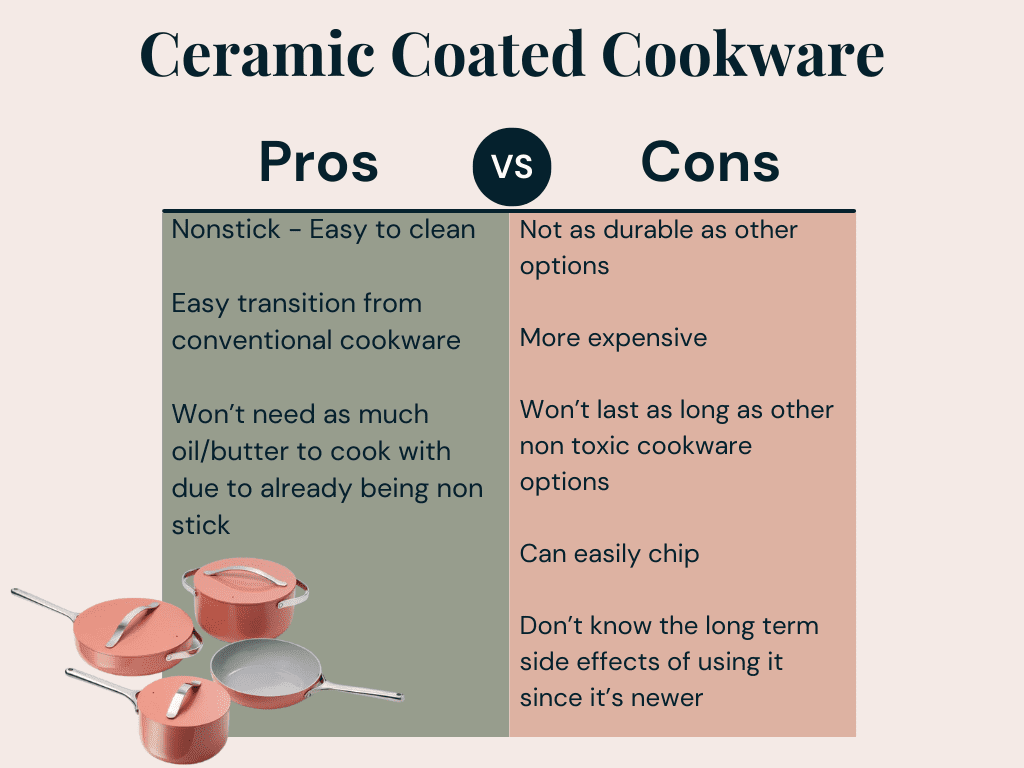
Credit: gurlgonegreen.com
Health Benefits Of Ceramic Cookware
Ceramic cookware has become popular for healthy cooking. Many people want to know if ceramic cookware is non-toxic and safe to use daily. Ceramic pots and pans offer several health benefits compared to traditional cookware. They provide a clean cooking experience without harmful chemicals or unwanted reactions with food. Understanding these benefits helps make better choices for kitchen tools and overall well-being.
Free From Harmful Chemicals
Ceramic cookware is known for being free from harmful chemicals found in some other types of cookware. It does not contain PTFE (polytetrafluoroethylene) or PFOA (perfluorooctanoic acid), which are chemicals often used in non-stick coatings. These chemicals can release toxic fumes when overheated, affecting health negatively.
Benefits of ceramic cookware free from harmful chemicals include:
- No toxic fumes: Safe to use at high temperatures without releasing dangerous gases.
- Safe for everyday use: Ideal for cooking family meals without worry.
- Environmentally friendly: Made from natural materials that break down safely.
- Reduced chemical exposure: Helps prevent long-term health risks linked to chemical buildup.
| Cookware Type | Contains Harmful Chemicals? | Health Risk |
|---|---|---|
| Ceramic Cookware | No | Very Low |
| Traditional Non-stick (PTFE/PFOA) | Yes | Moderate to High |
| Aluminum Cookware | Sometimes | Moderate |
Non-reactive Surface
Ceramic cookware has a non-reactive surface. This means it does not react with acidic or alkaline foods. Cooking with non-reactive cookware keeps the food’s natural flavor and nutrients intact. It also prevents unwanted chemical reactions that can produce harmful compounds.
Important advantages of a non-reactive surface include:
- Preserves food taste: No metallic or strange flavors added.
- Maintains nutrient value: Vitamins and minerals stay stable during cooking.
- Safe for all food types: Ideal for cooking tomatoes, citrus, and vinegar-based dishes.
- Less risk of food contamination: No leaching of metals or chemicals into food.
Here is a quick comparison of cookware surfaces and their reactivity:
| Cookware Surface | Reactivity with Food | Effect on Food |
|---|---|---|
| Ceramic | Non-reactive | Preserves flavor and nutrients |
| Aluminum | Reactive | May alter taste and color |
| Cast Iron | Reactive | Can add iron to food |
Potential Risks And Concerns
Ceramic cookware is popular for its non-toxic appeal and sleek design. Many believe it is safer than traditional non-stick pans. Still, some risks and concerns exist about its safety and performance. Understanding these issues helps make better choices for your kitchen.
Heavy Metals In Some Products
Not all ceramic cookware is free from harmful substances. Some products contain heavy metals like lead and cadmium, especially those with colored or decorative coatings. These metals can leach into food during cooking, posing health risks.
Here are key points to consider:
- Imported ceramic cookware may have less strict quality controls.
- Lead and cadmium are sometimes used in glazes to add color or shine.
- High heat can increase the chance of metals leaching.
- Older or damaged cookware may release more heavy metals.
Testing for heavy metals is not common on all products. Brands that follow strict safety standards usually provide certification or labels stating their cookware is free from toxic metals.
| Heavy Metal | Health Risks | Common Sources in Cookware |
|---|---|---|
| Lead | Brain damage, especially in children | Glazes and paints on ceramic surfaces |
| Cadmium | Kidney damage, lung problems | Colored coatings on some ceramics |
Choose ceramic cookware from trusted brands with clear non-toxic claims. Avoid cheap or unverified products to reduce risks.
Durability And Surface Damage
Ceramic cookware looks beautiful but can lose its non-toxic benefits if the surface gets damaged. Chips, cracks, or scratches expose the underlying material, which may not be safe.
Durability issues include:
- Chipping of ceramic coating due to dropping or rough handling
- Scratches from metal utensils or abrasive cleaning tools
- Wear and tear from frequent use at high temperatures
Damaged surfaces can lead to:
- Reduced non-stick properties, causing food to stick
- Potential release of harmful substances from base materials
- Increased difficulty in cleaning, leading to bacteria buildup
Proper care extends the life of ceramic cookware:
- Use wooden or silicone utensils
- Hand wash with soft sponges, avoid harsh scrubbers
- Cook on low to medium heat to protect the coating
Check cookware often for surface damage. Replace if cracks or chips appear to keep cooking safe and healthy.

Credit: www.wayfair.com
Comparing Ceramic To Other Cookware
Choosing the right cookware affects your health and cooking experience. Ceramic cookware stands out as a popular choice for many. Its non-toxic nature makes it appealing compared to other materials. Comparing ceramic to other cookware types helps understand its benefits and limits. This comparison covers ceramic against non-stick Teflon, stainless steel, and cast iron, focusing on safety, performance, and maintenance.
Versus Non-stick Teflon
Ceramic cookware is often seen as safer than non-stick Teflon. Teflon uses chemicals called PTFE and PFOA during manufacturing. These chemicals can release harmful fumes if overheated. Ceramic coatings, made from natural minerals, do not contain these chemicals. This makes ceramic a non-toxic option for everyday cooking.
Here are key differences:
- Safety: Ceramic is free from PTFE and PFOA. Teflon may release toxins above 500°F.
- Durability: Ceramic coating can wear faster but avoids flaking. Teflon coatings may peel over time.
- Heat tolerance: Ceramic tolerates higher heat without damage. Teflon should not exceed medium heat.
- Cleaning: Both are easy to clean, but ceramic handles metal utensils better.
| Feature | Ceramic | Non-stick Teflon |
|---|---|---|
| Toxic Chemicals | No PTFE or PFOA | Contains PTFE and may contain PFOA |
| Heat Resistance | Up to 850°F (450°C) | Up to 500°F (260°C) |
| Durability | Moderate, can chip | Can peel or scratch |
| Cleaning Ease | Easy, often dishwasher safe | Easy, but avoid abrasive cleaners |
Ceramic cookware is the safer, more heat-resistant choice. Teflon offers excellent non-stick properties but risks chemical exposure if misused.
Versus Stainless Steel And Cast Iron
Ceramic cookware also differs from stainless steel and cast iron in many ways. Stainless steel is durable and non-reactive but can stick without oil. Cast iron is heavy and requires seasoning. Ceramic provides a smooth, naturally non-stick surface without seasoning.
Key points to compare:
- Weight and handling: Ceramic is lighter than cast iron, easier to handle.
- Non-stick ability: Ceramic has a natural non-stick surface. Stainless steel sticks more. Cast iron sticks until well-seasoned.
- Maintenance: Stainless steel and cast iron need more care. Ceramic cleans easily and resists rust.
- Heat distribution: Cast iron heats evenly and retains heat well. Stainless steel heats quickly but unevenly. Ceramic heats moderately and evenly.
| Feature | Ceramic | Stainless Steel | Cast Iron |
|---|---|---|---|
| Weight | Light to medium | Light to medium | Heavy |
| Non-stick Surface | Natural non-stick | None, sticks easily | Non-stick when seasoned |
| Maintenance | Low, dishwasher safe | Moderate, hand wash preferred | High, requires seasoning and drying |
| Heat Retention | Moderate | Poor | Excellent |
| Toxicity | Non-toxic | Non-toxic | Non-toxic |
Ceramic cookware offers a balance of ease and safety. Stainless steel suits high-heat cooking but needs oil. Cast iron excels in heat retention but requires upkeep.
Safe Usage Tips For Ceramic Cookware
Ceramic cookware is popular for its non-toxic nature and eco-friendly design. Using it safely ensures it lasts longer and stays free from harmful chemicals. Following simple tips helps keep ceramic pots and pans in good condition. This section shares important advice on safe usage for ceramic cookware.
Proper Cleaning Methods
Cleaning ceramic cookware correctly prevents damage and keeps it safe for cooking. Avoid harsh scrubbers and strong chemicals that can wear down the ceramic coating.
- Use mild dish soap: Wash with warm water and gentle soap after each use.
- Soft sponges only: Choose non-abrasive sponges or cloths to protect the surface.
- Soak for stuck food: Fill the cookware with warm, soapy water and let it soak for 15–30 minutes.
- Avoid metal utensils: They can scratch the ceramic coating and reduce its safety.
- Dry immediately: Use a soft towel to dry cookware to avoid water spots and damage.
Here is a quick guide on cleaning do’s and don’ts:
| Do | Don’t |
|---|---|
| Wash with mild soap and warm water | Use bleach or harsh chemicals |
| Use soft sponges or cloths | Scrub with steel wool or metal brushes |
| Soak stuck food gently | Scrape hard with knives or metal tools |
| Dry cookware after washing | Leave wet or soaked for long periods |
Proper cleaning keeps ceramic cookware safe and non-toxic for every meal.
Avoiding High Heat Damage
Ceramic cookware works best at moderate temperatures. High heat can cause cracks or reduce the coating’s effectiveness. Protect your cookware by controlling the heat carefully.
- Start with low or medium heat: Heat the pan slowly to avoid thermal shock.
- Never preheat empty cookware: Empty ceramic pans can heat too quickly and get damaged.
- Use heat settings as per instructions: Follow manufacturer limits on temperature to extend life.
- Avoid sudden temperature changes: Do not move hot cookware into cold water or vice versa.
- Cook with oils or liquids: This protects the surface from direct heat damage.
This table shows safe heat levels for ceramic cookware types:
| Cookware Type | Maximum Safe Heat | Notes |
|---|---|---|
| Pure Ceramic | Medium (300°F / 150°C) | Avoid high flame |
| Ceramic-Coated Metal | Medium-High (400°F / 200°C) | Check manufacturer guide |
| Stoneware Ceramic | Medium (350°F / 175°C) | Use slow heating |
Following these heat guidelines keeps ceramic cookware safe and strong.

Credit: www.amazon.com
Choosing Quality Ceramic Cookware
Ceramic cookware has grown popular for its non-toxic qualities and sleek appearance. Choosing quality ceramic cookware ensures safety, durability, and great cooking results. Not all ceramic cookware is made the same. Quality varies by brand and manufacturing standards. Understanding what to look for helps you pick cookware that is truly safe and long-lasting.
Trusted Brands
Choosing ceramic cookware from trusted brands reduces risks of toxic materials. Well-known brands invest in better materials and follow strict safety rules. They often offer warranties and good customer support. This adds confidence when buying ceramic cookware.
Here are some trusted ceramic cookware brands known for quality:
- GreenPan – Pioneer in ceramic non-stick technology with a focus on safe materials.
- Caraway – Known for eco-friendly and toxin-free ceramic coatings.
- T-fal – Offers ceramic options with durable, non-toxic surfaces.
- Cuisinart – Popular for affordable, reliable ceramic cookware sets.
These brands often test their products for heavy metals and harmful chemicals. Buying from them reduces chances of harmful substances like lead or cadmium in your cookware.
| Brand | Key Feature | Price Range | Warranty |
|---|---|---|---|
| GreenPan | Thermolon ceramic coating | $$$ | Limited lifetime |
| Caraway | Non-toxic, eco-friendly | $$$ | Limited lifetime |
| T-fal | Durable ceramic non-stick | $$ | 1-3 years |
| Cuisinart | Affordable ceramic sets | $-$$ | Limited 1 year |
Certifications To Look For
Certifications prove ceramic cookware meets safety and quality standards. They show the product has been tested by trusted organizations. This reduces worries about toxins or poor quality.
Important certifications include:
- FDA Approval: Ensures cookware materials are safe for food contact.
- Prop 65 Compliance: Indicates cookware does not contain harmful chemicals above safe limits.
- LFGB Certification: German food safety standard, strict on chemical safety.
- RoHS Compliance: Limits hazardous substances like lead and cadmium.
Check product labels or packaging for these marks. Some brands also share lab test results online. These tests check for:
- Heavy metals like lead, cadmium, and arsenic
- Toxic chemicals in the ceramic coating
- Durability of the ceramic surface to prevent chipping
Choosing ceramic cookware with these certifications means safer cooking. It also means the product is more likely to last without releasing harmful substances.
Frequently Asked Questions
Is Ceramic Cookware Truly Non-toxic?
Yes, ceramic cookware is generally non-toxic. It is free from harmful chemicals like PFOA, PTFE, and lead. This makes it safer for cooking and healthier for your family.
How Does Ceramic Cookware Compare To Teflon?
Ceramic cookware is safer than Teflon because it lacks toxic coatings. It doesn’t release harmful fumes when overheated, unlike some Teflon pans.
Can Ceramic Cookware Release Harmful Chemicals?
No, quality ceramic cookware does not release harmful chemicals. It is made from natural materials and offers a safe cooking surface.
Is Ceramic Cookware Safe For High-temperature Cooking?
Ceramic cookware is safe for moderate heat but not ideal for very high temperatures. Excessive heat can damage the ceramic coating over time.
Conclusion
Ceramic cookware offers a safer option for everyday cooking. It usually contains no harmful chemicals like PFOA or PTFE. Many people trust it for healthy meals. Still, quality matters—choose trusted brands to avoid low-grade products. Proper care helps keep the cookware non-toxic and durable.
Cookware without scratches or damage works best for safety. Overall, ceramic pots and pans can support a healthy kitchen. They provide peace of mind while preparing food. Simple to use and clean, they fit many homes well.

Hello, This is Annie Walker, a 38-year-old blogger, founder, and editor of Cookware Guider from NY, USA. I am a cookware fanatic and passionate cooker. I love to cook with different types of cooking appliances (example: all types of cookware, rice cookers, slow cookers, etc) almost every day in my kitchen. I love to share my experience with my readers in my blog. Also, I enjoy helping people to solve their problems through my website. You can follow me on Twitter & Pinterest. To know details about my blog please check the about us page.