
Are you worried about harmful chemicals lurking in your cookware? You’re not alone.
Many people want to cook healthy meals but don’t realize that some pots and pans release toxic substances like PFAS when heated. Choosing cookware that is PFAS-free can protect your health and give you peace of mind every time you cook.
You’ll discover which cookware options are truly free from PFAS and how to pick the safest ones for your kitchen. Keep reading to make smarter, safer choices for you and your family.
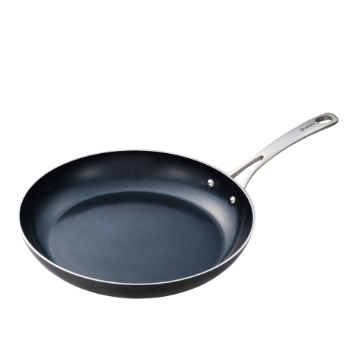
Credit: cutlery.kyocera.com
Common Pfas In Cookware
Many cookware products contain PFAS, a group of man-made chemicals used to make surfaces non-stick and resistant to stains. These chemicals are common in non-stick pans, bakeware, and other kitchen tools. Understanding which PFAS chemicals are used helps identify safer cookware options. Consumers want to avoid harmful substances in cookware that could affect health over time. Recognizing common PFAS types is the first step toward choosing PFAS-free cookware.
Types Of Pfas Chemicals
PFAS stands for per- and polyfluoroalkyl substances, a large group of chemicals. They include thousands of different compounds, but only a few appear often in cookware. These chemicals provide non-stick and water-resistant properties, which is why manufacturers use them.
- PTFE (Polytetrafluoroethylene): The most famous PFAS, often known as Teflon. Used in many non-stick pans.
- PFOA (Perfluorooctanoic acid): Used to make PTFE, but phased out due to health concerns.
- PFOS (Perfluorooctane sulfonate): Used in some coatings, now mostly banned.
Here is a simple table to summarize common PFAS found in cookware:
| Chemical | Use in Cookware | Status |
|---|---|---|
| PTFE | Non-stick coating | Still used, but safer forms available |
| PFOA | Processing aid for PTFE | Mostly phased out |
| PFOS | Water and stain resistance | Banned in many countries |
Many newer cookware lines avoid PFOA and PFOS. Some use alternative coatings without PFAS. Checking product labels helps find safer options.
Health Concerns Linked To Pfas
PFAS chemicals do not break down easily. They stay in the environment and build up in the human body over time. This causes growing worries about health risks from long-term exposure.
Research links PFAS exposure to several health issues:
- Hormone disruption: PFAS can affect thyroid and sex hormones.
- Immune system problems: Lower vaccine response and higher infection rates.
- Increased cancer risk: Some PFAS may raise the chance of kidney and testicular cancer.
- Cholesterol changes: PFAS can raise bad cholesterol (LDL).
- Reproductive issues: PFAS exposure may affect fertility and pregnancy.
Here is a brief overview of health effects linked to PFAS:
| Health Effect | Description |
|---|---|
| Hormone Disruption | Changes in thyroid and reproductive hormones |
| Immune Effects | Lower vaccine effectiveness, more infections |
| Cancer Risk | Higher chance of kidney and testicular cancer |
| Cholesterol | Increased LDL cholesterol levels |
| Reproductive Health | Fertility problems and pregnancy risks |
Choosing cookware without PFAS reduces exposure. Many brands now offer PFAS-free options that avoid these risks. Consumers can protect their health by selecting safer cookware materials.
Signs Of Pfas-free Cookware
Choosing cookware without PFAS is important for health and safety. PFAS are chemicals that may harm the body over time. Knowing the signs of PFAS-free cookware helps you make safer choices in the kitchen. Certain labels, certifications, and materials show if a product is free from PFAS. This guide explains how to spot these signs clearly.
Labels And Certifications To Look For
Labels and certifications offer quick clues about PFAS-free cookware. Many brands now highlight the absence of harmful chemicals. Check product packaging or descriptions for these trusted marks:
- PFAS-Free – A direct claim that the cookware contains no PFAS chemicals.
- PTFE-Free – PTFE is a type of PFAS; cookware without PTFE is safer.
- PFOA-Free – PFOA is another harmful chemical; certified products avoid it.
- Green Seal or EcoCert – These certifications show environmental and health standards are met.
- Made Safe – A label ensuring products avoid toxic chemicals, including PFAS.
These labels often appear on the box, product tags, or official websites. Trust brands that clearly state “PFAS-free” or list these certifications. Avoid vague claims like “non-stick” without further details.
| Label/Certification | What It Means | Why It Matters |
|---|---|---|
| PFAS-Free | Cookware contains no PFAS chemicals | Reduces risk of chemical exposure |
| PTFE-Free | Free from a common PFAS chemical | Safer non-stick option |
| PFOA-Free | Does not contain PFOA chemical | Less toxic and safer for health |
| Green Seal/EcoCert | Meets environmental and safety standards | Certified safer and eco-friendly |
| Made Safe | Verified free of toxic chemicals | Ensures no PFAS or other toxins |
Material Indicators
The type of material used in cookware often shows if it is PFAS-free. Some materials naturally do not contain PFAS. Knowing these helps avoid harmful products. Common PFAS-free materials include:
- Stainless Steel – Durable and safe, stainless steel has no PFAS.
- Cast Iron – A classic choice, cast iron is naturally free from chemicals.
- Ceramic – Pure ceramic coatings do not use PFAS or PTFE.
- Glass – Glass cookware is non-toxic and free from PFAS.
- Enamel-coated – Enamel over metal is safe if no non-stick layer with PFAS is added.
Avoid cookware labeled as “non-stick” without clear PFAS-free certification. Many non-stick pans use PTFE or other PFAS chemicals. Materials like aluminum or Teflon coatings often contain PFAS unless specifically stated otherwise.
| Material | PFAS Status | Notes |
|---|---|---|
| Stainless Steel | PFAS-Free | Non-reactive and durable |
| Cast Iron | PFAS-Free | Needs seasoning for non-stick effect |
| Ceramic | Usually PFAS-Free | Check for pure ceramic coating |
| Glass | PFAS-Free | Safe and non-toxic |
| Aluminum (Non-coated) | May contain PFAS | Often coated with PTFE |
Popular Pfas-free Cookware Materials
Popular PFAS-Free Cookware Materials offer safe alternatives for everyday cooking. PFAS (per- and polyfluoroalkyl substances) are chemicals used in many non-stick coatings but can be harmful to health. Choosing cookware made from natural or inert materials avoids PFAS exposure. These materials are durable, easy to clean, and often improve cooking quality. Below are some of the most popular PFAS-free cookware materials that are safe and effective for your kitchen.
Cast Iron
Cast iron cookware is a classic choice for PFAS-free cooking. It is made from natural iron and contains no synthetic chemicals or coatings. Cast iron heats evenly and retains heat well, making it perfect for frying, baking, and slow cooking.
Key benefits of cast iron:
- Durability: Can last for decades with proper care.
- Non-toxic: Free from harmful chemicals like PFAS.
- Natural non-stick surface: Develops seasoning over time.
- Iron boost: Adds small amounts of iron to food.
To maintain cast iron, season it regularly by applying oil and heating. Avoid soaking in water to prevent rust. Here is a simple care table:
| Care Tip | How to Do It |
|---|---|
| Cleaning | Use hot water and a brush; avoid soap if possible. |
| Seasoning | Apply thin oil layer and heat in oven for 1 hour. |
| Storage | Keep dry and lightly oiled to prevent rust. |
Cast iron works on all stovetops, including induction. Its weight and heat retention make it ideal for hearty meals.
Stainless Steel
Stainless steel cookware is another popular PFAS-free option. It is made from a metal alloy that does not contain toxic chemicals. This material is strong, resists rust, and is easy to clean.
Benefits of stainless steel cookware include:
- Non-reactive surface: Does not change the taste of food.
- Scratch-resistant: Stays smooth and shiny over time.
- Oven safe: Can handle high temperatures without damage.
- Low maintenance: Dishwasher safe and easy to clean.
Stainless steel pans often have an aluminum or copper core for better heat distribution. This feature prevents hot spots and helps cook food evenly.
Tips for cooking with stainless steel:
- Preheat the pan before adding oil or food.
- Use enough oil to prevent sticking.
- Clean with a soft sponge and mild detergent.
Stainless steel is ideal for boiling, sautéing, and searing. It is a versatile, safe choice for everyday cooking.
Ceramic
Ceramic cookware is made from natural clay and minerals. It has a smooth, non-stick surface without PFAS or other chemicals. Ceramic pans offer easy food release and quick cleaning.
Advantages of ceramic cookware:
- Non-toxic coating: Free from PTFE, PFOA, and PFAS.
- Even heat distribution: Cooks food uniformly.
- Lightweight: Easier to handle than cast iron.
- Colorful designs: Adds style to your kitchen.
Care tips for ceramic cookware:
- Avoid using metal utensils to prevent scratching.
- Hand wash with mild soap and soft sponges.
- Do not overheat empty pans to protect the coating.
Ceramic is great for frying eggs, pancakes, and delicate foods. It offers a safe, easy-to-use alternative to traditional non-stick pans.
Glass
Glass cookware is a fully inert and PFAS-free option for baking and cooking. Glass does not release chemicals and is safe for use in ovens and microwaves.
Features of glass cookware:
- Non-reactive: Does not absorb odors or flavors.
- Easy to clean: Dishwasher safe and stain-resistant.
- Visible cooking: Transparent, so you watch food as it cooks.
- Safe for all temperatures: Can handle freezing and high heat.
Glass cookware is best for baking casseroles, roasting vegetables, and making desserts. It is fragile but very safe for health.
Tips for using glass cookware:
- Avoid sudden temperature changes to prevent cracking.
- Use oven mitts as handles can get hot.
- Clean with non-abrasive sponges to keep clear.

Credit: www.beka-cookware.com
Brands Offering Pfas-free Options
Many cookware brands now provide PFAS-free options for safer cooking. PFAS (per- and polyfluoroalkyl substances) are chemicals often used in non-stick coatings. These can be harmful to health over time. Consumers want products that avoid these chemicals. Brands have responded by making safe, durable cookware without PFAS. This section highlights key brands offering reliable PFAS-free cookware. It covers both trusted manufacturers and budget-friendly options.
Top Trusted Manufacturers
Several well-known manufacturers produce high-quality PFAS-free cookware. These brands focus on safety, durability, and good cooking performance. They use materials like stainless steel, ceramic, and cast iron to replace traditional non-stick coatings.
- GreenPan: Offers ceramic non-stick cookware free of PFAS, PFOA, lead, and cadmium. Their Thermolon coating is derived from sand and safe for everyday use.
- Caraway: Known for stylish ceramic cookware sets with no toxic chemicals. Their products are free from PFAS, PTFE, and PFOA.
- Lodge: Specializes in cast iron cookware. Cast iron naturally contains no PFAS and provides excellent heat retention.
- Scanpan: Uses a ceramic-titanium non-stick surface, free from PFAS and PFOA. Their pans are durable and safe.
These manufacturers often provide warranties and back their products with strong customer support. Choosing cookware from trusted brands ensures safety and long-term use.
| Brand | Material | PFAS-Free | Special Feature |
|---|---|---|---|
| GreenPan | Ceramic Non-Stick | Yes | Thermolon Coating |
| Caraway | Ceramic | Yes | Non-Toxic & Stylish |
| Lodge | Cast Iron | Yes | Pre-Seasoned |
| Scanpan | Ceramic-Titanium | Yes | Durable Non-Stick |
Affordable Pfas-free Choices
PFAS-free cookware does not need to be expensive. Many brands offer safe and affordable options. These products suit beginner cooks or those on a budget. Materials like stainless steel and aluminum are common in budget-friendly sets without PFAS.
- Tramontina: Offers stainless steel cookware sets that are durable and free from harmful chemicals.
- T-fal: Provides non-stick pans with ceramic coatings free from PFAS and PFOA at a lower price point.
- Cook N Home: Sells budget-friendly stainless steel and ceramic cookware suitable for everyday cooking.
- Utopia Kitchen: Known for affordable stainless steel cookware sets free of PFAS and other toxins.
These brands balance safety and cost-effectiveness. They help consumers avoid harmful chemicals without spending too much. Some affordable PFAS-free cookware may lack premium features but still offers good performance.
| Brand | Material | PFAS-Free | Price Range |
|---|---|---|---|
| Tramontina | Stainless Steel | Yes | $50 – $150 |
| T-fal | Ceramic Coated | Yes | $30 – $100 |
| Cook N Home | Stainless Steel/Ceramic | Yes | $25 – $80 |
| Utopia Kitchen | Stainless Steel | Yes | $40 – $90 |
Maintaining Pfas-free Cookware
Choosing PFAS-free cookware is a great step toward safer cooking. Maintaining this cookware properly keeps it safe and lasts longer. Clean and care for your pots and pans gently. This helps avoid harmful chemicals and preserves the cookware’s quality. Proper maintenance also saves money by preventing early wear and tear.
Cleaning Tips
Cleaning PFAS-free cookware needs care but is simple. Avoid harsh scrubbing or strong chemicals. These can damage the surface and reduce the cookware’s life. Use warm water and mild soap for best results. Soft sponges or cloths work well for most surfaces.
- Rinse with warm water immediately after cooking.
- Use a soft sponge or cloth to wipe off food residue.
- For stuck food, soak the cookware in warm, soapy water for 15-20 minutes.
- Use baking soda paste to remove tough stains gently.
- Avoid steel wool or abrasive scrubbers.
Here is a simple comparison of cleaning methods:
| Cleaning Method | Recommended | Reason |
|---|---|---|
| Warm Water & Mild Soap | Yes | Gentle and effective for daily cleaning |
| Steel Wool or Abrasive Pads | No | Scratches and damages coating |
| Baking Soda Paste | Yes | Removes stains without harsh chemicals |
| Dishwasher | Depends on cookware | Some PFAS-free cookware is dishwasher safe, check instructions |
Always dry your cookware well before storing. This prevents rust and keeps surfaces clean. Regular gentle cleaning keeps your PFAS-free cookware safe and ready for use.
Avoiding Damage To Coatings
PFAS-free cookware often has special coatings to prevent food from sticking. These coatings need careful handling. Avoid using metal utensils, as they can scratch or chip the surface. Use wooden, silicone, or plastic utensils instead. These materials protect the coating and keep it intact.
Heat control is important. Avoid very high heat as it can damage coatings and reduce cookware life. Medium or low heat is best for most cooking tasks. Let cookware cool before washing to avoid warping or cracking.
- Use non-metal utensils only.
- Cook on medium or low heat.
- Do not heat empty cookware.
- Let cookware cool before cleaning.
- Follow manufacturer instructions for use and care.
Here is a quick guide to protect your cookware’s coating:
| Action | Effect on Coating |
|---|---|
| Using metal utensils | Scratches and damages coating |
| Cooking at high heat | Weakens or peels coating |
| Cooling before washing | Prevents warping and cracks |
| Proper storage (avoid stacking without protection) | Prevents surface scratches |
Careful use and cleaning keep PFAS-free cookware safe and effective. Protect the coating to enjoy healthy meals for years.
Alternatives To Non-stick Pfas Cookware
Non-stick cookware often contains PFAS chemicals that can be harmful. Finding alternatives to PFAS-coated pans helps keep cooking safe and healthy. Many options avoid these chemicals while still offering easy cooking and cleaning. Using natural materials and proper care can create excellent cookware that lasts for years.
Seasoning Cast Iron And Carbon Steel
Cast iron and carbon steel pans are great alternatives to PFAS non-stick cookware. Both materials become naturally non-stick after proper seasoning. Seasoning means coating the pan with oil and heating it to create a smooth, protective layer.
Benefits of seasoning cast iron and carbon steel include:
- Non-toxic surface: No harmful chemicals like PFAS.
- Durability: Pans last for decades with good care.
- Improved flavor: Seasoned pans enhance food taste.
- High heat tolerance: Perfect for searing and frying.
Steps to season your pan:
- Wash the pan with warm water and dry it completely.
- Apply a thin layer of vegetable or flaxseed oil.
- Heat the pan in the oven at 375°F (190°C) for one hour.
- Let the pan cool inside the oven.
- Repeat 2-3 times for a strong coating.
| Material | Seasoning Needed | Care Tips |
|---|---|---|
| Cast Iron | Yes | Dry immediately, avoid soap, re-season regularly |
| Carbon Steel | Yes | Dry well, avoid acidic foods initially, re-season often |
Using Silicone Or Wooden Utensils
Choosing the right utensils helps protect cookware and keeps food safe. Metal utensils can scratch and damage pans, especially those with delicate coatings or seasoning. Silicone and wooden utensils work well with PFAS-free cookware.
Advantages of silicone and wooden utensils:
- Gentle on cookware: Prevent scratches on cast iron, carbon steel, and ceramic pans.
- Heat resistant: Silicone can handle high temperatures without melting.
- Non-reactive: They do not react with food or cookware materials.
- Easy to clean: Both materials clean quickly and do not trap odors.
Tips for using silicone and wooden utensils:
- Use silicone spoons or spatulas for frying and stirring.
- Wooden spoons are ideal for mixing and serving.
- Avoid leaving wooden utensils soaking in water for long.
- Replace silicone utensils if they show wear or cracks.

Credit: hellskitchenstore.com
Frequently Asked Questions
What Cookware Materials Are Pfas Free?
Cookware made from stainless steel, cast iron, ceramic, and glass is typically PFAS free. These materials don’t use synthetic coatings that contain harmful chemicals.
How To Identify Pfas Free Cookware?
Look for labels stating “PFAS free” or “PFOA free. ” Avoid non-stick pans with traditional Teflon coatings, as they may contain PFAS chemicals.
Are Ceramic Cookware Options Safe From Pfas?
Yes, high-quality ceramic cookware is generally PFAS free. It uses natural materials and avoids harmful synthetic chemicals in coatings.
Why Avoid Pfas In Cookware?
PFAS chemicals can release toxic fumes when heated. Long-term exposure may cause health problems like hormonal disruption and cancer risk.
Conclusion
Choosing PFAS-free cookware keeps your kitchen safer and healthier. Materials like stainless steel, cast iron, and ceramic avoid harmful chemicals. These options offer durability and good cooking results. Simple care can make them last many years. Your food stays free from toxic substances.
Clean cooking tools help protect your family’s health. Small changes in cookware make a big difference. Remember, safer choices lead to better meals and peace of mind.

Hello, This is Annie Walker, a 38-year-old blogger, founder, and editor of Cookware Guider from NY, USA. I am a cookware fanatic and passionate cooker. I love to cook with different types of cooking appliances (example: all types of cookware, rice cookers, slow cookers, etc) almost every day in my kitchen. I love to share my experience with my readers in my blog. Also, I enjoy helping people to solve their problems through my website. You can follow me on Twitter & Pinterest. To know details about my blog please check the about us page.