
If you love cooking with ceramic coated cookware, you know how important it is to keep it clean and in great shape. But cleaning these pots and pans can sometimes be tricky—you want to avoid damaging that smooth, non-stick surface.
What if there was a simple way to clean your ceramic cookware that keeps it looking new and working perfectly every time? You’ll discover easy, effective cleaning tips that protect your investment and make cooking more enjoyable. Keep reading to learn how to make your ceramic cookware last longer and shine like new!

Credit: goodmaison.com
Benefits Of Ceramic Coated Cookware
Ceramic coated cookware offers many benefits for everyday cooking. It combines style and function in one package. This cookware is a popular choice for home chefs and professionals alike. The ceramic coating creates a smooth, non-stick surface that makes cooking easier and cleanup faster.
Beyond convenience, ceramic coated cookware promotes healthier cooking. It requires less oil and butter. This helps reduce fat intake without sacrificing taste. The coating is also free from harmful chemicals found in some non-stick pans.
Non-stick Surface For Easy Cooking
The ceramic coating prevents food from sticking. This means less scrubbing after meals. Cooking delicate foods like eggs or fish becomes simple. The non-stick surface helps keep food intact and beautiful.
Durable And Scratch Resistant
Ceramic coated pans resist scratches better than many non-stick options. This durability means the cookware lasts longer. It stands up to metal utensils if used carefully. The coating stays smooth and effective over time.
Even Heat Distribution
The ceramic layer helps spread heat evenly across the pan. This prevents hot spots that burn food. Meals cook uniformly for better flavor and texture. Consistent heat means better control while cooking.
Safe And Eco-friendly
Ceramic coatings are free from PTFE, PFOA, and other toxins. This makes them safer for health and the environment. The materials used are often natural and non-toxic. Using ceramic coated cookware supports a cleaner kitchen and planet.
Common Cleaning Challenges
Ceramic coated cookware offers a smooth, non-stick surface. It makes cooking easier but cleaning can be tricky. Certain problems often appear during washing. Knowing these common cleaning challenges helps keep your cookware in top shape.
Some issues can damage the ceramic layer or reduce its non-stick power. Understanding these challenges helps you avoid mistakes and clean effectively.
Stubborn Food Residue
Food can stick hard to ceramic coatings, especially burnt bits. Scrubbing too hard may scratch the surface. Soft sponges and warm water work best to remove stuck food without harm.
Water Spots And Mineral Buildup
Hard water leaves white spots on cookware surfaces. These marks look ugly and dull the shine. Using vinegar or lemon juice can help dissolve mineral deposits safely.
Scratches And Surface Damage
Metal utensils and rough cleaning tools cause scratches. Scratches ruin the smooth ceramic coating. Use plastic or wooden tools and soft cloths to protect the surface.
Discoloration And Stains
Over time, ceramic cookware may develop stains from certain foods. Stains reduce the bright look of the coating. Mild baking soda paste can lift stains gently.
Daily Cleaning Tips
Cleaning ceramic coated cookware every day keeps it in good shape. Proper daily care stops food from sticking and extends the life of the coating. Use soft tools and mild products to avoid damage. Here are some simple tips for daily cleaning.
Gentle Washing Techniques
Use warm water and a soft sponge or cloth. Avoid steel wool or abrasive pads. These can scratch the ceramic surface. Wash cookware soon after use to prevent food from hardening. For stuck-on food, soak the pan in warm water for a few minutes. Then, gently wipe the residue away. Dry the cookware with a soft towel to prevent water spots.
Safe Cleaning Products
Choose mild dish soap without harsh chemicals. Avoid bleach or ammonia-based cleaners. These can ruin the ceramic coating. Baking soda mixed with water makes a gentle scrub for tough stains. Avoid using strong detergents or oven cleaners. They strip the coating and reduce cookware life. Stick to products made for delicate surfaces.
Removing Stubborn Stains
Removing stubborn stains from ceramic coated cookware can be tricky. These stains often come from burnt food or oily residues. They spoil the look and can affect cooking performance. Proper cleaning keeps your cookware looking new and working well. Use gentle methods to protect the ceramic coating while removing tough stains.
Soaking Methods
Soaking helps loosen tough stains without scrubbing hard. Fill the cookware with warm water. Add a few drops of mild dish soap. Let it soak for 30 minutes to an hour. For stronger stains, soak overnight. After soaking, use a soft sponge to wipe away the loosened residue. Avoid using steel wool or harsh scrubbers that can damage the coating.
Natural Cleaning Solutions
Natural cleaners are safe for ceramic coatings and effective. Mix equal parts of baking soda and water to make a paste. Apply the paste on the stained areas. Let it sit for 15 to 20 minutes. Gently scrub with a soft cloth or sponge. Vinegar also works well. Pour some white vinegar into the cookware and heat it for a few minutes. Let it cool, then wash as usual. These natural solutions break down stains without chemicals.
Avoiding Damage During Cleaning
Ceramic coated cookware looks beautiful and lasts long if cleaned carefully. Avoiding damage during cleaning keeps the coating strong. Gentle care helps maintain the non-stick surface and shine. Harsh cleaning can cause scratches or peeling. Follow simple steps to protect your cookware.
Tools To Avoid
Never use steel wool or metal scrubbers. These tools scratch the ceramic coating easily. Avoid abrasive pads or rough brushes. They can wear down the smooth surface quickly. Use soft sponges or cloths instead. Gentle cleaning tools keep the coating safe.
Temperature Precautions
Avoid sudden temperature changes when cleaning. Do not pour cold water into hot cookware. This can cause the ceramic to crack. Let the cookware cool before washing. Use warm water for cleaning. Safe temperature helps protect the coating and prevents damage.

Credit: www.youtube.com
Maintaining The Ceramic Coating
Maintaining the ceramic coating on cookware keeps it looking new and working well. This coating protects the pan from scratches and helps food release easily. Proper care extends the life of the cookware and keeps cooking safe.
Regular Care Practices
Clean ceramic-coated cookware with a soft sponge and mild soap. Avoid abrasive scrubbers that can damage the surface. Use warm water to help remove stuck food. Let the pan cool before washing to prevent cracking. Dry the cookware completely after washing to stop water spots.
Storage Tips
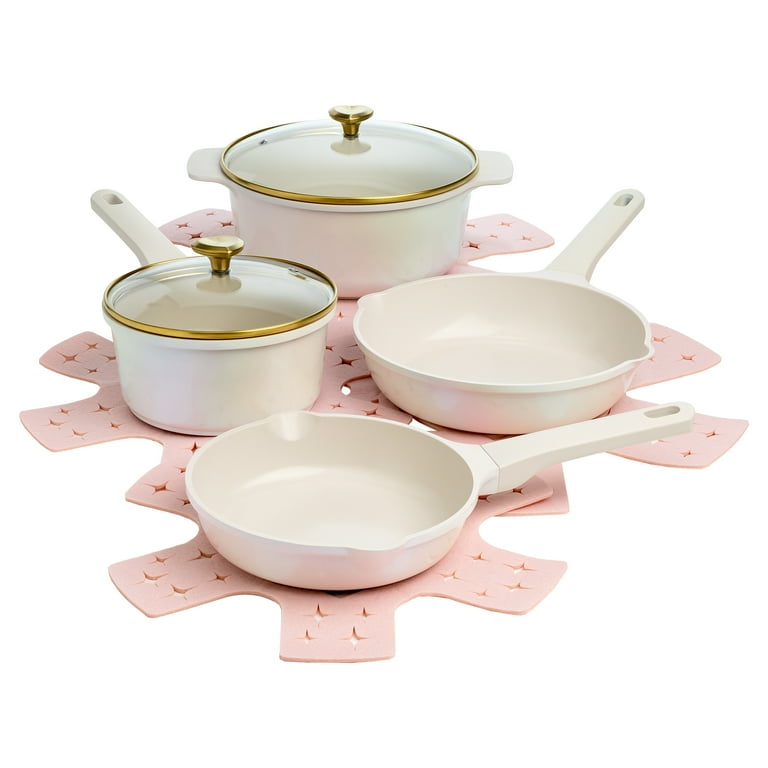
Store ceramic cookware carefully to avoid scratches. Place a soft cloth or paper towel between stacked pans. Keep them in a dry, cool place away from heavy items. Avoid dropping or banging the cookware on hard surfaces. Proper storage protects the coating from chips and cracks.
When To Replace Your Cookware
Knowing when to replace your ceramic coated cookware keeps your kitchen safe. Over time, the coating can wear out. This affects cooking and food safety.
Replacing old cookware helps avoid health risks. It also improves your cooking results. Pay attention to signs of damage and wear.
Visible Scratches And Chips
Scratches and chips on the ceramic surface show the coating is damaged. Food can stick and burn easily. Harmful chemicals might leak into your food. Replace cookware with deep scratches or missing coating parts.
Stubborn Stains And Discoloration
Stains that do not wash off suggest the coating is fading. Discoloration changes the cookware’s look and may affect cooking. When stains stay after cleaning, consider new cookware.
Peeling Or Flaking Coating
Peeling or flaking means the ceramic layer is breaking down. This can cause small pieces to mix with your food. It is unsafe and time to replace the cookware.
Uneven Cooking Performance
Cookware that heats unevenly or causes food to stick signals coating issues. This can ruin meals and waste ingredients. If cooking results worsen, check your ceramic coating.
Age Of The Cookware
Old ceramic cookware loses quality over time. Even with care, the coating wears out after years. Consider replacing cookware every few years for best results.
Credit: www.walmart.com
Frequently Asked Questions
How Do I Clean Ceramic Coated Cookware Safely?
Use warm water, mild dish soap, and a soft sponge. Avoid abrasive scrubbers to protect the coating. Rinse thoroughly and dry with a soft cloth to prevent water spots and preserve the cookware’s non-stick surface.
Can I Use Vinegar To Clean Ceramic Cookware?
Yes, vinegar helps remove stubborn stains and mineral deposits. Mix equal parts vinegar and water, soak briefly, then rinse well. Avoid prolonged soaking to protect the ceramic coating from damage.
Is Dishwasher Safe Cleaning Recommended For Ceramic Cookware?
Most ceramic cookware is dishwasher safe, but hand washing is better. Dishwashers can dull the coating over time. Hand wash with gentle soap to maintain the cookware’s longevity and non-stick properties.
How To Remove Burnt Food From Ceramic Coated Pans?
Soak the pan in warm soapy water for 15-20 minutes. Use a soft sponge or nylon brush to gently scrub burnt residues. Avoid steel wool or harsh abrasives that can scratch the coating.
Conclusion
Cleaning ceramic coated cookware is simple with the right steps. Use gentle soap and a soft sponge to avoid damage. Avoid harsh scrubbers that can scratch the surface. Dry your cookware completely to keep it in good shape. Regular care helps your cookware last longer and stay beautiful.
With these tips, cooking stays enjoyable and easy. Keep your ceramic pans clean, and they will serve you well. Simple habits make a big difference in kitchen care.

Hello, This is Annie Walker, a 38-year-old blogger, founder, and editor of Cookware Guider from NY, USA. I am a cookware fanatic and passionate cooker. I love to cook with different types of cooking appliances (example: all types of cookware, rice cookers, slow cookers, etc) almost every day in my kitchen. I love to share my experience with my readers in my blog. Also, I enjoy helping people to solve their problems through my website. You can follow me on Twitter & Pinterest. To know details about my blog please check the about us page.