
Moving can be stressful, especially when it comes to packing your cookware. You want to keep your pots, pans, and delicate kitchen tools safe, but it’s easy to worry about scratches, dents, or broken pieces.
Imagine opening your boxes in your new home and finding your favorite skillet damaged or your glass lids shattered. That’s exactly what you want to avoid. You’ll discover simple, smart ways to pack your cookware so it arrives intact and ready to use.
Keep reading to make your move smoother and protect your kitchen essentials like a pro.
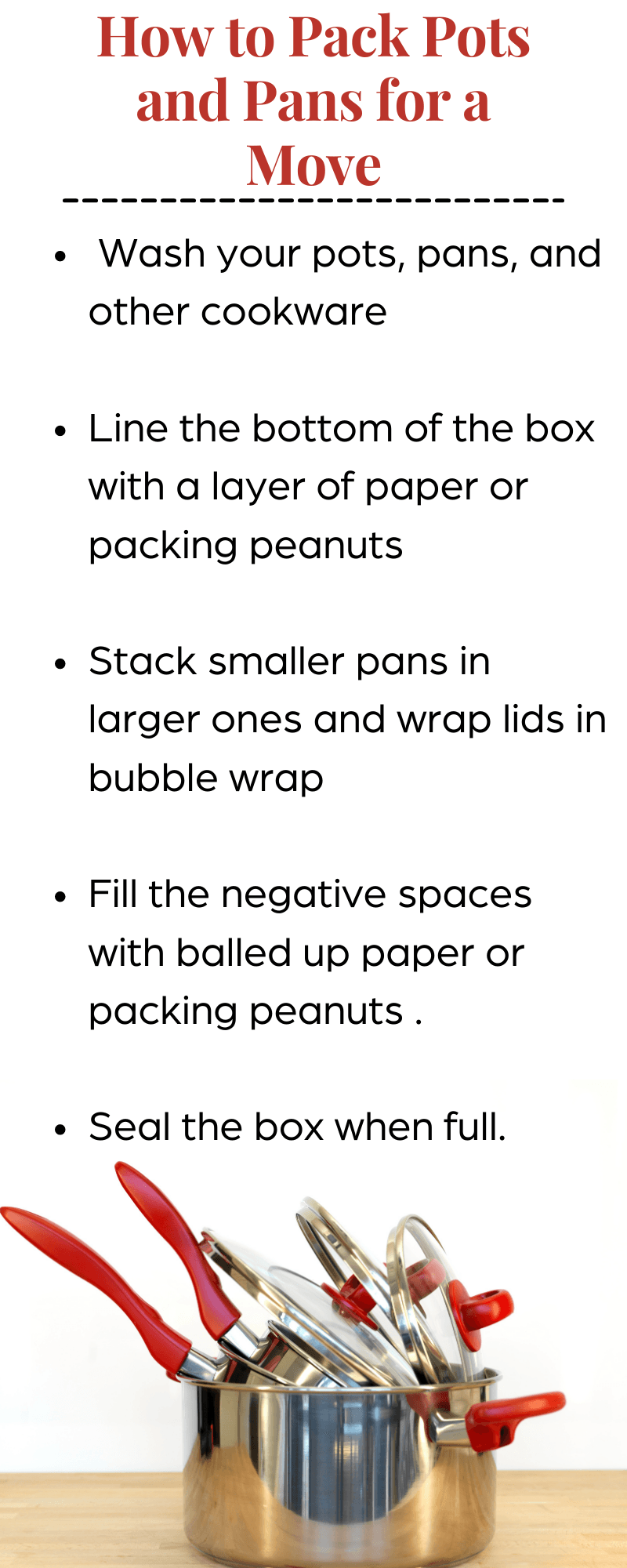
Credit: www.allmysons.com
Choose The Right Boxes
Choosing the right boxes is key to packing cookware safely. The right boxes protect your pots and pans from damage during the move. It helps keep everything organized and easy to carry. Select boxes that fit your cookware size and weight. This saves space and prevents accidents.
Select Sturdy Boxes
Pick boxes made from strong cardboard. Sturdy boxes hold heavy pots and pans well. Avoid thin or worn-out boxes that can tear easily. Reinforce the bottom with tape for extra support. Strong boxes reduce the risk of breaking your cookware.
Use Small To Medium Sizes
Small and medium boxes are easier to lift. Large boxes get heavy fast and may break. Use small boxes for heavy items like cast iron pans. Medium boxes work well for lighter cookware pieces. This makes moving safer and more comfortable.

Credit: www.youtube.com
Clean And Dry Cookware
Cleaning and drying cookware before moving is essential. It protects your items and keeps your new kitchen fresh. Dirty or wet cookware can cause stains, odors, and even rust during the move. Properly cleaned and dried items also make unpacking easier and safer.
Remove Food Residue
Start by scraping off any leftover food. Use a sponge or brush with warm, soapy water. Pay attention to corners and edges where food sticks. Rinse thoroughly to remove soap and residue. Avoid using strong chemicals that can damage cookware surfaces.
Ensure Complete Drying
Dry each piece completely with a clean towel. Air dry them for a while to remove hidden moisture. Moisture trapped inside can cause rust or mildew during moving. Check handles and lids for damp spots. Only pack cookware when it is fully dry to prevent damage.
Protect Fragile Items
Protecting fragile cookware is a must during a move. Broken pots, pans, or glass lids can cause stress and extra costs. Taking time to wrap and cushion each item keeps them safe. Careful packing reduces the risk of damage and saves money on replacements.
Wrap With Bubble Wrap
Bubble wrap acts as a strong cushion for fragile items. Wrap each piece tightly to cover all sides. Use enough layers to absorb shocks during transport. Secure the wrap with tape to keep it from unraveling. This method prevents scratches and cracks effectively.
Use Towels Or Cloths
Soft towels or cloths add extra padding inside boxes. Wrap cookware in cloth before placing in the box. Use old kitchen towels or clean rags for this task. Fill empty spaces with towels to stop movement. This simple step keeps fragile cookware stable and safe.
Stack Cookware Wisely
Packing cookware requires careful stacking to avoid damage. Proper stacking saves space and protects your pots and pans. Organizing cookware by weight and size helps keep everything safe during the move.
Place Heavier Items At The Bottom
Start by placing heavy cookware at the bottom of the box. This creates a strong base and prevents lighter items from getting crushed. Heavy pots, cast iron skillets, and large pans work well at the bottom. Avoid placing fragile items underneath to reduce breakage risk.
Nest Pots And Pans
Fit smaller pots inside larger ones to save space. Nesting also keeps cookware stable and reduces movement. Place a soft cloth or paper towel between nested items to stop scratching. This simple step protects your cookware’s finish during the move.
Secure Lids Separately
Securing lids separately is a smart step in packing cookware for moving. Lids are often fragile and can break or get lost if not handled carefully. Packing them with pots or pans can cause damage to both. Keeping lids separate protects them and makes unpacking easier. This method saves space and helps organize your kitchen items better.
Wrap Lids Individually
Wrap each lid with bubble wrap or packing paper. Cover the glass or plastic part completely. Use tape to hold the wrap in place. This padding stops scratches and cracks. Avoid stacking lids without protection. Wrapping each lid keeps them safe during transport. It also reduces noise from lids clanging together.
Label And Store With Care
Label each wrapped lid clearly. Use a marker to write the size or the pot it belongs to. Store lids upright in a sturdy box. Place soft cloth or packing paper between them for extra cushion. Keep the box in a secure spot in the moving truck. Clear labels help find lids quickly after moving. Proper storage prevents lids from shifting and breaking.
Fill Empty Spaces
Filling empty spaces in your cookware boxes helps protect your items. It stops pots and pans from moving and breaking. Use soft materials to cushion your cookware. This also keeps your boxes steady and easier to carry.
Use Packing Paper
Wrap cookware with packing paper to keep scratches away. Crumple paper and fill gaps between items. This prevents them from banging against each other. Paper is light and easy to handle. It also absorbs small shocks during transport.
Add Soft Materials
Use towels, dishcloths, or bubble wrap for extra padding. Soft materials fill empty spaces well. They protect fragile items like glass lids or ceramic pots. These materials also help balance the weight inside the box. Filling all gaps reduces the risk of damage.
Seal And Label Boxes
Sealing and labeling boxes properly helps keep cookware safe during a move. It prevents spills and damage. Clear labels help you find items easily when unpacking. Taking time to seal and label boxes adds order and protects your kitchen gear.
Use strong tape and clear labels for best results. This step makes unpacking faster and reduces stress after the move.
Tape Boxes Securely
Use heavy-duty packing tape to close all box openings. Apply tape along the seams on the top and bottom. Wrap tape around edges for extra strength. Avoid thin or weak tape to stop boxes from opening. Reinforce boxes holding heavy cookware with extra tape strips.
Mark As Fragile
Label boxes containing glass or delicate cookware as “Fragile.” Write clearly on multiple sides of each box. This warning tells movers to handle boxes gently. Use a bold marker for better visibility. Marking fragile boxes lowers the risk of breakage during transport.

Credit: www.youtube.com
Transport Tips
Transporting cookware safely keeps your kitchen tools intact. Proper handling avoids damage during the move. Follow these simple transport tips for a smooth move.
Load Boxes Carefully
Place heavier cookware at the bottom of the box. Fill gaps with packing paper to stop shifting. Wrap fragile items like glass lids separately. Use small boxes for heavy pots to keep weight manageable. Label boxes clearly to know their contents.
Avoid Stacking Heavy Items On Top
Do not put heavy items on top of delicate cookware. This can cause dents or cracks. Stack lighter boxes on top to protect fragile items. Keep the weight balanced to prevent tipping during transport. Secure boxes with tape to avoid opening.
Frequently Asked Questions
How Do I Protect Cookware During A Move?
Wrap cookware in bubble wrap or packing paper to prevent scratches. Use sturdy boxes and separate heavy and light items for safe transport.
What Materials Are Best For Packing Pots And Pans?
Use bubble wrap, packing paper, and dish towels. These materials cushion cookware and prevent damage during moving.
Should I Disassemble Cookware Before Packing?
Yes, remove detachable handles and lids. Pack them separately to avoid damage and save space in boxes.
How Can I Pack Non-stick Pans Safely?
Avoid stacking non-stick pans directly. Place paper or cloth between them to protect the coating from scratches.
Conclusion
Packing cookware does not have to be hard or stressful. Wrap each item carefully to avoid damage. Use sturdy boxes and fill empty spaces with soft materials. Label your boxes clearly for easy unpacking. Take your time and pack with care.
This helps keep your pots and pans safe during the move. A little planning saves you time later. Your kitchen will be ready to use in no time. Simple steps make moving smoother and less tiring. Keep these tips in mind for a safe move.

Hello, This is Annie Walker, a 38-year-old blogger, founder, and editor of Cookware Guider from NY, USA. I am a cookware fanatic and passionate cooker. I love to cook with different types of cooking appliances (example: all types of cookware, rice cookers, slow cookers, etc) almost every day in my kitchen. I love to share my experience with my readers in my blog. Also, I enjoy helping people to solve their problems through my website. You can follow me on Twitter & Pinterest. To know details about my blog please check the about us page.