
Have you ever wondered how much energy it takes to heat your saucepan? Understanding how many joules of energy were added to your saucepan can change the way you cook and save energy.
Knowing this simple fact helps you become smarter in the kitchen, making your cooking more efficient and eco-friendly. You’ll discover exactly how to calculate the energy added to your saucepan and why it matters to you every time you turn on the stove.
Keep reading to unlock these easy insights that can make a big difference in your daily routine.

Credit: www.chegg.com
Energy Basics
Energy is what makes things happen. It moves, heats, and changes objects. When you heat a saucepan, energy flows into it. This energy raises the temperature of the saucepan and its contents. Understanding energy helps us know how much heat we add during cooking.
Energy comes in many forms. Heat energy is one type. It transfers from a stove to a pan. Measuring this energy tells us how much heat the pan receives. This measure is important in cooking and science.
What Is A Joule
A joule is a unit of energy. It measures the amount of work done or heat transferred. One joule is a small amount of energy. For example, lifting a small apple one meter uses about one joule.
In cooking, joules tell us how much heat we add. Using joules helps us compare energy used with different heat sources. This clear measure makes energy easier to understand.
Measuring Energy In Cooking
Cooking needs energy to heat food. The stove sends heat energy to the pan. We measure this energy in joules to see how much heat is added.
Knowing joules helps control cooking. It shows how long and how much heat to use. This way, food cooks just right. Measuring energy also saves fuel and time.
Credit: studylib.net
Heat Transfer To Saucepan
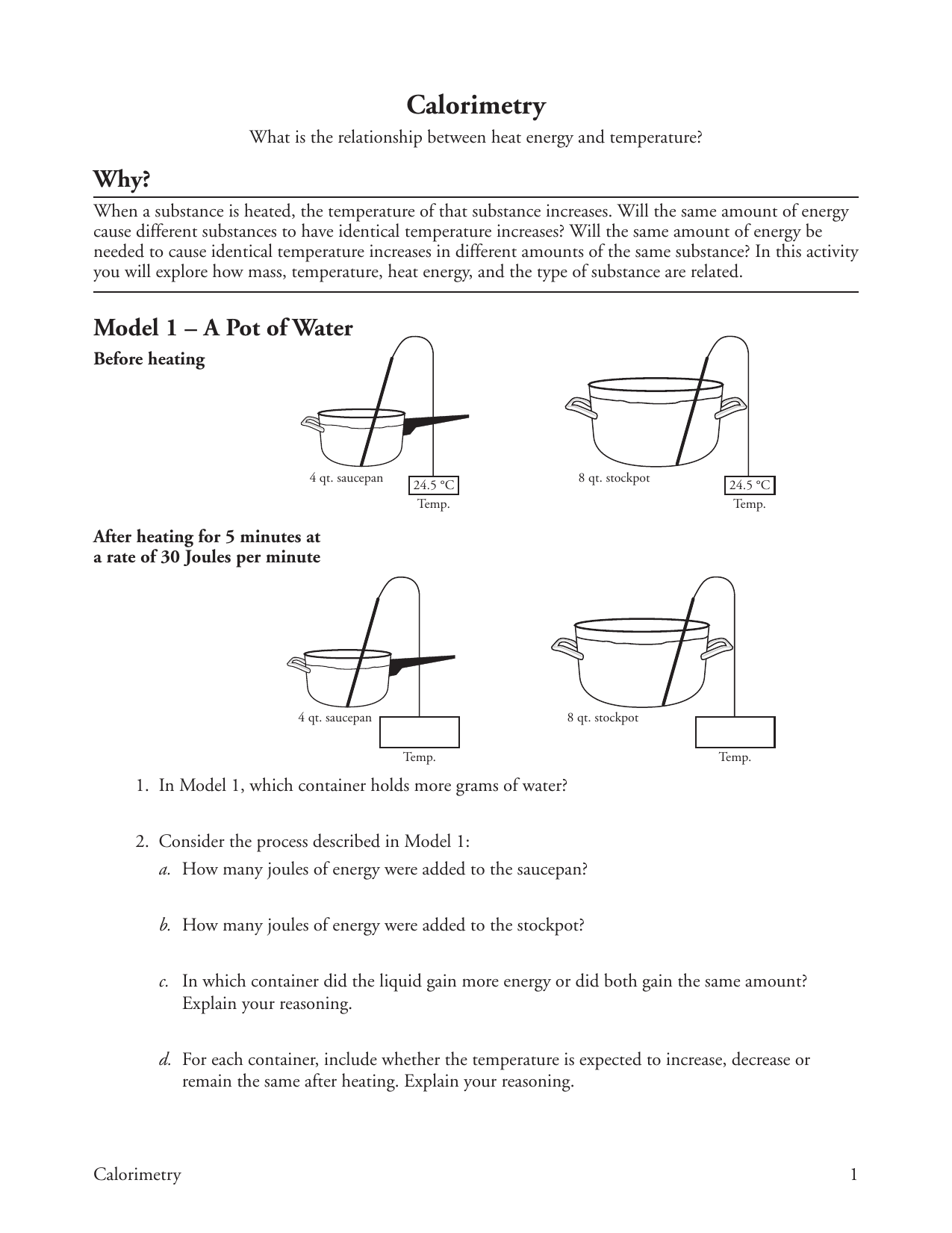
Heat transfer to a saucepan explains how energy moves from the stove to the pan. This transfer raises the pan’s temperature and heats the food inside. Understanding this process helps us know how many joules of energy the saucepan absorbs.
Conduction Process
Conduction is the main way heat travels to the saucepan. Heat moves from the hot stove surface to the pan’s metal. The metal’s molecules start vibrating faster. These vibrations pass heat through the pan.
Good conductors like copper and aluminum transfer heat quickly. Poor conductors, like stainless steel, heat slower. The saucepan’s base must touch the heat source well. Any gap reduces heat transfer by conduction.
Factors Affecting Heat Transfer
Several factors change how much heat the pan receives. The type of metal affects the speed of heat flow. Thicker pans take longer to heat than thinner ones. The pan’s surface area also matters.
A larger base on the pan touches more heat. The temperature difference between stove and pan drives heat transfer. Higher stove heat means more energy flows into the pan. The cleanliness of the pan’s base plays a role too.
Residue or dirt can block heat flow. A clean, flat pan base improves conduction and adds more joules of energy.
Calculating Energy Added
Calculating the energy added to a saucepan helps us understand how much heat it gains. This calculation uses basic physics formulas and simple measurements. Knowing this energy can explain temperature changes in the saucepan.
Required Data And Tools
First, gather the mass of the saucepan and its contents in kilograms. Next, find the specific heat capacity of the material inside the pan, usually water, in joules per kilogram per degree Celsius (J/kg°C). Measure the temperature change from start to finish in degrees Celsius.
Use a thermometer for temperature readings and a scale for mass. A calculator helps to perform the math quickly.
Step-by-step Calculation
Start by noting the initial temperature of the saucepan’s contents. Then, record the final temperature after heating. Subtract the initial from the final temperature to find the temperature change.
Multiply the mass by the specific heat capacity. Then multiply that result by the temperature change. The formula is:
Energy added (J) = mass (kg) × specific heat capacity (J/kg°C) × temperature change (°C)
This result shows how many joules of energy the saucepan absorbed during heating.
Practical Examples
Understanding how many joules of energy are added to a saucepan helps explain everyday cooking. This knowledge shows how heat transfers to different foods. It also helps compare energy use in various cooking tasks.
Heating Water In Saucepan
Heating water is a common task in kitchens. To raise the temperature of water, energy is needed. For example, heating 1 liter of water by 1 degree Celsius requires about 4,186 joules. If you heat water from 20°C to 100°C, it takes around 334,880 joules. This energy warms the water evenly inside the saucepan. It helps understand how much power a stove uses during boiling.
Cooking Different Ingredients
Different foods need different energy amounts to cook. Vegetables, meat, and sauces absorb heat at different rates. For instance, cooking meat requires more energy than boiling water. This is because meat changes both temperature and texture. Sauces need steady heat to blend flavors and thicken. Knowing the joules added helps estimate cooking time and fuel use. It makes cooking more efficient and predictable.
Energy Efficiency Tips
Saving energy in the kitchen helps reduce costs and environmental impact. Small changes can make cooking more efficient. Using energy wisely means less waste and faster meals.
Focus on how you use cookware and heat. These tips help you add just the right amount of energy to your saucepan.
Choosing The Right Cookware
Pick pans that match your stove type. Some materials heat up faster and keep heat well. Stainless steel, cast iron, and copper are good choices. Avoid thin pans that lose heat quickly. A good lid keeps heat inside and cooks food faster. Using the right size pan also saves energy. A small pan on a large burner wastes heat.
Optimizing Heat Usage
Use medium or low heat settings when possible. High heat wastes energy and can burn food. Start with high heat to boil water, then lower it. Turn off the burner a few minutes before food is done. The pan stays hot and finishes cooking. Cover your saucepan to trap heat and cook faster. Stir food regularly to spread heat evenly. This avoids hot spots and saves energy.

Credit: studylib.net
Frequently Asked Questions
How Do You Calculate Joules Added To A Saucepan?
To calculate joules added, multiply power (watts) by time (seconds). Energy in joules equals watts times seconds. This formula measures energy transferred to the saucepan.
What Factors Affect Energy Added To The Saucepan?
Energy depends on heating power, time, and saucepan material. Higher power or longer heating means more joules. Material affects heat absorption and retention, influencing energy transfer.
Why Is Joule Measurement Important For Cooking?
Measuring joules ensures precise energy use for cooking. It helps control temperature and cooking time for better results. Efficient energy use saves costs and improves safety.
Can Energy Loss Affect Joule Calculation Accuracy?
Yes, energy loss through heat dissipation affects accuracy. Some energy escapes to surroundings, reducing actual energy transferred. Insulating the saucepan minimizes loss for better measurement.
Conclusion
Understanding how many joules of energy heat a saucepan helps us grasp basic physics. It shows how energy moves and changes form during cooking. Knowing this can make us better cooks and more aware of energy use. Energy in joules tells us the exact amount needed to warm food.
This knowledge connects science to everyday life simply and clearly. It’s a small step toward learning more about the world around us.

Hello, This is Annie Walker, a 38-year-old blogger, founder, and editor of Cookware Guider from NY, USA. I am a cookware fanatic and passionate cooker. I love to cook with different types of cooking appliances (example: all types of cookware, rice cookers, slow cookers, etc) almost every day in my kitchen. I love to share my experience with my readers in my blog. Also, I enjoy helping people to solve their problems through my website. You can follow me on Twitter & Pinterest. To know details about my blog please check the about us page.