
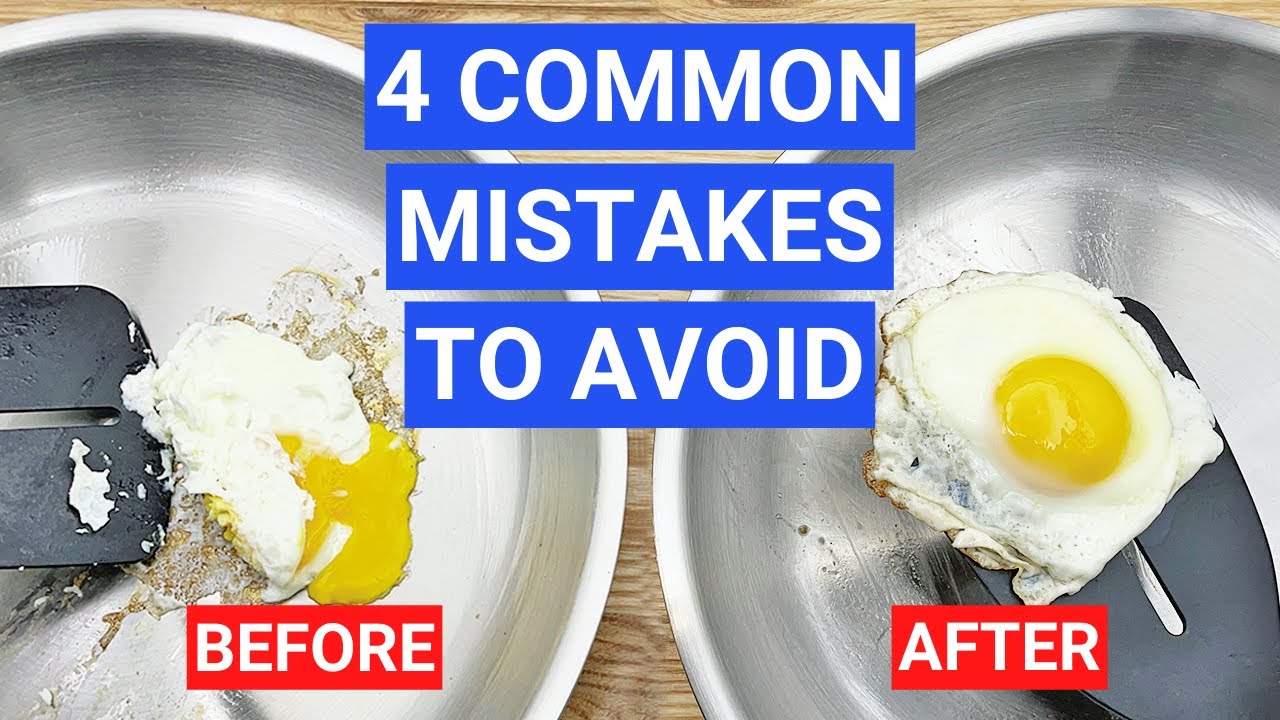
Have you ever felt frustrated when your food sticks stubbornly to your stainless steel cookware? You’re not alone.
Sticking food can turn cooking from a joy into a hassle, leaving you scrubbing pots for what feels like hours. But what if you could change that? What if your meals slid right off the pan, making cooking and cleanup easier than ever?
You’ll discover simple, practical tips that will transform how you use your stainless steel pots and pans. Keep reading, and you’ll learn how to cook with confidence and enjoy every meal without the sticky mess.
Credit: www.youtube.com
Choosing The Right Stainless Steel
Choosing the right stainless steel cookware plays a big role in preventing food from sticking. Different types of stainless steel have unique features that affect cooking. Understanding these types helps you pick the best pan for your kitchen.
Grades And Quality
Stainless steel cookware comes in various grades. The most common are 18/10 and 18/8. These numbers show the amount of chromium and nickel in the steel. Higher nickel content means better resistance to rust and corrosion.
Cookware made from 18/10 stainless steel lasts longer. It also heats more evenly. Low-quality stainless steel can cause food to stick more often. Choosing high-grade steel improves cooking results and pan durability.
Cookware Thickness
Thicker stainless steel pans heat more evenly. Thin pans create hot spots that cause food to stick and burn. Look for pans with a heavy base or multiple layers of metal.
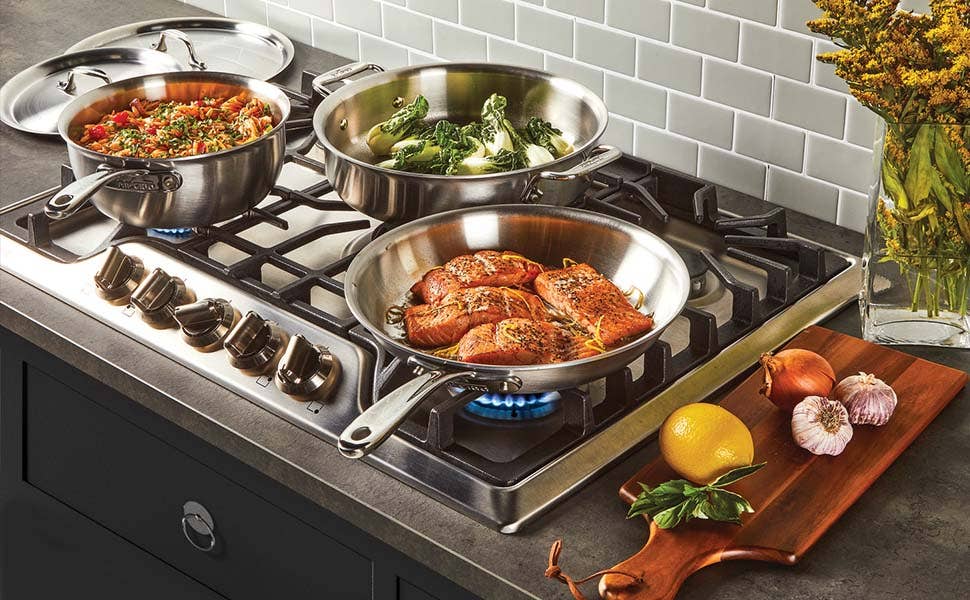
Multi-ply cookware combines stainless steel with aluminum or copper layers. These materials spread heat quickly and evenly. Thick, multi-ply pans help maintain steady cooking temperatures. This reduces sticking and makes cooking easier.
Credit: www.all-clad.com
Preparing Your Pan
Preparing your stainless steel pan correctly helps stop food from sticking. A well-prepared pan creates a smooth surface for cooking. This step saves time and avoids frustration.
Cleaning Before Use
Clean your pan before every use. Use warm water and soap to remove any dust or oil. Rinse well to avoid soap residue. Dry the pan completely with a soft cloth. A clean pan heats evenly and prevents sticking.
Preheating Techniques
Preheat the pan on medium heat for a few minutes. Test if it’s ready by sprinkling a few drops of water. If the drops dance or roll, the pan is hot enough. Add oil only after the pan heats. This creates a natural non-stick layer.
Using The Correct Cooking Oils
Choosing the right cooking oil plays a big role in stopping food from sticking to stainless steel pans. Oils act as a barrier between the metal and food. They help create a smooth surface for cooking. Using the correct oil with the right heat level improves cooking results. It also protects your cookware and keeps food texture perfect.
Smoke Points Of Oils
Each oil has a smoke point. This is the temperature when oil starts to burn and smoke. Using oil above its smoke point can cause food to stick more. It also creates bad flavors and harmful compounds. Oils with high smoke points work best for stainless steel cooking. Examples include avocado oil, grapeseed oil, and refined coconut oil. Low smoke point oils like extra virgin olive oil suit low-heat cooking only.
Proper Oil Application
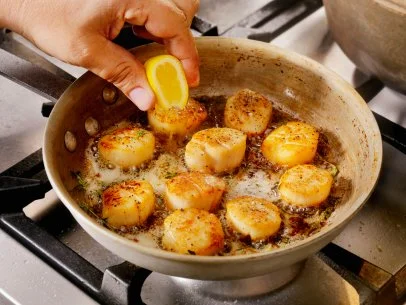
Pour enough oil to coat the pan’s surface lightly. Spread it evenly with a paper towel or brush. Heat the oil until it shimmers but does not smoke. This step fills in tiny pores on the pan’s surface. It forms a thin, non-stick layer for cooking. Avoid adding food before the oil is hot. This helps prevent sticking and burning.
Credit: www.foodnetwork.com
Mastering Cooking Temperatures
Controlling the cooking temperature is key to preventing food from sticking to stainless steel cookware. Stainless steel heats differently than non-stick pans. It needs careful temperature control to cook food evenly and release it easily.
Understanding the right heat level helps keep food from burning or sticking. It also protects your cookware and keeps your meals tasting great. Let’s explore some simple temperature tips to improve your cooking.
When To Adjust Heat
Start by heating the pan on medium heat. Let it warm up for a couple of minutes before adding oil or food. If oil smokes quickly, the heat is too high. Turn it down to prevent burning.
When cooking, watch the food closely. Lower the heat if it browns too fast or sticks. Raise the heat slightly if food cooks too slowly or steams. Small adjustments make a big difference.
Avoiding Thermal Shock
Thermal shock happens when the pan changes temperature too fast. Pouring cold food or liquid on a hot pan can cause sticking and warping. Let the pan cool a little before adding cold ingredients.
Do not rinse a hot pan with cold water. This can damage the cookware and affect cooking. Warm the pan gradually to keep it smooth and safe for cooking.
Cooking Methods To Prevent Sticking
Cooking with stainless steel cookware can cause food to stick if not done properly. Using the right methods helps food release easily. It also keeps your pan in good shape. Focus on heat control and timing for better results.
Searing And Browning Tips
Preheat the pan well before adding oil. The pan should be hot enough for the oil to shimmer. Add food only after the oil heats up. Do not move the food too soon. Let it form a natural crust. This crust helps food release when ready.
Deglazing For Easy Cleanup
After cooking, small bits stick to the pan surface. Pour a little water, broth, or wine while the pan is hot. Use a wooden spoon to scrape these bits gently. This process loosens stuck food and adds flavor. Deglazing also makes cleaning much easier later.
Maintaining Your Stainless Steel Cookware
Maintaining your stainless steel cookware is key to preventing food from sticking. Clean pans cook better and last longer. Taking care of your cookware protects its surface and keeps it smooth. This helps food release easily during cooking.
Proper maintenance also stops stains and discoloration. It keeps your pans looking shiny and new. Regular cleaning and removing residue are simple steps. They make cooking more enjoyable and less frustrating.
Regular Cleaning Practices
Wash your cookware right after use. Warm water and mild dish soap work well. Use a soft sponge or cloth to avoid scratches. Avoid steel wool or harsh scrubbers. Rinse thoroughly to remove soap and food bits.
Dry your pans with a clean towel. Leaving them wet can cause water spots. Store them in a dry place. This keeps the metal from tarnishing or rusting.
Removing Stubborn Residue
Some food sticks even after washing. Fill the pan with warm water and add baking soda. Let it soak for 15 to 30 minutes. Use a soft brush or sponge to scrub gently. Baking soda helps lift burnt or stuck bits without damage.
For tough stains, mix vinegar and water. Heat the solution in the pan for a few minutes. Let it cool, then scrub lightly. This breaks down residue and restores shine. Repeat if needed for best results.
Frequently Asked Questions
How Do I Prevent Food From Sticking To Stainless Steel Pans?
Preheat the pan on medium heat before adding oil. Once oil shimmers, add food carefully. Avoid overcrowding to maintain even cooking and prevent sticking.
What Is The Best Oil For Stainless Steel Cookware?
Choose oils with high smoke points like canola, avocado, or grapeseed oil. These oils withstand heat well and create a non-stick surface on stainless steel cookware.
Can Seasoning Stainless Steel Pans Reduce Sticking?
Yes, seasoning creates a temporary non-stick layer. Heat oil in the pan until it smokes, then cool and wipe excess. This method improves food release over time.
Why Does Food Stick When Stainless Steel Is Cold?
Adding food to a cold pan causes immediate sticking. Preheating the pan allows metal expansion and oil distribution, preventing food from sticking to the surface.
Conclusion
Stainless steel cookware can be easy to use with the right steps. Heat your pan properly before adding oil. Use enough oil or butter to create a barrier. Avoid moving food too soon while cooking. Clean your cookware well after each use to keep it smooth.
These simple tips help food cook evenly and prevent sticking. Enjoy cooking without frustration or mess. Your meals will turn out better and cleanup will be faster. Cooking with stainless steel can be simple and fun. Give these tips a try and see the difference.

Hello, This is Annie Walker, a 38-year-old blogger, founder, and editor of Cookware Guider from NY, USA. I am a cookware fanatic and passionate cooker. I love to cook with different types of cooking appliances (example: all types of cookware, rice cookers, slow cookers, etc) almost every day in my kitchen. I love to share my experience with my readers in my blog. Also, I enjoy helping people to solve their problems through my website. You can follow me on Twitter & Pinterest. To know details about my blog please check the about us page.