
Are you tired of guessing the right size when buying or using cookware? Knowing how to measure cookware correctly can save you time, money, and frustration in the kitchen.
Whether you’re picking the perfect pot for a recipe or organizing your cooking space, getting the measurements right matters more than you think. You’ll discover simple and effective ways to measure your cookware so you can cook with confidence every time.
Keep reading, and you’ll never second-guess your pots and pans again.

Credit: prudentreviews.com
Choosing The Right Cookware Size
Choosing the right cookware size is important for better cooking results. The size affects how food cooks and fits in your kitchen. Using the correct size saves energy and avoids messes. It also helps cook food evenly and faster.
Before buying or using cookware, consider what you usually cook and how much space you have. This way, you avoid buying pots or pans that are too big or too small. The right size makes cooking easier and more enjoyable.
Common Cookware Dimensions
Cookware comes in many sizes. Common pots range from 1 to 12 quarts. Frying pans often measure between 8 to 12 inches in diameter. Saucepans usually have a capacity of 1 to 4 quarts. Baking dishes can be 8×8 inches or larger. Knowing these sizes helps pick the right one for your needs.
Matching Cookware To Recipes
Choose cookware size based on the recipe. Small saucepans fit sauces or small portions. Large pots suit soups and stews for many people. Frying pans should be big enough to hold food without crowding. Using the right size prevents food from burning or cooking unevenly.
Considering Your Stove And Oven Space
Cookware size must fit your stove burners. Large pots may cover multiple burners and waste heat. Small burners can’t heat large pans well. Oven space is also important. Large dishes may not fit or heat unevenly. Measure your stove and oven before buying new cookware.
(1).png)
Credit: www.solidteknics.com
Measuring Cookware Capacity
Measuring cookware capacity helps you pick the right pot or pan for recipes. Knowing the size avoids cooking too little or too much food. It also helps when following recipes that list ingredient amounts by volume. You can measure capacity in different ways, depending on what you cook most often.
Using Liquid Measurements
Fill the cookware with water to measure its liquid capacity. Use a measuring cup to add water step by step. Stop when the cookware is full. Note the total amount of water used. This method works well for pots, pans, and bowls.
Estimating Volume For Dry Ingredients
Dry ingredients like rice or flour take up space differently than liquids. To estimate, fill the cookware with the dry ingredient. Level it off for accuracy. Use a measuring cup to find the volume. This method helps when recipes call for dry goods by volume.
Tools To Measure Cookware Capacity
Measuring cups and liquid measuring jugs are the easiest tools. They come in sets with different sizes for small or large amounts. A kitchen scale can help convert volume to weight if needed. Some pots have capacity marks inside, which show volume directly.
Measuring Cookware Dimensions
Measuring cookware dimensions helps you pick the right pot or pan for your kitchen. Knowing exact sizes avoids buying something too big or too small. It also ensures your cookware fits on your stove or in your cabinets.
Focus on three main parts: diameter and width, depth and height, and handle length. Each part affects how you use and store the cookware.
Measuring Diameter And Width
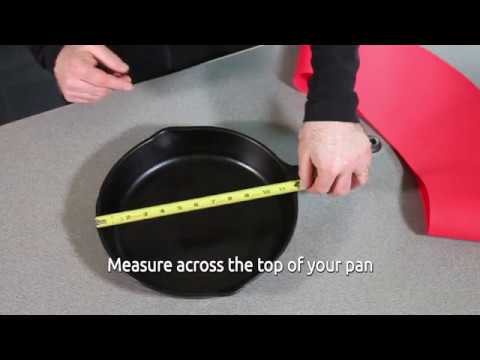
Start by measuring the diameter for round pans and pots. Use a ruler or tape measure across the top edge from one side to the other. For square or rectangular cookware, measure the width from one side to the other. These measurements show how much cooking space you have.
Checking Depth And Height
Measure the depth by placing the ruler inside the cookware. Go from the bottom to the top edge to see how deep it is. Height is the full size from the base to the top, including any rims. Depth and height tell you how much food the cookware can hold.
Accounting For Handle Length
Handles add extra length to cookware. Measure from the base to the end of the handle. Some pots have side handles, so measure those too. Knowing handle length helps you check if the cookware fits in storage or on your stove.
Material Impact On Cookware Size
Cookware size depends on the material used to make it. Different materials have different thicknesses and weights. These factors change how you measure and use the cookware. Understanding material impact helps you choose the right pot or pan for your kitchen.
How Thickness Affects Measurement
Thickness changes the overall size of cookware. Thicker pans hold heat better and last longer. But they can look bigger even if their cooking space is the same. Measuring the inner diameter or cooking surface gives a better idea of actual size. Thin pans may seem smaller but can heat quickly. Always check thickness alongside size for the best choice.
Weight Vs. Size Considerations
Heavy cookware often means thicker material or dense metals. Cast iron pans are heavy but offer great heat retention. Light pans like aluminum feel bigger but may have thinner walls. Weight does not always match cooking capacity. Use weight to guess durability, not just size. Choose cookware that feels comfortable and fits your cooking style.
Tips For Accurate Cookware Measurement
Accurate cookware measurement helps you cook better meals. It ensures the right portion size and consistent results. Precise measurements avoid waste and save money.
Follow simple tips for better measurement. Use the right tools and techniques. Check your tools often for accuracy.
Using Measuring Cups And Rulers
Use measuring cups for volume, like liquids or grains. Fill the cup to the right line. Check at eye level for accuracy.
Rulers help measure the diameter or height of pots and pans. Measure the widest part for correct size. Use a flexible ruler for curved cookware.
Calibrating Your Tools
Check measuring cups and rulers for errors. Use water to test volume cups. One cup should hold exactly 8 ounces of water.
Compare your ruler to a known accurate ruler or tape. Replace tools that show wrong numbers. Regular calibration keeps measurements true.
Avoiding Common Measurement Mistakes
Do not guess or eyeball measurements. Avoid packing ingredients tightly unless the recipe says so. Use the right tool for the job.
Measure ingredients on a flat, stable surface. Keep your tools clean and dry. These steps prevent wrong measurements and poor cooking results.
Selecting Cookware For Different Cooking Styles
Selecting cookware depends on the cooking style you prefer. Different dishes need specific pots and pans to cook well. Choosing the right size and type improves your cooking results. It also makes your kitchen work easier and more enjoyable.
Choosing Sizes For Sautéing And Frying
Sautéing and frying need pans with a large surface area. A 10 to 12-inch skillet is ideal for most tasks. Small pans hold less food and cook unevenly. Larger pans help spread heat and cook food faster. Non-stick pans work well for frying eggs and vegetables.
Ideal Cookware For Baking And Roasting
Baking and roasting require sturdy pans that hold heat evenly. A 9×13-inch baking dish suits most recipes. Cast iron skillets or roasting pans are great for meats and vegetables. Choose pans with high sides to prevent spills. Glass or ceramic dishes allow even heat distribution.
Selecting Pots And Pans For Boiling And Simmering
Boiling and simmering demand pots that hold enough water or broth. A 4 to 6-quart pot fits well for soups and pasta. Heavy-bottomed pots keep the temperature steady. Wide pots let liquids evaporate quickly, while taller pots keep moisture in. Look for pots with tight-fitting lids to control heat.
Maintaining Consistency In Your Cookware Set
Maintaining consistency in your cookware set helps keep your kitchen organized and efficient. A uniform set saves space and makes cooking easier. It also looks neat and professional on your shelves.
Standardizing Sizes For Easy Storage
Choose cookware sizes that stack well together. This approach saves cupboard space and prevents clutter. Measuring diameter and height helps pick pots and pans that fit inside each other. Standard sizes allow smooth storage and quick access.
Mixing And Matching Different Brands
Mix brands carefully by matching similar sizes and shapes. Different brands may have slight size differences. Check the measurements before combining pieces. Consistent sizes keep your set functional and visually balanced. Avoid random sizes that cause storage and cooking issues.
Replacing And Upgrading Cookware
Replace old cookware with pieces that match your current set size. Measure existing pots and pans before buying new ones. Upgrading one piece at a time keeps the set uniform. This approach maintains a clean look and prevents storage problems.
Credit: www.youtube.com
Frequently Asked Questions
How Do I Measure Cookware Size Accurately?
Measure cookware diameter by placing a ruler across the top edge. For height, measure from base to rim. Use a flexible tape for curved pans. This ensures you know the exact cooking surface and capacity.
What Tools Are Best For Measuring Cookware?
Use a ruler or measuring tape for diameter and height. A flexible tape works well for curved edges. Calipers can provide precise measurements. Choose tools that fit the cookware shape easily.
Why Is Measuring Cookware Size Important?
Knowing cookware size helps choose the right burner and storage space. It ensures proper portion control and cooking efficiency. Accurate measurements prevent buying ill-fitting lids or accessories.
How Do I Measure Non-circular Cookware?
Measure the longest and widest points for rectangular or square cookware. Also, note the height from base to rim. This helps in finding compatible lids and storage solutions.
Conclusion
Measuring cookware helps you choose the right size for cooking. Use a ruler or tape to check diameter and depth. Knowing measurements keeps your cooking consistent and efficient. It also saves space in your kitchen cabinets. Take your time to measure carefully before buying.
This simple step improves your cooking experience every day. Now, you can pick cookware that fits your needs perfectly.

Hello, This is Annie Walker, a 38-year-old blogger, founder, and editor of Cookware Guider from NY, USA. I am a cookware fanatic and passionate cooker. I love to cook with different types of cooking appliances (example: all types of cookware, rice cookers, slow cookers, etc) almost every day in my kitchen. I love to share my experience with my readers in my blog. Also, I enjoy helping people to solve their problems through my website. You can follow me on Twitter & Pinterest. To know details about my blog please check the about us page.