
Are you tired of struggling with cookware that sticks, burns, or just doesn’t feel right in your hands? Choosing the right cookware can change the way you cook—and enjoy your meals.
But with so many options out there, how do you know what’s best for you? This guide will help you make smart choices, so you get cookware that fits your cooking style, lasts longer, and makes every meal better. Keep reading to discover simple tips that will save you time, money, and frustration in the kitchen.
Types Of Cookware
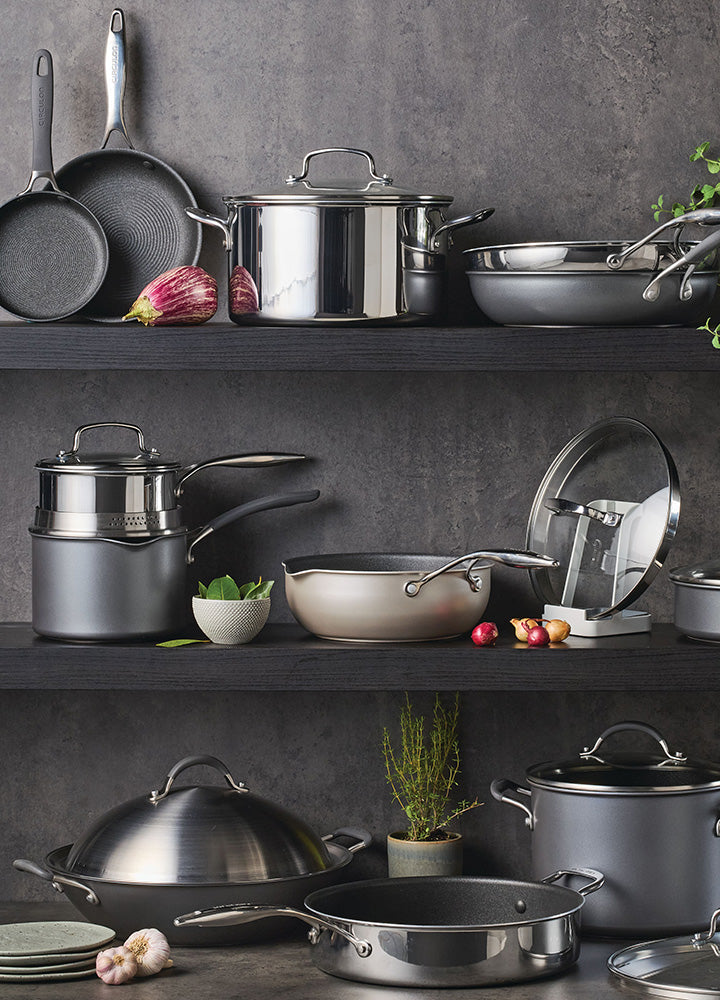
Choosing the right cookware is key to good cooking. Different types of cookware suit different needs. Each type has unique features and care tips. Knowing these helps you pick the best set for your kitchen.
Nonstick
Nonstick pans are easy to clean and use less oil. They are perfect for cooking eggs, pancakes, and delicate foods. Nonstick surfaces need gentle utensils to avoid scratches. Avoid high heat to keep the coating safe.
Stainless Steel
Stainless steel cookware is strong and lasts long. It heats evenly and can handle high temperatures. This type works well for browning and searing meat. Stainless steel is dishwasher safe and resists rust.
Cast Iron
Cast iron holds heat very well and cooks food evenly. It is great for frying and slow cooking. This cookware needs seasoning to keep it nonstick. Cast iron is heavy but very durable.
Copper
Copper cookware heats up quickly and cools down fast. It gives precise control over cooking temperature. Copper needs regular polishing to keep its shine. Often, it has a stainless steel lining for safety.
Ceramic
Ceramic cookware has a smooth, nonstick surface. It is free from harmful chemicals. This cookware is easy to clean and looks attractive. Ceramic works well for low to medium heat cooking.
Credit: circulon.com
Key Features To Consider
Choosing the right cookware means knowing what features matter most. These features affect how your pots and pans perform and last. Pay close attention to material, heat handling, weight, and safety options. These points help you pick cookware that fits your cooking style and needs.
Material Durability
Cookware material affects its strength and lifespan. Stainless steel lasts long and resists rust. Cast iron is tough and holds heat well. Nonstick pans are easy to clean but may wear out faster. Check for strong, high-quality materials for longer use.
Heat Conductivity
Good heat conductivity means even cooking without hot spots. Copper and aluminum conduct heat quickly. Stainless steel alone may heat unevenly but works well with layered bases. Choose cookware that spreads heat evenly for better cooking results.
Weight And Handling
Heavy cookware feels solid but can be hard to lift. Lightweight pans are easier to handle but may be less durable. Pick a weight that suits your strength and cooking habits. Comfortable handles improve grip and control during cooking.
Oven And Dishwasher Safety
Check if your cookware can go in the oven. Oven-safe pans add cooking flexibility. Dishwasher-safe cookware saves cleaning time. Look for clear labels about oven and dishwasher use. This saves effort and protects your cookware from damage.
Matching Cookware To Cooking Style
Choosing the right cookware depends on your cooking style. Different styles need different types of pots and pans. Selecting cookware that suits your habits helps you cook better meals. It also makes cooking easier and more fun.
Think about how you cook most often. Do you fry, bake, sear, or slow cook? Each method needs special cookware for best results. This guide helps you match cookware to your cooking style.
Everyday Cooking
For daily meals, choose versatile and durable cookware. Non-stick pans work well for quick frying and sautéing. Stainless steel pots are good for soups and stews. These materials clean easily and last long. They handle a variety of foods and cooking techniques.
Baking And Roasting
Baking needs cookware that spreads heat evenly. Look for heavy-duty baking sheets and roasting pans. Cast iron and ceramic are perfect for roasting vegetables or meats. They keep heat steady and give food a nice crust. Oven-safe dishes with lids help retain moisture too.
High-heat Searing
Searing requires pans that can handle very high temperatures. Stainless steel and cast iron skillets are best. They create a crisp, brown crust on meats and fish. Avoid non-stick pans for searing because they can get damaged. Heavy pans hold heat well and cook food evenly.
Slow Cooking
Slow cooking needs cookware that keeps low, steady heat. Slow cookers and Dutch ovens are ideal choices. They soften tough cuts of meat and develop deep flavors. Enamel-coated pots are easy to clean and look nice. These pots work well on stovetops and in ovens.

Credit: www.lecreuset.com
Budgeting For Cookware
Buying cookware needs a clear budget plan. It helps avoid overspending and ensures you get the right tools. A good budget balances price with what you really need. Start by knowing how much you can spend. Then, focus on choosing cookware that fits your cooking style and lasts long.
Setting Priorities
Decide what matters most in your cookware. Is it durability, brand, or style? Choose items that match your cooking habits. For example, if you cook a lot of stir-fry, prioritize a good wok. Setting priorities helps you spend money wisely on useful pieces.
Balancing Quality And Cost
Good cookware often costs more but lasts longer. Cheap sets might wear out fast and waste money. Find a balance by reading reviews and comparing prices. Aim for mid-range items that offer both quality and value. This approach protects your budget and improves your kitchen.
Investing In Essentials
Start with basic pieces like a frying pan, saucepan, and pot. These cover most cooking needs. Avoid buying large sets with many unused items. Buy essentials first, then add specialized cookware later. This method saves money and builds a practical kitchen step by step.
Maintenance And Care Tips
Proper maintenance and care keep cookware in good shape for years. Taking time to clean and store pots and pans correctly saves money. It also makes cooking safer and easier. Follow these simple tips to protect your investment.
Cleaning Techniques
Use warm water and mild soap to clean cookware after each use. Avoid harsh scrubbers that can scratch surfaces. For stuck-on food, soak the cookware in water first. Use a soft sponge or cloth to wipe gently. Dry cookware immediately to prevent rust or stains.
Storage Solutions
Store cookware in a dry place to avoid moisture damage. Stack pots and pans carefully to prevent dents and scratches. Use soft cloth or paper towels between items if you stack them. Hang pans with handles to save space and keep them safe. Keep lids separate to avoid chips and cracks.
Extending Cookware Lifespan
Avoid high heat that can warp or damage cookware. Use wooden or silicone utensils to protect non-stick coatings. Season cast iron pans regularly to keep them smooth and rust-free. Repair minor damages early to prevent bigger problems. Treat your cookware gently for a longer life.
Where To Buy Cookware
Choosing the right place to buy cookware helps you find quality items easily. Different sellers offer various types and prices. Knowing where to shop saves time and money. Explore options to pick cookware that fits your kitchen needs.
Retail Stores
Retail stores offer a chance to see cookware in person. You can touch, feel, and inspect the quality. Sales staff often provide helpful advice. Stores may have seasonal sales and discounts. Visit stores to compare brands side by side.
Online Marketplaces
Online marketplaces have a wide range of cookware. You can shop from home anytime. Customer reviews help judge product quality. Prices are often lower than in stores. Check return policies before buying online.
Specialty Shops
Specialty shops focus on cookware and kitchen tools. They offer expert knowledge and unique items. These shops may carry high-end or professional brands. Staff can guide you to the best choice. Specialty stores are great for serious cooks.
Avoiding Common Mistakes
Buying cookware can feel simple. Yet, many buyers make basic errors. These mistakes waste money and cause frustration. Avoiding them leads to better choices and happier cooking.
Overbuying Sets
Many shoppers buy large cookware sets. But most cooks use only a few pieces. Large sets cost more and add clutter. Focus on essential pots and pans first. Add items later as needed.
Ignoring Compatibility
Not all cookware works with every stove type. Some pans do not fit induction cooktops. Others may warp on high heat. Check your stove type before buying. Choose pans made for your heat source.
Neglecting Warranty
Cookware can have defects or wear out. A warranty protects your purchase. Some brands offer longer coverage than others. Read warranty details carefully. Choose products with good customer support.

Credit: www.craneappliance.com
Frequently Asked Questions
What Factors Should I Consider When Buying Cookware?
Consider material, heat conductivity, durability, and maintenance. Choose non-toxic, oven-safe, and dishwasher-friendly options. Size and weight also matter for ease of use.
Which Cookware Material Is Best For Beginners?
Stainless steel is ideal for beginners. It’s durable, easy to clean, and heats evenly. It also resists rust and doesn’t react with food.
How Do I Choose The Right Cookware Set Size?
Pick a set that matches your cooking habits. Small families need fewer pieces; larger families require more. Ensure the set includes essential items like pots and pans.
Can I Use Cookware On All Stovetops?
Not all cookware suits every stovetop. Check compatibility with gas, electric, induction, or ceramic. Induction requires magnetic materials like cast iron or stainless steel.
Conclusion
Choosing the right cookware makes cooking easier and more fun. Think about what you cook most and pick pots and pans that fit those needs. Quality matters, but so does your budget. Take care of your cookware to make it last longer.
This way, you enjoy better meals every day. Start with a few good pieces and add more as you go. Happy cooking!

Hello, This is Annie Walker, a 38-year-old blogger, founder, and editor of Cookware Guider from NY, USA. I am a cookware fanatic and passionate cooker. I love to cook with different types of cooking appliances (example: all types of cookware, rice cookers, slow cookers, etc) almost every day in my kitchen. I love to share my experience with my readers in my blog. Also, I enjoy helping people to solve their problems through my website. You can follow me on Twitter & Pinterest. To know details about my blog please check the about us page.